Beagle Grooming and That Shedding Double Coat
One of the many joys of sharing your home with a Beagle is their generally low-maintenance grooming needs, but let's be realistic: "low-maintenance" doesn't mean "no maintenance." Anyone who has lived with a Beagle knows that while they might not need fancy haircuts, they certainly shed, and those long, floppy ears are practically magnets for trouble. This guide will walk you through everything you need to know about keeping your Beagle looking and feeling great, tackling the common frustrations like shedding hair on everything and those ever-present ear concerns.
Understanding Your Beagle's Unique Double Coat
That seemingly simple coat on your Beagle is actually a marvel of canine engineering, designed to protect them from the elements during long days in the field. But this protective quality also means it's a shedding machine, and understanding its structure is the first step to managing it effectively. Many new Beagle owners are surprised by just how much hair these relatively small dogs can produce, often underestimating the ongoing grooming commitment.
The Anatomy of a Beagle's Coat: Soft Undercoat and Coarse Topcoat
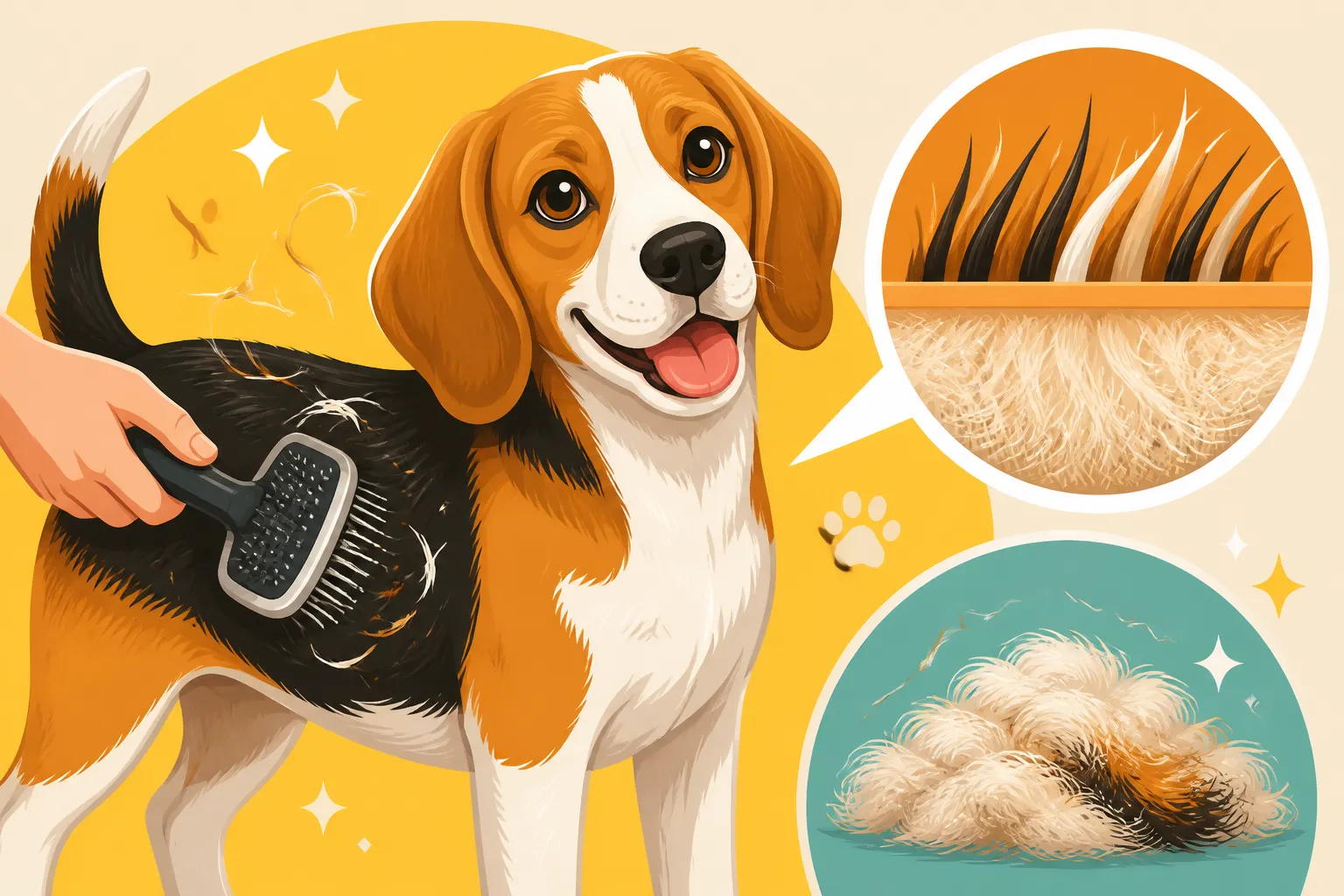
A Beagle's coat is what we call a double coat, and it's built for purpose. Think of it as two distinct layers working together. The outer layer, or topcoat, consists of short, dense, coarse guard hairs. These hairs are straight, lie flat against the body, and are remarkably water-resistant, helping to repel moisture and dirt. They act as a protective barrier, shielding your Beagle from brush, thorns, and harsh weather when they’re out exploring or on the trail. This is the part of the coat that gives them their sleek, almost polished look.
Beneath this hardy topcoat lies a much softer, denser undercoat. This fluffy layer is primarily for insulation. It keeps your Beagle warm in cold weather and helps to regulate their body temperature in warmer conditions too. The thickness of this undercoat can vary depending on climate and time of year; Beagles living in colder regions or during winter months will naturally grow a thicker, more luxuriant undercoat. It’s this combination of robust guard hairs and insulating under-fur that makes the Beagle’s coat so practical, but also such a contributor to the dreaded "Beagle glitter" you find on your furniture.
Why Beagles Shed More Than You Might Expect
Given their short hair, many people assume Beagles are minimal shedders, and that's where the surprise hits. The reality is, Beagles shed year-round, and quite a bit more than you might anticipate from a short-coated breed. This constant shedding is largely due to that dense undercoat. As new hairs grow, old hairs, particularly from the undercoat, need to be released to make way. Because their hair is short, it often doesn't clump together like longer hair might. Instead, individual hairs seem to weave themselves into carpets, upholstery, and clothing, making them feel ubiquitous.
It’s not just about the volume of hair, but the nature of it. Those coarse topcoat hairs can be quite stiff and sharp, making them difficult to remove from fabrics once they've embedded themselves. And the fine undercoat hairs, while softer, are numerous and tend to float through the air, settling on every surface imaginable. This continuous turnover of hair is a natural biological process, but it certainly keeps Beagle owners busy with brushes and vacuums. Understanding that this shedding is normal helps manage expectations and motivates a consistent grooming routine rather than hoping it will magically stop.
Seasonal Shedding Cycles and What to Anticipate
While Beagles shed consistently throughout the year, there are definitely peak seasons where the shedding intensifies. You'll often notice a much heavier shed in the spring and autumn. The spring "blowout" is when your Beagle sheds their thick winter undercoat to prepare for warmer weather. This can feel like a never-ending snowstorm of dog hair for several weeks. You might find yourself brushing handfuls of soft undercoat out of them daily, only for more to appear the next day. This is a crucial time to really step up your brushing game.
Conversely, in the fall, Beagles shed their lighter summer coat to make way for the denser, warmer winter coat. While often not as dramatic as the spring shed, it's still significant. These seasonal changes are a natural response to temperature and light variations, and your Beagle's body is simply adapting. Keeping up with regular brushing during these periods not only helps contain the hair but also promotes healthy skin and coat by distributing natural oils and stimulating circulation. Don't be surprised if you feel like you're perpetually sweeping during these times; it's all part of the Beagle experience. For more detail on this, check out Beagle Shedding and the Two Coats Underneath.
Essential Tools for Effective Beagle Grooming
Having the right tools makes all the difference in turning a potentially frustrating chore into a manageable and even enjoyable bonding experience. Trying to groom your Beagle with inadequate or incorrect tools is like trying to hammer a nail with a shoe – it might work, but it's going to be inefficient and possibly painful for everyone involved. Investing in quality grooming supplies suited for a Beagle's specific coat type and needs will save you time, effort, and a lot of stray hairs.
Brushes and Deshedding Tools That Really Work
For a Beagle's double coat, you'll need a combination of tools. A good rubber curry brush or grooming mitt is fantastic for daily or every-other-day brushing. These tools gently massage the skin, stimulate circulation, and effectively remove loose hair, dirt, and dander from both the topcoat and the undercoat. They're especially great for short-coated breeds as they conform to the body's contours and are usually comfortable for the dog. You can often find these easily on platforms like Amazon or Chewy.
For those heavier shedding seasons, a deshedding tool like a "furminator" style brush can be incredibly effective at reaching deep into the undercoat and pulling out vast amounts of loose, dead hair without damaging the topcoat. However, these tools should be used sparingly and carefully, as over-brushing with them can irritate the skin. Always follow the manufacturer's instructions and be gentle. Regular brushing with a slicker brush or a bristle brush will also help distribute natural oils and keep the topcoat shiny. Consistency is truly your best friend here, as even a few minutes of brushing daily can make a noticeable difference in the amount of hair floating around your home. If you want to dive deeper into specific options, take a look at Deshedding Tools That Work on a Beagle.
Safe and Effective Nail Care Tools
Trimming a Beagle's nails is often one of the most daunting grooming tasks for owners, especially because many Beagles have black nails where the quick (the sensitive blood vessel and nerve) isn't visible. You have a few options for nail care tools: traditional guillotine-style clippers, scissor-style clippers, or a dremel-style nail grinder. Clippers are generally faster, but require more precision, especially with dark nails. Always make sure your clippers are sharp to ensure a clean cut and prevent splitting the nail.
Nail grinders, while they take a bit longer and can be noisy (requiring some desensitization for your Beagle), offer more control and allow you to gradually shorten the nail without the risk of cutting the quick. They also smooth the nail edges, preventing snags. Regardless of the tool you choose, always have styptic powder on hand in case you accidentally cut too far and cause a bleed. Regular, even weekly, nail trims are far better than infrequent, drastic cuts. If you're particularly nervous about this, a professional groomer or your vet can demonstrate the proper technique. This crucial task is further explored in Trimming Black Beagle Nails You Cannot See Through.
Gentle Cleansers for Ears and Eyes
Beagle ears are iconic, but also unfortunately prone to issues. Their long, floppy nature means poor air circulation, creating a warm, moist environment perfect for yeast and bacteria to thrive. You'll need a good quality, vet-approved ear cleaning solution. Look for formulations that are gentle, drying, and non-irritating, often containing ingredients like witch hazel or mild antiseptics. Avoid using cotton swabs deep inside the ear canal, as this can push debris further in and potentially damage the eardrum.
For eye care, Beagles generally don't require much, but sometimes they can develop minor tear staining or accumulate a bit of sleep crust in the corners of their eyes. A soft, damp cloth or a sterile eye wipe (available from pet stores or vet clinics) can be used to gently clean around the eyes. Never use human eye drops or harsh chemicals near your Beagle's eyes. If you notice excessive tearing, redness, discharge, or any signs of discomfort, it's always best to consult your veterinarian, as it could indicate an underlying health issue.
Mastering the Art of Bathing Your Beagle
Bathing a Beagle isn't an everyday affair, but when the time comes – perhaps after a particularly enthusiastic roll in something questionable, or during a heavy shedding season – you'll want to be prepared. While Beagles are generally pretty resilient, a proper bath can help keep their skin healthy, manage shedding, and of course, make them smell a whole lot better. Don't underestimate the power of a good bath to dislodge loose hair.
Pre-Bath Prep: Brushing and Gathering Supplies
Before your Beagle even thinks about getting wet, the most important step is a thorough pre-bath brush. This is non-negotiable for a double-coated dog like a Beagle. Brushing before a bath helps to remove as much loose hair, dirt, and debris as possible from the coat. If you skip this step, loose hair can get wet and mat, making it much harder to remove later. It also allows the shampoo to penetrate more effectively to the skin. Use a deshedding tool or a rubber curry brush to really work through that undercoat.
Next, gather all your supplies. You'll need:
- Dog-specific shampoo: Never use human shampoo, as it can be too harsh for a dog's skin.
- Dog conditioner (optional but recommended): This can help moisturize the skin and detangle the coat.
- Plenty of towels: Beagles have a knack for shaking water everywhere!
- Cotton balls: To gently place in their ears to prevent water from entering the ear canal.
- A non-slip mat: For the tub or bathing area, to keep your Beagle from slipping and feeling insecure.
- Treats: Lots of high-value treats to make the experience positive.
Having everything within arm's reach before you start means you won't be scrambling for items with a wet, possibly wiggly, Beagle in the tub.
The Right Shampoo and Conditioning for a Beagle's Skin
Choosing the right shampoo for your Beagle is crucial. Always opt for a shampoo specifically formulated for dogs. These products are pH-balanced for canine skin, which is different from human skin. Look for gentle, hypoallergenic formulas if your Beagle has sensitive skin or allergies. Oatmeal-based shampoos can be very soothing for itchy skin. Avoid anything with harsh chemicals, artificial dyes, or strong fragrances that could irritate their skin or respiratory system.
When applying shampoo, make sure to work it through the entire coat, all the way down to the skin. Gently massage it in, paying special attention to areas like the chest, belly, and armpits where dirt can accumulate. Rinse thoroughly, and when I say thoroughly, I mean it! Shampoo residue left on the skin can cause irritation, itching, and lead to skin problems. Rinse until the water running off your Beagle is completely clear and you can no longer feel any slickness on their coat. If you use a conditioner, follow the product instructions for application and rinsing, which often involves letting it sit for a few minutes before a final rinse. Many popular brands like Earthbath or Vet's Best offer excellent dog-specific shampoos that you can find at pet stores or online retailers like Chewy. For more on the frequency of bathing, see Bathing a Beagle and How Often It Needs One.
Drying Your Beagle Thoroughly to Prevent Skin Issues
This step is often rushed, but it's incredibly important, especially for a double-coated breed like a Beagle. A damp undercoat that doesn't dry properly can create a perfect breeding ground for bacteria and yeast, leading to hot spots, skin infections, and a generally unpleasant mildewy smell. Start by towel drying as much as possible, pressing and blotting the water out of the coat rather than rubbing vigorously, which can tangle the hair. Use multiple towels if needed.
For a thorough dry, particularly in cooler weather, a dog-specific forced-air dryer (not a human hairdryer, which can be too hot and burn their skin) is ideal. These dryers use high-velocity, unheated or mildly heated air to push water out of the coat quickly and efficiently. If you don't have one, a human hairdryer on a cool or low-heat setting, held at a safe distance and kept moving, can work, but be extremely careful about overheating. While drying, continue to brush the coat to help separate the hairs and speed up the process. Make sure to check the areas where moisture loves to linger: under the ears, in the armpits, and around the belly. A completely dry Beagle is a comfortable and healthy Beagle. This is especially vital information, so for more guidance, look at Drying Beagle Ears Thoroughly After a Bath.
Keeping Those Long Beagle Ears Clean and Healthy
A Beagle's long, droopy ears are one of their most endearing features, but they are also a common source of health problems. Because they hang down, air circulation is significantly restricted, creating a warm, moist, dark environment that's an open invitation for yeast, bacteria, and ear mites. Regular ear care isn't just about cleanliness; it's a vital part of preventative health for your Beagle.
The Weekly Ear Cleaning Routine
Making ear cleaning a part of your regular weekly grooming routine is key to preventing problems before they start. It's a quick process that can save you a lot of vet visits and your Beagle a lot of discomfort. To clean your Beagle's ears:
- Gather your supplies: You'll need a vet-approved ear cleaning solution and plenty of cotton balls or gauze pads. Avoid cotton swabs, as they can push debris deeper into the ear canal.
- Lift the ear flap: Gently hold your Beagle's ear flap up to expose the ear canal.
- Apply the cleaner: Squirt a generous amount of ear cleaning solution directly into the ear canal. Don't be shy; you want to fill it up.
- Massage the base: Gently massage the base of the ear for 30 seconds to a minute. You should hear a squishing sound as the solution breaks up wax and debris.
- Allow shaking: Let your Beagle shake their head! This helps to dislodge the loosened gunk. Be prepared for some spray.
- Wipe clean: Use cotton balls or gauze to wipe away any visible debris and excess solution from the outer ear flap and the upper part of the ear canal. Continue wiping until no more dirt appears on the cotton.
- Repeat on the other ear: Don't forget the other side!
Establishing this routine from puppyhood can make your Beagle much more tolerant of the process. If you notice any redness, swelling, foul odor, or excessive discharge, stop cleaning and consult your vet. For a more focused guide, consider The Five Minute Beagle Ear Routine.
Recognizing the Signs of an Ear Infection Early
Because Beagles are so prone to ear infections, knowing the warning signs is essential for prompt treatment. Catching an infection early can prevent it from becoming more severe, painful, and costly to treat. Be vigilant and inspect your Beagle's ears regularly, even outside of cleaning times.
Here are the key signs to watch for:
- Excessive head shaking: One of the most common indicators. Your Beagle might shake their head much more frequently or vigorously than usual.
- Scratching or pawing at the ears: They might use their paws or rub their ears on furniture or the ground to alleviate itching.
- Redness or swelling: Look inside the ear flap and just inside the ear canal for any abnormal redness or puffiness.
- Foul odor: A distinctive, often yeasty or pungent smell coming from the ear is a strong sign of infection.
- Discharge: This can range from dark, waxy buildup (often indicative of yeast or mites) to yellowish or greenish pus (suggesting a bacterial infection).
- Pain or sensitivity: Your Beagle might yelp, shy away, or become aggressive when you touch their ears.
- Reluctance to chew or play: In severe cases, they might experience enough pain to affect their appetite or energy levels.
- Changes in behavior: General irritability or lethargy could also be subtle signs of discomfort.
If you observe any of these symptoms, it's time for a visit to the veterinarian. Self-treating an ear infection without a proper diagnosis can lead to resistant infections and chronic problems. Your vet can determine the cause and prescribe the appropriate medication, whether it's an antibiotic, antifungal, or antiparasitic. If you want a full breakdown, check out The Signs a Beagle Ear Needs a Vet.
Preventing Moisture Buildup After Baths and Swims
Moisture is the enemy of healthy Beagle ears. Any time your Beagle gets wet – whether from a bath, a swim, or even just playing in the rain – it's crucial to ensure their ear canals are completely dry afterwards. Water trapped in the ear canal creates that ideal damp environment for pathogens.
Here's how to prevent moisture-related ear issues:
- During baths: As mentioned, place cotton balls loosely in your Beagle's ears before bathing to help prevent water from entering. Remember to remove them afterwards!
- After swimming: If your Beagle enjoys a dip (some do, some don't!), always clean their ears immediately after they get out of the water. Use a drying ear solution, which helps to evaporate any lingering moisture and acidify the ear canal, making it less hospitable to bacteria and yeast.
- Rainy weather: If your Beagle has been out in the rain, give their ears a quick wipe and check. Even a little dampness can be enough to start a problem.
- Airflow: After cleaning or getting wet, gently lift the ear flaps for a few minutes to allow for some air circulation. You can even gently fan them.
Consistent preventative care is far easier and more comfortable for your Beagle than treating a full-blown ear infection. Being proactive about ear health will contribute significantly to your Beagle's overall well-being and save you a headache (and vet bill) down the line.
Nail Trimming and Paw Pad Care for Active Beagles
Beagles are active dogs, and their paws take a lot of wear and tear, whether they're sniffing through fields, trotting on pavements, or digging in the garden. Proper nail trimming and paw pad care are vital for their comfort, mobility, and overall health. Neglected nails can cause pain, deformities, and even lead to serious joint problems over time, while damaged paw pads can make every step uncomfortable.
Tackling Black Nails: Clippers, Grinders, and Caution
Trimming black nails on a Beagle is a common challenge because the quick, the sensitive part of the nail containing nerves and blood vessels, is not visible. Cutting into the quick is painful for your dog and can cause bleeding, making future nail trims a dreaded experience for both of you.
Here’s how to approach it safely:
- Small, frequent trims: Instead of trying to take off a lot of nail at once, aim for tiny trims more often, perhaps once a week or every two weeks. This gradually pushes the quick back.
- Identifying the quick (even on black nails): On black nails, look at the underside of the nail. As you trim tiny slivers, you'll see a white or grayish ring appear, then a small dark dot in the center. That dark dot is the quick. Stop before you reach it.
- Using a Dremel/grinder: Many owners find a nail grinder safer and more forgiving for black nails. You can remove tiny amounts of nail at a time, "sanding" it down. You'll still see the quick appear as a dark dot when you get close, signaling you to stop.
- Styptic powder: Always have styptic powder (like Kwik Stop) on hand. If you do accidentally nick the quick, firmly apply the powder to the bleeding nail. It will quickly stop the bleed and alleviate some pain.
- Positive reinforcement: Make nail trims a positive experience. Offer lots of praise and high-value treats throughout the process. Start slow, do one or two nails, and work your way up. If your Beagle is particularly resistant, consider professional help from a vet or groomer to establish a good routine.
Long nails aren't just cosmetic; they can force your Beagle's toes up, putting strain on their joints and causing discomfort, potentially contributing to Beagle Arthritis Arriving in Middle Age. Keep those nails short enough so they don't click on hard floors when your Beagle walks.
Protecting Paw Pads from Rough Terrain and Weather
A Beagle's paw pads are tough, but they're not invincible. They can get chapped, cracked, cut, or burned, especially if your Beagle spends a lot of time on varied terrain or in extreme weather. Healthy paw pads are essential for comfort and mobility.
- Hot pavement and sand: In summer, asphalt and concrete can get incredibly hot, causing painful burns. Test the surface with your hand for five seconds; if it's too hot for you, it's too hot for your Beagle. Walk during cooler times of the day or use paw protection like booties.
- Ice and snow: Winter conditions present their own challenges. Ice can cut paw pads, and de-icing salts can be irritating and toxic if ingested. Consider booties for winter walks, and always wipe your Beagle's paws thoroughly after coming inside to remove any salt or chemicals.
- Rough terrain: Hiking on rocky trails or through thick underbrush can cause cuts and abrasions. Regular inspection of paw pads after outdoor adventures is a good practice.
- Moisturizing: Just like human skin, paw pads can benefit from moisturizing, especially if they become dry or cracked. There are paw balms and waxes available that can help keep pads supple and protected. Look for natural ingredients like shea butter or beeswax. Applying a thin layer before walks can create a protective barrier.
Being mindful of the surfaces your Beagle walks on and providing protection when needed can prevent painful paw injuries and keep them happily exploring. For more on this, see Beagle Paw Pad Cracks After Field Walks.
Addressing Common Paw Problems: Cracks, Ticks, and Irritations
Beyond general protection, you'll need to be vigilant about specific issues that can affect your Beagle's paws. Regular inspection is crucial, ideally during your weekly grooming routine.
- Cracked pads: If pads become severely cracked, they can be quite painful and even bleed. Clean the area gently with mild soap and water, apply a healing paw balm, and consider protecting the paw with a bootie until it heals. If the cracks are deep or don't improve, a vet visit is warranted to rule out underlying conditions.
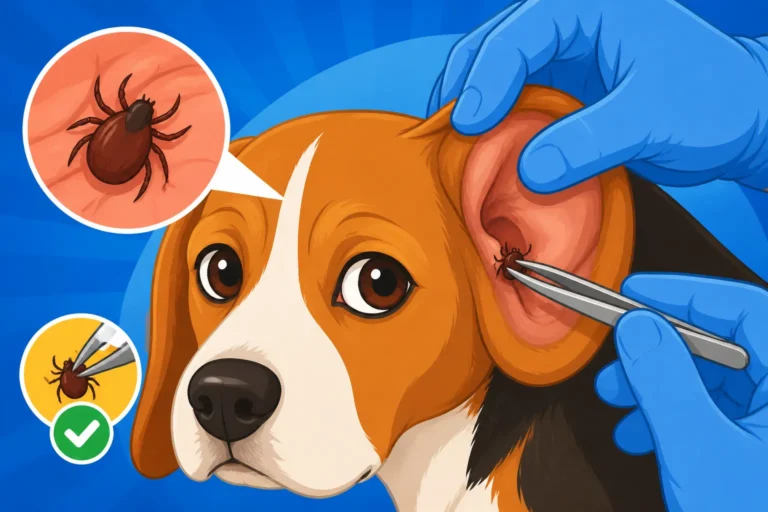
- Ticks and foreign objects: Beagles love to explore, which means they can pick up ticks, burrs, thorns, or small pieces of gravel between their toes or embedded in their paw pads. After every outdoor excursion, especially in grassy or wooded areas, thoroughly check your Beagle's paws. Pay close attention to the spaces between the toes. Remove any foreign objects carefully. If you find a tick, remove it promptly and properly with tweezers, grasping it as close to the skin as possible and pulling straight out. If you're unsure, your vet can assist. For more on tick removal, check out Checking a Beagle for Ticks After Every Walk.
- Allergies and irritations: Paws are a common site for allergy symptoms in dogs. If your Beagle is constantly licking, chewing, or biting their paws, or if the pads appear red, swollen, or inflamed, it could indicate allergies (food or environmental), an infection, or even a reaction to something they've stepped on. A vet visit is necessary to diagnose the cause and recommend appropriate treatment, which might involve special shampoos, oral medications, or dietary changes.
Staying on top of paw health ensures your Beagle remains comfortable and ready for their next adventure.
Beyond the Basics: Addressing Specific Grooming Needs
Grooming a Beagle isn't just about brushes and baths; it also involves paying attention to some less glamorous but equally important details. These specific areas, if neglected, can lead to discomfort, health issues, and sometimes, some rather unpleasant smells. Being proactive about these "extra" grooming tasks can prevent bigger problems down the road.
Managing Anal Glands: When to Seek Professional Help
This isn't the most pleasant topic, but anal glands are a reality for dog owners. Dogs have two small glands, one on each side of the anus, that normally express a strong-smelling, oily liquid when they defecate. This liquid serves as a scent marker. However, sometimes these glands don't express properly, leading to impaction, discomfort, or even infection.
Signs that your Beagle might be having anal gland issues include:
- "Scooting": Dragging their rear end along the carpet or ground. This is a classic sign they're trying to relieve discomfort.
- Excessive licking or biting: Focusing intensely on their hindquarters.
- Strong, fishy odor: A very pungent smell emanating from their rear.
- Pain or difficulty defecating: Straining or yelping when trying to go to the bathroom.
- Swelling or redness: Around the anus.
If you notice these signs, it's best to consult your veterinarian or a professional groomer. They can safely express the glands. Attempting to do it yourself without proper training can injure your Beagle or cause further complications. For some dogs, anal gland issues are a chronic problem and might require dietary changes (like adding more fiber) or more frequent professional expression. Never ignore these signs, as an impacted gland can lead to a painful abscess requiring surgical intervention. Check out Beagle Anal Glands and Scooting on the Carpet for more information.
Wiping Eyes and Dealing with Minor Tear Stains
Beagles typically have clear, bright eyes and usually don't suffer from excessive tear staining compared to some other breeds. However, occasional eye wiping might be necessary to keep them sparkling clean and free of minor debris. You might notice a bit of "sleep" in the corners of their eyes in the morning, or perhaps some minor discharge after a dusty walk.
To clean your Beagle's eyes:
- Use a soft, clean, damp cloth or a sterile canine eye wipe.
- Gently wipe from the corner of the eye outwards, being careful not to touch the eyeball itself.
- Use a fresh part of the cloth (or a new wipe) for each eye to prevent transferring any potential irritation or infection.
If you notice persistent tearing, redness, swelling, yellow or green discharge, or if your Beagle is pawing at their eyes or squinting, these are signs of a more serious issue that requires veterinary attention. These could indicate allergies, conjunctivitis, an injury, or even an eyelash problem. Always err on the side of caution when it comes to your Beagle's vision.
Spot Checks: Looking for Lumps, Bumps, and Skin Changes
Your Beagle's grooming time is also the perfect opportunity for a full-body health check. As you brush, bathe, or even just pet your Beagle, take a moment to really feel their body, from nose to tail. Run your hands over every inch of their skin, gently pushing your fingers through their short, dense coat.
What to look for during these "spot checks":
- Lumps and bumps: Feel for any new growths, lumps, or bumps under the skin. Not all lumps are sinister, but any new or changing lump should be pointed out to your vet. Early detection is key for many conditions.
- Skin lesions or scabs: Notice any scabs, crusts, red spots, or open sores. These could be due to insect bites, allergies, scratches, or skin infections.
- Changes in skin texture or color: Is the skin flaky, oily, thickened, or discolored? Darkened or thickened skin can sometimes indicate chronic irritation or hormonal issues.
- Hair loss or thinning: While Beagles shed, patchy hair loss, particularly if accompanied by redness or itching, could signal allergies, parasites (like fleas or mites), fungal infections, or hormonal imbalances like Beagle Hypothyroidism and Sudden Weight Gain.
- Parasites: Look closely for fleas (small, dark, fast-moving insects, or "flea dirt" which looks like black pepper flakes) or ticks. Pay special attention to areas like the armpits, groin, base of the tail, and behind the ears.
These regular hands-on checks allow you to catch potential health problems early, often before they become more severe or symptomatic. Your veterinarian will appreciate your vigilance! Learn more about these vital examinations in Skin Checks to Run While Grooming a Beagle.
Building a Grooming Routine for a Happy, Healthy Beagle
Establishing a consistent grooming routine is one of the best ways to keep your Beagle healthy, comfortable, and well-behaved during handling. It's not just about aesthetics; it's about preventative care, early detection of health issues, and strengthening the bond between you and your hound. A predictable routine reduces stress for your Beagle and makes the tasks easier for you.
Making Grooming a Positive Experience from Puppyhood
The key to a Beagle who tolerates, or even enjoys, grooming is starting early and making every interaction positive. Puppyhood is the prime time for socialization and desensitization.
- Start small: Begin with very short sessions. Just a few seconds of gentle brushing, a quick ear check, or a paw touch.
- Pair with treats and praise: Immediately follow any grooming touch with a high-value treat and enthusiastic praise. You want your puppy to associate grooming with good things.
- Gradual exposure: Slowly increase the duration and intensity of the grooming activities. For example, instead of a full nail trim, just hold a paw and touch the clippers to a nail for a second, then treat. Build up to actually trimming.
- Introduce tools gently: Let your puppy sniff and investigate brushes, clippers, and the ear cleaning bottle before you use them. Make it a game.
- Practice handling: Regularly touch your puppy’s ears, paws, mouth, and tail, even when you’re not grooming. This makes them more comfortable with being handled by you and the vet.
If you adopt an adult Beagle who is already apprehensive about grooming, you can still use these positive reinforcement techniques, but it might take more patience and slower progress. Never punish your Beagle for being afraid during grooming; it will only make the fear worse. If necessary, consult with a professional trainer or vet for guidance on desensitization.
Consistency is Key: Sticking to a Regular Schedule
A consistent grooming schedule works wonders. When your Beagle knows what to expect, they are generally less anxious and more cooperative.
- Daily brushing: A quick 5-10 minute brush with a rubber curry comb can significantly reduce shedding, remove dirt, and keep their coat healthy. This also acts as a mini-massage and a great bonding moment.
- Weekly ear checks/cleaning: As discussed, this is critical for Beagles. Set a specific day each week for ear care.
- Bi-weekly nail trims: Keeping nails short and tidy. If you use a grinder, it might be even more frequent.
- Monthly or as-needed baths: Beagles typically don't need frequent baths, perhaps once a month or every couple of months, unless they get particularly dirty. Over-bathing can strip natural oils from their skin.
- Regular full-body health checks: Incorporate feeling for lumps, bumps, and skin issues into your daily brushing or weekly ear cleaning routine.
A visual reminder, like a calendar or a checklist, can help you stay on track. This consistent care helps prevent problems from escalating and keeps your Beagle comfortable and healthy in the long run.
When to Call in the Professionals: Groomers and Vets
While much of your Beagle's grooming can be done at home, there are times when professional help is not just beneficial, but necessary.
- Difficult nail trims: If your Beagle becomes extremely stressed or aggressive during nail trims, or if you consistently nick the quick, a professional groomer or vet can provide a safe experience. They have specialized tools and techniques, and sometimes, a different approach from a neutral party makes all the difference.
- Severe matting (unlikely for Beagles but possible): While rare for short-coated Beagles, if for some reason their undercoat gets severely matted (perhaps if they rolled in something sticky and it wasn't promptly removed), a professional groomer has the expertise and tools to safely remove mats without causing skin irritation or injury.
- Anal gland issues: As mentioned, if your Beagle is scooting or showing other signs of anal gland discomfort, a vet or trained groomer should express them.
- Persistent ear infections or skin issues: If you notice any signs of ear infection, skin redness, excessive itching, or unusual lumps and bumps, your first call should always be to your veterinarian. They can accurately diagnose the problem and prescribe the correct treatment. Don't try to guess or self-diagnose serious conditions.
- Allergy management: If your Beagle suffers from chronic skin allergies, a vet can help determine the cause and work with you on a management plan, which might include medicated baths or specialized grooming advice.
Think of your groomer and veterinarian as part of your Beagle's care team. They are there to support you and ensure your furry friend remains in peak condition. For more discussion on professional services, read Grooming a Beagle at Home Versus at a Salon.
Disclaimer
This article is for general informational purposes only and does not constitute professional advice. Laws, prices and regulations vary by location and change over time. Consult a qualified professional for guidance on your specific situation.