Beagle Anal Glands and Scooting on the Carpet
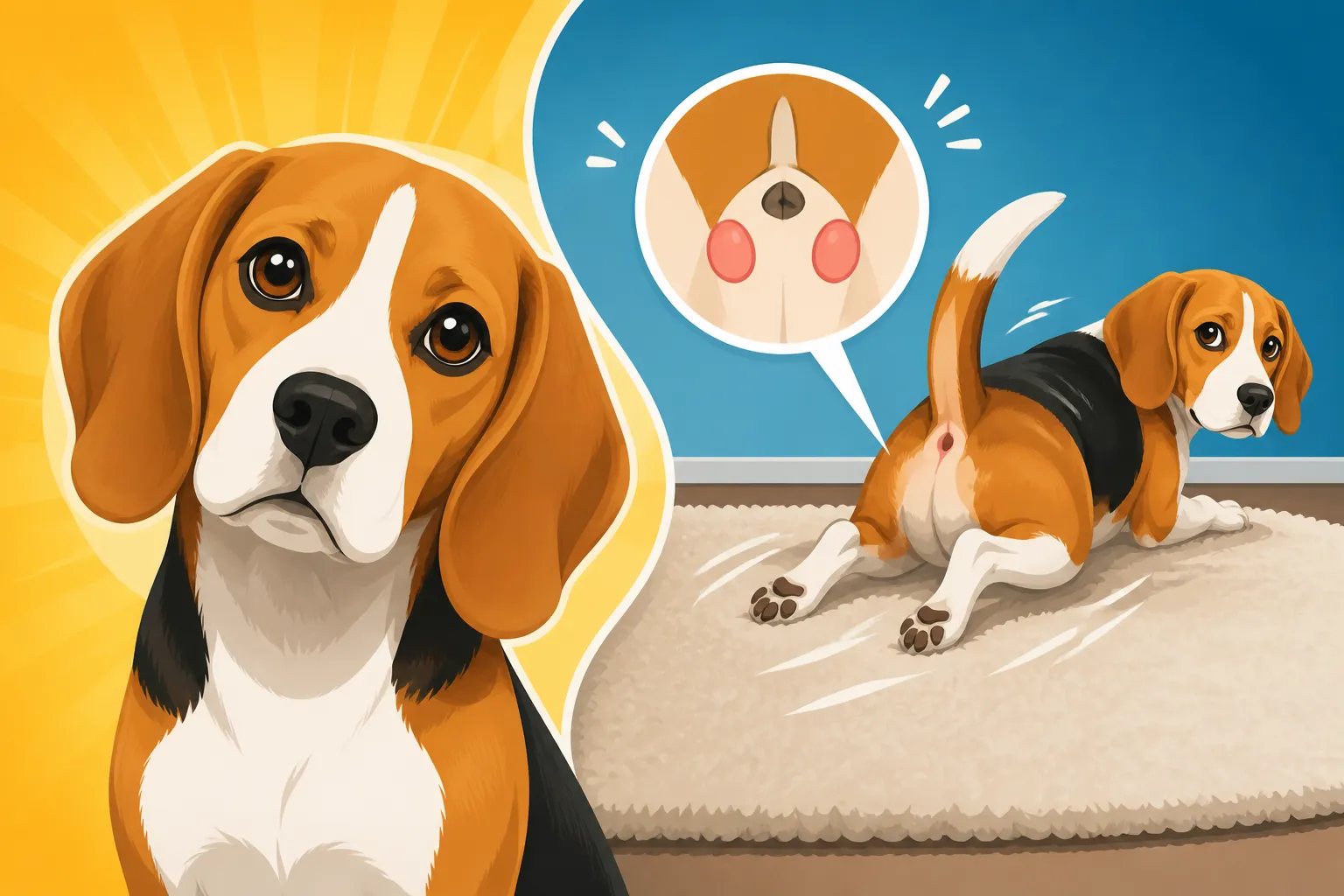
Oh, the infamous "scoot." If you've ever walked into a room to find your beloved Beagle dragging their rear end across your nice clean rug, or caught a whiff of a truly unpleasant, fishy odor seemingly coming from nowhere, you know the unique frustration and worry that comes with anal gland issues. It’s not just a gross habit; it's often a clear signal that something is making your furry friend uncomfortable. This guide is here to shed some light on what's going on back there and how you can help your Beagle feel much more comfortable.
The Secret World of Beagle Anal Glands: What Are They and Why Do They Matter?
Before we dive into the nitty-gritty of scooting and smells, let's talk about what anal glands actually are. Most dog owners, especially those new to certain issues, might not even know these little guys exist until they start causing trouble! They're definitely one of those "behind the scenes" parts of canine anatomy that you hope to never have to think about. But for a Beagle, understanding their anal glands is crucial, as they can be prone to issues.
The Anatomy and Purpose Behind the "Scent Sacs"
Deep inside your Beagle's bottom, just on either side of the anus at about the four and eight o'clock positions, are two small sacs. These are your dog's anal glands, sometimes called anal sacs. They’re lined with sebaceous glands that produce a thick, oily, often fishy-smelling liquid. Think of it as your Beagle's personal scent marker. In the wild, or even for dogs communicating in nature, this potent scent is vital for marking territory and identifying other dogs. Every time your Beagle has a bowel movement, especially a firm one, the pressure helps to naturally express a tiny bit of this fluid onto the stool. It’s part of their unique biological signature, a calling card left for other canines to sniff and learn from. This is also why dogs are so obsessed with sniffing each other's rear ends – they’re reading a whole olfactory newspaper!
For many Beagles, especially those with their strong scent drive, these glands are just another part of their incredible nose-powered world. They produce the fluid, it gets expressed, and life goes on. It's a system designed to be self-sufficient, relying on consistent, healthy bowel movements to keep things flowing. However, when that natural process gets disrupted, that's when you start running into problems, and your Beagle might start trying to relieve the pressure themselves, often right on your carpet.
Why Beagles Might Be More Prone to Anal Gland Issues
While any dog can develop anal gland problems, Beagles can sometimes be more susceptible, and there are a few reasons why. One major factor is often their diet and, consequently, their stool consistency. Beagles are known for being incredibly food-motivated – almost to a fault! This strong food drive means they might be more likely to get into things they shouldn't, or gobble down food too quickly, leading to inconsistent digestion. If your Beagle's stools are frequently soft or loose, they might not provide enough firm pressure against the anal glands to express them naturally during defecation. It's like trying to squeeze a tube of toothpaste that's half-empty and runny; you just don't get the same leverage.
Another contributing factor can be genetics, though it’s less clearly defined than with some other health issues like Beagle Hip Dysplasia and Everyday Joint Wear or Beagle Epilepsy and Seizures From Six Months On. Some Beagles simply have anal glands that are positioned in a way that makes natural expression more difficult, or they may produce a thicker, more paste-like secretion that gets stuck more easily. Furthermore, Beagles, with their tendency to gain weight (they do love their food!), can sometimes face issues if they become overweight. Excess fat around the anal area can make it harder for the glands to express naturally. So, keeping an eye on your Beagle Weight Management Across the Two Size Varieties is always a good idea for overall health, including these often-overlooked glands.
Recognizing the Red Flags: When Anal Glands Become a Problem
So, you've seen the scoot, maybe smelled the smell. But how do you know if it's just a one-off thing or if your Beagle is genuinely suffering from an anal gland issue? It's important to differentiate between an occasional itch and a real problem that needs attention. The key is to pay attention to frequency, intensity, and accompanying symptoms.
Beyond the Scoot: Other Signs Your Beagle Is Uncomfortable
Scooting is definitely the most common and often the most visually unsettling sign that something is amiss with your Beagle’s anal glands. It’s their way of trying to relieve the pressure or irritation. They’re literally dragging their backside along the ground, furniture, or your favorite rug to try and manually empty those full sacs or alleviate the itchiness. But scooting isn’t the only indicator.
Keep an eye out for these other tell-tale signs:
- Excessive Licking or Biting at the Rear End: If your Beagle is constantly turning around to lick, chew, or nip at their anus or under their tail, it’s a big sign of discomfort. It might look like routine grooming, but if it’s prolonged, intense, or becomes obsessive, it's time to investigate. They're trying desperately to get rid of that pressure or itch.
- The Unmistakable Fishy Odor: This is perhaps the most obvious and unpleasant sign. If you suddenly notice a pungent, fishy, or metallic smell around your Beagle, especially when they stand up after lying down, or if you gently lift their tail, it’s almost certainly anal gland fluid. When the glands are full, some fluid can leak out, particularly when they sit or apply pressure. It's a smell that, once you recognize it, you won’t soon forget!
- Difficulty or Pain During Defecation: Watch your Beagle closely when they go to the bathroom. Are they straining more than usual? Do they cry out or show signs of pain? Are they hesitant to poop? Swollen or impacted anal glands can cause significant pain, making passing stool an agonizing experience. You might even notice blood in their stool or on the ground where they’ve defecated, which is a serious red flag.
- Swelling or Redness Around the Anus: Sometimes, if the glands are very full or have become infected, you might actually be able to see swelling or redness around the anal opening. It might look like a small bump or an inflamed area. This is usually accompanied by extreme tenderness, and your Beagle will likely not want you touching that area at all.
- Chasing Their Tail or General Restlessness: While tail chasing can be a playful behavior, if it becomes frantic and focused on the rear, or if your Beagle seems generally agitated and can’t settle down, it could be due to anal gland discomfort. They might sit down suddenly, stand up, lick, and then try to scoot again, unable to find relief.
Recognizing these signs early can help prevent the problem from escalating into something more serious, like an infection or abscess.
The Progression: From Impaction to Abscess
Left unaddressed, what starts as mild discomfort can quickly escalate. The progression of anal gland issues typically follows a few stages:
- Impaction: This is the most common problem. The fluid within the anal glands thickens, or the duct that allows the fluid to exit becomes blocked. The glands get overly full and can't empty on their own. This causes pressure and irritation, leading to scooting, licking, and that fishy smell. It's uncomfortable, but usually not immediately life-threatening.
- Infection: If the impacted glands aren't expressed, bacteria can grow in the trapped fluid. This leads to an infection, often turning the fluid into pus. The area becomes inflamed, very painful, and might feel hot to the touch. Your Beagle might develop a fever, become lethargic, or lose their appetite. This stage requires veterinary intervention, usually with antibiotics and manual expression.
- Abscess: The worst-case scenario is an abscess. This happens when an infection becomes so severe that pus accumulates, forming a painful, swollen lump. An abscess can eventually rupture, creating an open wound near the anus. This is incredibly painful for your Beagle and is a veterinary emergency. It requires immediate attention, often involving drainage, cleaning, and antibiotics. The ruptured wound is unsightly and can be difficult to heal without proper care.
Understanding this progression highlights why early detection and intervention are so important. Don't wait until your Beagle is in severe pain or has a ruptured abscess to seek help.
Finding Relief for Your Beagle: Home Remedies and Professional Help
Once you suspect anal gland trouble, the good news is that there are many ways to address it, ranging from simple home interventions to veterinary procedures. The best approach depends on the severity of your Beagle's condition.
Dietary Changes and Supplements
Often, the first line of defense for recurrent anal gland issues is adjusting your Beagle's diet to promote firmer, bulkier stools. The idea is to give those glands a good, natural squeeze every time your Beagle poops.
- Increase Fiber: Adding more fiber to your Beagle's diet can help. This could mean switching to a dog food formulated with higher fiber content. Many reputable brands offer options rich in dietary fiber, which helps create more substantial, firm stools. You might explore different options available through retailers like Chewy or check out specific fresh food recipes from services like Ollie, which often focus on whole ingredients that can aid digestion.
- Natural fiber sources include cooked pumpkin (not pie filling!), green beans, or even a small amount of unsweetened bran cereal mixed into their regular food.
- Specific fiber supplements designed for dogs, often containing psyllium husk, can also be helpful. Always introduce new foods or supplements gradually to avoid upsetting your Beagle's stomach.
- Ensure Proper Hydration: Make sure your Beagle always has access to fresh, clean water. Good hydration contributes to healthy digestion and can help prevent constipation, which can exacerbate anal gland problems.
- Maintain Healthy Weight: As mentioned, obesity can contribute to anal gland issues. Keeping your Beagle at a healthy weight ensures that excess fat doesn't impede the natural expression process. If your Beagle is overweight, consult your vet about a weight loss plan, which might include specific dietary adjustments and increased Exercise That Actually Burns Beagle Calories.
Here’s a quick comparison of potential dietary changes:
| Approach | Goal | Example Food/Supplement | Key Benefit |
|---|---|---|---|
| High-Fiber Diet | Firmer, bulkier stools | Vet-recommended high-fiber dog food, cooked pumpkin, psyllium | Promotes natural expression during defecation |
| Fresh/Whole Food Diet | Improved digestion & stool consistency | Ollie, home-cooked meals (vet-approved) | Fewer artificial ingredients, often higher moisture & natural fiber |
| Weight Management | Reduce excess fat around anal area | Prescription weight-loss diet, portion control, more exercise | Prevents fat from obstructing gland ducts |
| Probiotics/Prebiotics | Support gut health | Dog-specific probiotic supplements | Can improve overall digestion and stool quality |
When to Seek Veterinary Help
While dietary adjustments can be very effective for mild, recurring issues, there are times when a trip to the veterinarian is essential. Don't hesitate if you notice:
- Persistent Scooting and Licking: If the problem doesn't resolve within a day or two of home care, or if it's happening frequently.
- Visible Swelling or Redness: Any sign of inflammation around the anus warrants a vet visit.
- Pain or Difficulty Defecating: If your Beagle is clearly in pain, straining, or has blood in their stool.
- Fever or Lethargy: These are signs of a more serious infection.
- Ruptured Abscess: This is an emergency and requires immediate veterinary care.
Your vet will be able to properly examine your Beagle, confirm if the anal glands are impacted or infected, and manually express them. Manual expression is a quick procedure, though not always pleasant for your Beagle (or the person doing it!). It involves gently squeezing the glands to empty them. It's often recommended that this be done by a professional, as improper technique can cause more harm than good, including trauma or rupture.
If an infection is present, your vet will likely prescribe antibiotics. For a ruptured abscess, the area will need to be cleaned, and your Beagle will typically go home with antibiotics and pain medication. In very severe or chronic cases, where other treatments fail, your vet might discuss the option of surgical removal of the anal glands, though this is usually a last resort and has its own set of potential complications.
Professional Expression and Long-Term Management
For many Beagles, especially those with chronically problematic anal glands, regular professional expression might become a routine part of their care. Some groomers offer this service, but it's generally safer to have it done by a veterinarian or a vet tech, as they can also check for signs of infection or other underlying issues. How often this is needed varies greatly from dog to dog – some might need it every few weeks, others every few months.
You can also find tools and wipes on platforms like Amazon designed for cleaning your dog's rear end, which can help with hygiene, especially if there's leakage. However, these are not substitutes for proper anal gland expression. If you're considering learning to express your Beagle's anal glands at home, it's absolutely crucial to have your veterinarian or a vet tech demonstrate the correct, safe technique first. They can show you how to locate the glands, how much pressure to use, and what a "normal" secretion looks like, ensuring you don't injure your sensitive Beagle.
Beyond immediate treatment, long-term management often involves a holistic approach. This might mean Keeping a Seizure Diary for Your Beagle for other health issues, and a similar diary for anal gland episodes can help you and your vet track frequency and identify potential triggers. This can help you refine dietary changes, identify if specific treats cause problems, or determine the optimal schedule for professional expressions. Remember, consistency in diet, exercise, and proactive care can go a long way in keeping your Beagle's rear end (and your carpet!) happy and healthy.
Disclaimer
This article is for general informational purposes only and does not constitute professional advice. Laws, prices and regulations vary by location and change over time. Consult a qualified professional for guidance on your specific situation.