What to Do When a Beagle Eats Something Toxic
Toxic ingestion emergencies in Beagles require immediate identification of the substance, gathering details, and professional veterinary intervention.
The daily stuff, done right.
Feeding amounts by life stage, coat and skin routines, dental and nail care, exercise needs, and what changes as they age.
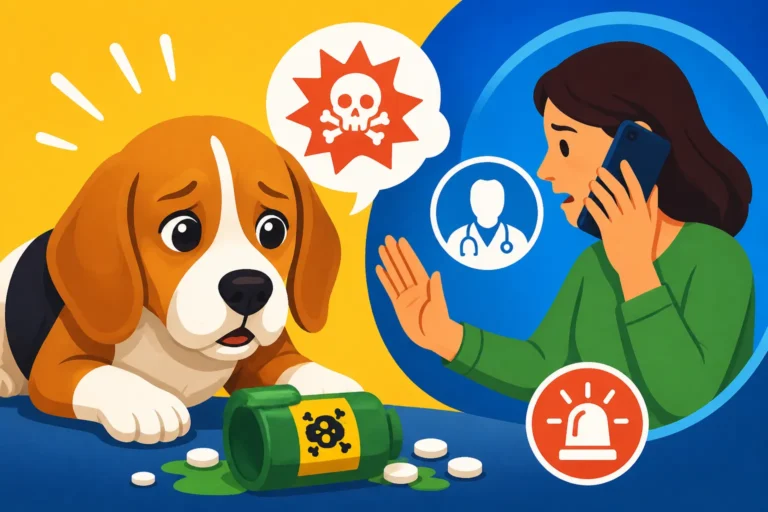
Toxic ingestion emergencies in Beagles require immediate identification of the substance, gathering details, and professional veterinary intervention.
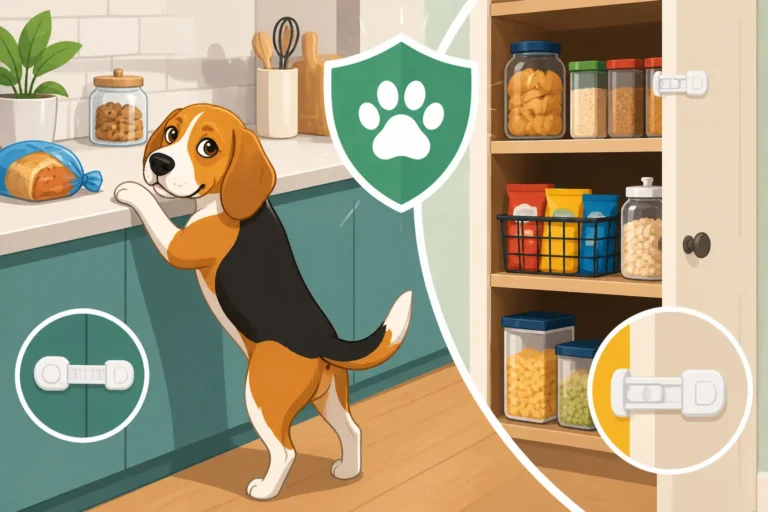
Kitchen and pantry security strategies prevent food raids by scent-driven hounds that possess 220 million scent receptors.

Common garden plants like azaleas, lilies, and daffodils are toxic to Beagles, causing vomiting, weakness, and potential kidney damage.

Dangerous household foods toxic to Beagles, including chocolate and caffeine, explained with scent and scavenging facts.

Senior Beagle appetite changes after age ten include natural slowdowns, twenty four hour food refusals, and dangerous weight loss.

Seizure medication effects on Beagle appetite, digestion, and weight management, explaining increased hunger, weight loss, and stomach upset.

Senior Beagle renal diets and kidney disease management help aging dogs with declining kidney function and waste filtration.

Targeted dietary choices and feeding strategies help manage spinal degeneration and reduce inflammation in senior Beagles.

Senior beagle dental issues require softening dry kibble with warm water or broth so fourteen year old dogs eat comfortably.

Aging eleven-year-old Beagle dietary shifts include managing slower metabolism, weight changes, arthritis, and organ function decline.