Garden Plants a Beagle Should Never Reach
Oh, the joy of a Beagle in the garden! Their tails are wagging, their ears are flopping, and their noses are absolutely glued to the ground, sniffing out every last tantalizing scent. It’s a wonderful sight, isn't it? But for us Beagle parents, it also brings a very real, very specific anxiety: what hidden dangers might that incredible nose lead them to? Many common garden plants, some we might not even think twice about, can be seriously toxic to our curious hounds. It’s a constant tightrope walk between letting them indulge their instincts and keeping them safe. This guide is all about helping you navigate that garden minefield, identifying the plants that pose a threat, understanding why your Beagle is uniquely vulnerable, and equipping you with the knowledge to create a safer outdoor space and react quickly if an accident happens.
The Hidden Dangers in Your Green Spaces: Common Toxic Garden Plants for Beagles
Our gardens are places of beauty, relaxation, and for our Beagles, an endless playground of smells. Unfortunately, many popular ornamental and even some vegetable patch plants carry hidden dangers. Knowing which ones are toxic is the first, most crucial step in protecting your furry family member. Even a small nibble of the wrong leaf or flower can lead to serious health issues, so a good scan of your garden is well worth the effort.
The Beautiful but Deadly Blooms
Those gorgeous flowers that brighten your landscape can sometimes be the most dangerous culprits. Their vibrant colors or alluring scents might tempt a curious Beagle, especially a puppy still exploring the world with its mouth. It’s not just the petals; often, the leaves, stems, or even the hidden bulbs are the most concentrated source of toxins.
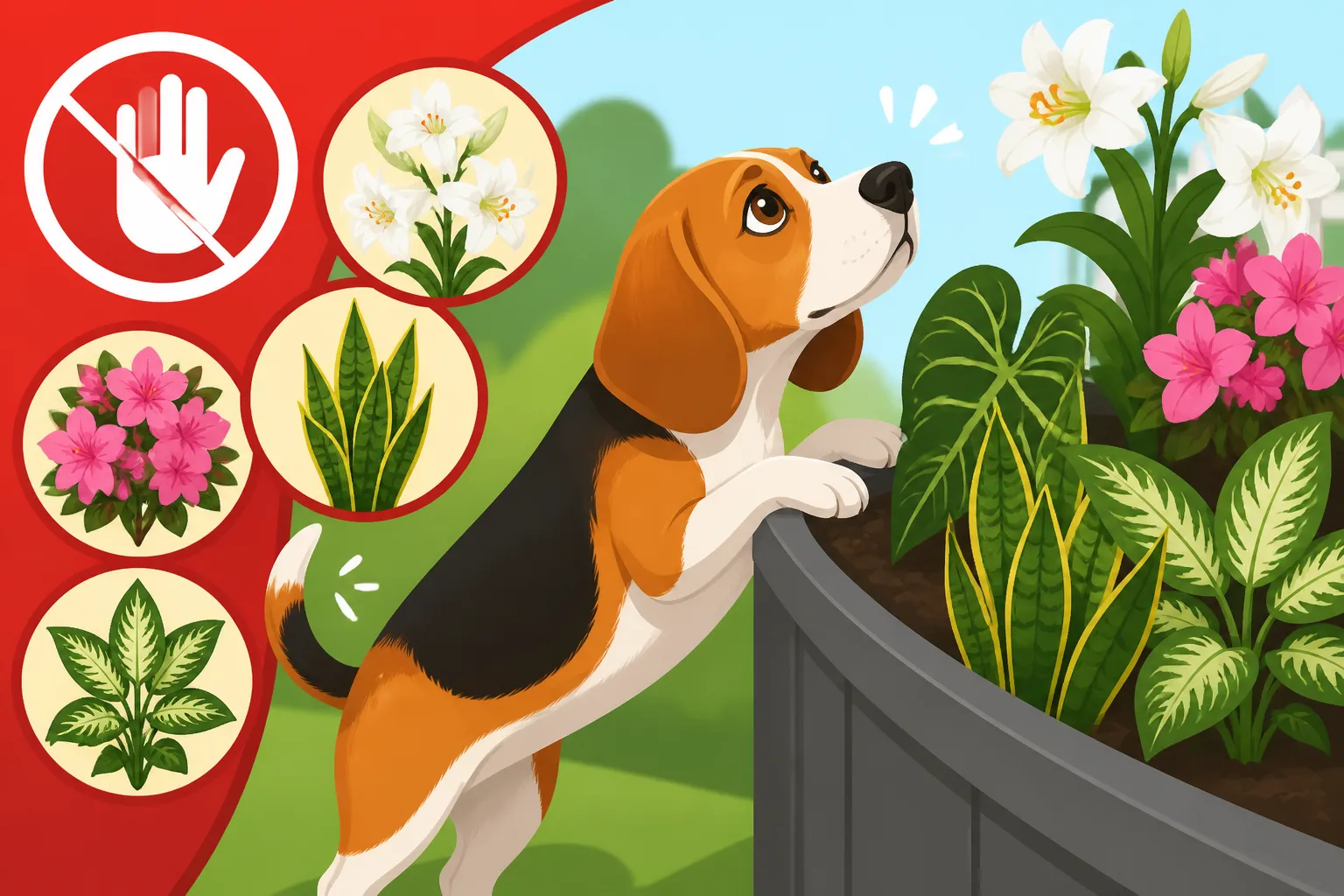
Take Azaleas and Rhododendrons, for example. They're stunning when in bloom, offering a riot of color, but every single part of these plants – the leaves, flowers, nectar, and stems – contains grayanotoxins. Even a small amount ingested can cause severe gastrointestinal upset, weakness, drooling, tremors, and in worst-case scenarios, cardiovascular collapse and even death. It’s one of those plants where even a few leaves are enough to warrant immediate concern. Similarly, many types of Lilies, while perhaps more commonly known for their extreme toxicity to cats, are also problematic for dogs, potentially causing gastrointestinal distress, lethargy, and in some species, even kidney damage. It’s always best to err on the side of caution with any plant from the lily family.
Spring bulbs like Daffodils, Tulips, and Hyacinths are another common hazard. While the flowers themselves aren't usually the biggest concern, the bulbs are highly concentrated with toxic compounds. Beagles, with their natural digging instinct and powerful noses, can easily unearth these bulbs while "helping" you in the garden or simply following an interesting scent. Ingesting these can lead to intense vomiting, diarrhea, abdominal pain, and even cardiac abnormalities in severe cases. The bright, inviting flowers also pose a risk if chewed. Then there are plants like Foxglove and Oleander, which are extremely dangerous due to the cardiac glycosides they contain. Even a tiny piece can interfere with heart function, leading to severe illness, heart rhythm disturbances, and can be fatal very quickly. These aren't just plants to avoid; they're plants you should seriously consider removing if they're within a Beagle's reach.
Shrubs and Trees with Troublesome Traits
It’s not just the low-lying flowers that present a risk. Larger garden inhabitants like shrubs and trees can also harbor toxins. Their leaves can fall, their berries can drop, and their bark can be irresistible to a chewing dog, especially during teething phases. You might not think of a tree as a danger, but the parts that fall to the ground are well within a Beagle's investigative range.
The Yew shrub or tree is one of the most notoriously toxic plants. Every part of it – the needles, bark, and especially the bright red berries (except for the fleshy part of the berry, but the seed inside is still deadly) – contains taxines, which are highly poisonous. Ingesting yew can cause gastrointestinal irritation, muscle tremors, seizures, difficulty breathing, and rapid heart failure. What makes it particularly frightening is that symptoms can progress very quickly, sometimes leading to sudden death with little warning. It’s a plant that needs to be completely off-limits to any dog. Another significant threat is the Sago Palm, a popular choice in warmer climates or as a houseplant. All parts of the Sago Palm are extremely toxic, but the seeds (or "nuts") contain the highest concentration of cycasin, which can cause severe liver failure, vomiting, diarrhea, depression, and seizures. Even a small amount can be fatal, making it another plant best avoided entirely in a home with a Beagle.
Lastly, plants like Castor Bean are incredibly dangerous. While perhaps less common in ornamental gardens, they are sometimes grown for their striking appearance. The seeds contain ricin, one of the most potent plant toxins known. Ingestion can lead to severe abdominal pain, vomiting, bloody diarrhea, dehydration, and a range of other systemic issues, often leading to death. Even a small number of seeds can be lethal. If you have any doubt about a plant in your garden, a quick online search or a call to your local nursery or vet can help you identify it and confirm its toxicity.
Everyday Garden Edibles and Weeds to Watch Out For
Sometimes the dangers aren't exotic or rare, but hiding in plain sight in our vegetable patches or popping up as common weeds. Our Beagles don't differentiate between a carefully cultivated crop and a wild weed; if it smells interesting, it's fair game. This means we have to be vigilant even about things we might grow for ourselves.
Consider Rhubarb. We love its tart stalks for pies and crumbles, but its leaves are highly toxic due to oxalic acid, which can cause oral irritation, excessive drooling, vomiting, diarrhea, and in severe cases, kidney damage. If you grow rhubarb, ensure the leaves are completely inaccessible or dispose of them carefully after harvesting. Similarly, while we enjoy ripe tomatoes, the green parts of Tomato Plants – the leaves, stems, and unripe fruit – contain solanine, a glycoalkaloid that can cause gastrointestinal upset, lethargy, and weakness. As tomatoes ripen, the solanine concentration decreases, but the green parts always pose a risk.
Then there are common culinary plants like Onions and Garlic. While fantastic for our cooking, all parts of these Allium species (which include chives and leeks) are toxic to dogs, whether raw, cooked, or powdered. They contain compounds that can cause oxidative damage to red blood cells, leading to hemolytic anemia. Even garden varieties that might sprout unexpectedly can be a danger. Beagles, with their indiscriminate eating habits, might easily scarf down an onion bulb they unearth or munch on chive shoots. What a Beagle Should Never Be Allowed to Eat is a longer list than you might imagine, and garden Allium are definitely on it. Even seemingly innocuous things like fallen Acorns from oak trees can be problematic. They contain tannins, which can cause gastrointestinal upset and, in larger quantities, kidney damage. Many Beagles love to crunch on acorns, so if you have oak trees, regular yard clean-up is essential.
Finally, while not a traditional "garden plant" for everyone, Marijuana is increasingly found in home gardens. All parts of the cannabis plant contain tetrahydrocannabinol (THC), which is toxic to dogs. Ingestion can lead to symptoms ranging from lethargy, uncoordinated movements, and urinary incontinence to sensitivity to sound and light, and even seizures. As more states legalize its cultivation, the risk of accidental ingestion by curious pets rises significantly. It's vital to remember that just because a plant is legal for humans doesn't mean it's safe for your Beagle.
Why Your Beagle's Nose Puts Them at Greater Risk
You've probably heard it a million times: "A Beagle lives for its nose!" It's true, and it's what makes them such delightful, determined companions. But this incredible trait, combined with some other deeply ingrained Beagle characteristics, also means they're uniquely predisposed to finding – and sampling – things in the garden that could be harmful. It's not stubbornness; it's simply who they are.
The Unstoppable Scent Drive
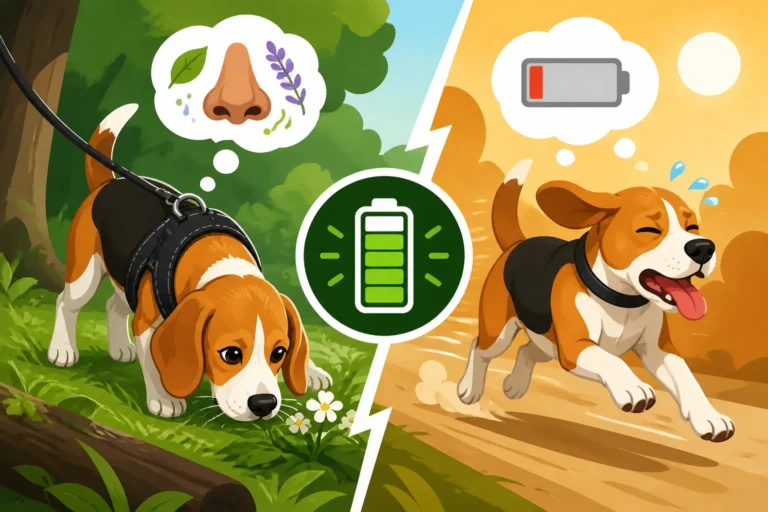
Let's face it, a Beagle's nose isn't just a nose; it's a super-powered, scent-detecting marvel. With an estimated 220 million olfactory receptors, compared to our mere 5 million, their world is primarily defined by smell. When they're in the garden, they're not just seeing the pretty flowers; they're decoding an intricate tapestry of scents – from the subtle aroma of roots underground to the decaying leaves and the faint lingering scent of a rabbit that passed by hours ago. Why a Beagle Nose Beats Ours Ten Thousand Times Over isn't an exaggeration; it's a scientific fact.
This insatiable drive to follow every intriguing odor means that a Beagle won't just walk past a patch of interesting plants; they'll walk into it, and then likely proceed to investigate every single stem, leaf, and bit of soil with intense focus. We often joke about Beagles being "nose-down," but it's no joke when that nose leads them directly to trouble. A plant that might not attract a less scent-driven breed could be a five-star dining experience for a Beagle's nostrils, compelling them to sniff, lick, and potentially taste. Why a Beagle Walks With Its Nose to the Ground is because that's where all the good information is. This deep absorption in a scent trail means they might be completely oblivious to your calls or warnings, making it even harder to redirect them from a tempting but toxic plant.
The Scavenger's Instinct and Food Drive
Beyond their incredible noses, Beagles possess a powerful scavenger's instinct and an almost legendary food drive. If it smells like it might be edible, or even just interesting, they're likely to try it. This isn't a sign of poor training; it's a fundamental part of their genetic makeup, honed over centuries of being bred to find and follow game. For a Beagle, the garden isn't just a place to romp; it's another potential buffet.
Think about how challenging it can be to keep them from counter surfing or raiding the trash. The Beagle Food Drive That Empties Your Counters is a common anecdote for a reason! That same relentless pursuit of anything potentially palatable extends to the great outdoors. Dropped berries, fallen leaves, interesting-looking seeds, or even freshly tilled soil with tempting root fragments – it all looks like a potential snack to a Beagle. They’re opportunists, and if they can get their mouths on something, they probably will. This instinct is why even discarded plant trimmings or pruned branches can be dangerous if left where your Beagle can reach them. They might not be intentionally seeking out poison; they’re just being a Beagle. This unfortunately leads to scenarios where A Beagle Vomiting After Eating Something Outside becomes a reality for many owners.
Puppy Curiosity and Teething Troubles
Puppies, regardless of breed, are notorious for exploring their world with their mouths. Everything is a toy, everything is a taste test, and everything goes into the mouth. For a Beagle puppy, with their already heightened sense of smell and inherent curiosity, this oral exploration is amplified. During their teething phase, the urge to chew becomes even stronger, and anything from a chair leg to a garden shrub can become a temporary chew toy.
Beagle Puppy Teething and Hard Mouthing is a phase every puppy owner understands, and it makes young Beagles particularly vulnerable to nibbling on leaves, stems, or flowers in the garden. They don't yet have the discernment of an adult dog, nor do they fully understand what "leave it" means for every single object in their environment. This combination of intense curiosity, oral exploration, and the discomfort of teething means that a Beagle puppy is often at the highest risk for accidentally ingesting toxic plant material. Establishing strong "leave it" and "drop it" commands from an early age is crucial, especially when it comes to tempting outdoor finds. Beagle Leave It Training With Real Food Down is one of the most important things you can teach them, as it can literally save their lives.
Cultivating a Safe Haven: Preventative Measures and Garden Safety
The thought of our beloved Beagles getting into something dangerous in the garden is enough to keep any of us up at night. But there are very real, actionable steps we can take to minimize those risks and create a much safer outdoor environment. It’s about being proactive, understanding their motivations, and sometimes, making tough choices about our landscaping.
Assessing and Modifying Your Existing Garden
The first step is to become a garden detective. Walk through your entire yard with a critical eye, as if you were a Beagle. Get down low, sniff around (metaphorically!), and identify every plant. Don't just admire the blooms; think about which parts might fall, which bulbs might be dug up, or which leaves are at nose-level. Create a list of all your plants and then cross-reference them with reliable lists of toxic plants for dogs (your vet's office often has pamphlets, or trusted veterinary websites).
Once you've identified the toxic culprits, you have a few options. The safest, though sometimes emotionally hardest, option is to remove highly toxic plants entirely. For instance, if you have Sago Palms or Yews, seriously consider taking them out. If complete removal isn't feasible or desired, then creating physical barriers is paramount. Think about sturdy fencing around specific flower beds or vegetable patches. This isn't just a decorative fence; it needs to be robust enough to withstand a determined Beagle's push or lean, and potentially high enough to deter jumping. For smaller plants, raised garden beds can help, but remember that a motivated Beagle can still manage to jump into or dig around them if the scent is strong enough. You can find various types of temporary fencing or materials for building raised beds on marketplaces like Amazon, making it easier to implement these changes without a huge renovation project. The goal is to make the toxic plants completely inaccessible, not just somewhat inconvenient.
Choosing Pet-Safe Replacements
Once you know which plants are problematic, you can begin the fun task of choosing pet-safe alternatives. There are so many beautiful, non-toxic plants that can bring joy to your garden without risking your Beagle's health. Instead of lilies, consider planting vibrant petunias or cheerful snapdragons. Sunflowers offer dramatic height and beauty without the toxicity of something like foxglove. Herbs like basil, rosemary, and thyme are generally safe and can even add pleasant aromas to your garden (though your Beagle might try to nibble them!).
Always, always research plants before you bring them home from the nursery. Don't rely solely on a "pet-friendly" tag, as definitions can vary. A quick search for "non-toxic plants for dogs" or "dog-friendly garden plants" will yield extensive lists. When shopping, ask nursery staff if they have specific knowledge of pet safety, but always double-check. You want to create a garden where, if an accidental nibble happens, it's a minor inconvenience, not a major emergency. You can even find specific products and guides for pet-safe gardening on pet-focused retail sites like Chewy, which often highlight plants or garden accessories designed with animal safety in mind.
Training, Supervision, and Deterrents
Even with a completely pet-safe garden, training and supervision are your best allies. Consistent training of "Leave It" and "Drop It" commands is absolutely vital for a Beagle. These aren't just parlor tricks; they are life-saving cues. Practice them regularly, both indoors and outdoors, using high-value treats to ensure your Beagle understands their importance. Remember, Beagle Leave It Training With Real Food Down is the ultimate test and a skill worth investing in.
When your Beagle is in the garden, especially if it's not entirely Beagle-proofed, supervision is key. Keep them on a leash or a long line for controlled sniffing walks. Sniffing Walks and Why They Tire a Beagle Out are fantastic for their mental stimulation, but you need to be in control to steer them away from anything questionable. For areas that are difficult to fence, you might consider natural or commercial deterrents. Some dogs are put off by certain scents (though Beagles are often too determined for this), or you can find motion-activated sprays that emit a harmless burst of air or water to deter them from specific zones. Just make sure any commercial product is specifically labeled as pet-safe. Finally, good garden hygiene is crucial: promptly remove any fallen berries, fruits, or leaves from toxic plants. Secure compost piles, as decaying organic matter can also be dangerous if ingested. And ensure your Beagle is well-fed with a nutritious diet; a dog whose nutritional needs are met, perhaps with a high-quality fresh food like Ollie, might be less inclined to scavenge random things from the ground in search of sustenance.
When Accidents Happen: Emergency Response for Ingested Plants
Despite our best efforts, accidents can still happen. A Beagle's nose is powerful, their curiosity is boundless, and sometimes, a split second is all it takes for them to ingest something they shouldn't. Knowing how to react quickly and effectively can make all the difference in the outcome. Panic is a natural reaction, but swift, informed action is what truly helps your dog.
Identifying Symptoms and Acting Quickly
The first step is to be aware of the signs that your Beagle may have ingested something toxic. Symptoms can vary greatly depending on the plant and the amount consumed, but common indicators include sudden onset of vomiting, diarrhea, excessive drooling, lethargy, loss of appetite, weakness, abdominal pain, tremors, or difficulty breathing. Some plant toxins can also cause skin irritation or mouth sores. If you suspect your Beagle has eaten a toxic plant, even if you’re not seeing severe symptoms yet, do not wait. The speed with which you act can dramatically impact your Beagle's prognosis. Beagle Emergency Signs That Cannot Wait Until Morning include any sudden and severe change in behavior or physical condition.
Observe your Beagle closely. Did you see them chew on a specific plant? Are there tell-tale plant bits around their mouth or on the ground? Try to identify the plant involved. A quick photo of the plant on your phone can be incredibly helpful for your veterinarian. Even if you're not entirely sure what they ate, but they're showing signs of distress, it's always better to overreact than to wait and regret it. Some toxins act very quickly, and waiting for symptoms to worsen can mean the difference between a full recovery and a much more serious outcome.
First Steps at Home and Contacting Your Vet
If you catch your Beagle in the act of eating a toxic plant, immediately remove any remaining plant material from their mouth. Be careful not to get bitten in your haste. If they've already swallowed it, collect a sample of the plant if possible – a leaf, a piece of stem, a berry, or even a good clear photo. This will help your veterinarian identify the specific toxin and guide treatment. Then, call your veterinarian immediately. Do not hesitate. This is not a situation for "watch and wait." If it's outside regular clinic hours, contact your nearest emergency veterinary hospital.
When you call, be prepared to provide as much information as possible: what plant you suspect they ate, how much they might have consumed, when they ate it, and any symptoms you are currently observing. Resist the urge to induce vomiting yourself unless specifically instructed to do so by a veterinary professional. While inducing vomiting can sometimes be helpful, for certain toxins (like corrosive ones) or in specific situations, it can actually cause more harm coming back up. Your vet will advise you on the best course of action based on the specific plant and your Beagle's condition. What to Do When a Beagle Eats Something Toxic is a critical piece of knowledge, and step one is always to call for professional guidance.
What to Expect at the Vet
When you arrive at the veterinary clinic, the staff will likely jump into action to assess your Beagle. They will perform a thorough physical examination, checking vital signs, looking for oral irritation, and listening to heart and lung sounds. Depending on the suspected plant and symptoms, diagnostic tests may be recommended, such as blood work to assess organ function (especially liver and kidney), or imaging like X-rays or ultrasound if something was swallowed whole.
Treatment will be tailored to the specific toxin and your Beagle's condition. If the ingestion was recent and appropriate, your vet may induce vomiting to remove the plant material from the stomach. This might be followed by administering activated charcoal, which helps to absorb toxins in the gastrointestinal tract, preventing them from entering the bloodstream. Intravenous fluids are often given to help flush toxins from the system, support organ function, and prevent dehydration, especially if there has been significant vomiting or diarrhea. Depending on the plant, specific antidotes or supportive medications might be used to manage symptoms like tremors, seizures, or cardiac issues. Your Beagle might need to stay at the clinic for monitoring, sometimes for several hours or even overnight, to ensure they stabilize and respond to treatment. Be prepared for potentially significant costs associated with emergency care; Emergency Vet Costs Every Beagle Owner Should Expect can be a harsh reality in these situations, which is why preventative measures are so important.
Toxic Garden Plants for Beagles: A Quick Reference Guide
This table provides a summary of common toxic garden plants, their most dangerous parts, and potential symptoms. Remember, this is not an exhaustive list, and any suspected ingestion warrants an immediate call to your veterinarian.
| Plant Name | Toxic Part(s) | Common Symptoms After Ingestion | Severity |
|---|---|---|---|
| Azalea / Rhododendron | All parts | Vomiting, diarrhea, drooling, weakness, tremors, cardiac failure | High |
| Lilies (True Lilies) | All parts (leaves, flowers, pollen) | Vomiting, lethargy, anorexia, kidney failure (especially severe for cats, but problematic for dogs) | Moderate to High |
| Daffodil / Tulip / Hyacinth | Bulbs (most toxic) | Vomiting, diarrhea, abdominal pain, cardiac arrhythmias, low blood pressure | Moderate to High |
| Sago Palm | All parts (especially seeds/nuts) | Vomiting, diarrhea, lethargy, seizures, liver failure, death | Extremely High |
| Yew | All parts (needles, bark, seeds) | Tremors, difficulty breathing, cardiac failure, sudden death | Extremely High |
| Foxglove | All parts | Cardiac arrhythmias, weakness, collapse, death | Extremely High |
| Rhubarb | Leaves | Oral irritation, drooling, vomiting, diarrhea, tremors, kidney damage | Moderate to High |
| Onion / Garlic | All parts (raw, cooked, powdered) | Vomiting, diarrhea, lethargy, red blood cell damage (anemia) | Moderate to High |
| Marijuana | All parts | Lethargy, uncoordinated movements, urinary incontinence, sensitivity, seizures | Moderate to High |
| Acorns | All parts (especially unripe) | Vomiting, diarrhea, abdominal pain, kidney damage | Moderate |
Disclaimer
This article is for general informational purposes only and does not constitute professional advice. Laws, prices and regulations vary by location and change over time. Consult a qualified professional for guidance on your specific situation.