Beagle Emergency Signs That Cannot Wait Until Morning
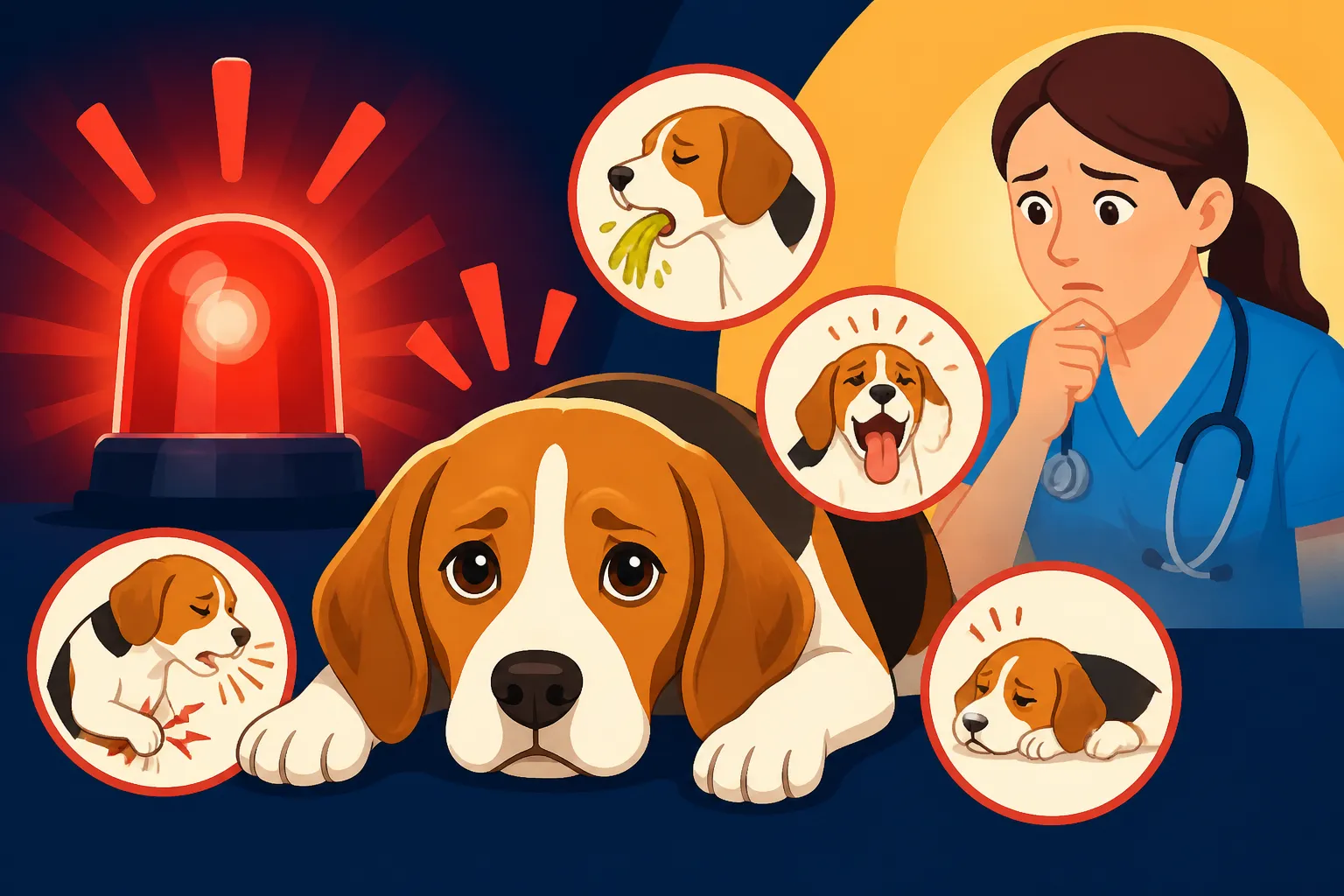
That sinking feeling when your beloved Beagle, usually a whirlwind of scent-driven energy, suddenly seems off – it’s a fear every dog parent knows. We've all been there, wondering if that cough is just a cough, or if the sudden limp warrants an immediate, middle-of-the-night dash to the emergency vet. It's incredibly stressful to discern what truly constitutes a crisis and what can realistically wait until your regular veterinarian's office opens. This guide is here to help you recognize those crucial emergency signs in your Beagle that absolutely cannot wait, ensuring you're prepared to act quickly when every second counts.
Recognizing Critical Breathing Difficulties in Beagles
One of the most terrifying situations is when your Beagle struggles to breathe. It’s an immediate red flag, signaling a potentially life-threatening condition that requires urgent veterinary intervention. Don't ever hesitate if you notice a significant change in their breathing patterns.
What Distressed Breathing Looks Like
Normal Beagle breathing is usually quiet and effortless, about 15-30 breaths per minute when resting. If you see their breathing become labored, or hear unusual noises, pay close attention. Signs of distress can include rapid, shallow breaths (tachypnea), or slow, deep breaths, which might seem contradictory but both indicate a problem. You might also notice their nostrils flaring with each inhale, or their chest and abdomen working excessively hard. Another classic sign is an "abdominal push," where their belly muscles visibly strain to push air out. Their elbows might be splayed out from their body, and they might extend their neck and head forward, trying to open their airway as much as possible. Pale or bluish gums and tongue (cyanosis) are a dire sign of oxygen deprivation and mean you need to get to an emergency clinic immediately. Sometimes, you might hear wheezing, crackling, or gasping sounds, or even a deep, persistent cough that just won't clear.
Common Causes of Respiratory Distress
There’s a wide range of issues that can suddenly impact your Beagle's ability to breathe. Heart conditions are a common culprit; a Beagle with undiagnosed or poorly managed heart disease, such as certain forms of Beagle Heart Disease and Murmurs, can develop fluid in their lungs (pulmonary edema), making it incredibly hard to breathe. This often presents as coughing, especially at night, and increased respiratory effort.
Respiratory infections, like pneumonia or kennel cough, can also quickly escalate, particularly in older Beagles or those with compromised immune systems. An allergic reaction to an insect sting or a new food can cause swelling in the airways, making breathing difficult. Trauma, such as being hit by a car, can lead to collapsed lungs or internal bleeding that impairs lung function. Foreign objects lodged in the throat or windpipe are another serious concern – perhaps your Beagle sniffed out and swallowed something they shouldn't have while on a walk, which Beagles are notoriously prone to do. Even something as simple as extreme heat can lead to panting that progresses to true respiratory distress if not addressed, quickly escalating to heatstroke.
Addressing Sudden Weakness, Collapse, or Incoordination
When your Beagle, typically a bouncy, indefatigable companion, suddenly can't stand, walks like they're drunk, or completely collapses, it’s a terrifying moment. These are clear indicators that something significant is happening internally and time is of the essence.
When Your Beagle Can't Stand Up
Imagine your Beagle, usually eager to greet you, now unable to rise from a lying position, or collapsing after only a few steps. This sudden, profound weakness or paralysis in one or more limbs is a serious emergency. It's not just a minor limp; it's a complete loss of function. They might drag their back legs, knuckle over on their paws, or refuse to bear weight at all. This can be localized to a limb, or it can be generalized, affecting their whole body. Pain is often a contributing factor here, especially if it's a spinal issue. A Beagle that suddenly will not jump on the couch or climb stairs, or holds its head low, could be experiencing significant neck or back pain related to conditions like Beagle Disc Disease and That Slightly Long Back. In some cases, you might notice twitching or muscle tremors accompanying the weakness, which can point to metabolic imbalances or even toxic exposure.
Signs of Neurological Emergencies
Beyond simple weakness, neurological emergencies can manifest as a variety of alarming symptoms. Seizures are perhaps the most recognized, where a Beagle might fall to its side, paddle its legs, drool excessively, and lose consciousness. If you're unsure what this looks like, familiarize yourself with What a Beagle Seizure Actually Looks Like. While isolated seizures can sometimes be managed at home under veterinary guidance, cluster seizures (multiple seizures within a 24-hour period) or prolonged seizures (lasting more than 5 minutes) are immediate emergencies. If your Beagle is having a seizure, knowing What to Do While a Beagle Is Seizing is crucial.
Other neurological signs include disorientation, head tilting, circling in one direction, or a sudden change in mental state like extreme lethargy or unresponsiveness. Some Beagles might develop nystagmus (involuntary eye movements) or sudden blindness. These can indicate issues like brain inflammation, strokes, tumors, or severe inner ear infections impacting balance. Beagle Epilepsy and Seizures From Six Months On is a condition Beagles are prone to, and while often managed, the initial diagnosis or an unusual cluster can be an emergency.
Understanding the Causes
The causes for sudden weakness, collapse, or neurological symptoms are varied and often severe. Spinal cord injuries, often seen in breeds with longer backs like Beagles, are a major concern. Intervertebral Disc Disease (IVDD) can cause excruciating pain and paralysis, requiring immediate veterinary attention and potentially emergency surgery. Trauma, such as a fall or impact, can also damage the spine or brain.
Metabolic crises, like severe low blood sugar (hypoglycemia) especially in diabetic Beagles, or electrolyte imbalances, can lead to profound weakness and collapse. Internal bleeding, perhaps from a ruptured tumor or trauma, can cause a sudden drop in blood pressure and subsequent collapse. Severe infections, particularly those that spread to the bloodstream (sepsis), can also cause systemic weakness. Toxins are another huge risk for our sniff-happy Beagles; ingesting certain plants, medications, or chemicals can have rapid and devastating neurological effects.
Severe Gastrointestinal Distress Requiring Immediate Attention
Beagles are renowned for their insatiable appetites and willingness to eat anything they can get their nose on. While a mild upset stomach might just need a bland diet and monitoring, certain gastrointestinal symptoms demand an immediate trip to the emergency clinic.
Unstoppable Vomiting and Diarrhea
If your Beagle is vomiting repeatedly (more than three or four times in an hour or two), or has continuous, profuse diarrhea, especially if it contains blood or is black and tarry, it's an emergency. This rapid fluid loss can quickly lead to severe dehydration and electrolyte imbalances, which can be life-threatening if not addressed swiftly. While a single episode of Beagle Vomiting After Eating Something Outside might be a one-off, incessant vomiting often signals something far more serious. Accompanying symptoms like lethargy, weakness, or abdominal pain intensify the urgency.
Bloating and Abdominal Pain
A distended, hard abdomen, often accompanied by unproductive retching (trying to vomit but nothing comes up), restlessness, and pain when you gently press on their belly, is a critical emergency. This constellation of signs is highly suggestive of Gastric Dilatation-Volvulus (GDV), commonly known as "bloat." Bloat is a condition where the stomach fills with gas and twists, trapping the gas and cutting off blood supply. It can be fatal within hours if not treated with immediate emergency surgery. Beagles, while not as high-risk as deep-chested breeds, can still suffer from bloat, so always be vigilant. Another cause of severe abdominal pain could be pancreatitis, severe constipation, or even an internal mass.
Ingestion of Toxins or Foreign Objects
This is where the Beagle's nose and stomach can truly get them into trouble. If you suspect your Beagle has ingested something toxic—be it chocolate, antifreeze, certain medications, specific houseplants, or rodenticides—you need to act immediately. Don't wait for symptoms to appear; often, by then, significant damage may have already occurred. Knowing The Foods That Are Toxic to a Beagle can help prevent these emergencies, but accidents happen. The same urgency applies if your Beagle has swallowed a foreign object, like a toy, a sock, or even part of a chew bone, especially if it's causing them to choke, gag, or show signs of discomfort or obstruction. For larger, non-toxic items, while not always an immediate emergency, it often progresses to one requiring Surgery After a Beagle Swallows Something Outside if it causes a blockage.
When dealing with a potential toxin ingestion or foreign object, time is absolutely critical. Do not try to induce vomiting at home unless specifically instructed by a veterinarian, as some toxins can cause more harm coming back up, and some objects can get lodged further.
Other Urgent Signs Not to Ignore
Beyond the major categories, several other signs indicate an immediate veterinary emergency. These might seem less common, but they are equally serious.
Uncontrolled Bleeding
Any significant, uncontrolled bleeding is a clear emergency. This could be from a deep wound, a laceration that won't stop oozing, or bleeding from body orifices like the nose, mouth, rectum, or vagina. If you see blood in their urine or stool (beyond a tiny streak), or if your Beagle is coughing up blood, it's time to go. Even seemingly minor external bleeding can be problematic if it's profuse or if your Beagle has a clotting disorder like Factor VII Deficiency in Beagles. Apply firm, direct pressure to external wounds with a clean cloth while en route to the vet.
Sudden Eye Issues
Beagles are prone to a few eye conditions, but sudden changes in their eyes can indicate an emergency. If one of your Beagle's eyes suddenly bulges, becomes severely red and painful, or if they are squinting uncontrollably and can’t open it, seek immediate help. A sudden cloudiness, discharge, or apparent loss of vision is also an emergency. Conditions like acute glaucoma, where pressure inside the eye rapidly increases, can cause irreversible blindness within hours if not treated. Keep an eye out for signs like a cloudy or blue appearance to the cornea, or a dilated pupil that doesn't react to light. This is distinct from less urgent conditions like Beagle Cherry Eye and the Surgery That Fixes It, which, while requiring surgery, isn't usually a middle-of-the-night emergency unless it's accompanied by severe pain or other distress.
Heatstroke Symptoms
Beagles, with their short coats, might seem less susceptible to heatstroke than long-haired breeds, but their enthusiastic nature and desire to follow a scent can put them at risk, especially on hot, humid days. Initial signs of heat stress include excessive panting, drooling, restlessness, and bright red gums. If these progress to weakness, staggering, collapse, vomiting, diarrhea, or seizures, your Beagle is in severe heatstroke, which is a life-threatening emergency. Rapid cooling is essential, but it must be done carefully to avoid hypothermia. Get them into a cool environment, apply cool (not icy) water to their body, especially their belly and armpits, and get to an emergency vet immediately.
What to Do When an Emergency Strikes
In any of these emergency situations, the first and most critical step is to remain calm, as difficult as that may be. Panicking will only hinder your ability to think clearly and act efficiently.
- Contact Your Vet or Emergency Clinic Immediately: Call ahead to inform them of your arrival and your Beagle's symptoms. This allows them to prepare for your arrival and potentially offer first-aid advice over the phone. Have the number for your closest 24-hour emergency veterinary clinic readily available.
- Transport Safely: If possible, have someone drive while you tend to your Beagle. Use a crate if your dog is small enough, or a sturdy blanket to move larger Beagles, especially if they are in pain or unable to move themselves. Be mindful of their injuries – a spinal injury requires careful, minimal movement.
- Basic First Aid (if applicable): For bleeding, apply firm pressure. For heatstroke, begin gentle cooling. But for most other emergencies, the best "first aid" is getting to professional help as quickly as possible. Avoid giving any medications or food/water unless specifically instructed by a vet.
Knowing what constitutes an emergency and having a plan in place can make all the difference. While the financial aspect of emergency care can be daunting, having pet insurance from providers like Healthy Paws can provide immense peace of mind, allowing you to focus on your Beagle's health rather than the bill. Many owners budget for Beagle Emergency Vet Costs Every Beagle Owner Should Expect through such plans.
Emergency Signs and Immediate Actions
Here's a quick summary to help you identify and react to the most critical situations:
| Emergency Sign | What to Look For | Immediate Action |
|---|---|---|
| Breathing Difficulties | Labored breathing, gasping, wheezing, splayed elbows, bluish gums/tongue, excessive abdominal effort | Immediate Vet Visit. Keep calm, keep airways clear, transport carefully. |
| Collapse/Severe Weakness | Inability to stand, sudden paralysis, severe incoordination, uncontrollable tremors. | Immediate Vet Visit. Support their body carefully, minimize movement, especially if spinal injury is suspected. |
| Repeated Vomiting/Diarrhea | Multiple episodes of vomiting/diarrhea (especially bloody/tarry), lethargy, weakness, signs of dehydration. | Immediate Vet Visit. Prevent further ingestion of food/water unless advised by vet. |
| Bloating/Abdominal Pain | Distended, hard abdomen, unproductive retching, restlessness, pain when touched, panting. | Immediate Vet Visit (Bloat is critical). Do not delay. |
| Toxin Ingestion | Witnessed ingestion of poison/medication, or sudden neurological/GI signs after suspected ingestion. | Immediate Vet Visit. Bring packaging/sample of suspected toxin if safe to do so. |
| Uncontrolled Bleeding | Profuse external bleeding, blood from orifices, coughing up blood, blood in urine/stool (significant amount). | Immediate Vet Visit. Apply direct pressure to external wounds. |
| Sudden Eye Issues | Bulging eye, severe redness/pain, sudden squinting, cloudiness, vision loss, dilated pupil not reacting to light. | Immediate Vet Visit. Do not try to medicate the eye without vet instruction. |
| Heatstroke | Excessive panting, drooling, bright red gums, staggering, collapse, vomiting, seizures in hot conditions. | Immediate Vet Visit. Begin gentle cooling with cool water (not icy), move to a cool place. |
| Prolonged/Cluster Seizures | Seizure lasting >5 minutes, or multiple seizures in a 24-hour period. | Immediate Vet Visit. Protect them from injury during the seizure; once over, transport immediately. |
Remember, your intuition as a pet parent is powerful. If something feels seriously wrong, it's always best to err on the side of caution and seek veterinary care. It's far better to have a false alarm than to delay care for a true emergency. Pet insurance, such as a plan from Healthy Paws, can certainly alleviate some financial stress during these trying times, ensuring you can make the best medical decisions without added worry. Thinking ahead about a plan for these scenarios, including how to get your dog to the nearest emergency clinic, can make all the difference for your beloved Beagle.
Disclaimer
The information provided in this article is for general informational purposes only and is not a substitute for professional veterinary medical advice, diagnosis, or treatment. Always seek the advice of your veterinarian or other qualified animal health provider with any questions you may have regarding a medical condition. Never disregard professional veterinary advice or delay in seeking it because of something you have read in this article.