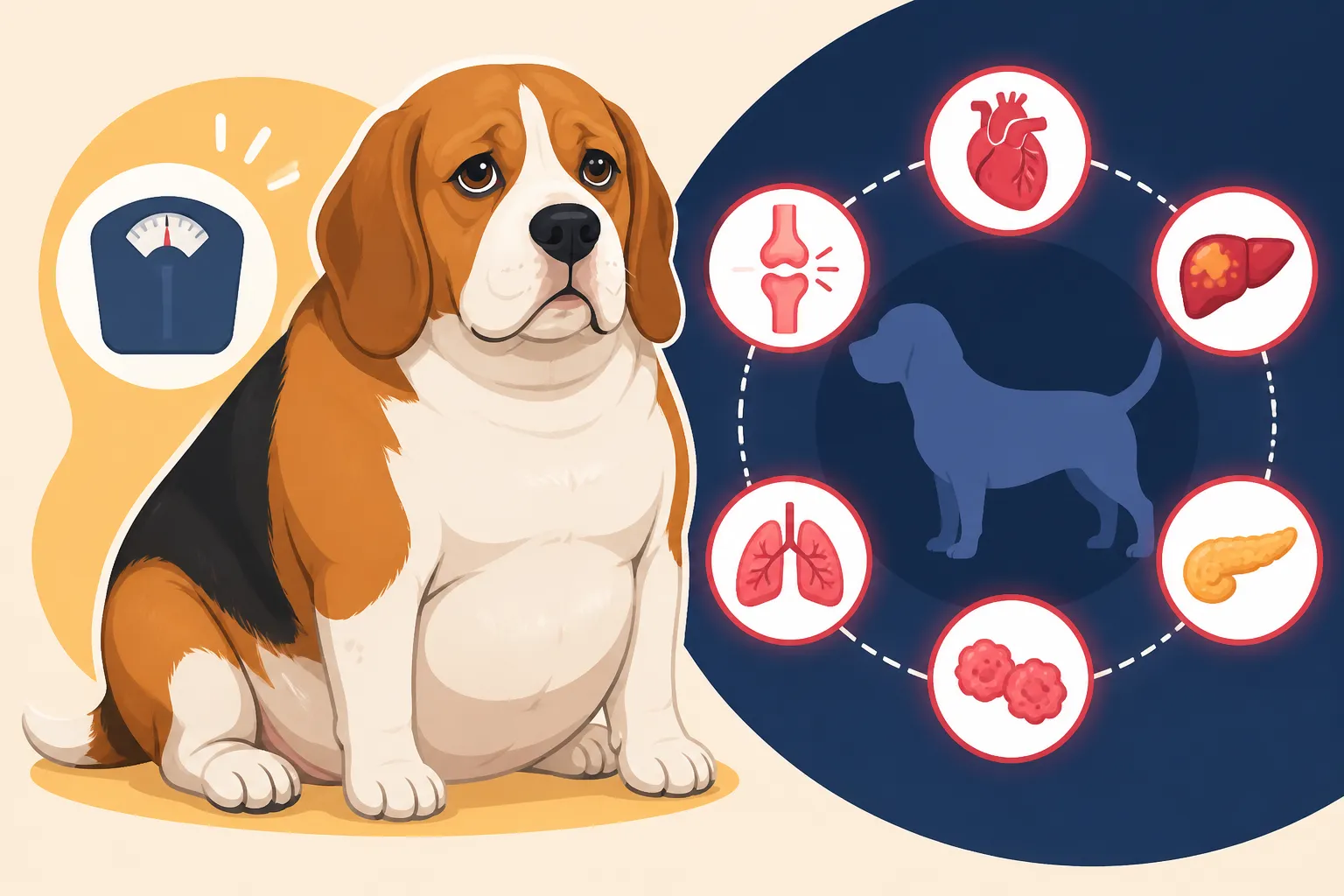
Beagle Obesity and the Diseases It Brings On
It’s an all too common sight: a Beagle with a little extra cushion, a bit of a potbelly, maybe even a wobbly walk. Many of us, myself included, have looked at our Beagles and thought, "Oh, it's just a little extra fluff, it makes them even cuter!" But beneath that adorable exterior, excess weight can be a silent, insidious threat, dramatically shortening your beloved companion's life and making their daily existence far less comfortable. This guide will walk you through the serious diseases that Beagle obesity can trigger, helping you understand the real risks and empowering you to make healthier choices for your hound.
The Insidious Creep of Weight Gain in Beagles
Beagles are, by nature, food-motivated champions. Their incredible noses, bred for tracking scents over miles, are equally adept at sniffing out a dropped crumb under the sofa or a forgotten treat on the counter. This powerful drive, combined with their charming, pleading eyes, makes it incredibly easy for them to become overweight without us even realizing the danger. It’s not just about aesthetics; that extra chub puts immense strain on their small frames and internal systems.
Why Beagles Are So Prone to Weight Gain
Let's be honest, feeding a Beagle that would happily eat all day can be a challenge. They're masters of manipulation when it comes to food. You finish dinner, and there they are, gazing up at you with those soulful brown eyes, as if they haven't been fed in a week. They are scavengers at heart, and their metabolism is efficient, meaning they don't need a huge amount of calories to maintain a healthy weight. Many Beagles are naturally lean and muscular if kept at a healthy weight, but a sedentary lifestyle coupled with unrestricted access to food, or too many treats, quickly tips the scales.
It often starts subtly. A few extra kibbles here, a taste of your dinner there, an extra biscuit because they were "such a good boy." These small indulgences add up. Before you know it, their waistline has vanished, their ribs are no longer easily felt, and that once energetic bounce might be replaced by a more lethargic pace. It's a common frustration for owners who love to spoil their dogs, but understanding their natural predisposition to weight gain is the first step toward combating it. We often underestimate how few calories our Beagles actually need to thrive, especially if they aren't out working a scent trail all day like their ancestors.
Recognizing When Your Beagle Is Overweight
It can be tough to objectively assess your own dog's weight, especially since many dogs we see around us are also overweight, skewing our perception of "normal." The best way to tell if your Beagle is carrying too much weight is to use a combination of visual cues and a hands-on approach. You should be able to easily feel your Beagle's ribs when you run your hands along their sides, much like feeling the back of your hand. You shouldn't see them prominently, but they shouldn't be hidden under a thick layer of fat, either.
Beyond the ribs, look for a distinct waistline when viewed from above, a gentle tuck-up from their ribcage to their hips when viewed from the side. If your Beagle looks more like a sausage or a torpedo, without that discernible waist, it's a strong indicator they're overweight. Another sign is the amount of fat at the base of their tail. If it feels thick and spongy, that's excess fat. A good vet can help you with body condition scoring a Beagle under a thick coat, giving you an objective assessment and a target weight to aim for. Don't be shy about asking your vet for an honest appraisal; it's one of the most important things you can do for your Beagle's long-term health.
Major Health Complications Linked to Beagle Obesity
The consequences of Beagle obesity extend far beyond just looking a bit chunky. Excess weight acts as a catalyst for a host of serious health problems, some of which can be debilitating or even life-threatening. These conditions often require ongoing veterinary care, medication, and can significantly impact your Beagle's quality of life. Thinking about the potential medical bills can be daunting, but having pet insurance from a provider like Healthy Paws can truly alleviate some of that financial stress if a chronic condition emerges.
Joint Problems and Arthritis
One of the most immediate and common issues seen in overweight Beagles is increased strain on their joints. Beagles are already somewhat prone to conditions like hip dysplasia and everyday joint wear as they age, but extra weight exacerbates these problems significantly. Imagine carrying an extra 10-15 pounds all day, every day; it would put incredible stress on your knees and back. It's the same for your Beagle.
Over time, this constant pressure wears down cartilage, inflames joints, and accelerates the development of arthritis. You might notice your Beagle struggling to jump on the couch, being reluctant to go for walks, or showing signs of stiffness, especially after resting. This isn't just discomfort; it's chronic pain. Managing Beagle arthritis arriving in middle age often involves pain medication, anti-inflammatory drugs, and even special joint supplements, which can become a significant part of your monthly budget. In severe cases, it can severely limit their mobility and joy in simple activities.
Diabetes Mellitus
Just like in humans, obesity is a major risk factor for Type 2 diabetes in dogs. When a Beagle carries too much body fat, their cells can become resistant to insulin, the hormone responsible for regulating blood sugar. This leads to high blood sugar levels, a condition known as diabetes mellitus. Symptoms of Beagle diabetes and blood sugar control issues often include increased thirst, frequent urination, unexplained weight loss despite a good appetite, and lethargy.
Diagnosing diabetes requires blood and urine tests, and managing it is a lifelong commitment. Your Beagle will likely need daily insulin injections, a carefully controlled diet, and regular monitoring of their blood sugar levels. This not only requires a significant time commitment from you but also involves substantial ongoing costs for insulin, syringes, special food, and frequent vet visits.
Heart and Respiratory Disease
The cardiovascular system of an overweight Beagle works much harder than it should. The heart has to pump blood to a larger body mass, increasing its workload and potentially leading to high blood pressure and other forms of Beagle heart disease and murmurs. Excess fat around the chest cavity can also restrict lung expansion, making it harder for your Beagle to breathe effectively, especially during exercise or in hot weather. You might notice your Beagle tiring more easily, panting excessively, or having a cough.
These conditions can progress to serious issues like congestive heart failure, where the heart can no longer pump blood efficiently enough to meet the body's needs. The treatments for advanced heart and respiratory diseases are complex and expensive, involving multiple medications, specialized diets, and frequent veterinary check-ups. The quality of life for a Beagle with severe heart or lung issues is often significantly diminished, and it can tragically shorten their lifespan.
Other Significant Health Concerns
Beyond these major issues, obesity in Beagles contributes to a range of other problems:
- Beagle Back Problems and Intervertebral Disc Disease (IVDD): While Beagles have a slightly long back that predisposes them to disc issues, excess weight places additional strain on the spinal column, increasing the risk of painful disc herniations. Even something as simple as a sudden jump off the couch can become catastrophic if their spine is already compromised by weight.
- Liver Disease: Fat can accumulate in the liver, leading to a condition called hepatic lipidosis, which impairs liver function.
- Urinary Tract Issues: Overweight dogs are more prone to bladder stones and urinary tract infections.
- Certain Cancers: Some studies suggest a link between obesity and an increased risk of certain types of cancer, including mammary tumors in females.
- Skin Problems: Excess skin folds can trap moisture, leading to skin infections and irritation, especially under those long Beagle ear infections under those long ears where circulation might be poorer.
- Anesthetic Risk: If your overweight Beagle needs surgery for any reason, the anesthesia risk is significantly higher due to the added strain on their heart and lungs.
This table summarizes some of the common diseases linked to obesity in Beagles:
| Disease / Condition | Impact on Beagle | How Obesity Contributes | Potential Treatment / Management Costs |
|---|---|---|---|
| Arthritis / Joint Disease | Chronic pain, reduced mobility, lameness. | Increased stress on joints, cartilage breakdown. | Pain medications, supplements, physical therapy ($$$). |
| Diabetes Mellitus | Increased thirst/urination, lethargy, vision loss. | Insulin resistance due to excess fat. | Daily insulin, special diet, blood glucose monitoring ($$$$). |
| Heart Disease | Coughing, difficulty breathing, exercise intolerance. | Increased workload on the heart, high blood pressure. | Multiple medications, special diet, regular vet checks ($$$$). |
| Intervertebral Disc Disease | Back pain, weakness, paralysis. | Added strain on spinal discs, accelerated degeneration. | Pain management, crate rest, surgery ($$$$). |
| Respiratory Issues | Panting, shortness of breath, heat intolerance. | Fat deposits restricting lung movement. | Weight loss, medication, oxygen therapy ($$). |
| Certain Cancers | Tumors, organ dysfunction. | Chronic inflammation, hormonal changes linked to obesity. | Surgery, chemotherapy, radiation ($$$$). |
| Reduced Lifespan | Shorter overall life expectancy. | Cumulative effect of all obesity-related health problems. | None (prevention is key). |
The lifetime bill for a Beagle that reaches fifteen can already be substantial, and these chronic conditions only add to that financial burden, often exponentially. This is where comprehensive pet insurance from a reputable provider like Healthy Paws can really make a difference, helping you afford the best possible care without compromising your budget.
Proactive Steps for Prevention and Management
The good news is that Beagle obesity is largely preventable, and if your Beagle is already carrying extra weight, it's often reversible with dedication and the right strategy. Taking control of your Beagle's weight is one of the most loving and impactful things you can do for their long-term health and happiness.
Dietary Changes and Portion Control
This is the cornerstone of weight management for any Beagle. Given their insatiable appetites, free feeding simply won't work. You need to implement strict portion control. Start by consulting your veterinarian to determine the ideal daily calories for a 13-inch against a 15-inch Beagle, as their size and activity level will dictate their needs. Remember, a neutered Beagle needs fewer calories than an intact one.
Once you have a target, measure your Beagle food by weight rather than cups for ultimate accuracy. Divide their daily allowance into two measured meals. If your Beagle inhales their food, consider using slow feeders for a Beagle that inhales food or puzzle feeders to make mealtime last longer and provide mental stimulation. Don't forget treats! They contain calories too. Opt for treats small enough for a hundred Beagle repetitions during training, or use low-calorie vegetables like green beans or baby carrots as healthy snacks. Integrating their daily kibble into training sessions can also help keep them lean while rewarding good behavior.
Increasing Appropriate Exercise
While diet is paramount, exercise plays a crucial role in burning calories, building muscle, and supporting joint health. Beagles are active dogs, and they need more than just a quick walk around the block. They thrive on activities that engage both their body and their incredibly powerful nose.
One of the best ways to wear a Beagle out is through scent walks that wear a Beagle out. Let your Beagle sniff to their heart's content on walks. This mental exertion is incredibly tiring and satisfying for them. Longer, brisk walks, or even running with a Beagle, can be great, but always be mindful of their existing joint health and the weather. For rainy days, indoor games for a Beagle on a rainy day, like hide-and-seek with treats or puzzle toys, can provide much-needed mental and physical stimulation. Remember, the goal is consistent, enjoyable activity that doesn't put undue strain on their body. Regular activity also helps protect a Beagle's back in everyday life, keeping muscles strong to support their spine.
Regular Veterinary Check-ups and Monitoring
Your veterinarian is your most valuable partner in the fight against Beagle obesity. Regular check-ups are essential for monitoring your Beagle's weight and overall health. They can help you determine their ideal weight, create a customized diet and exercise plan, and rule out any underlying medical conditions that might contribute to weight gain, such as Beagle hypothyroidism and the weight it puts on.
During these visits, your vet will perform a body condition score, weigh your Beagle, and discuss any changes in their appetite, energy levels, or mobility. They can also recommend appropriate supplements, like those for joint support, or suggest prescription weight loss food for a Beagle if needed. Don't hesitate to ask for advice on managing your Beagle's weight. Early intervention is key, and catching Beagle weight gain before the vet does can prevent a cascade of more serious health problems down the line. Remember, preventative care, including regular check-ups, is an area where pet insurance from providers like Healthy Paws can also offer support, covering eligible wellness visits or diagnostic tests that catch issues early.
By understanding the risks and taking proactive steps with diet, exercise, and veterinary support, you can help your Beagle maintain a healthy weight, enjoy a higher quality of life, and hopefully, live a long, happy, and active existence by your side.
Disclaimer
This article is intended for informational purposes only and does not constitute veterinary advice. Always consult with a qualified veterinarian regarding any health concerns or before making any changes to your Beagle's diet, exercise routine, or medical treatment plan.