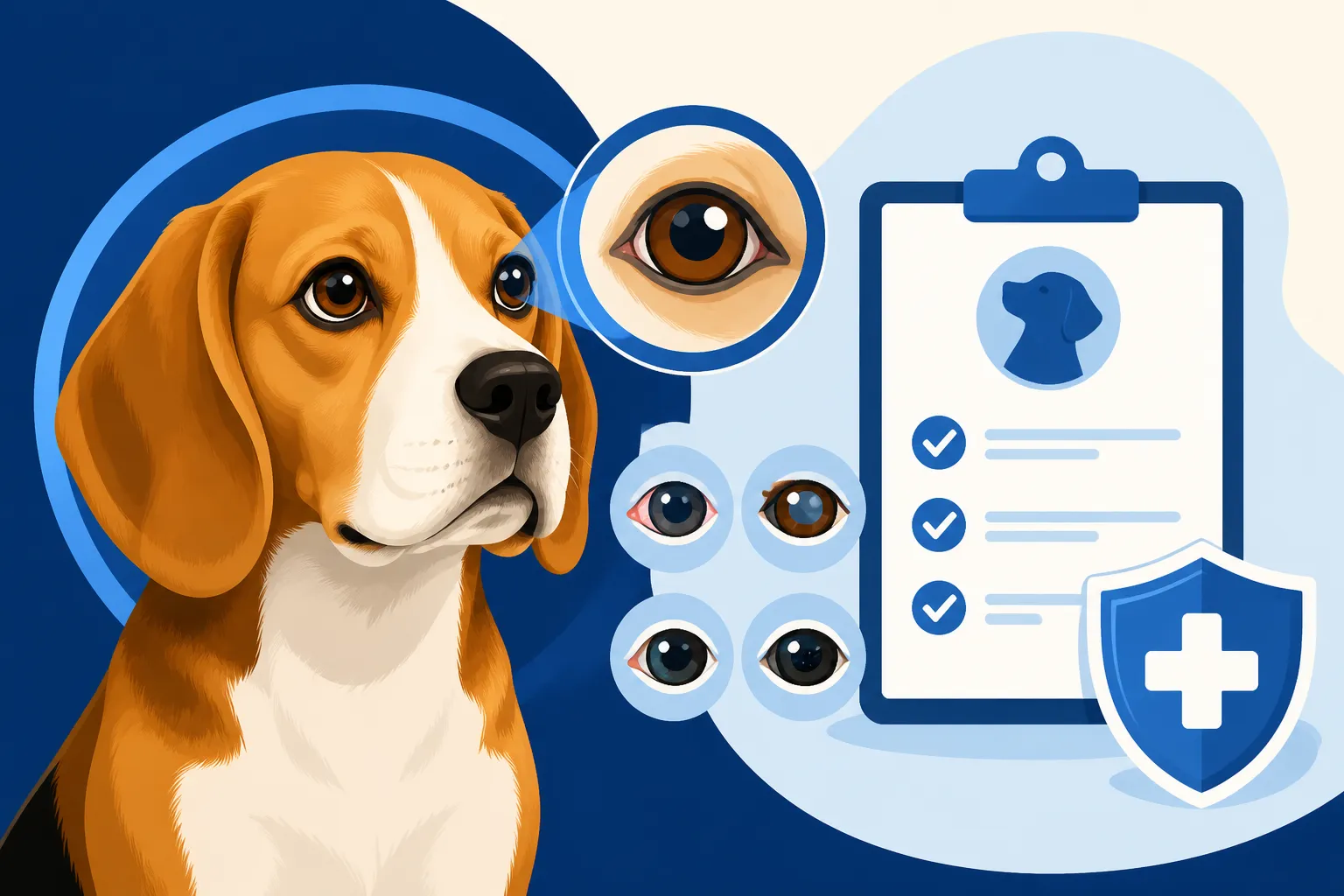
Beagle Eye Conditions and the Board-Certified Exam
It’s truly heartbreaking when you notice something isn’t quite right with your beloved Beagle’s eyes. Maybe they’re squinting more, rubbing their face, or you’ve spotted a subtle change in appearance. Eye conditions can be scary for any dog owner, but for Beagles, with their expressive, often deep-set eyes, identifying an issue and knowing what steps to take is crucial for preserving their comfort and vision. This comprehensive guide will walk you through the most common eye problems Beagles face, what signs to look for, and the vital role a board-certified veterinary ophthalmologist plays in their care.
Understanding Your Beagle's Unique Eye Structure
Beagles are known for their soulful, pleading eyes, often described as having a "soft, gentle expression." While undeniably charming, these eyes, and the surrounding structures, can sometimes predispose them to certain health challenges. Understanding the basics of their ocular anatomy can help you better identify when something is amiss and appreciate why specific conditions might develop.
The Beagle Eye: More Than Just a Pretty Face
A Beagle's eye, like any dog's, is a complex organ designed for detecting motion, perceiving light, and navigating the world, albeit with a different focus than our own. Their vision is particularly adept at low light, which historically helped them track scents in dense undergrowth or during dawn and dusk hunts. The shape of their skull and the way their eyelids sit can influence tear drainage and exposure to irritants.
Their eyes are usually a deep brown or hazel, set fairly wide apart, contributing to their broad field of vision. The third eyelid, or nictitating membrane, is often more prominent in Beagles than in some other breeds. While a normal, healthy third eyelid provides extra protection and helps spread tears, an issue with it, such as "cherry eye," becomes readily apparent and can be quite concerning for owners.
Common Ocular Anatomy and What It Means for Beagles
Beyond the visible eyeball, Beagles have several protective and functional structures. The eyelids are crucial for shielding the eye from physical trauma and spreading tear film. Their long, floppy ears, while iconic, don't directly impact eye health but can make them more prone to certain infections that, if left untreated, could cause discomfort that leads to excessive rubbing, indirectly affecting the eyes.
The tear ducts are responsible for draining excess tears, and blockages can lead to unsightly staining, particularly noticeable on lighter-colored Beagles. The cornea, the transparent outer layer of the eye, is constantly exposed and vulnerable to scratches or ulcers. Internally, the lens focuses light onto the retina, which transmits visual information to the brain. Any disruption in these intricate parts can lead to discomfort, pain, and potentially vision loss if not addressed promptly and effectively.
Recognizing Early Signs of Eye Problems in Beagles
One of the biggest challenges for us as Beagle owners is that our dogs can't tell us when something hurts. It’s up to us to be observant detectives, picking up on subtle cues that indicate they’re experiencing discomfort or pain. Catching eye issues early is paramount, as many conditions can worsen rapidly, leading to more serious complications or irreversible damage.
Subtle Behavioral Changes That Signal Trouble
Sometimes, the first hint of an eye problem isn't a direct physical symptom, but a shift in your Beagle's behavior. Have you noticed them suddenly becoming a bit more withdrawn? Are they less enthusiastic about their usual sniff walks, or do they seem hesitant to jump off the couch? Pain, even mild, can make a dog more irritable, quieter, or generally less engaged.
A Beagle with eye discomfort might start rubbing their face excessively on furniture, carpets, or with their paws. If you see them pawing at their eyes more often, or rubbing one side of their face specifically, it's a strong indicator that something is irritating them. They might also become more sensitive to light, preferring darker areas of the house, or squinting when they go outside on a bright day. Don't dismiss these changes as just "being moody"; they are often signals that something deeper is going on.
Physical Symptoms to Watch For Around the Eyes
Beyond behavioral shifts, there are definite physical signs that warrant a closer look and likely a vet visit. It's helpful to regularly glance at your Beagle's eyes in good lighting, just to know what their "normal" looks like.
Here's a list of physical symptoms to keep an eye out for:
- Redness: Any noticeable redness in the white part of the eye (sclera) or along the eyelids.
- Discharge: Clear, watery discharge, or thick, colored discharge (yellow, green, white).
- Swelling: Swelling around the eyelids or the eye itself.
- Squinting or Excessive Blinking: Known as blepharospasm, this indicates pain or irritation.
- Cloudiness or Opacity: A blue, white, or hazy appearance in the cornea or lens.
- Visible Third Eyelid: If the pink or red tissue of the third eyelid is constantly visible, especially protruding from the inner corner of the eye.
- Unequal Pupil Sizes: Known as anisocoria, this can indicate a serious neurological or ocular issue.
- Changes in Eye Size or Shape: One eye appearing larger or smaller than the other.
- Excessive Tearing: Watery eyes, often leading to tear staining.
- Visible Injuries: Scratches, foreign objects, or bumps on the eye or surrounding area.
If you observe any of these symptoms, especially if they appear suddenly or seem to be causing your Beagle distress, it’s always best to consult your veterinarian promptly.
Common Beagle Eye Conditions and Their Management
Beagles, like many purebred dogs, have certain predispositions to specific eye conditions. While not every Beagle will experience these, being aware of them helps you stay vigilant and seek appropriate care if symptoms arise. Early diagnosis and intervention are often key to successful management and preserving your dog's vision and comfort.
Cherry Eye and Prolapsed Gland of the Third Eyelid
Perhaps one of the most visually striking and often alarming eye conditions for Beagle owners is "cherry eye." This happens when the gland of the third eyelid, normally tucked away and out of sight, prolapses or pops out, appearing as a red, fleshy mass in the inner corner of the eye. It looks much like a small cherry, hence the name. This gland is crucial for producing a significant portion of the eye's tear film, so its protrusion isn't just cosmetic; it can impact overall eye lubrication.
While the exact cause isn't fully understood, it's believed to be due to a weakening of the connective tissue that holds the gland in place. Beagles are indeed one of the breeds prone to this condition. The immediate concern is usually the irritation and potential for the gland to dry out, leading to inflammation and discomfort. If you spot this, a vet visit is essential. The primary treatment for Beagle Cherry Eye and the Surgery That Fixes It involves surgically repositioning the gland back into its rightful place. It's really important to find a vet experienced in this delicate procedure, as simply removing the gland, while it might seem simpler, can lead to chronic dry eye later in life, which is a much harder condition to manage long-term.
Glaucoma: The Silent Thief of Sight
Glaucoma is a terrifying condition because it often progresses silently, causing significant pain and irreversible vision loss before owners even realize something is terribly wrong. It's characterized by an increase in intraocular pressure (IOP) within the eye, which damages the optic nerve and retina. Imagine having constant, severe pressure behind your own eyes; that's what your Beagle might be feeling.
Beagles are sadly predisposed to primary open-angle glaucoma, a genetic form of the disease. In these cases, the drainage angle of the eye, which allows fluid to exit, doesn't function properly. This form can affect both eyes, though often not simultaneously. Symptoms can include redness, a cloudy or bluish appearance to the cornea, dilated pupils, pain (manifesting as squinting or rubbing), and a noticeable enlargement of the affected eye. Because of its painful and rapidly blinding nature, glaucoma is considered an ocular emergency. If you suspect Glaucoma in Beagles and Losing Vision, seek immediate veterinary attention. Treatment typically involves a combination of eye drops to reduce pressure, and sometimes oral medications. In severe cases or when vision is already lost and pain is uncontrolled, surgical options or even removal of the eye might be considered to alleviate suffering.
Dry Eye: Keratoconjunctivitis Sicca (KCS)
Dry Eye, medically known as Keratoconjunctivitis Sicca (KCS), is a condition where the eyes don't produce enough tears, or the tears produced are of poor quality. Tears are vital; they lubricate the eye, wash away debris, and provide essential nutrients. Without adequate tears, the eye becomes dry, inflamed, painful, and highly susceptible to infection and corneal damage.
Beagles can develop KCS due to immune-mediated destruction of the tear glands, certain medications, or chronic inflammation. You might notice your Beagle's eyes appear dull, red, and irritated. They'll often have a thick, mucous-like discharge that builds up in the corners, as the existing tears become stickier without enough fluid to dilute them. If left untreated, KCS can lead to corneal ulcers, scarring, and permanent vision impairment. The good news is that Beagle Dry Eye and Daily Drops are often effective in managing the condition. Treatment typically involves lifelong, daily application of ophthalmic medications, such as cyclosporine or tacrolimus, to stimulate tear production, along with artificial tears to provide lubrication and anti-inflammatory drops to reduce discomfort. Consistent daily care is crucial for keeping a Beagle with KCS comfortable and protecting their sight.
Eyelid Abnormalities: Entropion and Ectropion
Eyelid abnormalities, while sometimes present from birth, can develop over time and cause significant irritation for a Beagle. The two most common are entropion and ectropion.
Entropion occurs when the eyelid, usually the lower one, rolls inward, causing the eyelashes and hair on the skin to rub directly against the cornea. Imagine having a hair constantly poking your eye – that's the kind of discomfort your Beagle experiences. This constant rubbing can lead to chronic irritation, excessive tearing, squinting, and, most seriously, corneal ulcers, which can be incredibly painful and risk vision. While it can be genetic, trauma or severe inflammation can also cause it.
Ectropion, on the other hand, is when the eyelid rolls outward, often giving the dog a "droopy-eyed" or sad expression. This exposes the delicate conjunctiva (the pink lining of the eyelid) to environmental irritants, dust, and bacteria. With the eyelid sagging, tears don't spread effectively across the eye surface, leaving it prone to dryness and chronic conjunctivitis (pink eye). This can be particularly problematic for a Beagle whose nose is often to the ground, increasing exposure to irritants.
Both conditions, if severe enough to cause discomfort or threaten eye health, are typically corrected through surgical procedures to either tighten the eyelid (for ectropion) or reposition it (for entropion). While some mild cases of ectropion might not require intervention beyond regular cleaning, persistent irritation or recurrent infections usually necessitate surgery. Owners should also be aware of Beagle Eyelash Problems That Scratch the Cornea, as these can sometimes be a secondary issue stemming from or exacerbating entropion.
Cataracts and Progressive Retinal Atrophy (PRA)
Cataracts and Progressive Retinal Atrophy (PRA) are two distinct conditions, but both can lead to significant vision impairment or blindness in Beagles.
Cataracts involve the clouding of the eye's lens, which normally should be crystal clear. This cloudiness prevents light from reaching the retina effectively, leading to blurry vision and, if severe, complete blindness. Cataracts can be hereditary in Beagles, appearing at different ages (juvenile cataracts often progress faster), or they can be secondary to other conditions like Beagle Diabetes and Blood Sugar Control. An older Beagle might also develop senile cataracts as a natural part of aging, though these often progress slowly. You might first notice a bluish-grey haze in your Beagle's pupil. While diet and supplements are often touted as cures, true cataracts can only be removed surgically, much like in humans, with an artificial lens implanted. This elective surgery is usually performed by a veterinary ophthalmologist and can restore vision significantly.
Progressive Retinal Atrophy (PRA) is a group of genetic diseases that affect the retina, the light-sensitive tissue at the back of the eye. In PRA, the photoreceptor cells (rods and cones) within the retina gradually degenerate, leading to progressive vision loss and eventually blindness. There are different forms of PRA, some affecting night vision first (rods) and others impacting both day and night vision. Unfortunately, PRA is hereditary in Beagles and there is currently no cure or effective treatment to halt its progression. The initial signs might be subtle, such as your Beagle bumping into things in low light or becoming more hesitant at dusk. As the disease advances, you'll notice more significant vision impairment, even in bright light. Breeders should ideally screen for PRA through genetic testing before breeding to avoid passing on the gene. If your Beagle is diagnosed with PRA, your vet or ophthalmologist can offer advice on managing their changing vision and adapting your home environment to keep them safe and comfortable.
| Eye Condition | Key Symptoms | Common Treatment | Prognosis for Vision |
|---|---|---|---|
| Cherry Eye | Red, fleshy mass in inner eye corner, irritation | Surgical repositioning of the gland | Excellent |
| Glaucoma | Redness, cloudy cornea, dilated pupil, pain, squinting | Eye drops, oral meds, surgery (emergency) | Guarded to Poor |
| Dry Eye (KCS) | Redness, thick discharge, irritation, dull appearance | Daily immune-modulating drops, artificial tears | Good (with lifelong Rx) |
| Entropion | Inward-rolling eyelid, rubbing lashes, tearing, ulcers | Surgical correction of eyelid position | Excellent (post-surgery) |
| Ectropion | Outward-rolling eyelid, exposed conjunctiva, dryness | Surgical correction of eyelid position (if severe) | Excellent (post-surgery) |
| Cataracts | Cloudiness in lens, blurry vision, eventual blindness | Surgical removal of lens and implant | Good (post-surgery) |
| Progressive Retinal Atrophy (PRA) | Night blindness, progressive day blindness | No cure; management focuses on adaptation | Poor (leads to blindness) |
The Importance of a Board-Certified Veterinary Ophthalmologist
When it comes to the delicate structures of your Beagle's eyes, you want the absolute best care possible. While your regular veterinarian is incredibly knowledgeable and capable of diagnosing and treating many common ailments, some eye conditions are complex and require the specialized expertise of a board-certified veterinary ophthalmologist. Think of it like seeing an optometrist for glasses versus seeing an eye surgeon for a complex retinal detachment – both are eye doctors, but their training and tools differ significantly.
Why a Specialist is Different from a General Vet
A board-certified veterinary ophthalmologist has undergone extensive additional training beyond veterinary school, typically completing a one-year internship followed by a three-year residency specifically focused on the diagnosis, treatment, and surgery of animal eye diseases. They then pass a rigorous examination to become board-certified by the American College of Veterinary Ophthalmologists (ACVO). This means they have a profound understanding of ocular anatomy, physiology, and pathology, and are equipped with specialized diagnostic equipment not found in every general practice.
For complex conditions like advanced glaucoma, challenging Beagle Cherry Eye and the Surgery That Fixes It, intricate corneal ulcers, or cataracts requiring surgery, a specialist’s expertise can make all the difference in preserving your Beagle's vision. They are also adept at recognizing subtle signs of hereditary eye diseases, which is particularly crucial for breeds like Beagles with known genetic predispositions. Your primary veterinarian will often refer you to a specialist if they suspect a condition requires more advanced diagnostics or surgical intervention, understanding that Why a Beagle Eye Exam Needs an Ophthalmologist goes beyond their general practice scope. Don't hesitate to ask for a referral if you're concerned; it's about giving your Beagle the best possible outcome.
What Happens During a Comprehensive Eye Exam
When you take your Beagle to a board-certified veterinary ophthalmologist, you can expect a very thorough and specialized examination. This isn't just a quick peek; it's a deep dive into the health of both eyes, inside and out. The ophthalmologist will start by taking a detailed history, asking about any symptoms you've observed, how long they've been present, and any relevant family history.
The examination itself will typically involve several steps:
- General Ocular Examination: They'll visually inspect the eyelids, conjunctiva, and overall eye appearance.
- Schirmer Tear Test (STT): This measures tear production, essential for diagnosing dry eye. A small strip of paper is placed under the lower eyelid for one minute.
- Fluorescein Stain: A dye is applied to the eye to detect corneal ulcers or abrasions. If there's a break in the corneal surface, the dye will stick to it and appear green under a special blue light.
- Tonometry: This measures the intraocular pressure (IOP), which is crucial for diagnosing or monitoring glaucoma. It involves a gentle puff of air or a small probe briefly touching the cornea.
- Pupillary Light Reflex (PLR): Testing how the pupils respond to light to assess nerve function.
- Ophthalmoscopy: Using an ophthalmoscope, the specialist can examine the internal structures of the eye, including the lens, retina, and optic nerve, looking for cataracts, retinal detachments, or other abnormalities. Often, dilating drops are used to get a better view.
- Gonioscopy: In cases of glaucoma, this procedure involves using a special lens to visualize the drainage angle of the eye, helping to differentiate between different types of glaucoma.
These comprehensive tests provide a complete picture of your Beagle's eye health. If a genetic condition is suspected, they might also discuss The Eye Exam Required Before Breeding a Beagle or broader Beagle Health Testing Under CHIC to ensure future generations are screened for known inheritable conditions. These thorough evaluations are invaluable for accurate diagnosis and crafting the most effective treatment plan, which could include specialized medications or surgery. It's also reassuring to know that your pet insurance provider, such as Healthy Paws, often covers these specialist consultations and advanced diagnostic tests, easing the financial burden of exceptional care.
Proactive Eye Care and Prevention Strategies for Beagles
While some eye conditions are genetic and unavoidable, there's a lot you can do as a Beagle owner to promote good eye health and potentially prevent or minimize the impact of certain issues. Just like with any aspect of their health, proactive care goes a long way in keeping their expressive eyes bright and clear.
Daily Care and Hygiene for Healthy Beagle Eyes
Incorporating simple eye hygiene into your daily routine can make a big difference. Beagles, with their affinity for sniffing every blade of grass, are more likely to get dust, dirt, or even small debris in their eyes.
Here’s how you can help:
- Gentle Wiping: Use a soft, damp cloth or a sterile eyewash pad (like those specifically designed for pets, available from brands such as Eye Envy or Earthbath) to gently wipe away any crust, discharge, or debris from around your Beagle's eyes. Always wipe away from the eye, from the inner corner outwards, and use a fresh part of the cloth for each eye to prevent cross-contamination.
- Regular Checks: Make it a habit to casually inspect your Beagle's eyes daily. Look for any redness, cloudiness, excessive tearing, or signs of squinting. The earlier you spot something, the sooner you can address it with your vet.
- Keep Hair Trimmed: If your Beagle has longer hair around their eyes, carefully trim it to prevent it from irritating the eye surface. If you're uncomfortable doing this yourself, your groomer or vet tech can help.
- Monitor for Tear Stains: While often cosmetic, excessive tear staining, especially on lighter-colored Beagles, can sometimes indicate a blocked tear duct or chronic irritation. While cleaning products can help, persistent staining warrants a vet check to rule out an underlying issue.
Remember, prevention is always better than cure, and simple daily care can help prevent minor irritations from escalating into more serious problems.
Nutritional Support and Environmental Considerations
A healthy diet plays a foundational role in overall health, including eye health. Ensuring your Beagle receives a balanced, high-quality dog food provides the essential vitamins and nutrients needed for healthy eyes. Some supplements, like those containing Omega-3 fatty acids (DHA and EPA), lutein, and antioxidants (Vitamins C and E), are often promoted for eye health, particularly as dogs age. While these can be beneficial, always consult your veterinarian before adding any supplements to your Beagle's diet, as excessive amounts can sometimes be harmful.
Environmental factors are also critical, especially for Beagles with their low-to-the-ground sniffing habits.
- Protect from Irritants: Be mindful of where your Beagle sniffs. Avoid areas freshly sprayed with chemicals, strong perfumes, or excessive dust. When riding in the car, prevent them from sticking their head completely out the window, as wind and debris can cause severe eye irritation or trauma. If they love car rides, consider "doggles" (dog goggles) for protection.
- Dust and Allergens: If your Beagle suffers from environmental allergies, these can often manifest as itchy, watery, or red eyes, similar to hay fever in humans. Managing their allergies with your vet's guidance can also improve their eye comfort.
- Safe Play: Be cautious during play, especially with sticks or sharp objects, which can easily cause corneal injuries. Opt for soft, safe toys.
- Swimming Safety: If your Beagle enjoys a dip, ensure you gently rinse their eyes with sterile saline solution after swimming, especially in chlorinated pools or murky water, to wash away irritants.
These proactive steps, combined with regular veterinary check-ups, contribute significantly to maintaining your Beagle’s vibrant eye health throughout their life. Your insurance plan, like Healthy Paws, can be a great partner in proactive care, covering routine check-ups where eye health is assessed.
When to Seek Emergency Veterinary Care for Eye Issues
While routine check-ups and observations are critical, some eye symptoms in Beagles warrant immediate, emergency veterinary attention. Time can be of the essence in saving your Beagle's vision and alleviating severe pain. Knowing when to drop everything and head to the emergency vet can make a profound difference in the outcome.
Acute Symptoms That Cannot Wait
If you observe any of the following symptoms, consider it an emergency and contact your vet or an emergency animal hospital without delay:
- Sudden Blindness: If your Beagle suddenly bumps into things, seems disoriented, or struggles to navigate familiar environments, especially if it happens rapidly.
- Severe Pain: Intense squinting, rubbing at the eye incessantly, holding the eye tightly shut, or crying out when the eye area is touched.
- Protruding Eyeball: If the eye appears to be bulging out of its socket (proptosis), which is a severe emergency requiring immediate repositioning.
- Deep Corneal Ulcer/Puncture: A visible deep scratch, hole, or foreign object embedded in the clear part of the eye.
- Sudden Onset Glaucoma: An eye that suddenly appears red, cloudy, dilated, enlarged, and feels hard to the touch. This is extremely painful and vision loss can occur within hours.
- Blood in the Eye (Hyphema): Any visible bleeding within the front chamber of the eye.
- Severe Swelling: Rapid or significant swelling around the eye or eyelids, especially if accompanied by pain or discharge.
These are not "wait and see" symptoms. The longer you delay, the greater the risk of irreversible damage or prolonged pain for your Beagle.
Preparing for an Ocular Emergency
Being prepared can reduce stress and ensure your Beagle gets care faster during an emergency.
- Locate Emergency Vets: Know the location and phone number of your nearest 24/7 veterinary emergency hospital before you need them. Save it in your phone.
- Emergency Fund/Insurance: Have a plan for unexpected veterinary costs. An emergency savings fund or pet insurance, such as Healthy Paws, can be invaluable when facing sudden, expensive treatments. Understanding your Beagle Emergency Funds Worth Building is crucial, as ocular emergencies can often require specialist intervention which comes at a higher cost.
- Don't Self-Treat: Unless specifically instructed by a vet, do not administer any human eye drops, ointments, or medications. Many are toxic or inappropriate for dogs and can cause more harm. Avoid rubbing or trying to remove foreign objects yourself, as you could cause further damage.
- Call Ahead: If possible, call the emergency clinic on your way. This allows them to prepare for your arrival and potentially offer initial advice.
- Safe Transport: Transport your Beagle safely. If they're in pain, they might be more prone to nipping. Use a carrier or a leash and secure them in the car. Keep the environment as calm and dark as possible if light sensitivity is an issue.
Quick action in an ocular emergency can save your Beagle's sight and significantly reduce their suffering.
Living with a Beagle Who Has Vision Impairment
Discovering your Beagle is losing its vision, whether due to age, a genetic condition like PRA, or an injury, can be disheartening. However, dogs are incredibly adaptable, and with some adjustments, a visually impaired Beagle can still lead a full and happy life. It just requires a bit more intentionality and empathy from us, their human companions.
Adapting Your Home for a Visually Impaired Beagle
A Beagle with declining vision relies heavily on its other senses, especially its unparalleled sense of smell and hearing. Your home, which was once navigated by sight, now needs to be reconfigured for these heightened senses and for safety.
- Maintain Consistency: This is perhaps the most important tip. Avoid rearranging furniture or leaving clutter in unexpected places. Your Beagle builds a mental map of your home based on memory and scent cues. Any sudden change can lead to confusion, anxiety, and bumping into objects.
- Create Safe Pathways: Ensure clear, unobstructed paths from sleeping areas to food and water bowls, and to the door for potty breaks. Consider placing low-pile mats along these routes to provide tactile cues.
- Block Off Hazards: Use baby gates to block off stairs, fireplaces, or rooms with sharp edges. Cover sharp corners of furniture with child-proofing guards.
- Scent Cues: Utilize essential oils (dog-safe ones only, highly diluted, and placed out of reach) or distinct air fresheners near important locations, like their water bowl or their bed, to help them orient themselves.
- Bell on Other Pets: If you have other pets, a small bell on their collar can help your visually impaired Beagle locate them and avoid collisions.
- Outdoor Safety: A securely fenced yard is crucial. Check the fence regularly for any weak spots. Supervise outdoor time closely, especially if you have steps or uneven ground. Consider a GPS tracker on their collar as an extra precaution. For Senior Beagle Vision and Hearing Loss, maintaining a predictable routine becomes even more important.
These adaptations create a predictable and safe environment, helping your Beagle regain confidence and navigate their world with dignity.
Maintaining Quality of Life and Mental Stimulation
Vision loss doesn't mean the end of your Beagle's joy or activity. It simply means you need to adjust how you engage with them. Their incredible nose is still fully functional, and you can leverage it for mental stimulation.
- Scent Games: This is where Beagles truly shine! Hide-and-seek with treats or their favorite toy is a fantastic way to engage their nose. Snuffle mats and puzzle feeders are excellent tools. Even just scattering their kibble in the yard for them to sniff out can be a joyful activity.
- Verbal Cues: Start reinforcing verbal cues for navigation like "step up," "step down," "stop," "left," and "right." Use a cheerful, consistent tone.
- Consistent Routines: Beagles thrive on routine, and a visually impaired Beagle will benefit immensely from a predictable schedule for feeding, potty breaks, and playtime.
- Tactile Toys: Offer toys with different textures and sounds (squeakers, crinkles, bells) to engage their other senses.
- Safe Walks: Continue taking them on walks, but perhaps on a shorter leash in familiar, quieter areas. Let them sniff to their heart's content. Their nose will tell them a rich story of the world around them. A well-fitting harness can offer better control and comfort than a collar, reducing pressure on their neck if they pull.
- Affection and Touch: Increase physical affection. Brushing, gentle massages, and lots of cuddles can reassure them and strengthen your bond.
Living with a visually impaired Beagle is a journey of adaptation and deepened understanding. It teaches us to appreciate their resilience and the powerful ways they connect with the world beyond just sight. With your love, patience, and thoughtful adjustments, your Beagle can continue to enjoy a happy and fulfilling life.
Disclaimer
The information provided in this guide is intended for educational purposes only and should not be considered a substitute for professional veterinary advice. Always consult with a qualified veterinarian or a board-certified veterinary ophthalmologist for any health concerns or before making any decisions related to your Beagle's medical care. Breed predispositions mentioned are general and do not mean every Beagle will develop these conditions.