Beagle Hypothyroidism and the Weight It Puts On
It's incredibly frustrating when your beloved Beagle, who usually has boundless energy and a keen appetite, suddenly starts to pack on the pounds. You haven't changed their food, you're still doing your best with walks, yet the scale keeps creeping up. This unexplained weight gain, often accompanied by a noticeable dip in their usual "merry" Beagle demeanor, can be a worrying sign for many owners. This comprehensive guide will delve into hypothyroidism, a common thyroid condition in Beagles, exploring why it happens, how to recognize its subtle symptoms, and what steps you can take to get your furry friend back to their vibrant self.
Understanding Hypothyroidism in Beagles
When we talk about a Beagle gaining weight for seemingly no reason, or becoming inexplicably sluggish, one of the first things a responsible vet might consider is their thyroid function. Hypothyroidism, a condition where the thyroid gland doesn't produce enough crucial hormones, is surprisingly common in our scent-driven companions and understanding its basics is the first step toward effective management.
What is the Thyroid Gland and Its Role?
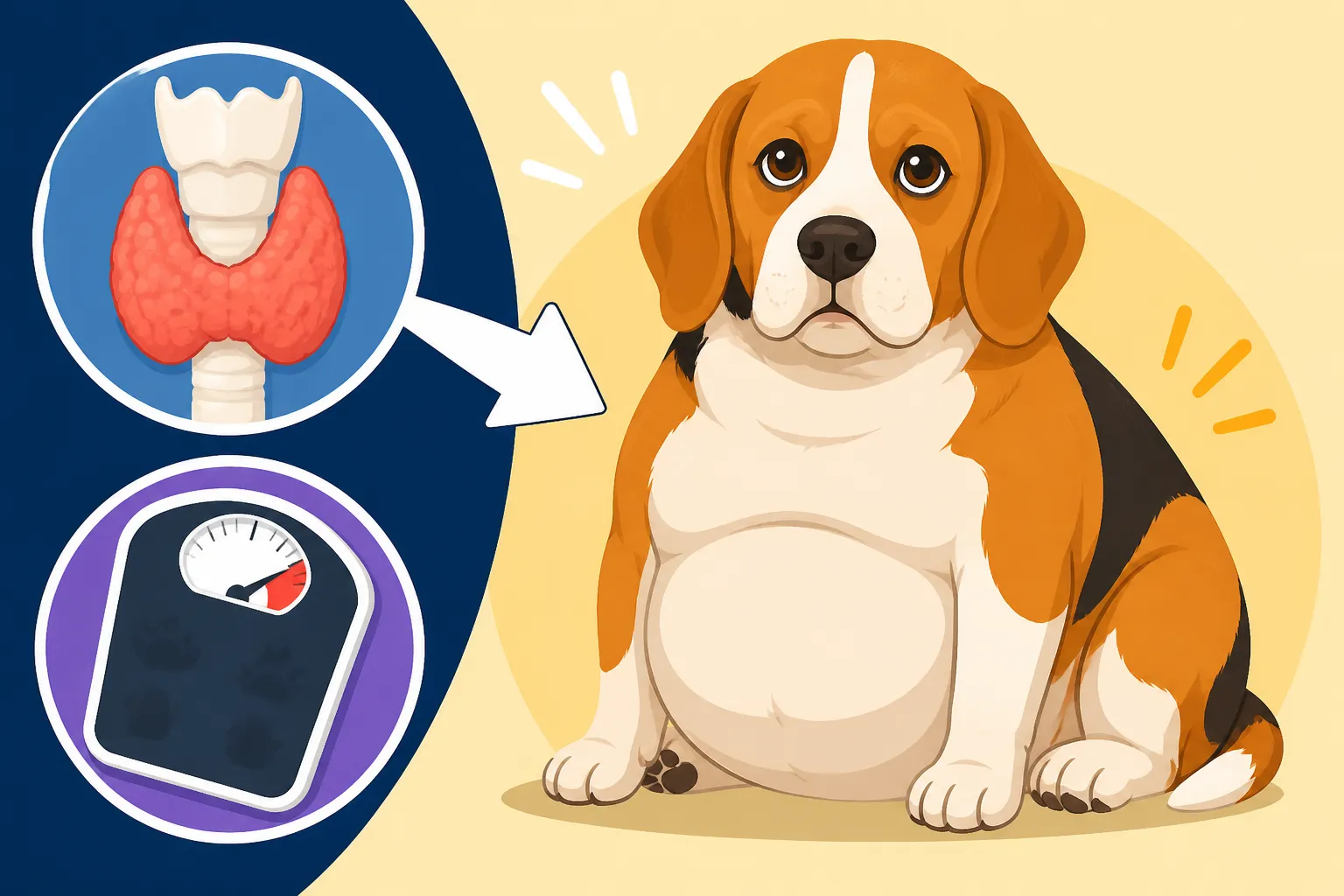
Imagine your Beagle's body as a finely tuned engine. The thyroid gland, a small, butterfly-shaped organ located in their neck, acts like the main control panel for that engine. It produces two vital hormones, thyroxine (T4) and triiodothyronine (T3), which are absolutely essential for regulating nearly every metabolic process in their body. These hormones dictate how quickly their cells use energy, influencing everything from their body temperature and heart rate to the health of their skin and coat, and even their digestive speed.
When the thyroid is functioning correctly, it ensures your Beagle's metabolism hums along at the right pace, keeping them energetic, maintaining a healthy weight, and supporting the optimal function of their organs. It's truly a silent hero, performing critical tasks that often go unnoticed until something goes awry. Without these hormones, the "engine" slows down dramatically, impacting virtually every system.
Why Beagles Are Prone to Hypothyroidism
Unfortunately, Beagles, like several other breeds such as Golden Retrievers, Doberman Pinschers, and Great Danes, have a genetic predisposition to develop hypothyroidism. The most common cause in Beagles is an autoimmune condition called lymphocytic thyroiditis. In this scenario, the Beagle's own immune system mistakenly identifies the thyroid gland as a foreign threat and begins to attack and destroy its cells. Over time, this chronic inflammation leads to a gradual decline in the gland's ability to produce sufficient hormones.
Another cause, though less understood, is idiopathic thyroid atrophy, where the thyroid gland simply shrinks and loses function for no apparent reason. Less commonly, hypothyroidism can be a secondary issue caused by pituitary tumors, certain medications (like sulfa drugs or some steroids), or even severe iodine deficiency, though this is rare in Beagles fed commercial dog food. The insidious nature of the disease, often developing slowly over months or years, means that early symptoms can be easily missed or attributed to other factors, especially in a breed known for its robust health and energetic disposition. This genetic link is why responsible breeders often include thyroid testing in their health clearances.
How Hypothyroidism Disrupts a Beagle's Metabolism
When the thyroid gland falters and fails to produce enough T3 and T4, your Beagle's entire metabolic rate grinds to a halt. Think of it like a car suddenly running on fumes, or trying to operate on half-power. Every bodily process that relies on these hormones slows down considerably. This metabolic slowdown is the primary culprit behind the characteristic weight gain associated with hypothyroidism. Your Beagle isn't necessarily eating more, but their body isn't burning calories efficiently. Instead, those calories are stored as fat.
Beyond the weight gain, this metabolic disruption manifests in a cascade of other symptoms. The body's energy production decreases, leading to profound lethargy and a noticeable lack of enthusiasm for activities they once loved. Their internal thermostat goes haywire, making them prone to feeling cold. Even their skin and coat suffer, as the slowed metabolism affects the health and growth cycles of hair follicles, leading to the brittle hair and skin problems often seen in affected Beagles. This overarching systemic slowdown truly transforms a typically vibrant, curious Beagle into a shadow of their former self.
Recognizing the Subtle Signs Beyond Weight Gain
While unexplained weight gain is often the most obvious red flag for hypothyroidism, it's crucial to understand that this condition presents a mosaic of symptoms. Many of these can be subtle at first, easily mistaken for normal aging, a temporary "mood," or even just a phase. However, recognizing these less obvious signs can be key to early diagnosis and getting your Beagle the help they need.
Beagle Hypothyroidism and Sudden Weight Gain
This is often the symptom that prompts owners to seek veterinary advice. You might notice your Beagle, despite having the same food portions and exercise routine, slowly but surely filling out. Their waistline disappears, they look a bit "plumper" around the chest and abdomen, and their athletic shape becomes rounder. It's incredibly frustrating, because as an owner, you might be thinking, "My Beagle is gaining weight, but I haven't changed a thing!" This isn't about overeating; it's about a body that isn't efficiently processing the calories it is receiving.
The weight gain can be deceptive. Beagles have a naturally sturdy build, and their double coat can initially hide a few extra pounds. You might attribute it to them getting a little older or having a good appetite – after all, Beagles are renowned for their food drive! However, if you're truly monitoring their intake and activity, and they're still gaining, it’s a strong indicator that something internal, like their metabolism, is off. This kind of weight gain, when not clearly linked to dietary changes, should always prompt a discussion with your vet about potential underlying conditions. Understanding Beagle Obesity Treated as a Health Problem is vital, as it often has deeper roots than just too many treats.
Beagle Hair Loss Traced Back to the Thyroid
Another tell-tale sign that often accompanies the weight gain is a noticeable deterioration in your Beagle's coat and skin quality. Hypothyroidism frequently causes a dull, dry, and brittle coat that lacks its usual luster. You might observe patchy hair loss, often symmetrical, on their flanks, chest, or the underside of their body. A classic symptom is a "rat tail," where the tail loses most of its hair, looking thin and sparse. Sometimes, the hair simply won't regrow after being clipped for a medical procedure, or they might retain a "puppy coat" texture well into adulthood.
The skin itself can also show changes, becoming dry, flaky, and sometimes even thickened or darkened (hyperpigmentation), particularly in areas of friction or where hair loss is prominent. Some Beagles develop what’s called "tragic face," where the facial skin appears thick and puffy. These changes occur because thyroid hormones are crucial for the health and normal cycling of hair follicles and skin cells. When these hormones are deficient, the hair growth cycle is interrupted, and skin cells don't regenerate as they should, leading to these often-distressing cosmetic and dermatological issues.
Beagle Lethargy That Turns Out to Be Thyroid
A Beagle is supposed to be a "merry" hound, full of energy, curiosity, and a love for exploring the world nose-first. If your typically vibrant Beagle starts to become unusually quiet, withdrawn, and significantly less interested in their favorite activities, it's a major red flag. This isn't just a brief slump or a preference for an extra nap; it's a profound, persistent lethargy that can make them seem like a completely different dog. They might be reluctant to go for walks, show little enthusiasm for playtime, or simply spend most of their day sleeping, even when you try to engage them.
Owners might initially dismiss this as part of getting older or simply a shift in personality, especially if the dog isn't showing obvious signs of pain. However, this deep-seated lack of energy is a direct consequence of a slowed metabolism and reduced energy production throughout the body. Beyond physical lethargy, some Beagles might also display subtle behavioral changes, such as becoming more irritable, seeking out warm spots constantly, or just generally appearing "dull." If you find yourself consistently noting "Beagle Lethargy That Turns Out to Be Thyroid" and wondering if your dog is just getting lazy, it's time to consider a vet visit.
The Impact of Weight Gain on a Beagle's Health
While the visual aspect of a chunky Beagle might seem endearing to some, the reality is that excess weight, especially when caused by an underlying condition like hypothyroidism, places significant stress on a Beagle's body. This isn't just about aesthetics; it's about a cascading effect of health complications that can severely diminish their quality of life and potentially shorten their lifespan.
Increased Strain on Joints and Spine
Beagles are known for their sturdy, compact build, but they're not immune to orthopedic issues, and extra weight significantly compounds these risks. Their somewhat longer backs, a characteristic that makes them so endearing, already place them at a higher risk for conditions like Beagle Disc Disease and That Slightly Long Back. When you add even a few extra pounds, the pressure on their intervertebral discs and spinal column increases dramatically. This extra load can accelerate degenerative changes, make existing disc issues worse, and increase the likelihood of painful herniations.
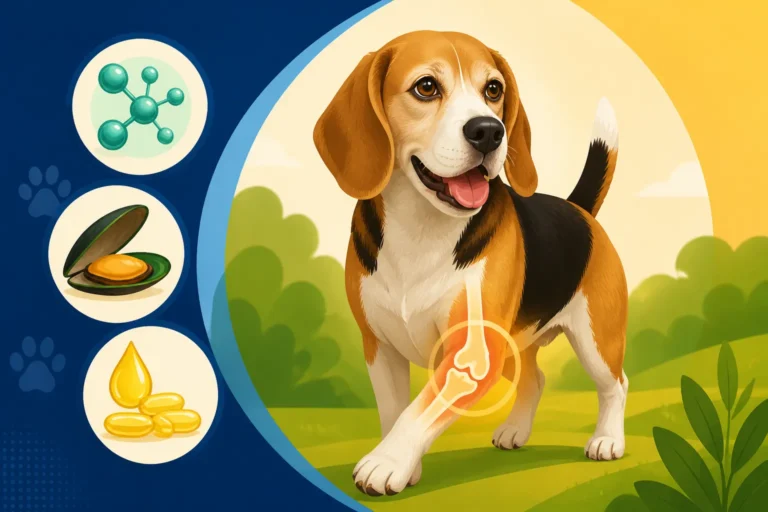
Beyond the spine, the additional weight puts immense strain on all their joints, particularly the hips and knees. This significantly increases the risk for the onset or worsening of conditions like Beagle Hip Dysplasia and Everyday Joint Wear and general arthritis. What might start as mild stiffness can quickly escalate to chronic pain, reduced mobility, and a reluctance to engage in the very activities that keep a Beagle happy and mentally stimulated, like chasing scents or playing with family. A Beagle burdened by excess weight often loses that characteristic "merry" gait and finds even simple movements uncomfortable.
Higher Risk of Other Metabolic Conditions
Hypothyroidism-induced weight gain is a major disruptor to a Beagle's overall metabolic balance, setting the stage for other serious health issues. When the body's metabolism is sluggish and fat accumulates, it can lead to insulin resistance, significantly increasing a Beagle's susceptibility to developing Beagle Diabetes and Blood Sugar Control. The pancreas struggles to keep up, and the body's cells become less responsive to insulin, leading to dangerously high blood sugar levels.
Furthermore, excess weight and the underlying metabolic imbalance can contribute to conditions like high blood pressure (hypertension) and elevated cholesterol levels. These, in turn, put an extra strain on vital organs, including the heart and kidneys. Over time, this can lead to or worsen heart disease, impacting their cardiovascular system. It creates a concerning cycle: hypothyroidism causes weight gain, which then predisposes the Beagle to a host of other metabolic and organ-related complications, making holistic management absolutely critical.
Reduced Quality of Life and Overall Well-being
Beyond the measurable physical ailments, the impact of hypothyroidism and its associated weight gain profoundly affects a Beagle's overall quality of life and emotional well-being. A Beagle that is constantly tired, uncomfortable in their own skin, and potentially in pain from joint strain isn't a happy Beagle. Their natural zest for life, their boundless curiosity, and their characteristic "merry" disposition can diminish, sometimes leading to behavioral changes like increased irritability or even signs of depression.
They may become less interactive with their family, less eager to participate in games, and simply prefer to lie down. This can be heartbreaking for owners who cherish their Beagle's outgoing nature. Moreover, the metabolic slowdown can make them intolerant to cold, leading to shivering or constantly seeking warm spots, even indoors. The physical limitations and discomfort reduce their ability to engage in scent work, explore their environment, and enjoy the activities that fulfill their breed instincts. Ultimately, poorly managed hypothyroidism can transform a vibrant, engaging companion into a lethargic, uncomfortable dog, highlighting the urgency of proper diagnosis and treatment.
Diagnosing Hypothyroidism: The Vet Visit and Tests
Identifying hypothyroidism requires a keen eye for symptoms combined with definitive veterinary testing. Since many of the signs can mimic other conditions or simply be dismissed as aging, a thorough diagnostic approach is essential. Don't hesitate to voice your concerns to your veterinarian; they are your best partner in unraveling what's going on with your Beagle.
When to Suspect Hypothyroidism in Your Beagle
The moment you start noticing a combination of the previously discussed symptoms, even if they seem minor or sporadic, it's time to consider a vet visit specifically to discuss thyroid function. Perhaps your Beagle, who used to greet you with a joyful dance, now barely lifts their head. Maybe their coat feels inexplicably rough, or you've noticed symmetrical bald patches. And, of course, that persistent, unexplained weight gain despite no changes in their routine is a primary indicator. Hypothyroidism most commonly manifests in middle-aged Beagles, typically between four and ten years old, so if your dog falls within this age range and is showing signs, suspicion should be even higher.
It's also crucial to remember that your observations are incredibly valuable. You know your Beagle best. If something feels "off," trust your gut. Begin to track these changes – note dates, specific symptoms, and any other relevant observations in a health diary. This detailed information will be immensely helpful to your veterinarian. Early suspicion and proactive communication can lead to a much quicker diagnosis, preventing the progression of symptoms and improving your Beagle's prognosis significantly. Don't wait for your Beagle to be severely affected before seeking help.
Thyroid Testing a Beagle at Twenty-Four Months
When you visit your vet with concerns about hypothyroidism, they will likely start with a thorough physical examination. They'll check your Beagle's weight, coat condition, skin, and listen to their heart and lungs. The definitive diagnosis, however, relies on specific blood tests. The primary tests include measuring total T4 (TT4), free T4 (fT4), and thyroid-stimulating hormone (TSH).
- Total T4 (TT4): This measures the total amount of thyroxine (T4) circulating in the blood, both bound and unbound. While useful, it can be influenced by other illnesses ("euthyroid sick syndrome") and certain medications (like steroids or NSAIDs), so it's rarely used alone for diagnosis.
- Free T4 (fT4): This measures the unbound, biologically active form of T4. It's considered a more accurate indicator of thyroid function because it's less affected by non-thyroidal illnesses or drugs.
- Thyroid-Stimulating Hormone (TSH): Produced by the pituitary gland, TSH signals the thyroid to produce T4 and T3. In a hypothyroid dog, the pituitary gland tries to compensate for the failing thyroid by producing more TSH, so a high TSH level often indicates an underactive thyroid.
A full thyroid panel often includes all three, sometimes with additional tests like T3 and autoantibodies (TgAA) to confirm an autoimmune cause. It's often recommended to test Beagles, particularly those intended for breeding, around twenty-four months of age to establish a baseline. This aligns with comprehensive health screening guidelines like those under Beagle Health Testing Under CHIC, which often recommends thyroid evaluation. Remember, a single low T4 reading isn't always definitive; context and a full panel are key.
Interpreting the Results and Next Steps
Once the blood samples are analyzed, your veterinarian will carefully interpret the results. The classic diagnostic profile for primary hypothyroidism (the most common type in Beagles) is a low fT4 combined with a high TSH. If both of these markers are abnormal, it strongly supports a diagnosis of hypothyroidism. A low TT4 alone is less conclusive due to potential interference from other factors, which is why a full panel, including fT4 and TSH, is so important.
Sometimes, results can be borderline, or there might be an suspicion of autoimmune thyroiditis even with normal initial hormone levels (especially in early stages). In such cases, your vet might recommend additional tests, such as measuring thyroglobulin autoantibodies (TgAA). The presence of these antibodies indicates that your Beagle's immune system is attacking its own thyroid gland, confirming an autoimmune cause, even if the gland is still producing enough hormones for now.
Once a diagnosis is confirmed, your vet will discuss the lifelong treatment plan, which typically involves daily medication. It's important to understand that while diagnosing hypothyroidism can sometimes be complex, the treatment itself is usually straightforward and highly effective. Do not hesitate to ask your vet any questions you have about the diagnosis, prognosis, or treatment protocol. Your understanding and commitment to the daily regimen are crucial for your Beagle's successful management.
Managing Hypothyroidism: Treatment and Lifestyle Adjustments
Receiving a diagnosis of hypothyroidism for your Beagle can feel daunting, but the good news is that it's a very manageable condition. With consistent treatment and appropriate lifestyle adjustments, most hypothyroid Beagles can go on to live full, happy, and energetic lives. The key lies in understanding the lifelong commitment to their care.
Beagle Thyroid Medication Paid for Life
The cornerstone of treating hypothyroidism in Beagles, and indeed almost all dogs, is lifelong daily medication. Your veterinarian will prescribe a synthetic form of the thyroid hormone T4, most commonly levothyroxine. Brand names you might encounter include Thyro-Tabs, Soloxine, or Vetoryl, though generics are also available. This medication replaces the hormones your Beagle's body is no longer producing effectively. It is usually administered orally, twice a day, and consistency is absolutely paramount. Missing doses can lead to fluctuations in hormone levels and a return of symptoms.
It's important to understand that this is a management drug, not a cure. Once a Beagle is diagnosed with hypothyroidism, they will typically need to be on this medication for the rest of their life. The good news is that most Beagles respond incredibly well to levothyroxine, and you'll usually start to see improvements in energy levels within a week or two. Changes in coat quality and weight loss will take longer, often several months, as the body slowly normalizes. This lifelong commitment means budgeting for these ongoing costs. This is where Beagle Pet Insurance and What It Runs a Month can be incredibly helpful. Providers like Healthy Paws, for instance, offer plans that can cover a significant portion of chronic condition costs, making lifelong medication much more manageable financially.
Adjusting Diet and Exercise for a Recovering Beagle
While medication will jumpstart your Beagle's metabolism, managing their diet and exercise simultaneously is crucial for their full recovery and long-term health. Even with medication, if your Beagle is significantly overweight, simply taking the pill won't magically melt the pounds away. You'll need to carefully manage their caloric intake, often reducing it, and ensure they are eating a high-quality, balanced diet. It’s important to calculate The Daily Calorie Target for a Twenty Pound Beagle based on their ideal weight, not their current overweight status. Using slow feeders can also help a Beagle that tends to inhale their food, promoting better digestion and satiety.
As your Beagle's energy returns thanks to the medication, gradually reintroduce and increase their exercise. Start with gentle, consistent walks, gradually extending the duration and intensity as their stamina improves. Scent walks are particularly excellent for Beagles; they provide mental stimulation and physical activity without high-impact strain. Avoid overexertion initially, especially if they have been very lethargic. Consult your vet to create a safe and effective exercise plan tailored to your Beagle's current condition and the rate of their recovery. Remember, physical activity is vital for weight management and overall well-being, but it must be done safely and progressively.
Regular Monitoring and Dosage Adjustments
Successfully managing hypothyroidism is an ongoing partnership between you and your veterinarian. Once your Beagle starts on levothyroxine, regular follow-up blood tests are essential to ensure the medication is working effectively and that the dosage is correct. Typically, the first recheck blood test is performed 4 to 8 weeks after starting the medication or after any dosage change. This allows your vet to see how your Beagle is responding and to fine-tune the dosage based on their T4 and TSH levels.
After the initial stabilization period, your Beagle will likely need blood work every 6 to 12 months for the rest of their life. This monitoring ensures that their hormone levels remain within the optimal range. It's not uncommon for dosages to need slight adjustments over time, depending on factors like age, weight changes, or the progression of the disease. Observing your Beagle's clinical signs – their energy, coat quality, and weight – is also a continuous part of this monitoring. If you notice a recurrence of symptoms, even subtle ones, always inform your vet, as it may indicate the need for a dosage adjustment or further investigation. It’s critical to understand What Happens If a Beagle Stops Thyroid Medication, as it can lead to a rapid return of all symptoms and potentially more severe health issues.
Living Long-Term with a Hypothyroid Beagle
A diagnosis of hypothyroidism is a lifelong commitment, but it doesn't mean a diminished life for your Beagle. With consistent care, Beagles with hypothyroidism can thrive, continuing to enjoy many happy years with their families. The key is maintaining a proactive and comprehensive approach to their health.
Maintaining Optimal Health and Quality of Life
The goal of managing hypothyroidism is to restore and maintain your Beagle's optimal health and quality of life. This involves a holistic approach that goes beyond just giving a pill. Consistent administration of their levothyroxine medication, without fail, is the foundation. Coupled with this, a carefully managed diet, adhering to recommended calorie targets, is crucial for preventing a return to an unhealthy weight. Regular, appropriate exercise, tailored to your Beagle's energy levels and any other health conditions they may have, is also vital. This includes plenty of sniffing walks, which are incredibly enriching for Beagles.
Mental stimulation through puzzle toys, training, and scent games will also keep their minds sharp and engaged. Regular vet check-ups, even beyond the required thyroid monitoring, are important for overall health. Open communication with your vet about any subtle changes in behavior, appetite, or physical condition will help catch potential issues early. By diligently managing their hypothyroidism, you're not just treating a condition; you're preserving your Beagle's characteristic vitality and ensuring they can continue to be the "merry" companion you know and love. This can also help prevent or lessen the severity of other age-related issues they may face, making their senior years more comfortable.
Addressing Concurrent Health Issues
While hypothyroidism itself is manageable, Beagles, like all breeds, can develop other health issues as they age. What's important to note is that an overweight Beagle with uncontrolled hypothyroidism may be more prone to, or suffer more severely from, concurrent conditions. For example, if your Beagle develops Beagle Arthritis That Starts in Middle Age, getting their weight under control through thyroid medication and diet will significantly reduce the strain on their joints, potentially delaying or lessening the severity of arthritic pain.
It's not uncommon for Beagles with hypothyroidism to also be at higher risk for other autoimmune conditions, or to develop issues like dental disease (which can be exacerbated by a slower metabolism affecting gum health). Therefore, your vet will assess your Beagle's overall health picture, not just their thyroid. Managing hypothyroidism effectively means your Beagle is generally healthier and better equipped to handle any other health challenges that may arise, whether it's an unexpected injury or another age-related ailment. Comprehensive care ensures that all aspects of their well-being are considered.
The Lifetime Cost of Care
It's important to be realistic about the financial commitment involved in managing a chronic condition like hypothyroidism. While the individual daily pill might not seem expensive, the costs add up over a Beagle's lifespan. These costs typically include:
- Medication: Lifelong daily levothyroxine, which can range from $20 to $60 per month depending on dosage and brand.
- Regular Blood Tests: Initial diagnostic tests, then follow-up tests every 6-12 months, costing anywhere from $100 to $300 per panel.
- Specialized Diet (if needed): Some Beagles may require prescription weight-loss food if obesity is severe, adding to monthly food costs.
- Routine Vet Visits: Regular check-ups are essential to monitor overall health.
Cumulatively, these expenses can amount to several hundred dollars annually, and potentially thousands over a Beagle's average Beagle Lifespan and the Twelve to Fifteen Year Range. This is where pet insurance, particularly a robust policy that covers chronic conditions, becomes an invaluable asset. Companies like Healthy Paws are well-regarded for their coverage of long-term illnesses, helping to significantly offset the out-of-pocket expenses for lifelong medications and diagnostic tests. Preparing for these costs, whether through insurance or a dedicated savings fund, ensures you can provide the best possible care without financial strain. Comparing this to Lifetime Costs of Beagle Seizure Medication can put the long-term investment into perspective.
Preventative Measures and Genetic Considerations
While you can't completely prevent an autoimmune disease like hypothyroidism, especially given the Beagle's genetic predisposition, there are certainly proactive steps both breeders and owners can take to minimize risk, promote early detection, and support overall thyroid health.
Responsible Breeding Practices to Reduce Risk
For responsible Beagle breeders, addressing genetic predispositions like hypothyroidism is a critical part of their ethical commitment. Screening potential breeding dogs for thyroid function is highly recommended and often a component of comprehensive health clearances, such as those recommended by the Orthopedic Foundation for Animals (OFA) through their Canine Health Information Center (CHIC) program. This involves performing a full thyroid panel, including TT4, fT4, and TSH, and potentially TgAA (thyroglobulin autoantibodies), on breeding stock, usually starting around Thyroid Testing a Beagle at Twenty-Four Months of age.
Breeders should ideally avoid breeding dogs that have been diagnosed with clinical hypothyroidism or that test positive for high levels of TgAA, indicating an autoimmune predisposition. While hypothyroidism is a complex, polygenic trait, meaning multiple genes contribute to its inheritance, responsible breeding practices focused on screening can help reduce its incidence within future generations. Asking a breeder about the thyroid health of their lines and showing dogs is a crucial step for any prospective puppy owner.
Nutritional Support for Thyroid Health
While diet isn't a cure for hypothyroidism, and shouldn't replace medication, proper nutrition plays a supportive role in overall endocrine health. Feeding a high-quality, balanced commercial dog food formulated for your Beagle's life stage is typically sufficient to provide all essential nutrients, including iodine and selenium, which are vital for thyroid hormone production. However, it's critical to avoid over-supplementation with these minerals, as excessive amounts can actually be detrimental to thyroid function. Always consult your vet before adding any supplements to your Beagle's diet.
Some ingredients in certain foods can also interfere with thyroid function if consumed in very large quantities, such as raw cruciferous vegetables (broccoli, cabbage, kale) which contain goitrogens. While small, cooked amounts are generally fine, large raw quantities should be avoided, especially in Beagles with suspected or diagnosed thyroid issues. Ultimately, a consistent, appropriate diet that helps maintain an ideal body weight is one of the best nutritional strategies for supporting your Beagle's thyroid and overall health.
Early Detection and Proactive Care
Perhaps the most impactful preventative measure an owner can take is being highly vigilant and proactive. Regular annual (or bi-annual for seniors) veterinary check-ups are non-negotiable. During these visits, discuss any subtle changes you've noticed in your Beagle's energy, weight, coat, or behavior. Even if you're not sure if it's significant, mention it. Your vet can then decide if a thyroid panel is warranted, even if classic symptoms aren't fully developed.
Early detection of hypothyroidism allows for prompt treatment, which can prevent the progression of symptoms, reverse the weight gain, and mitigate the risk of secondary health problems like arthritis or diabetes. It ensures your Beagle doesn't suffer needlessly from a treatable condition. This proactive approach, combining your careful observations with consistent veterinary care, is the best way to safeguard your Beagle's health and ensure they remain the "merry", energetic companion they're meant to be. This is another area where Healthy Paws can assist, as their coverage can help alleviate the costs of the routine check-ups and diagnostic tests that lead to such crucial early detection.
Disclaimer
This guide provides general information about Beagle hypothyroidism and should not be considered a substitute for professional veterinary advice. Always consult with a qualified veterinarian for any health concerns or before making any decisions related to your Beagle's medical care. Individual needs may vary, and only a veterinarian can provide an accurate diagnosis and appropriate treatment plan.