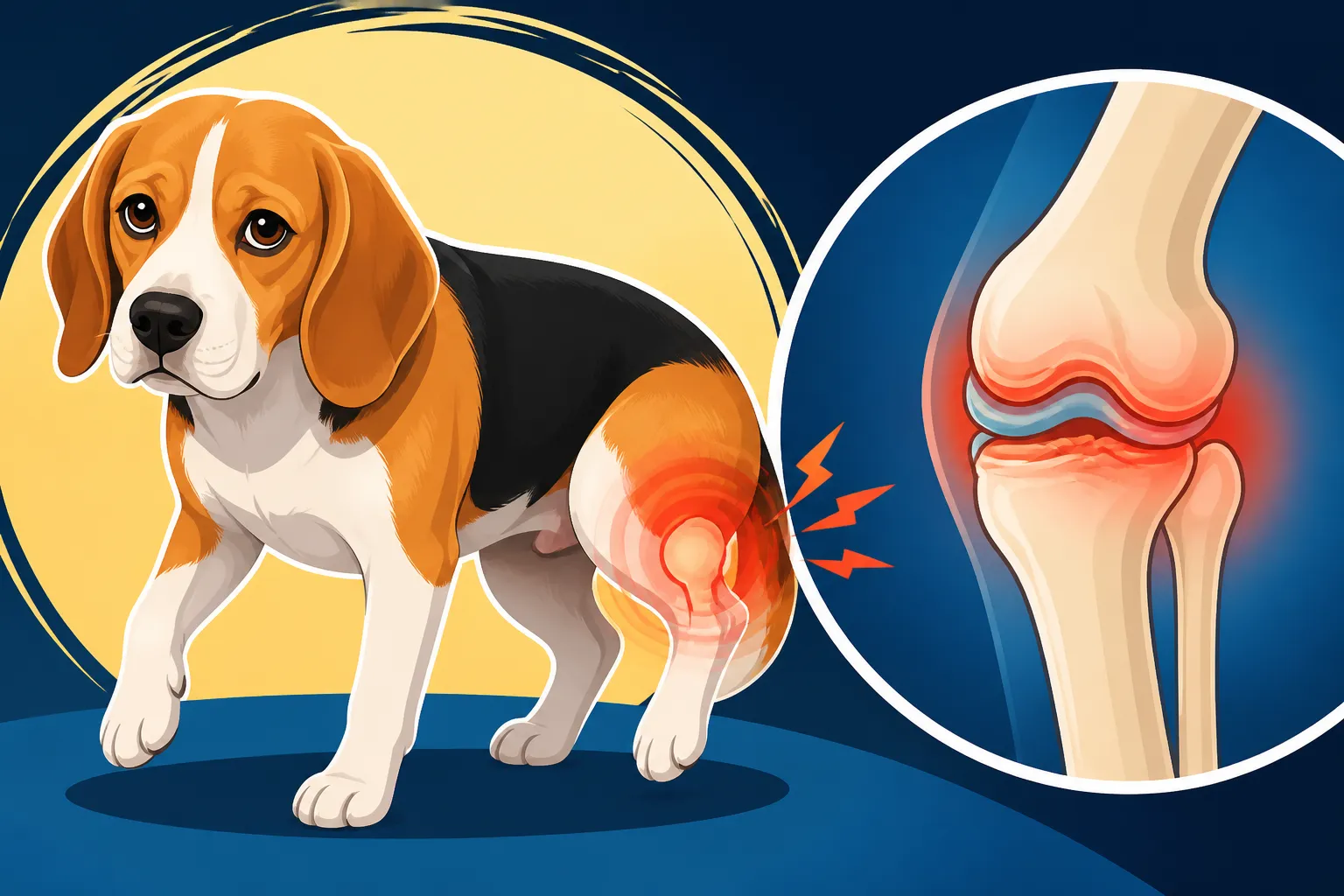
Beagle Arthritis That Starts in Middle Age
It’s heartbreaking to watch your once bouncy, always-on-the-go Beagle start to slow down. That familiar zest for life, the sudden dashes, the enthusiastic leaps onto the couch – they all begin to fade, often replaced by a stiffness, a reluctance, or even a noticeable limp. This guide is dedicated to helping you understand and manage arthritis in your middle-aged Beagle, so you can help them navigate this new chapter with comfort and dignity.
Understanding Beagle Arthritis and Its Onset
Arthritis, or osteoarthritis, is a degenerative joint disease that affects countless dogs, and our beloved Beagles are certainly no exception. It’s a progressive condition where the cartilage cushioning the joints wears down over time, leading to bone-on-bone friction, inflammation, and pain. While it can occur at any age due to injury or genetic predispositions, it most commonly makes its unwelcome appearance as our Beagles enter their middle and senior years.
Why Arthritis Often Appears in Middle Age
For many Beagles, middle age, typically between six and eight years old, is when the subtle signs of arthritis might first begin to emerge. Think about it: our Beagles are built for action. They are tireless sniffers, enthusiastic runners, and often quite fearless jumpers. All of that dedicated activity, over years, puts significant wear and tear on their joints. While it's what makes them such joyful companions, it also means their hips, elbows, knees, and spines are constantly working.
Genetics can also play a role. Certain Beagles may be predisposed to conditions like Beagle Hip Dysplasia and Everyday Joint Wear, even if it's not as prevalent as in some larger breeds. This underlying structural issue can accelerate the onset of arthritis in those affected joints. Over time, the continuous impact from chasing scents in the yard, leaping off the bed, or even just trotting on daily walks, gradually erodes the smooth cartilage that allows for effortless movement. It’s like the tread on a tire slowly wearing thin, eventually exposing the underlying structure and making the ride much bumpier and more painful. The cumulative effect of these daily motions, combined with any slight genetic weaknesses, culminates in the inflammation and pain we recognize as arthritis in their middle years.
Recognizing the Subtle Signs of Joint Pain
One of the biggest frustrations for Beagle owners is that dogs are masters at hiding their pain. It’s an instinctual survival mechanism, but it means by the time we notice overt limping or severe lameness, their discomfort has likely been brewing for a while. For a Beagle, known for their stoicism and drive, the initial signs of arthritis might be incredibly subtle. You might first notice that they're a little slower to get up after a nap, or perhaps they hesitate slightly before jumping into the car or onto the sofa. Their morning stiffness might take longer to "walk off."
You might also observe changes in their behavior that aren't immediately obvious as pain. Perhaps they're less enthusiastic about their usual long walks, or they're more irritable when you try to pet them in certain spots, like their hips or lower back. They might start licking a particular joint excessively, a subtle self-soothing behavior. Sometimes, a change in their gait—a shorter stride, a slight head bob, or a more careful, deliberate walk—can be the first clue. They might even seem a bit more tired or reluctant to play their favorite games. It’s crucial to pay close attention to these small shifts, as catching arthritis early can make a significant difference in managing their comfort and preserving their mobility for years to come.
Managing Arthritis Pain and Improving Mobility
Once you or your veterinarian suspect arthritis, the good news is there's a lot we can do to manage the pain and improve your Beagle's quality of life. The approach is usually multifaceted, combining medical treatments with crucial lifestyle adjustments. The goal isn't to cure arthritis, as it's a degenerative condition, but to slow its progression and, most importantly, keep your furry friend as comfortable and mobile as possible.
Medications and Supplements for Joint Health
When it comes to managing arthritis pain, your veterinarian has several tools at their disposal. Non-Steroidal Anti-Inflammatory Drugs (NSAIDs) are often the first line of defense. These medications, such as carprofen, meloxicam, or robenacoxib, work by reducing inflammation and pain in the joints. They can make a dramatic difference in a dog's comfort and willingness to move, often within days. However, like all medications, they come with potential side effects, and your vet will want to monitor your Beagle’s liver and kidney function, especially with long-term use. This ongoing monitoring can add up, and having robust pet insurance like Healthy Paws can be a tremendous help in covering these recurring medication and testing costs, allowing you to focus on your Beagle's health rather than the bill.
Beyond NSAIDs, many veterinarians also recommend joint supplements, most commonly those containing glucosamine and chondroitin. These substances are natural components of healthy cartilage and are believed to help support cartilage health, reduce inflammation, and even stimulate cartilage repair. While they may not provide immediate pain relief like NSAIDs, they can be beneficial as a long-term strategy. Omega-3 fatty acids, often found in fish oil, are another excellent supplement due renowned for their anti-inflammatory properties, which can help alleviate joint discomfort. Other options might include Amantadine for neuropathic pain or Gabapentin for chronic discomfort. Discussing these options thoroughly with your vet will help you find the best regimen for your individual Beagle, considering their overall health, the severity of their arthritis, and any other medications they might be taking. For ongoing health conditions like arthritis, managing the costs of these long-term medications and frequent vet visits is often a concern, and a pet insurance plan could provide significant financial relief.
Lifestyle Adjustments for a Comfortable Life
Medication is only one piece of the puzzle; daily lifestyle adjustments are equally vital for a Beagle with arthritis. The most critical factor is maintaining a healthy weight. Extra pounds put immense pressure on already compromised joints, exacerbating pain and accelerating cartilage degeneration. Even a few pounds can make a significant difference, and your vet can help you determine your Beagle's ideal weight and how to achieve it, perhaps by adjusting their diet or using specific weight-loss foods. You can read more about Beagle Obesity Treated as a Health Problem to understand the full impact.
Exercise remains important, but it needs to be modified. Instead of long, strenuous runs or high-impact games of fetch, think shorter, more frequent, and gentler walks. Allowing your Beagle to sniff and explore at their own pace can still provide mental and physical stimulation without overtaxing their joints. Swimming can be an excellent low-impact exercise if your Beagle enjoys it, as the water supports their body weight while allowing for full range of motion. Providing comfortable, orthopedic bedding that supports their joints and keeps them warm can also make a huge difference, especially during colder months when stiffness tends to be worse. Think about soft, memory foam beds that distribute pressure evenly. These simple changes can greatly enhance your Beagle’s daily comfort and mobility, helping them continue to enjoy their golden years.
Proactive Steps to Support Your Beagle's Joints
Supporting your Beagle's joint health, especially as they age, isn't just about reacting to pain, but about taking proactive steps. Many everyday choices, from their diet to how they navigate your home, can significantly impact the longevity and comfort of their joints. Implementing these strategies early, even before pronounced signs of arthritis appear, can go a long way in delaying its onset and reducing its severity.
Importance of Weight Management for Joint Health
We've touched on this before, but it bears repeating: weight management is arguably the single most impactful thing you can do for your arthritic Beagle, or even to prevent arthritis from worsening. Imagine carrying a heavy backpack all day, every day – that's what excess weight feels like to your Beagle's joints. Every extra pound puts additional stress on their hips, knees, elbows, and spine. This increased load accelerates cartilage breakdown, heightens inflammation, and intensifies pain.
Beagles are known for their voracious appetites and uncanny ability to "beg" for food, which can make managing their weight a real challenge. It's crucial to measure their food accurately, stick to a consistent feeding schedule, and be mindful of treats. Treats should be healthy, low-calorie, and factored into their daily calorie allowance. Your veterinarian can help you determine the ideal weight for your individual Beagle, considering their size, age, and activity level. If your Beagle is already overweight, a gradual weight loss plan, supported by a suitable diet and appropriate exercise, can dramatically improve their mobility and comfort, easing the pressure on their aching joints. Remember, How Extra Weight Raises Beagle Disc Pressure and joint pressure across the board.
Gentle Exercise and Physical Therapy
While it might seem counterintuitive to exercise a dog in pain, appropriate and consistent activity is crucial for maintaining joint mobility and muscle strength. The key here is "gentle" and "appropriate." High-impact activities like chasing a ball for extended periods or jumping off high surfaces should be minimized or eliminated. Instead, focus on controlled, low-impact exercises.
Daily leash walks, perhaps shorter but more frequent, are excellent. Allow your Beagle to set the pace and explore scents, which also provides valuable mental stimulation. If you have access, hydrotherapy (swimming or underwater treadmill) is a fantastic option because the buoyancy of the water reduces stress on the joints while allowing for a full range of motion. Canine physical therapy, under the guidance of a certified therapist, can also be incredibly beneficial. They can teach you specific exercises, stretches, and massage techniques to strengthen supporting muscles, improve flexibility, and reduce pain. These tailored programs are not just about pain relief; they're about building a stronger foundation around the joints. In fact, if you're exploring physical therapy options, check if your pet insurance, like Healthy Paws, offers coverage for such treatments, as specialized therapies can sometimes be an unexpected cost. You might also want to look into Beagle Physical Therapy After a Back Injury for more insights on therapeutic exercises.
Creating an Arthritis-Friendly Home Environment
Your home environment can either exacerbate or alleviate your Beagle's joint pain. Taking a few proactive steps to make your living space more accessible and comfortable can significantly improve their daily life. Start by evaluating surfaces: slippery floors like hardwood or tile can be challenging for dogs with unstable joints. Lay down non-slip rugs or runners, especially in areas where your Beagle frequently walks or rests.
Consider providing ramps or steps for access to elevated areas like beds, couches, or cars. This eliminates the need for painful jumping and jarring landings, which can cause further injury and accelerate joint degradation. Ramps for a Beagle's Bed and Car can truly be a game-changer. Ensure their resting spots are easily accessible and comfortable; orthopedic beds with good support are paramount. Raised food and water bowls can also prevent unnecessary strain on their neck and back, particularly for a Beagle with spinal arthritis. During colder months, ensure their sleeping area is warm and draft-free, as cold can intensify joint stiffness and pain. Small modifications can make a huge difference in your Beagle’s comfort and ability to move independently around their home.
When to Seek Veterinary Intervention for Worsening Symptoms
Even with diligent at-home care and regular medications, arthritis is a progressive disease. There will likely come a time when your Beagle's symptoms worsen, requiring a re-evaluation of their treatment plan and potentially more advanced veterinary intervention. Recognizing these moments and knowing when to seek additional help is crucial for maintaining their comfort and quality of life.
Advanced Diagnostics and Treatment Options
If your Beagle's pain seems to be increasing despite their current medication regimen, or if you notice new or more severe lameness, it's time for another vet visit. Your veterinarian might recommend advanced diagnostics to get a clearer picture of their joint health. This could include updated X-rays to assess the progression of arthritis, or more advanced imaging like an MRI or CT scan to examine soft tissues and rule out other spinal or neurological issues that might mimic or contribute to joint pain. These more specialized tests provide invaluable information for tailoring the next steps in their treatment.
Treatment options for severe arthritis can include steroid injections directly into the affected joints to reduce inflammation, although these are typically used sparingly due to potential side effects. Regenerative medicine, such as Platelet-Rich Plasma (PRP) therapy or stem cell therapy, is also becoming more accessible. These treatments aim to reduce inflammation and promote tissue repair, offering a potential avenue for long-term relief for some dogs. In very severe cases where other treatments fail and mobility is severely compromised, surgical options like total joint replacement (for hips) or arthrodesis (joint fusion) might be considered, though these are typically reserved for specific situations and can involve significant recovery time. These advanced treatments can be quite costly, so it's worth reviewing your pet insurance policy, especially with a provider like Healthy Paws, to understand what specialized care might be covered for your beloved companion.
Long-Term Care and Quality of Life
Living with a Beagle with chronic arthritis means committing to long-term care, which involves regular veterinary check-ups, often every 3-6 months. These visits allow your vet to assess their pain levels, monitor for side effects of medications, and adjust dosages or treatments as needed. It's an ongoing conversation to ensure your Beagle remains as comfortable as possible. Maintaining a detailed "pain diary" where you note your Beagle's good days, bad days, specific symptoms, and responses to medication can be incredibly helpful for your vet in tailoring their care plan.
As your Beagle continues to age, especially past ten years old, the focus shifts even more acutely to their overall quality of life. Senior Beagle Care After the Age of Ten becomes paramount. This involves balancing pain relief with their mental well-being, ensuring they can still engage in modified activities they enjoy, maintain their appetite, and interact happily with the family. There will inevitably be difficult decisions as arthritis progresses, and understanding how to assess their comfort and happiness is key. Topics like Judging Quality of Life in a Beagle's Last Year can offer guidance during these sensitive times. Your veterinarian is your best partner in navigating these challenges, providing support and expert advice to help you give your Beagle the best possible life, even with the burdens of arthritis.
| Intervention Category | Common Examples | Primary Goal | Notes |
|---|---|---|---|
| Medications | NSAIDs (Carprofen, Meloxicam) | Reduce pain & inflammation | Prescribed by vet, liver/kidney monitoring often required. |
| Gabapentin, Amantadine | Address chronic or neuropathic pain | Often used in conjunction with NSAIDs for better control. | |
| Supplements | Glucosamine/Chondroitin | Support cartilage health, anti-inflammatory | Takes time to show effect, not a direct pain reliever. |
| Omega-3 Fatty Acids (Fish Oil) | Reduce inflammation, improve coat health | Ensure veterinary-grade for optimal purity & dosage. | |
| Physical Therapy | Hydrotherapy (Underwater Treadmill) | Low-impact exercise, muscle strengthening | Great for mobility without joint strain. |
| Therapeutic Exercise, Massage | Improve flexibility, strength, range of motion | Often performed with a certified canine rehab therapist. | |
| Environmental | Orthopedic Beds, Ramps/Steps | Reduce impact, ease movement | Critical for daily comfort and preventing further injury. |
| Non-slip Rugs | Improve traction, prevent falls | Especially important on hard, slippery floors. | |
| Weight Management | Controlled Diet, Measured Portions | Reduce stress on joints | The single most important factor for arthritic dogs. |
Disclaimer
The information provided in this article is for general informational purposes only and is not intended as a substitute for professional veterinary advice, diagnosis, or treatment. Always seek the advice of your veterinarian or other qualified animal health provider with any questions you may have regarding a medical condition or the health and welfare of your pet. Never disregard professional veterinary advice or delay in seeking it because of something you have read in this article.