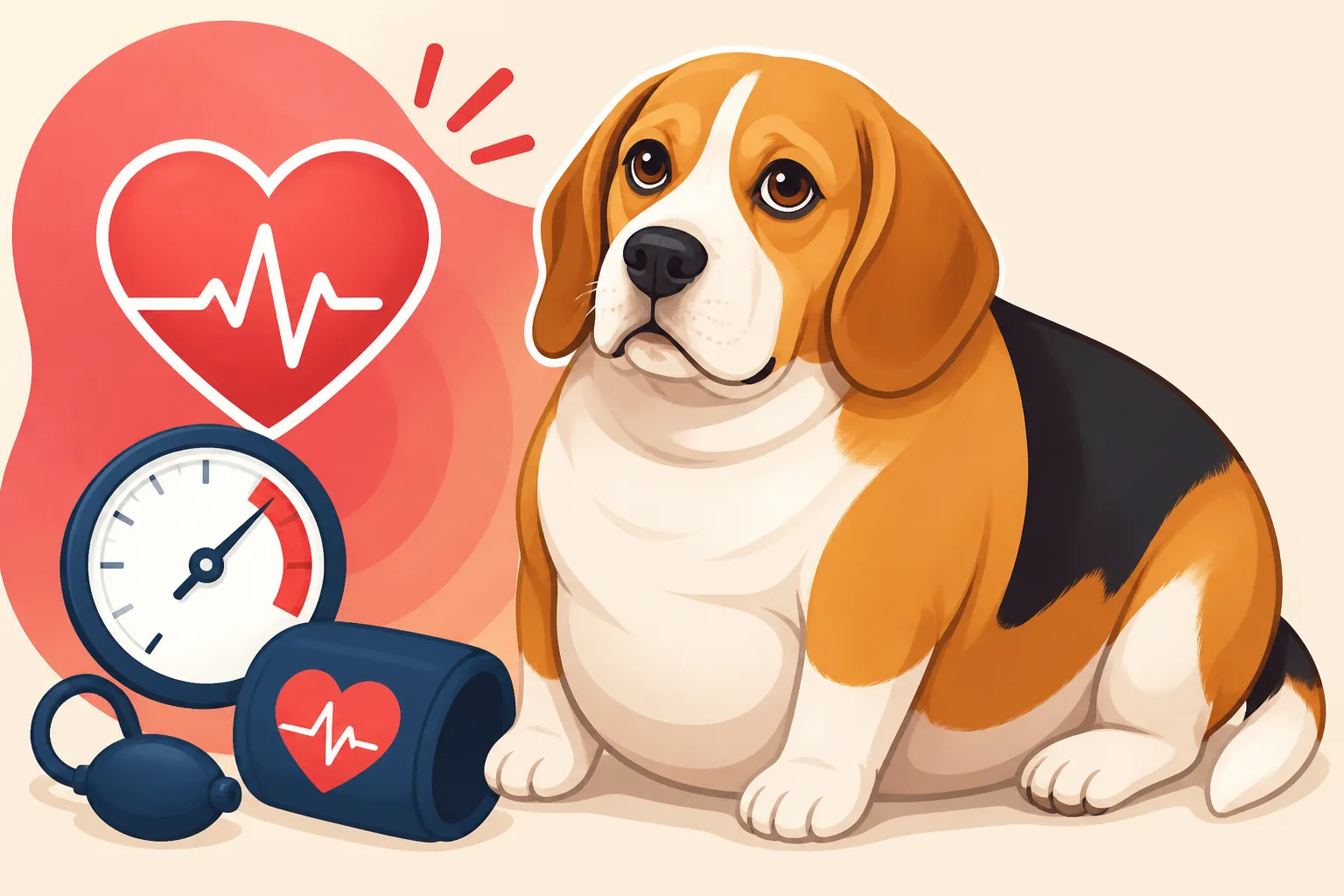
High Blood Pressure in an Overweight Beagle
It's a tough pill to swallow when you realize your beloved Beagle, who seems perpetually hungry and full of life, might be carrying a few too many pounds. And what's even tougher is learning that this extra weight isn't just about appearance; it's a direct threat to their long-term health, particularly increasing their risk for high blood pressure. This guide is here to walk you through why obesity and hypertension often go hand-in-hand in Beagles, how to spot the subtle signs, and most importantly, how to take actionable steps to protect your furry family member.
Understanding High Blood Pressure in Beagles (Hypertension)
When we talk about high blood pressure, or hypertension, in Beagles, we're referring to a condition where the force of blood against the artery walls is consistently too high. Just like in people, this isn't usually something you can see or feel in your dog in the early stages, making it a silent threat. It’s a condition that often develops secondary to other health issues, and for our Beagles, carrying extra weight is one of the biggest culprits.
Why Overweight Beagles Are Prone to Hypertension
Our Beagles are notorious for their incredible noses and even more incredible appetites. They are food-driven creatures, and it takes constant vigilance to keep them at a healthy weight. Unfortunately, this makes them highly susceptible to obesity, which then acts as a major risk factor for hypertension.
Think about it: when your Beagle carries excess weight, their body has to work harder. There's more tissue to supply with blood, which means their heart has to pump more forcefully and more blood volume is circulating. This increased demand puts a constant strain on the cardiovascular system. Additionally, fat tissue isn't just inert storage; it's metabolically active, secreting hormones and inflammatory substances that can directly impact blood vessel function, causing them to constrict and stiffen. This leads to higher resistance in the blood vessels, forcing the heart to work even harder to push blood through, further elevating blood pressure. It's a cascade effect, where one problem quickly leads to another, all stemming from those extra pounds.
Recognizing the Subtle Signs of High Blood Pressure
One of the most frustrating aspects of high blood pressure is how stealthy it is. You might not see any obvious symptoms until the condition is quite advanced and has already started to damage other organs. This is why regular vet check-ups are so critical, especially for Beagles prone to weight gain or those already in their senior years.
However, there are subtle signs that, if you know what to look for, might clue you in. These can include changes in behavior, such as increased lethargy, a decreased desire to play, or even confusion and disorientation. You might notice changes in their vision – perhaps they bump into things more often, seem hesitant to go down stairs, or their pupils appear dilated. In severe cases, high blood pressure can lead to sudden blindness or even seizures. Other signs might manifest as increased thirst and urination, indicating kidney strain, or even nosebleeds. Keep an eye out for any uncharacteristic restlessness or anxiety, as discomfort or a headache could also be underlying symptoms. Since these signs can be vague and indicative of many other issues, the best course of action is always a prompt visit to your veterinarian for a proper diagnosis.
The Link Between Obesity and Hypertension in Beagles
The connection between being overweight and having high blood pressure in Beagles is undeniable and forms a critical health concern for the breed. It's not just a coincidence; there's a direct physiological pathway that turns those extra pounds into increased pressure on their vital organs.
The Vicious Cycle: Weight Gain, Organ Strain, and Blood Pressure
Imagine your Beagle's body as a complex system of pipes and pumps. When there's excess fat, it's like adding extra length and resistance to those pipes. The heart, the pump, then has to work harder to push blood through the entire system. This increased workload isn't just a temporary boost; it's a chronic strain that takes a toll over time.
Excess weight leads to a whole host of metabolic changes. For example, it can cause insulin resistance, where the body's cells don't respond effectively to insulin, leading to higher blood sugar levels, a precursor to Beagle Diabetes and Blood Sugar Control. This resistance can also contribute to inflammation throughout the body, further damaging blood vessels and making them less elastic. Stiff, narrowed blood vessels require more pressure to push blood through them, directly elevating blood pressure. The kidneys, which play a crucial role in regulating blood pressure by managing fluid and salt balance, also come under immense stress. They have to filter more blood and work harder, and over time, this can lead to kidney damage, further impairing their ability to control blood pressure. It's a self-perpetuating problem where one issue exacerbates the next, often resulting in Beagle Obesity Treated as a Health Problem being a primary driver of hypertension and other serious conditions.
Long-Term Risks of Untreated Hypertension in Beagles
Ignoring high blood pressure in your Beagle is like letting a silent alarm ring in the background – eventually, something is going to break. The long-term consequences of untreated hypertension are severe and can significantly impact your Beagle's quality of life and lifespan.
The organs most susceptible to damage are the "target organs": the brain, kidneys, eyes, and heart. In the brain, high blood pressure can lead to neurological issues, including disorientation, strokes, or even seizures. The kidneys can suffer irreparable damage, leading to chronic kidney disease, which, as mentioned, further complicates blood pressure regulation. For the eyes, the delicate blood vessels in the retina can hemorrhage or detach, resulting in sudden or gradual blindness. And of course, the heart itself takes a massive hit. The constant strain of pumping against high pressure can lead to the thickening of the heart muscle, a condition called left ventricular hypertrophy, which makes the heart less efficient and can eventually lead to Beagle Heart Disease and Murmurs or even congestive heart failure. These are serious, life-altering conditions that can drastically shorten your Beagle's Beagle Lifespan and the Twelve to Fifteen Year Range. Early detection and intervention are absolutely key to preventing these devastating outcomes.
Managing High Blood Pressure Through Weight Reduction and Care
Once your Beagle has been diagnosed with high blood pressure, especially if it's linked to obesity, the focus immediately shifts to management. This isn't just about medication; it's a holistic approach that involves significant lifestyle changes, primarily centered around weight reduction.
Developing a Safe Weight Loss Plan
The cornerstone of managing hypertension in an overweight Beagle is getting those extra pounds off, safely and steadily. This requires a concerted effort and close collaboration with your veterinarian. They can help you determine your Beagle's ideal weight and calculate the appropriate daily caloric intake needed to achieve a healthy, gradual weight loss. Remember, rapid weight loss can be dangerous, so patience is key.
Your vet might recommend a prescription weight-loss diet or advise on specific commercial foods designed to be lower in calories but still provide essential nutrients. Portion control is paramount – no more free-feeding! Measuring food precisely, perhaps by weight rather than cups, is a great strategy. For a breed as food-motivated as Beagles, managing treats is also vital; opt for very low-calorie options or use parts of their daily meal allowance as training rewards. Consistent, moderate exercise also plays a huge role. This doesn't mean marathon runs right away, especially if your Beagle is significantly overweight or has existing health issues. Start with longer, more frequent walks, perhaps incorporating Scent Walks That Wear a Beagle Out as their incredible nose can provide mental and physical stimulation without excessive strain. Gradually increase activity levels as your Beagle's fitness improves. This entire process will likely involve more frequent vet visits initially to monitor progress, which can add up, but knowing your pet is covered by a plan like one from Healthy Paws can certainly help ease the financial stress of managing chronic conditions.
Medication and Monitoring for Beagle Hypertension
While weight loss is often the primary goal, some Beagles may require medication to bring their blood pressure down to a healthy range, especially if organ damage is already present or their blood pressure is critically high. Your vet will determine the best course of action, which might include ACE inhibitors, calcium channel blockers, or other antihypertensive drugs.
It's crucial to administer these medications exactly as prescribed and to never stop them suddenly without veterinary guidance. Regular monitoring is non-negotiable. This means frequent blood pressure checks at the vet's office. Your vet might even suggest specific blood tests to monitor kidney function, as some blood pressure medications can affect the kidneys. These follow-up appointments are vital for adjusting dosages and ensuring the medication is effective and not causing adverse side effects. As your Beagle ages, Beagle Vet Visit Frequency After the Age of Ten naturally increases, and for a Beagle with hypertension, these regular checks become even more critical to ensure their long-term health and stability.
Lifestyle Adjustments to Support a Healthy Beagle
Beyond diet and medication, several lifestyle adjustments can significantly support a Beagle with high blood pressure. Creating a calm, predictable environment can help reduce stress, which can impact blood pressure. Ensure your Beagle has a comfortable, quiet space to rest.
A consistent routine for feeding, walks, and potty breaks can also contribute to overall well-being. Consider enriching their environment with puzzle toys or regular short training sessions that engage their powerful sense of smell, helping to burn mental energy and reduce boredom without over-exertion. Even seemingly unrelated aspects, like proper Beagle Dental Care Across Fifteen Years, can make a difference. Chronic dental disease can introduce inflammation and bacteria into the bloodstream, potentially exacerbating systemic issues like hypertension. Regular brushing, dental chews, and professional cleanings, when needed, are important parts of their overall health plan. These small, consistent efforts all contribute to a healthier, happier Beagle.
Preventing Hypertension: A Proactive Approach for Beagle Owners
Prevention truly is better than cure, especially when it comes to conditions like high blood pressure that can be silent and insidious. For Beagle owners, being proactive about their dog's health, particularly concerning weight, is the most powerful tool in preventing hypertension.
Maintaining a Healthy Weight from Puppyhood On
The foundation of preventing high blood pressure starts early, ideally from the moment you bring your Beagle puppy home. Beagles are born with that incredible food drive, and it’s up to us, their human companions, to manage it responsibly. Establishing good habits from a young age is paramount. This means understanding exactly how much your growing puppy needs, rather than letting them free-feed or over-indulging with treats.
Puppies grow quickly, and their caloric needs change. Work closely with your vet to ensure you're feeding them an age-appropriate diet in the correct portions. Teaching kids and other family members not to constantly slip treats or table scraps is also crucial. As Beagles mature, their metabolism slows down, and their activity levels might decrease, making weight gain even easier. Proactively managing their diet and exercise throughout their life, adhering to the guidelines for Feeding a Beagle That Would Happily Eat All Day without letting them actually eat all day, is the best defense against obesity and its associated health problems, including hypertension. Regular weigh-ins at home can help you catch small gains before they become significant issues.
Regular Vet Checks and Early Detection
Even with the most diligent home care, regular veterinary check-ups are essential for preventing and detecting conditions like high blood pressure early. These aren't just for vaccinations; they're comprehensive health assessments. For Beagles, especially those moving into middle age or their senior years, annual or even semi-annual exams become critical.
During these visits, your vet will perform a thorough physical examination, listen to their heart, check their eyes, and crucially, monitor their weight. They may also suggest routine blood work. If your Beagle is at risk due to weight, age, or breed predisposition, your vet might recommend regular blood pressure screenings. This simple, non-invasive test can pick up hypertension before it starts causing noticeable symptoms or irreversible damage. It's also an opportunity to discuss other potential underlying conditions that can contribute to high blood pressure, such as kidney disease or hypothyroidism. For instance, knowing when to conduct Thyroid Testing a Beagle at Twenty-Four Months can identify issues that contribute to weight gain and subsequently, high blood pressure. By being vigilant and utilizing these vet visits, you're not just reacting to problems; you're actively working to keep your Beagle healthy and happy for as long as possible.
Beagle Health: Weight and Blood Pressure Snapshot
Here's a quick overview contrasting a healthy Beagle with an overweight one concerning blood pressure and associated risks:
| Feature | Healthy Weight Beagle | Overweight Beagle |
|---|---|---|
| Body Condition Score | Ideal (4-5/9) – Ribs easily felt, visible waist | Overweight/Obese (6-9/9) – Ribs hard to feel, no waist |
| Blood Pressure Risk | Low | High |
| Heart Strain | Minimal, efficient function | Increased workload, potential for heart disease |
| Kidney Strain | Healthy function | Increased filtration, higher risk of kidney disease |
| Eye Health | Lower risk of hypertension-related eye issues | Higher risk of retinal detachment/blindness |
| Joint Health | Good, less stress on hips and elbows | Higher risk of Beagle Arthritis Arriving in Middle Age |
| Energy Levels | Optimal for breed, playful | Often lethargic, reduced stamina |
| Lifespan Impact | Maximized potential Beagle Lifespan and the Twelve to Fifteen Year Range | Potentially shortened, reduced quality of life |
| Interventions | Preventative care, balanced diet, regular exercise | Calorie restriction, increased exercise, medication (if needed), vet monitoring |
Disclaimer
The information provided in this article is for educational purposes only and is not a substitute for professional veterinary advice. Always consult with a qualified veterinarian for any health concerns or before making any decisions about your Beagle's medical care or diet.