Beagle Hypothyroidism Symptoms Owners Notice First
It’s truly disheartening when your energetic, food-loving Beagle starts to slow down, gain weight despite no change in diet, or suddenly develops a dull coat and patches of hair loss. These subtle, often confusing changes can leave you scratching your head, wondering if it's just a part of aging or something more serious. This comprehensive guide is here to shed light on one common culprit behind these baffling symptoms in Beagles: hypothyroidism, a condition that impacts their overall health and vitality, helping you recognize the earliest signs so you can seek timely veterinary care.
Understanding Beagle Hypothyroidism and Its Roots
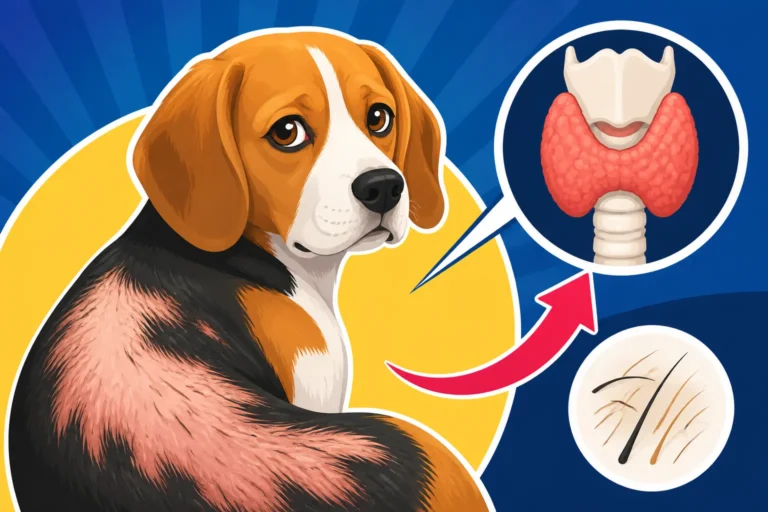
Hypothyroidism is a condition where your Beagle's thyroid gland, located in the neck, doesn't produce enough thyroid hormones. These hormones are absolutely essential for regulating metabolism, controlling energy levels, and influencing nearly every organ system in the body. When production drops, everything starts to slow down, and the effects can be widespread and often mistaken for other issues. For Beagles, specifically, there seems to be a genetic predisposition, making them one of the breeds that veterinarians often screen for this condition. It's not uncommon to see it emerge in middle-aged dogs, typically between the ages of 4 and 10, though it can certainly appear earlier or later.
Why Beagles Are Prone to This Thyroid Imbalance
Many Beagle owners are surprised to learn that their beloved hound might be genetically inclined to thyroid issues. The primary cause in dogs, including Beagles, is often an autoimmune disease called lymphocytic thyroiditis, where the body's immune system mistakenly attacks and destroys its own thyroid gland. Another common cause is idiopathic thyroid atrophy, which means the gland shrinks and stops functioning for unknown reasons. Because these conditions have a hereditary component, reputable breeders often include thyroid screening as part of their comprehensive health testing protocols, aiming to breed away from affected lines. Understanding this predisposition can help you be more vigilant and aware of the signs.
The Critical Role of Thyroid Hormones in Beagle Health
Imagine your Beagle's thyroid hormones as the master switch for their entire metabolic system. They dictate how quickly cells convert food into energy, how efficiently the heart beats, how fast hair grows, and even how well the brain functions. When these hormones are deficient, it's like everything runs in slow motion. Energy production plummets, leading to lethargy. The skin and coat suffer because cell turnover slows down. Even their ability to regulate body temperature can be compromised. This is why the symptoms of hypothyroidism can be so diverse and affect seemingly unrelated parts of their body, making it a tricky condition to pinpoint without specific diagnostic tests.
Early, Subtle Changes in Your Beagle's Behavior and Energy
One of the first things many Beagle owners notice isn't a dramatic physical change, but a subtle shift in their dog's usual vibrant personality and energy levels. Your typically boisterous, perpetually sniffing companion might start to seem, well, less Beagle-like. This often begins so gradually that it can be easy to dismiss, especially if you attribute it to aging or just a particularly lazy week. But paying close attention to these nuances can make a big difference in catching the condition early.
Unexplained Lethargy and Decreased Activity
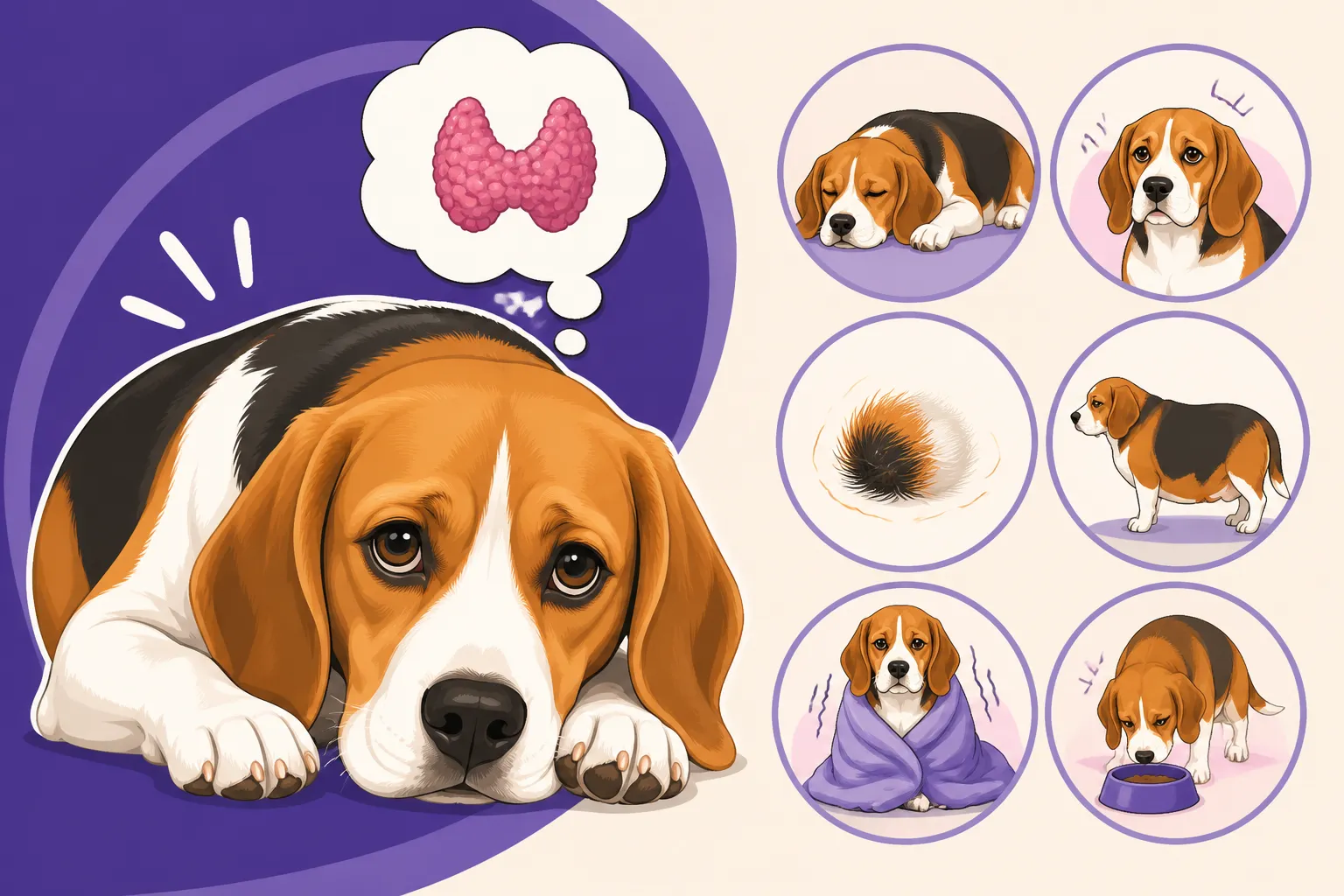
The classic sign that often sends owners to the vet is a noticeable decrease in energy. Your Beagle, once eager for every walk, every game of fetch, every opportunity to explore with their nose to the ground, might start to seem less enthusiastic. They might be slower to greet you at the door, less inclined to chase a squirrel in the yard, or simply spend more time napping. It's not just a passing tiredness; it's a persistent, underlying lethargy. Instead of their usual zest for life, they might exhibit a general sluggishness that isn't typical for their age or usual routine. If you find yourself consistently saying, "They just don't have the same spark anymore," it might be a clue. This isn't just about laziness; it's a physiological slowdown. This is one of the earliest signs we often see when a Beagle is experiencing Beagle Lethargy That Turns Out to Be Thyroid.
Mental Dullness and Behavioral Shifts
Beyond physical lethargy, you might also observe changes in your Beagle's cognitive function and overall demeanor. A once sharp and responsive dog might seem a bit "off." They might be slower to respond to commands, appear less alert to their surroundings, or even seem a little confused at times. Their typical Beagle curiosity might wane, and they might not engage with puzzle toys or scent games as readily as before. Some owners describe it as their dog becoming less "merry" or losing some of their characteristic Beagle charm. They might seem more withdrawn, less playful, or generally less interested in interacting with family members or other pets. It's important to differentiate this from simple stubbornness or aging; this is a true mental dullness that affects their ability to process and react to stimuli.
Physical Signs You Might Spot on Your Beagle's Skin and Coat
While behavioral changes can be subtle, the physical manifestations of hypothyroidism often become more apparent over time, especially concerning your Beagle's skin and coat. Beagles are known for their short, dense double coats, which are typically sleek and healthy. When thyroid hormones are insufficient, however, the skin's health and hair growth cycles are severely impacted, leading to a range of visible problems that can be quite distressing for owners.
Unexplained Hair Loss and a Dull Coat
One of the most common and telltale signs of hypothyroidism in Beagles is hair loss, medically termed alopecia. This often appears symmetrically on both sides of the body, particularly on the flanks, chest, and tail. You might notice thinning hair or bald patches, especially in areas where friction occurs, like under the collar or on their elbows. The hair that remains might look dull, brittle, and dry, losing its natural luster and softness. It can feel coarse to the touch, and you might even see excessive shedding that isn't typical for their seasonal cycles. This hair loss isn't usually itchy, which can help differentiate it from allergies or parasites. For a deeper dive into this specific issue, you can explore Beagle Hair Loss Traced Back to the Thyroid.
Dry, Flaky Skin and "Rat Tail" Appearance
As thyroid hormones regulate skin cell turnover and oil production, their deficiency can lead to noticeably dry, flaky, and sometimes scaly skin. You might see dandruff or feel a general coarseness when petting your Beagle. In some advanced cases, the skin can even become thickened, hyperpigmented (darker), and take on a greasy or oily texture due to secondary skin infections that thrive in compromised skin environments. Another classic sign that can appear is a "rat tail" or "bare tail," where the hair on the tail thins dramatically, often leaving it looking scaly or bald, especially near the base. This is due to the slowed hair growth cycle and can be quite distinctive in a hypothyroid Beagle.
Weight Gain and Metabolism Shifts in Hypothyroid Beagles
Perhaps one of the most frustrating and often misunderstood symptoms for Beagle owners is unexplained weight gain. Beagles are notoriously food-motivated, and many owners struggle with Beagle Obesity Treated as a Health Problem even without a thyroid issue. So, when your Beagle starts packing on pounds despite no changes to their diet or exercise, it’s easy to feel like you’re doing something wrong. However, with hypothyroidism, the weight gain is a direct result of their slowed metabolism, making it incredibly difficult to manage through conventional methods alone.
Unexplained Weight Gain Despite Normal Diet
When a Beagle's thyroid gland isn't producing enough hormones, their metabolism slows down significantly. This means their body burns calories at a much slower rate. You might be feeding your Beagle the exact same amount of food they've always had, and they might even be less active, yet the weight steadily creeps on. This isn't about overeating; it's about inefficient energy utilization. The body is essentially holding onto calories, leading to fat accumulation. It can be incredibly frustrating to diligently measure food portions and ensure your Beagle gets their daily walks, only to see the scale continue to climb. This weight gain can put additional stress on their joints and increase the risk of other health issues if left unaddressed. This symptom often goes hand-in-hand with Beagle Hypothyroidism and the Weight It Puts On.
Difficulty Losing Weight and Increased Cold Sensitivity
Not only do hypothyroid Beagles gain weight easily, but they also have an incredibly hard time shedding those extra pounds. Diet and exercise alone, which are usually effective for managing a healthy Beagle's weight, become much less potent tools when the underlying metabolic engine is sputtering. This can lead to a cycle of frustration for both you and your dog. Furthermore, because thyroid hormones play a role in regulating body temperature, many hypothyroid Beagles develop an increased sensitivity to cold. You might notice them seeking out warm spots more often, shivering when they never used to, or simply seeming uncomfortable in cooler temperatures. Their slowed metabolism means their body isn't generating as much internal heat, making them feel the chill more acutely.
Other Less Common But Important Symptoms to Watch For
While lethargy, skin problems, and weight gain are the most commonly observed symptoms of hypothyroidism in Beagles, the widespread influence of thyroid hormones means that the condition can manifest in other, less typical ways. These symptoms might not always be the first to appear, but they are equally important to recognize, as they can significantly impact your Beagle's quality of life and overall health.
Reproductive Issues and Heat Cycle Abnormalities
For unspayed female Beagles, hypothyroidism can wreak havoc on their reproductive cycles. You might notice irregular heat cycles, prolonged periods of heat, or even a complete absence of estrus. In severe cases, hypothyroid females may experience infertility or difficulty conceiving and maintaining a pregnancy. For male Beagles, the condition can lead to decreased libido and poor sperm quality. If you are considering breeding your Beagle, ensuring proper thyroid function is paramount, and many breeders will conduct Thyroid Testing a Beagle at Twenty-Four Months as part of a comprehensive health panel. These reproductive issues stem directly from the hormonal imbalance caused by the underactive thyroid.
Muscle Weakness, Joint Pain, and Neurological Signs
While not as common, some Beagles with hypothyroidism can exhibit signs related to muscle weakness or even subtle neurological issues. You might notice a general weakness or stiffness, reluctance to jump or climb stairs, or even a subtle alteration in their gait. Although Beagle Hip Dysplasia and Everyday Joint Wear is a common joint issue, generalized stiffness could sometimes point to systemic issues. In rare, more advanced cases, neurological symptoms such as facial paralysis, laryngeal paralysis (leading to a change in bark or difficulty breathing), or even seizures can occur, though these are far less typical and often warrant a deeper diagnostic workup to rule out other primary neurological conditions. The overall slowdown of metabolic processes can affect muscle function and nerve conduction, contributing to these less common signs.
Anemia and Increased Risk of Infections
Another less obvious sign that can sometimes be associated with hypothyroidism is a mild, non-regenerative anemia. This means the body isn't producing enough new red blood cells, which can contribute to generalized weakness and lethargy. You might not notice this without a blood test, but it's a systemic effect. Additionally, the compromised immune system that can sometimes accompany hypothyroidism can make your Beagle more susceptible to various infections, particularly skin infections (due to the poor skin health mentioned earlier) and ear infections. If your Beagle seems to be battling recurring infections that don't quite resolve, it could be a clue that an underlying issue, like hypothyroidism, is weakening their body's defenses.
When to Talk to Your Vet About Hypothyroidism Concerns
Recognizing the subtle and varied symptoms of hypothyroidism in your Beagle is the first critical step. The next, and most important, step is to consult with your veterinarian. Early diagnosis and treatment can make a world of difference in your Beagle's quality of life, preventing further deterioration of their health and reversing many of the distressing symptoms. Don't wait until symptoms become severe; even mild changes warrant a conversation with your vet.
The Importance of Comprehensive Veterinary Examination
When you bring your concerns to your vet, be prepared to discuss all the changes you've observed, no matter how minor they seem. Your vet will perform a thorough physical examination, looking for signs like dull coat, dry skin, weight gain, and any areas of hair loss. They'll also assess your Beagle's overall demeanor and energy levels. While these physical observations are crucial, a definitive diagnosis of hypothyroidism requires blood testing. Your vet will likely recommend a complete blood count (CBC), a biochemistry panel, and, most importantly, a thyroid panel. This panel typically measures total T4 (thyroxine) and often free T4 and TSH (thyroid-stimulating hormone) levels. These tests will provide a clear picture of how your Beagle's thyroid gland is functioning. It's often recommended to get Thyroid Testing a Beagle at Twenty-Four Months as a baseline.
What Diagnostic Tests Reveal and Next Steps
The results of the thyroid panel will indicate whether your Beagle's thyroid hormone levels are low, consistent with hypothyroidism. If the diagnosis is confirmed, your vet will prescribe synthetic thyroid hormone replacement medication, typically levothyroxine. This medication is usually given orally once or twice a day, and it's something your Beagle will likely need to take for the rest of their life. The good news is that Beagles generally respond very well to treatment, with many symptoms resolving within weeks to a few months. Weight can start to normalize, energy levels should return, and the coat and skin health will gradually improve.
You'll need regular follow-up blood tests, especially in the initial months of treatment, to ensure the medication dosage is correct and your Beagle's thyroid levels are maintained within the normal range. It's an ongoing commitment, but one that drastically improves their well-being. Keeping pet insurance in mind, like a plan from Healthy Paws, can be really beneficial here, as lifelong medication and routine blood work can add up. It's always best to have coverage in place before any diagnosis.
| Symptom Category | Common Hypothyroidism Signs in Beagles | What Owners Might Notice First | Potential Impact If Untreated |
|---|---|---|---|
| Behavioral/Energy | Lethargy, decreased activity | "He's just not himself, always sleeping." | Persistent tiredness, reduced quality of life |
| Mental dullness, decreased alertness | "Slower to respond, less interested in games." | Cognitive decline, less interaction | |
| Skin & Coat | Hair loss (alopecia), especially symmetrical | "Bald spots on his flanks, tail looks thin." | Extensive hair loss, unprotected skin |
| Dull, brittle, or coarse coat | "His fur used to be shiny, now it's dry." | Poor coat quality, increased grooming challenges | |
| Dry, flaky, or thickened skin | "He has dandruff, and his skin feels tough." | Chronic skin issues, susceptibility to infections | |
| Weight & Metabolism | Unexplained weight gain | "He's gaining weight even though I cut his food." | Obesity, strain on joints, other health risks |
| Difficulty losing weight | "Diet and exercise aren't helping him slim down." | Persistent obesity, metabolic imbalances | |
| Cold intolerance | "Always seeking warm spots, seems to shiver more." | Discomfort in cool environments | |
| Other | Reproductive issues (infertility, irregular cycles) | (For intact Beagles) "She's not cycling regularly." | Breeding difficulties, frustration for breeders |
| Muscle weakness/stiffness | "Reluctant to jump or climb stairs." | Reduced mobility, discomfort | |
| Mild anemia | (Detected by vet) | Worsening lethargy, pale gums | |
| Increased susceptibility to infections | "Always getting ear or skin infections." | Chronic health problems, discomfort |
Managing Hypothyroidism: A Lifelong Journey
Once your Beagle starts treatment, you'll likely see a dramatic improvement. However, it's crucial to understand that managing hypothyroidism is a lifelong commitment. Regular veterinary check-ups are essential, typically every 6-12 months once your Beagle is stable, to monitor their thyroid hormone levels and adjust medication dosages as needed. This helps ensure they remain in optimal health. Don't be surprised if your vet recommends periodic testing to monitor for any changes, especially as your Beagle enters their senior years, which you can learn more about in Senior Beagle Care After the Age of Ten. It’s also important to be vigilant for any recurrence of symptoms, as medication needs can change over time. Being consistent with medication and communicating openly with your vet are the keys to keeping your hypothyroid Beagle happy, healthy, and full of that wonderful Beagle energy we all love.
Disclaimer
This article is intended for informational purposes only and does not constitute medical advice. Always consult with a qualified veterinarian for any health concerns or before making any decisions about your Beagle's medical care.