Beagle Hair Loss Traced Back to the Thyroid
It’s truly disheartening to see your lively Beagle, usually full of boundless energy and a shiny coat, suddenly looking a bit…sparse. You might first dismiss it as just another round of shedding – after all, Beagles are master shedders! – but when the hair loss becomes patchy, dull, or comes with other changes, it’s natural to feel a pang of worry. This guide will walk you through understanding why your Beagle might be losing hair, with a particular focus on how thyroid issues often play a starring role in this frustrating condition.
Understanding Normal Beagle Shedding vs. Concerning Hair Loss
Every dog sheds, but Beagles, with their dense double coats, can make it feel like they're in a perpetual snowstorm of fur. Knowing the difference between what's normal and what signals a problem is the first step to figuring out what's going on with your furry friend.
The Beagle's Double Coat and Seasonal Shedding
Beagles possess a short, dense, weather-resistant double coat designed to protect them from the elements during their historical hunting escapades. This coat consists of a softer, insulating undercoat and coarser guard hairs on top. This construction means they're built to shed, especially seasonally. You'll likely notice heavier shedding periods in spring as they shed their winter undercoat, and again in the fall as they prepare for new growth. During these times, you might find clumps of hair around the house, on your furniture, and even clinging to your clothes. Regular brushing, sometimes daily, becomes a vital part of your routine to manage this natural process.
Even outside of seasonal "blows," Beagles tend to shed consistently throughout the year. It's just part of living with the breed! The hair loss typically looks uniform, with no bare patches, and the remaining coat appears healthy, shiny, and vibrant. If you run your hand over your Beagle and come away with a small tuft of hair, that's usually nothing to fret over. It's simply the continuous turnover of their robust coat doing its thing.
Signs That Hair Loss Isn't Just Normal Shedding
While some shedding is normal, there are definite red flags that indicate something more serious than routine coat turnover. If you're noticing any of the following, it's time to pay closer attention:
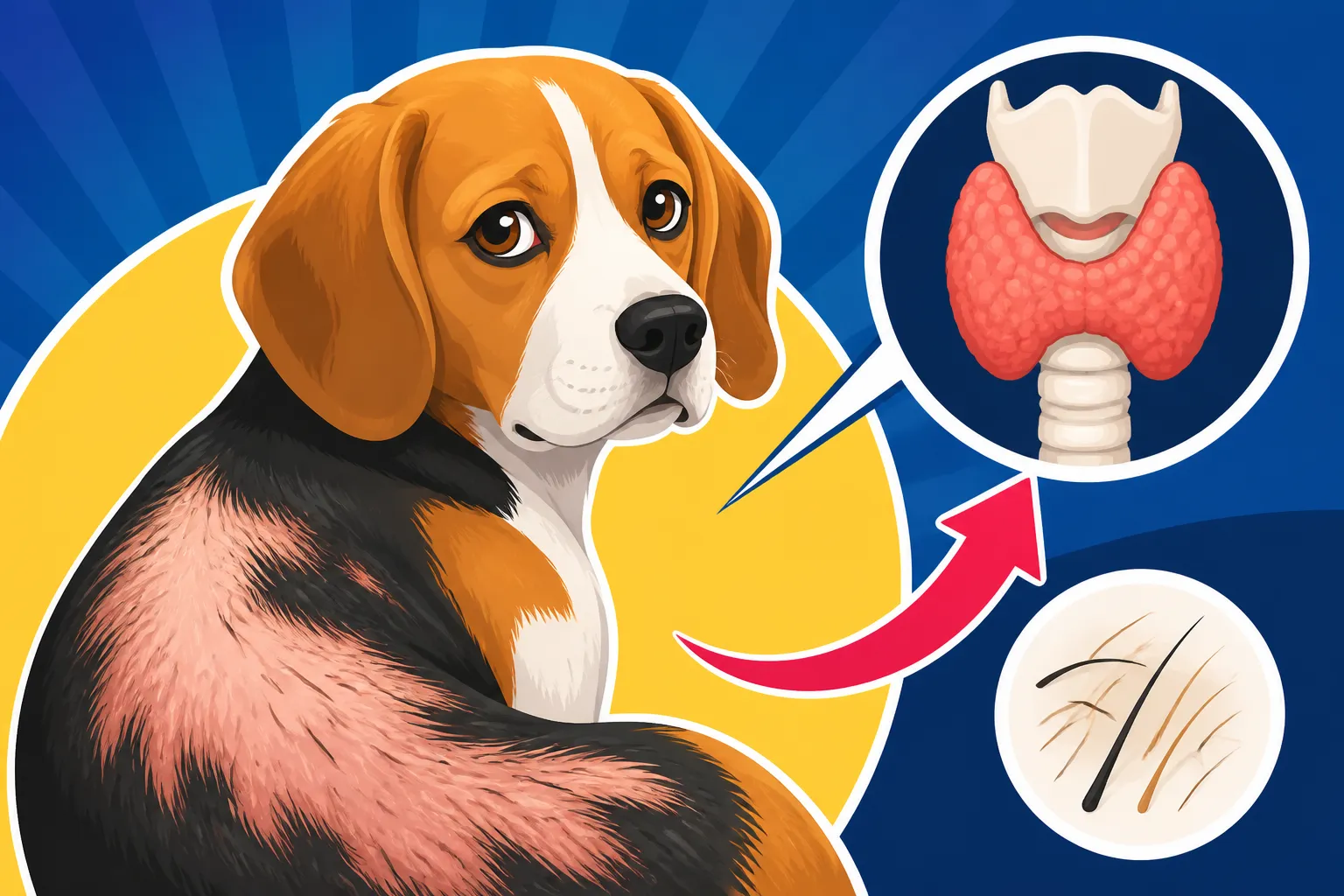
- Patchy or Symmetrical Hair Loss: This is one of the most common indicators that something is amiss. Instead of general thinning, you might see distinct areas where hair is missing, often on the flanks, chest, or tail. Symmetrical hair loss, where both sides of the body are affected similarly, is a classic sign of hormonal imbalances like thyroid issues.
- Dull, Brittle, or Sparse Coat: Even if there aren't outright bald patches, the overall quality of your Beagle's coat can change. It might lose its characteristic shine, feel coarse to the touch, or appear noticeably thinner than usual. The hair might break easily, and growth may seem sluggish.
- Accompanying Skin Changes: Look closely at the skin in the affected areas. Is it dry, flaky, or greasy? Do you see redness, inflammation, or any bumps? Darkening or thickening of the skin (known as hyperpigmentation or lichenification) often accompanies chronic hair loss and skin issues.
- Excessive Itching or Licking: While not always present with hormonal hair loss, intense itching (pruritus) can lead to self-inflicted hair loss as your Beagle scratches, licks, or chews at their skin. If your Beagle is scratching all night, it's a clear sign to investigate further.
- Other Behavioral or Physical Symptoms: Hair loss rarely occurs in isolation when it’s due to an underlying health problem. Keep an eye out for changes in energy levels, appetite, weight, thirst, or temperament. These accompanying symptoms can provide crucial clues for your veterinarian.
Hypothyroidism: A Common Culprit in Beagle Hair Loss
Among the various reasons a Beagle might experience hair loss, hypothyroidism stands out as a frequent cause. It's a condition that often goes unnoticed in its early stages because the symptoms can be subtle and mimic other issues.
What is Hypothyroidism and How It Affects Hair Follicles
Hypothyroidism occurs when your Beagle's thyroid gland, located in the neck, doesn't produce enough thyroid hormones. Think of these hormones as the body's internal thermostat, regulating metabolism and countless bodily functions, including skin and coat health. When thyroid hormone levels drop, the entire system slows down.
For hair follicles, this slowdown means they enter and stay in the resting phase (telogen) of the hair growth cycle for too long, delaying the transition back into the active growth phase (anagen). Existing hairs might become brittle and fall out, but new hair growth is significantly impaired or completely halted. This leads to the classic pattern of thinning fur, dullness, and eventually, patchy hair loss. The skin itself can also suffer, becoming dry, flaky, or more prone to secondary infections because its natural protective barriers are compromised.
Beagles, unfortunately, are among the breeds genetically predisposed to developing hypothyroidism. This predisposition means it's a condition that any Beagle owner should be aware of, especially if they notice changes in their dog's coat or behavior.
Other Key Symptoms of Beagle Hypothyroidism Beyond Hair Loss
While hair loss is a common and noticeable symptom, it's rarely the only one. Hypothyroidism affects the entire body, leading to a range of symptoms that can appear gradually, often making them easy to dismiss as "just aging" or "a bit lazy." Recognizing these other signs is crucial for early diagnosis:
- Lethargy and Decreased Activity: One of the most common signs is a noticeable drop in energy. Your once-lively Beagle might become unusually quiet, reluctant to play or go for walks, and sleep more than usual. This isn't just laziness; it's a genuine systemic slowdown. This Beagle lethargy that turns out to be thyroid is a common story.
- Weight Gain Without Increased Food Intake: Despite maintaining their usual diet and exercise, Beagles with hypothyroidism often start to put on weight. Their metabolism is sluggish, meaning they're burning fewer calories. This can be particularly frustrating for Beagle owners who are already battling the breed's notorious food drive. You can learn more about Beagle Hypothyroidism and Sudden Weight Gain.
- Intolerance to Cold: Dogs with low thyroid function struggle to regulate their body temperature. Your Beagle might seek out warm spots, shiver more, or seem uncomfortable in cooler environments.
- Dull, Dry, and Brittle Coat: Even before significant hair loss, the coat can lose its luster. It might feel coarse, dry, and lack the usual healthy sheen. The hair may also shed excessively without regrowth, or break off easily.
- Recurrent Skin Infections: The compromised skin barrier and immune function can make Beagles with hypothyroidism more susceptible to bacterial and yeast infections. You might notice redness, scaling, odor, or itchy pustules on their skin.
- Behavioral Changes: Some Beagles may become more irritable, anxious, or even aggressive due to feeling unwell or uncomfortable. Others might seem mentally dull or less responsive.
- "Tragic" Facial Expression: Some affected Beagles develop a specific facial appearance due to fluid retention and skin thickening, giving them a puffy look around the eyes and a somewhat sad or "tragic" expression.
- Other Less Common Signs: These can include slow heart rate (bradycardia), neurological signs, or even reproductive issues.
It's the combination of these symptoms, rather than just one in isolation, that often points directly to a thyroid problem.
Diagnosing Thyroid-Related Hair Loss in Beagles
If you suspect your Beagle's hair loss might be more than just normal shedding, or if you're seeing any of the other symptoms associated with hypothyroidism, don't delay a visit to your veterinarian. Early and accurate diagnosis is key to effective treatment.
The Importance of a Thorough Veterinary Examination
When you bring your Beagle in, your vet will start with a comprehensive physical examination. This isn't just a quick once-over; they'll feel your dog all over, checking for lumps, skin abnormalities, and assessing their general body condition. They’ll also ask you a lot of questions about your Beagle's history, diet, exercise routine, and any changes you’ve observed. This includes how long the hair loss has been present, if it's itchy, and if there are any other accompanying symptoms like lethargy or weight changes.
It’s important that your vet rules out other potential causes of hair loss first. For instance, they might perform skin scrapings to check for mites, fungal cultures for ringworm, or discuss allergy testing if itching is a major symptom. Only once these more common and easily identifiable causes are ruled out or addressed, will they typically move on to investigating hormonal imbalances like hypothyroidism. This systematic approach ensures that your Beagle receives the most appropriate and effective treatment plan.
Understanding Thyroid Blood Panels
The definitive diagnosis of hypothyroidism relies on blood tests that measure the levels of various thyroid hormones. It’s not usually a single test, but rather a panel of tests that gives a complete picture of thyroid function.
- Total T4 (Thyroxine): This measures the total amount of thyroid hormone circulating in the blood. A low T4 is suggestive of hypothyroidism, but it can also be influenced by other illnesses or certain medications (like steroids).
- Free T4 (fT4): This measures the biologically active, unbound portion of the T4 hormone. It's often considered a more accurate indicator than total T4 because it's less affected by non-thyroidal illnesses.
- TSH (Thyroid Stimulating Hormone): This hormone, produced by the pituitary gland, tells the thyroid gland to produce more T4 and T3. In a hypothyroid dog, the pituitary gland tries to compensate for the underactive thyroid by releasing more TSH, so a high TSH level, combined with low T4 and fT4, is a strong indicator of primary hypothyroidism.
- Thyroglobulin Autoantibodies (TgAA): These antibodies are sometimes present in cases of autoimmune thyroiditis, a common cause of hypothyroidism in dogs. Their presence indicates that the immune system is attacking the thyroid gland.
Your vet will likely recommend a full thyroid panel, which typically includes all these measurements. They will interpret the results in conjunction with your Beagle's clinical signs and physical exam findings. Sometimes, a "sick euthyroid" state (where T4 is low due to other illnesses, not true hypothyroidism) can complicate diagnosis, making comprehensive testing and careful interpretation essential. For more detailed information, consider reading Thyroid Testing a Beagle at Twenty-Four Months.
Treatment and Management for Hypothyroid Beagles
Receiving a diagnosis of hypothyroidism might feel daunting, but the good news is that it’s a very manageable condition with a straightforward treatment plan. Most Beagles respond incredibly well to medication, and you'll likely see significant improvements in their hair, skin, and overall well-being.
Lifelong Thyroid Hormone Replacement Therapy
The cornerstone of treating canine hypothyroidism is lifelong daily medication with a synthetic thyroid hormone, typically levothyroxine. This medication directly replaces the hormones your Beagle's thyroid gland isn't producing. It's usually given orally, once or twice a day, and it's absolutely crucial to administer it consistently and exactly as prescribed by your vet. Missing doses or giving it irregularly can lead to a return of symptoms and make it harder to stabilize your Beagle's hormone levels.
Within a few weeks to months of starting treatment, you should begin to notice positive changes. Your Beagle's energy levels will likely pick up, they might lose some of the excess weight, and their coat will start to improve. New hair growth can take several months to become fully apparent, so patience is key. The existing dull, brittle hair might even shed out more rapidly to make way for the healthy new growth. Think of it as hitting the reset button on your Beagle's metabolism.
Monitoring and Adjusting Medication
Treating hypothyroidism isn't a "set it and forget it" process. Because each dog's metabolism is unique, finding the optimal dosage of levothyroxine requires careful monitoring. Your vet will typically schedule follow-up blood tests, often 4-8 weeks after starting medication, to check how your Beagle is responding. These tests measure the thyroid hormone levels in their blood again, usually a few hours after a dose, to ensure the medication is working effectively and that the dose is appropriate.
Based on these results and your Beagle's clinical improvement, your vet will adjust the dosage as needed. It might take a couple of adjustments to find the "sweet spot" where your Beagle feels best and their hormone levels are within the normal range. Once stable, your Beagle will still require regular blood tests, usually once or twice a year, to ensure the dosage remains correct over time. This ongoing monitoring is vital because a Beagle's needs can change as they age, or if they develop other health conditions. It’s also incredibly important to understand What Happens If a Beagle Stops Thyroid Medication, as abruptly discontinuing it can cause symptoms to rebound severely.
Other Potential Causes of Beagle Hair Loss
While hypothyroidism is a significant cause of hair loss in Beagles, it's not the only one. A good veterinarian will always explore other possibilities to ensure an accurate diagnosis and effective treatment.
Allergies and Skin Conditions Mimicking Thyroid Issues
Allergies are incredibly common in dogs and can manifest with skin problems, including hair loss due to excessive itching and scratching.
- Environmental Allergies (Atopy): Just like people get hay fever, dogs can be allergic to pollen, dust mites, and molds. These allergies often cause intense itching, leading your Beagle to scratch, lick, and chew themselves, especially on their paws, belly, and ears. This self-trauma results in hair loss, redness, and secondary skin infections. If your Beagle is suffering from Beagle Skin Allergies and Constant Itching, it might be environmental.
- Food Allergies: Some Beagles develop allergies to certain ingredients in their food, most commonly proteins like chicken, beef, or dairy. Symptoms are similar to environmental allergies – intense itching, skin inflammation, and hair loss. Diagnosing food allergies usually involves a strict elimination diet, which can be a long process but is often very effective. Learn more about Beagle Food Allergies Showing Up on the Skin.
- Contact Dermatitis: Less common, but still possible, is an allergic reaction to something directly touching your Beagle's skin, like certain bedding materials, cleaning products, or even plants. Hair loss would typically occur in the areas that came into contact with the allergen.
In all these allergic scenarios, the hair loss isn't directly caused by a systemic internal issue, but rather by the Beagle's reaction to an external or ingested allergen, leading to irritation and self-inflicted damage.
Parasites, Fungal Infections, and Nutritional Deficiencies
Several other factors can contribute to a Beagle's hair loss:
- Parasites: Fleas are a classic culprit. Even if you don't see them, a single flea bite can trigger an intense allergic reaction in some Beagles (flea allergy dermatitis), leading to severe itching and hair loss, particularly around the tail base and hindquarters. Mites, such as demodex or sarcoptic mange mites, burrow into the skin causing intense itching, redness, and patchy hair loss. You can find out more about Fleas in a Beagle's Dense Double Coat.
- Fungal Infections: Ringworm, despite its name, is a fungal infection, not a worm. It causes circular patches of hair loss, often with a scaly or crusty appearance, and can be itchy. It's contagious to other pets and humans.
- Nutritional Deficiencies: A diet lacking in essential nutrients, particularly fatty acids (like Omega-3 and Omega-6), vitamins, and high-quality protein, can lead to a dull, dry coat, excessive shedding, and poor hair growth. While less common with modern, well-balanced commercial dog foods, it can occur with homemade diets that aren't properly formulated. Ensuring your Beagle is getting a balanced diet is fundamental to their overall health.
- Stress: While not a direct cause of patchy hair loss, chronic stress can weaken the immune system and lead to a dull coat and increased shedding.
- Cushing's Disease (Hyperadrenocorticism): This is another hormonal disorder where the body produces too much cortisol. It can also cause symmetrical hair loss, thin skin, a pot-bellied appearance, increased thirst, and urination, though it's typically less common than hypothyroidism.
Because many of these conditions can present with similar symptoms to hypothyroidism, a thorough diagnostic workup by your vet is essential to pinpoint the exact cause of your Beagle's hair loss and implement the right treatment plan. Navigating the diagnostic process and potential long-term care can be a concern for owners, and options like Healthy Paws pet insurance can help manage unexpected veterinary costs.
Comparing Symptoms: Normal Shedding vs. Common Causes of Hair Loss
To help you distinguish between routine shedding and more concerning causes of hair loss, here’s a quick overview of key differentiating factors:
| Symptom / Condition | Normal Shedding | Hypothyroidism | Allergies (Environmental/Food) | Mange / Fungal Infections |
|---|---|---|---|---|
| Hair Loss Pattern | Even, generalized thinning | Symmetrical, patchy, often flanks/tail | Itchy areas, secondary to scratching | Localized patches, circular (ringworm) |
| Itchiness | Minimal to none | Usually none directly from hair loss | Severe and persistent | Severe (sarcoptic), mild/none (demodex) |
| Skin Appearance | Healthy, clean | Dry, flaky, thickened, sometimes darkened | Red, inflamed, sometimes secondary infection | Red, scaly, crusty, bald spots |
| Coat Quality | Healthy, shiny, new hair growth | Dull, brittle, sparse, poor regrowth | Dull, greasy, or dry from constant licking | Broken hairs, scabby, rough |
| Other Symptoms | None | Lethargy, weight gain, cold intolerance, dullness | Licking paws, ear infections, scooting | Pustules, intense scratching, odor |
| Onset | Gradual, seasonal, consistent | Gradual, insidious | Often seasonal (environmental), year-round (food) | Varies (sudden with sarcoptic, gradual demodex) |
This table provides a general guide, but remember that individual Beagles can present differently. Always consult your veterinarian for an accurate diagnosis.
Disclaimer
The information provided in this article is for educational and informational purposes only, and does not constitute veterinary medical advice. Always consult with a qualified veterinarian for any health concerns or before making any decisions related to your Beagle's health or treatment plan.