Hip Dysplasia in a Beagle That Still Runs All Day
It’s incredibly disheartening to watch your lively, perpetually sniffing Beagle, who still charges through the yard like a puppy, suddenly show signs of discomfort or stiffness. You think, "How can my active Beagle have hip dysplasia? They run all day!" This guide is for every Beagle owner grappling with that exact question, offering a deep dive into understanding, recognizing, and managing hip dysplasia, even in the most energetic hounds.
Understanding Hip Dysplasia in Beagles Even Active Ones
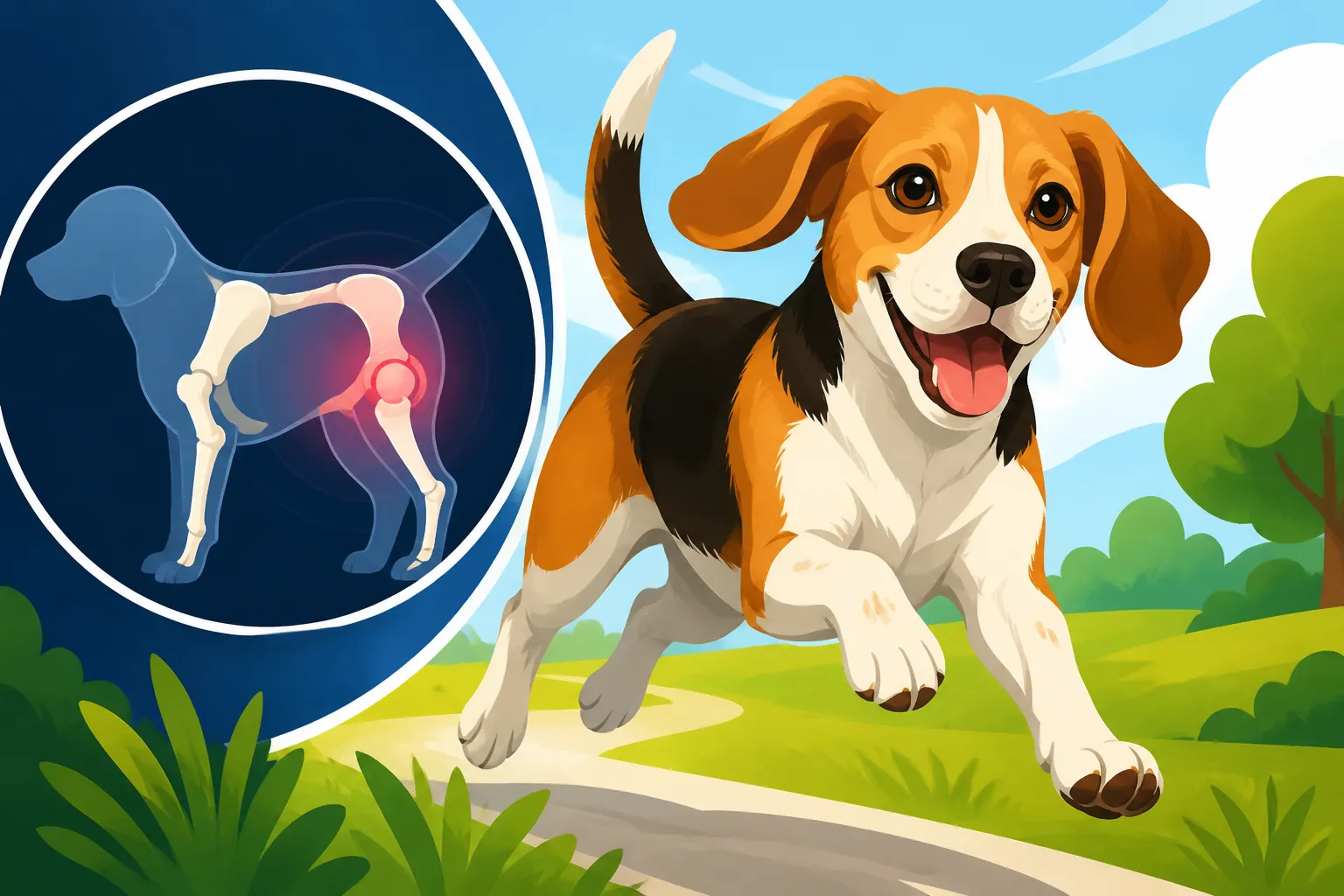
When you picture hip dysplasia, you might immediately think of a big, lumbering dog struggling to get up, perhaps an older German Shepherd or a giant breed. But the truth is, hip dysplasia doesn't discriminate based on size or even current activity level, and our tenacious Beagles can absolutely be affected. It's a condition that can be present even in a dog that still seems to be living its best, most active life, which makes it particularly sneaky.
What is Hip Dysplasia?
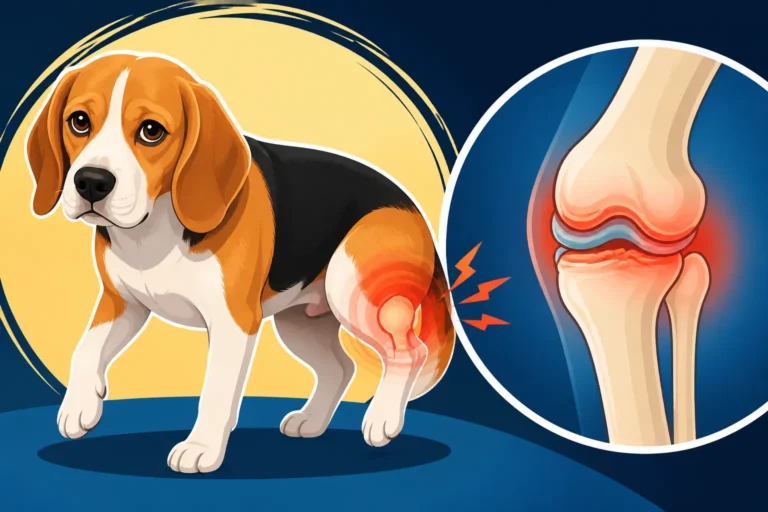
At its core, hip dysplasia is a malformation of the hip joint. Think of your Beagle's hip as a ball-and-socket joint – the 'ball' is the head of the femur (thigh bone), and the 'socket' is the acetabulum, part of the pelvis. In a healthy hip, this ball fits snugly and smoothly into the socket, allowing for fluid motion. With hip dysplasia, this fit isn't quite right. The socket might be too shallow, the ball might be flattened, or both components might develop abnormally.
This improper fit means that the joint doesn't move as it should. Instead of gliding, the bones can rub and grind against each other. Over time, this friction leads to degeneration of the joint, causing inflammation, pain, and eventually, the breakdown of cartilage and the development of arthritis. It’s a progressive condition, meaning it often gets worse over time, even if it starts subtly. This is what we refer to as Beagle Hip Dysplasia and Everyday Joint Wear, as the abnormal movement accelerates the wear and tear.
Why Does it Affect Beagles?
While Beagles aren't typically considered a giant breed, they are indeed prone to hip dysplasia, largely due to a combination of genetic predisposition and their unique physical build. The condition is polygenic, meaning multiple genes contribute to its inheritance, which makes breeding away from it a complex challenge. If a Beagle's parents or grandparents had hip dysplasia, even if they showed minimal symptoms, there's a higher chance their offspring could inherit the genes for poor hip conformation.
Beyond genetics, the Beagle's compact, muscular body and energetic nature can play a role. They're built for endurance and scent work, constantly on the go, navigating varied terrain. This constant, sometimes high-impact, activity on a joint that isn't perfectly formed can exacerbate the underlying dysplasia. Their enthusiasm often masks early signs because they try to push through discomfort, driven by their incredible scent drive and zest for life. This is why vigilance is key for owners, even if your Beagle seems tireless.
Common Misconceptions: "But My Beagle Still Runs!"
This is perhaps the most common and understandable misconception. Owners often tell their vets, "But there's no way it's hip dysplasia; Buster runs around like crazy! He still jumps on the couch!" And it's true, Beagles are incredibly resilient and have a high pain tolerance, especially when there's an exciting scent involved. Their strong hind leg muscles can compensate for a malformed joint for a surprisingly long time.
What you're observing is often their determination overriding discomfort. The joint is still grinding, inflammation is still occurring, and arthritis is still developing, even if your Beagle isn't showing obvious lameness. The issue is that the body is trying to adapt to the problem, recruiting other muscles and changing gait subtly to avoid pain. This compensatory action can delay overt symptoms, but it doesn't halt the progression of the disease. In fact, relying heavily on compensatory movements can sometimes lead to secondary issues, like muscle strain or pain in other joints, further complicating the picture.
Recognizing the Subtle Signs of Hip Dysplasia in an Energetic Beagle
Because Beagles are so good at hiding discomfort, recognizing hip dysplasia often requires a keen eye and a deep understanding of your dog's normal behaviors. You're not usually looking for a dramatic limp right away, especially not in an active dog. Instead, you'll be watching for minor shifts in their habits or posture that, when combined, paint a clearer picture.
Early Warning Signs Often Missed
Many early signs of hip dysplasia are subtle and can easily be mistaken for normal aging, temporary stiffness, or just a bit of laziness. You might notice your Beagle hesitating before jumping onto the couch or into the car, a task they once accomplished with a flying leap. Perhaps they're a little slower to get up after a nap, or they stretch more often, really trying to work out stiffness in their hindquarters.
Another subtle sign is a change in their running gait. Instead of a smooth, powerful stride, you might observe a slight sway in their hindquarters, or they might seem to run with their back legs closer together, almost "crab-walking." They might also tire out slightly faster on walks or be less enthusiastic about longer play sessions, though their nose will still lead them to every interesting smell. These are the kinds of changes that prompt you to schedule a vet visit, even if your Beagle still seems generally happy and active.
The "Bunny Hop" and Other Indicators
As hip dysplasia progresses, some more distinct physical indicators might emerge. One classic sign is the "bunny hop," where your Beagle uses both hind legs together, much like a rabbit, when running or climbing stairs. This movement reduces the stress on one hip at a time by distributing the load. It's a clear red flag that warrants immediate veterinary attention.
You might also feel muscle loss in their hindquarters over time, even if they're otherwise active. The muscles around the hip may atrophy due to disuse, while muscles in the front legs or shoulders may become overdeveloped as they compensate. Palpate their hind legs and compare them; if one side feels less muscular or if the overall hindquarter mass seems reduced, it's a concern. Sensitivity to touch around the hips, reluctance to have their hind legs manipulated, or even a sudden snap or growl when touched in that area can also be strong indicators of pain. Watch for a Beagle That Suddenly Will Not Jump on the Couch, as this is a very common early indicator.
When to Seek Veterinary Consultation
It’s tempting to wait until your Beagle is obviously lame or crying out in pain before seeing the vet, but with hip dysplasia, early intervention can make a significant difference in managing the condition and maintaining their quality of life. As soon as you start noticing any of the subtle signs described above—hesitation, stiffness, a change in gait, decreased endurance, or any form of "bunny hopping"—it's time to call your veterinarian.
Don't dismiss these signs, especially if your Beagle is still in its prime or middle age. The sooner you can get a diagnosis, the sooner you can implement strategies to slow the progression of arthritis and keep your Beagle comfortable. Even if your vet finds nothing, you've gained peace of mind. But if they do find something, you'll be ahead of the curve in developing a treatment plan, which can include everything from lifestyle adjustments to medication or even surgery. Remember, early detection is crucial for managing conditions like Beagle Arthritis Arriving in Middle Age, which often accompanies hip dysplasia.
Diagnosing and Managing Hip Dysplasia: What Comes Next
Receiving a diagnosis of hip dysplasia can feel overwhelming, especially when your dog still acts like they could run a marathon. But understanding the diagnostic process and the available management options will empower you to make the best decisions for your beloved Beagle.
The Diagnostic Process: X-rays and Physical Exams
Your vet will typically start with a thorough physical examination, observing your Beagle's gait, checking for range of motion in the hip joints, and assessing for pain or instability. They might perform specific maneuvers, like the Ortolani test, to feel for looseness in the joint. However, a definitive diagnosis almost always requires X-rays.
For hip dysplasia, special positioning of your Beagle for the X-rays is critical to get a clear view of the hip joint's conformation. This usually requires sedation to ensure your dog is perfectly relaxed and positioned correctly, preventing inaccurate results. The X-rays will show the veterinarian the shape of the femoral head and acetabulum, the depth of the socket, and any signs of degeneration or arthritis. Reputable organizations like the Orthopedic Foundation for Animals (OFA) and PennHIP (Pennsylvania Hip Improvement Program) provide standardized methods for evaluating hip radiographs, offering a reliable way to assess hip quality. Understanding Beagle Hip Screening by OFA or PennHIP can help you interpret your vet's findings.
Conservative Management Strategies
For many Beagles, especially those with mild to moderate hip dysplasia or those diagnosed early, conservative management is the first line of defense. The cornerstone of this approach is weight management. Keeping your Beagle at a lean, healthy weight is paramount, as every extra pound significantly increases the stress on already compromised joints. Your vet can help you determine the ideal body condition score for your Beagle.
Beyond weight, regular, controlled exercise is vital. Think low-impact activities like swimming, short leash walks, and structured play that avoids sudden twists or high jumps. Physical therapy can also be incredibly beneficial, including hydrotherapy (underwater treadmill) to build muscle strength without impact, massage, and therapeutic exercises tailored to your Beagle's needs. Non-steroidal anti-inflammatory drugs (NSAIDs) can be prescribed to manage pain and inflammation during flare-ups, and joint supplements containing glucosamine, chondroitin, and omega-3 fatty acids are often recommended to support joint health. Investing in a quality pet insurance plan, like one from Healthy Paws, early on can really help manage the ongoing costs of these treatments.
Surgical Interventions
When conservative management isn't enough to keep a Beagle comfortable and active, or if the dysplasia is particularly severe, surgical options may be considered. Several surgical procedures are available, each with its own indications and recovery protocols.
For younger Beagles with significant hip laxity but minimal arthritis, procedures like a Juvenile Pubic Symphysiodesis (JPS) or a Triple Pelvic Osteotomy (TPO) might be options. These surgeries aim to improve the fit of the joint before severe degenerative changes occur. For older Beagles or those with advanced arthritis, a Femoral Head Ostectomy (FHO) can be performed, where the head of the femur is removed, allowing a "false joint" to form. While this doesn't restore a normal hip, it eliminates the painful bone-on-bone rubbing. The most comprehensive, but also most expensive, option is a Total Hip Replacement (THR), where the damaged ball and socket are replaced with prosthetic components, offering excellent long-term results in suitable candidates. These are significant decisions, and your vet will help you weigh the pros and cons of each, considering your Beagle's age, severity of disease, and overall health.
Living with a Beagle with Hip Dysplasia: Supporting Their Active Lifestyle
A diagnosis of hip dysplasia doesn't mean your Beagle's active life is over. It simply means you'll need to make some adjustments and be a more proactive advocate for their joint health. With careful management, many Beagles with hip dysplasia continue to enjoy fulfilling, happy lives.
Adapting Exercise Routines
The key to exercising a Beagle with hip dysplasia is consistency and moderation, focusing on activities that support joint health without causing undue stress. Instead of long, strenuous runs or intense games of fetch with abrupt stops and starts, opt for several shorter, gentle walks throughout the day. Leash walks on soft surfaces, like grass or dirt trails, are better than pavement. Swimming is an excellent low-impact exercise that builds muscle without stressing the joints, making it a fantastic option if your Beagle enjoys the water.
Avoid activities that involve high jumps, fast turns, or repetitive impact. Encourage controlled play that keeps all four paws on the ground. Think about incorporating mental enrichment activities, like scent games or puzzle toys, which can tire out your Beagle's keen nose and mind without taxing their hips. This balanced approach helps maintain muscle mass, flexibility, and a healthy weight, all crucial for managing the condition. Remember that a Senior Beagle Care After the Age of Ten will require even more gentle and adapted exercise routines.
Home Modifications for Joint Support
Making simple modifications around your home can significantly improve your Beagle's comfort and mobility. Ramps and steps are invaluable, eliminating the need for your Beagle to jump onto and off furniture, into the car, or up and down stairs. This helps protect their spine and hips from jarring impacts. Investing in Ramps and Steps That Protect a Beagle Spine is a wise choice.
Ensure your Beagle has comfortable, orthopedic bedding that supports their joints and reduces pressure points. Avoid slippery floors, which can cause them to splay out and strain their hips. Consider runners or non-slip mats in high-traffic areas. Raised food and water bowls can also provide comfort, as they prevent your Beagle from having to bend down excessively, which can be painful for compromised hips. Even small changes can make a big difference in their daily comfort and ability to move freely.
The Role of Nutrition and Supplements
Nutrition plays a crucial role in managing hip dysplasia. Maintaining an ideal body weight, as discussed, is perhaps the most important dietary consideration. Your vet may recommend a therapeutic diet specifically formulated for joint health, often containing higher levels of omega-3 fatty acids, glucosamine, and chondroitin.
Beyond a prescription diet, many owners choose to add supplements. Omega-3 fatty acids, found in fish oil, have natural anti-inflammatory properties that can help reduce joint pain and stiffness. Glucosamine and chondroitin are building blocks of cartilage and may help slow its degeneration, though their effectiveness can vary. Other supplements like MSM or green-lipped mussel may also be recommended. Always discuss any supplements with your veterinarian before adding them to your Beagle's regimen to ensure they are appropriate and won't interact with any other medications. Looking into Joint Supplements That Help an Aging Beagle is a great way to explore options.
Managing hip dysplasia in a Beagle who still runs all day is a journey that requires patience, observation, and a strong partnership with your veterinarian. But with the right approach, you can help your energetic companion continue to thrive and enjoy life to the fullest.
Disclaimer
This article is for general informational purposes only and does not constitute professional advice. Laws, prices and regulations vary by location and change over time. Consult a qualified professional for guidance on your specific situation.