Early Beagle Disc Signs Long Before Paralysis
It’s a truly frightening moment when you see your lively Beagle suddenly wince, hesitate before jumping, or just not seem "right." Many of us worry constantly about our beloved hounds, especially as they age, and back problems are a silent fear for many Beagle parents. This guide is here to shed light on the early, often subtle, signs of disc issues in Beagles, long before they escalate into something as severe as paralysis, helping you recognize these crucial indicators and know when to seek help.
Understanding Your Beagle's Spine: A Delicate Structure
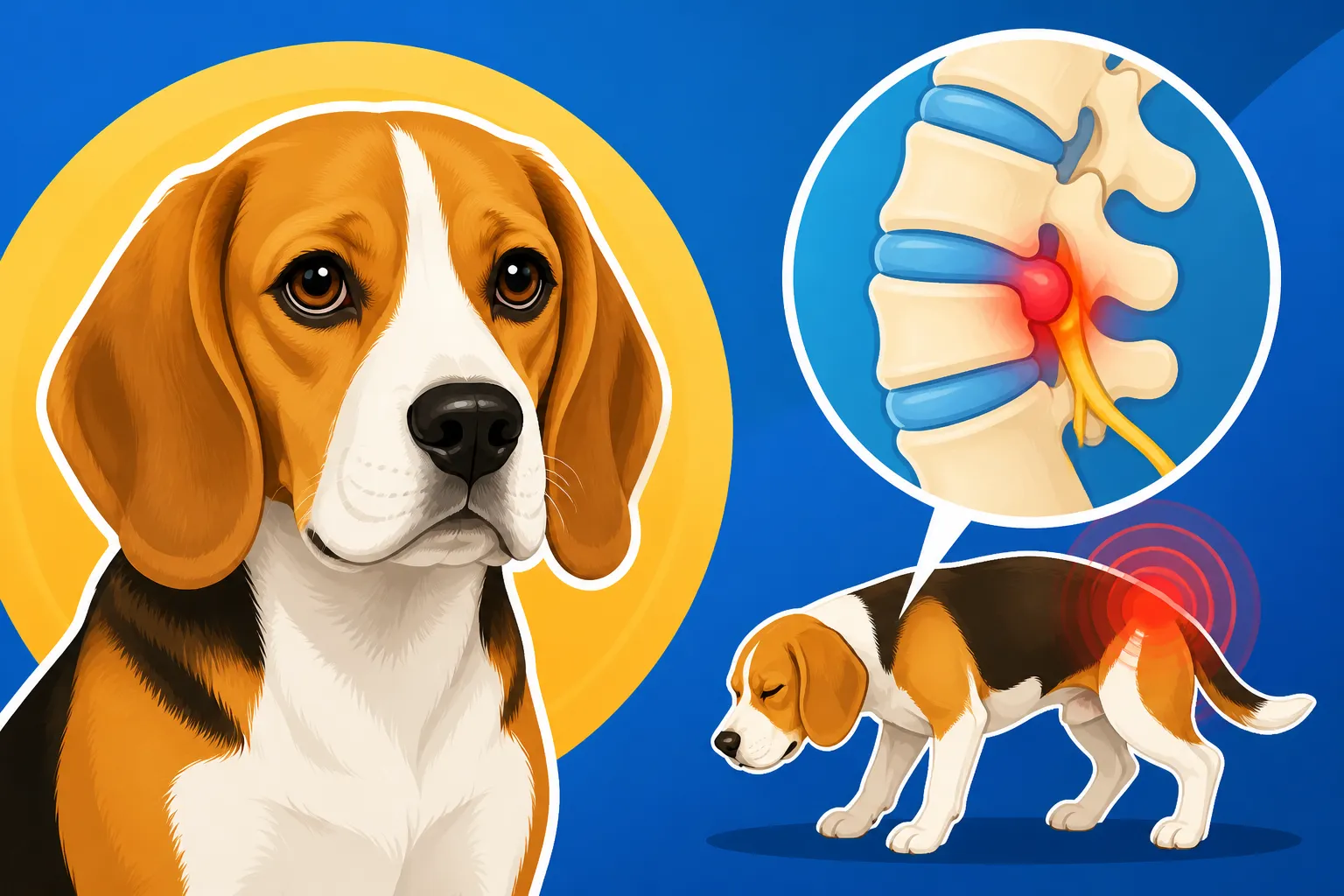
Beagles are known for their sturdy, compact bodies, but like many breeds with a slightly longer back relative to their leg length, they can be predisposed to certain spinal conditions. The most common of these is Intervertebral Disc Disease (IVDD), a condition where the cushioning discs between the vertebrae in the spine either bulge or rupture, pressing on the spinal cord. This pressure can range from mild discomfort to severe pain, weakness, and, in worst-case scenarios, paralysis. Knowing the basics of how their spine works can help you understand why these early signs are so critical.
The Anatomy of a Beagle's Back
Imagine your Beagle’s spine as a stack of bony building blocks (vertebrae) with soft, jelly-filled donuts (intervertebral discs) in between each one. These discs act as shock absorbers, allowing for flexibility and protecting the spinal cord that runs through the middle. In Beagles, sometimes the outer fibrous layer of these discs can stiffen and become more brittle over time, especially in breeds prone to chondrodystrophy—a condition affecting cartilage development. This change makes them less able to absorb shock and more prone to bulging or rupturing, which is exactly what happens in IVDD. When a disc bulges, it pushes against the spinal cord, causing pain. If it ruptures, the jelly-like center can extrude, causing even more severe compression and inflammation. This is why it's so important to understand Why a Beagle Back Is Longer Than It Looks and how it contributes to these vulnerabilities.
Why Beagles Are Prone to Disc Problems
It’s not just their conformation; it’s also their lifestyle. Beagles are active, scent-driven dogs. They love to jump, twist, and dive into bushes after a fascinating smell. This high-impact activity, combined with their genetic predisposition, makes them particularly susceptible to IVDD. The constant strain of sudden movements, repetitive jumping off furniture, or even vigorous play can put undue stress on those vulnerable discs. What might seem like a normal, happy Beagle day can, over time, contribute to disc degeneration. Understanding that this isn't a sudden event but often a gradual process makes early detection even more vital. Many owners are surprised to learn that Beagle Disc Disease and That Slightly Long Back is a common concern.
Subtle Early Warning Signs to Watch For
The trick with disc problems is that they rarely start with a bang. Often, the initial signs are incredibly subtle, easily mistaken for general stiffness, old age, or a momentary clumsiness. As a Beagle owner, you know your dog best, and paying close attention to these minor shifts in behavior can make all the difference. Don't dismiss a slight hesitation or a new habit; it could be your Beagle trying to tell you something.
Changes in Movement and Posture
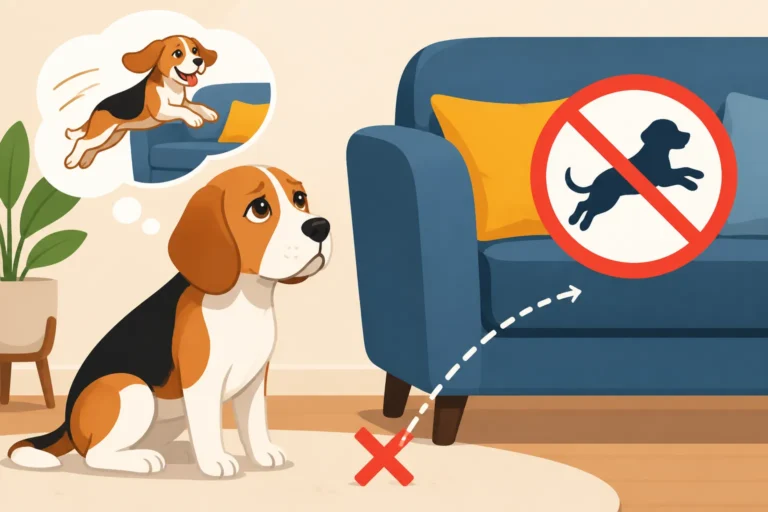
One of the first things you might notice is a change in how your Beagle moves. This isn't necessarily a dramatic limp, but rather a subtle alteration. Perhaps your Beagle used to bound up the stairs with ease, but now they take them one at a time, or even hesitate at the bottom. You might observe a reluctance to jump onto the couch or into the car, even if they used to be avid sofa surfers. This hesitation is a big red flag. For instance, if you have a Beagle that suddenly refuses to perform a once-loved action like jumping on the couch, pay close attention to the guide: A Beagle That Suddenly Will Not Jump on the Couch. They might also develop a "guarded" posture, holding their back stiffly, or walking with a hunched appearance. Sometimes, a slight tremor in their hind legs when standing might be noticeable, indicating weakness or pain they're trying to compensate for.
Behavioral Shifts and Sensitivity
Beyond movement, a disc issue can manifest as changes in your Beagle's overall behavior and temperament. Beagles are typically jovial and outgoing, so any sudden shyness, irritability, or reluctance to engage in play should raise an eyebrow. A common sign is increased sensitivity to touch, especially along their back or neck. If your Beagle usually loves a good back scratch but now flinches or cries out when you touch a certain spot, that's a significant indicator of pain. They might also become withdrawn, seeking solitude more often, or even show signs of aggression if they anticipate being touched in a painful area. Another telling sign can be a change in their sleeping position; they might avoid curling up and instead stretch out to alleviate pressure on their spine.
Vocalizations and Appetite Changes
Pain often leads to vocalizations, and while Beagles are known for their baying, unusual whimpering, groaning, or yelping without an obvious cause can signal distress. If your Beagle cries out when picked up, or when making a sudden movement, it’s definitely a sign to investigate further. It’s not just direct pain cries; sometimes, an underlying discomfort can make them generally more vocal, or conversely, unusually quiet. Additionally, severe pain can sometimes affect appetite. While a Beagle’s food drive is legendary, a noticeable decrease in their usual enthusiasm for meals could indicate that they’re feeling too unwell or in too much pain to eat normally. Keep a close eye on their water intake too; sometimes, difficulty reaching the bowl due to neck pain can lead to reduced hydration. If you notice your Beagle holding its head low, indicating neck pain, consider reading: Beagle Neck Pain and a Head Held Low.
What to Do When You Suspect a Disc Issue
If you're noticing any of these subtle signs, the most important thing is to act promptly. Early intervention can significantly improve the outcome for your Beagle and potentially prevent the condition from worsening. Don't wait until your dog is clearly in agony or showing neurological deficits; catching it early is key.
Immediate Steps and Veterinary Consultation
Your first call should always be to your veterinarian. Describe all the changes you've observed, no matter how minor they seem. It's often helpful to keep a small journal of symptoms, noting the date, time, and severity of each occurrence. Your vet will perform a thorough physical and neurological exam, gently palpating your Beagle's spine to identify painful areas and checking their reflexes and coordination. They might suggest diagnostic imaging, such as X-rays, although X-rays don't show the discs themselves very well. For a definitive diagnosis of IVDD, an MRI or CT scan is often required. This can be a significant expense, and it's a good time to review your pet insurance coverage. Many policies, like those from Healthy Paws, can help with the costs of such diagnostic procedures if the condition isn't pre-existing. Understanding Beagle MRI Costs Before Back Surgery can help you prepare.
Rest, Medication, and Management
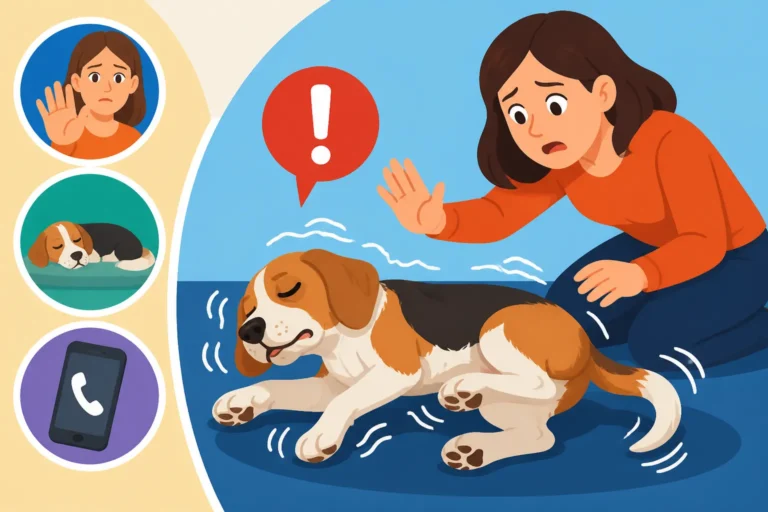
Once a disc issue is suspected or diagnosed, your vet will likely recommend a course of strict rest, often involving crate rest for several weeks. This means no jumping, no running, no stairs – just short, leashed potty breaks. This period of rest is crucial for allowing the inflamed disc to heal and for the swelling to subside. They will also prescribe anti-inflammatory medications and pain relievers to manage discomfort. It's vital to follow these instructions precisely, even if your Beagle seems to be feeling better; prematurely ending rest can lead to a relapse. During this time, gentle handling is paramount. When lifting your Beagle, support their back and hindquarters evenly to avoid twisting or straining the spine. For more details on this crucial recovery phase, consult Crate Rest for a Beagle With a Disc Injury.
Preventative Measures to Protect Your Beagle's Spine
While you can’t completely eliminate the risk of IVDD in a predisposed breed like the Beagle, there are many things you can do to minimize strain on their delicate spine and promote overall spinal health. Being proactive about their care can make a significant difference in their long-term comfort and mobility.
Maintaining a Healthy Weight
One of the most impactful things you can do for your Beagle’s back is to keep them at a healthy weight. Extra pounds put immense additional pressure on their spine and joints, accelerating disc degeneration and making them more susceptible to injury. Even a few extra pounds can be detrimental. Regularly assess your Beagle’s body condition, ensuring you can easily feel their ribs without seeing them, and that they have a visible waistline. If you suspect your Beagle is overweight, work with your vet to create a weight loss plan. This often involves carefully measured food portions and controlled exercise. The implications of excess weight are serious, as discussed in How Extra Weight Raises Beagle Disc Pressure.
Environmental Modifications and Safe Movement
Making small changes to your home environment can significantly reduce strain on your Beagle’s back. Consider providing Ramps and Steps That Protect a Beagle Spine so they don't have to jump on and off furniture or in and out of the car. Using a well-fitting harness instead of a collar can also help, as it distributes pressure across their chest rather than straining their neck and spine when they pull on the leash. Always use a harness for walks, especially if your Beagle is an enthusiastic sniffer who pulls. Additionally, avoid activities that involve excessive twisting, jumping, or sudden changes in direction, particularly as your Beagle ages. If your Beagle is prone to pulling on walks, choosing a front-clip harness can be beneficial. Consider asking your vet or a knowledgeable pet store staff for recommendations like those found at a local Petco or independent pet supply shop.
Regular Exercise and Physical Therapy
Consistent, moderate exercise is important for maintaining muscle strength and flexibility around the spine, but it needs to be the right kind of exercise. Instead of high-impact activities, focus on controlled walks on a leash, gentle swimming (if your Beagle enjoys it and it's safe), or structured playtime that avoids sudden twists and turns. After a disc injury, or as a preventative measure for older Beagles, physical therapy can be incredibly beneficial. A certified canine rehabilitation therapist can teach you exercises to strengthen core muscles, improve balance, and maintain mobility without stressing the spine. These exercises are a crucial part of recovery and ongoing management. Many pet insurance plans, like those from Healthy Paws, offer coverage for rehabilitation therapy, making it more accessible. Learning about Beagle Physical Therapy After a Back Injury can provide further guidance.
| Early Disc Problem Signs Checklist | Severity | Action Required |
|---|---|---|
| Movement & Posture | ||
| Hesitation to jump/use stairs | Moderate | Vet visit soon |
| Hunched back/stiff gait | Moderate | Vet visit soon |
| Shaking/weakness in hind legs | Moderate | Vet visit soon |
| Difficulty getting up/down | Moderate | Vet visit soon |
| Behavioral Shifts | ||
| Reluctance to play/engage | Moderate | Vet visit soon |
| Increased irritability/shyness | Moderate | Vet visit soon |
| Sensitivity/pain when touched | High | Emergency Vet |
| Seeking solitude more often | Moderate | Vet visit soon |
| Vocalizations & Appetite | ||
| Unusual whimpering/groaning | High | Emergency Vet |
| Crying out when picked up | High | Emergency Vet |
| Sudden decrease in appetite | High | Emergency Vet |
| Unusually quiet | Moderate | Vet visit soon |
Disclaimer
The information provided in this guide is for general educational purposes only and should not be considered a substitute for professional veterinary advice. Always consult with a qualified veterinarian regarding any health concerns or before making any decisions about your Beagle's medical care.