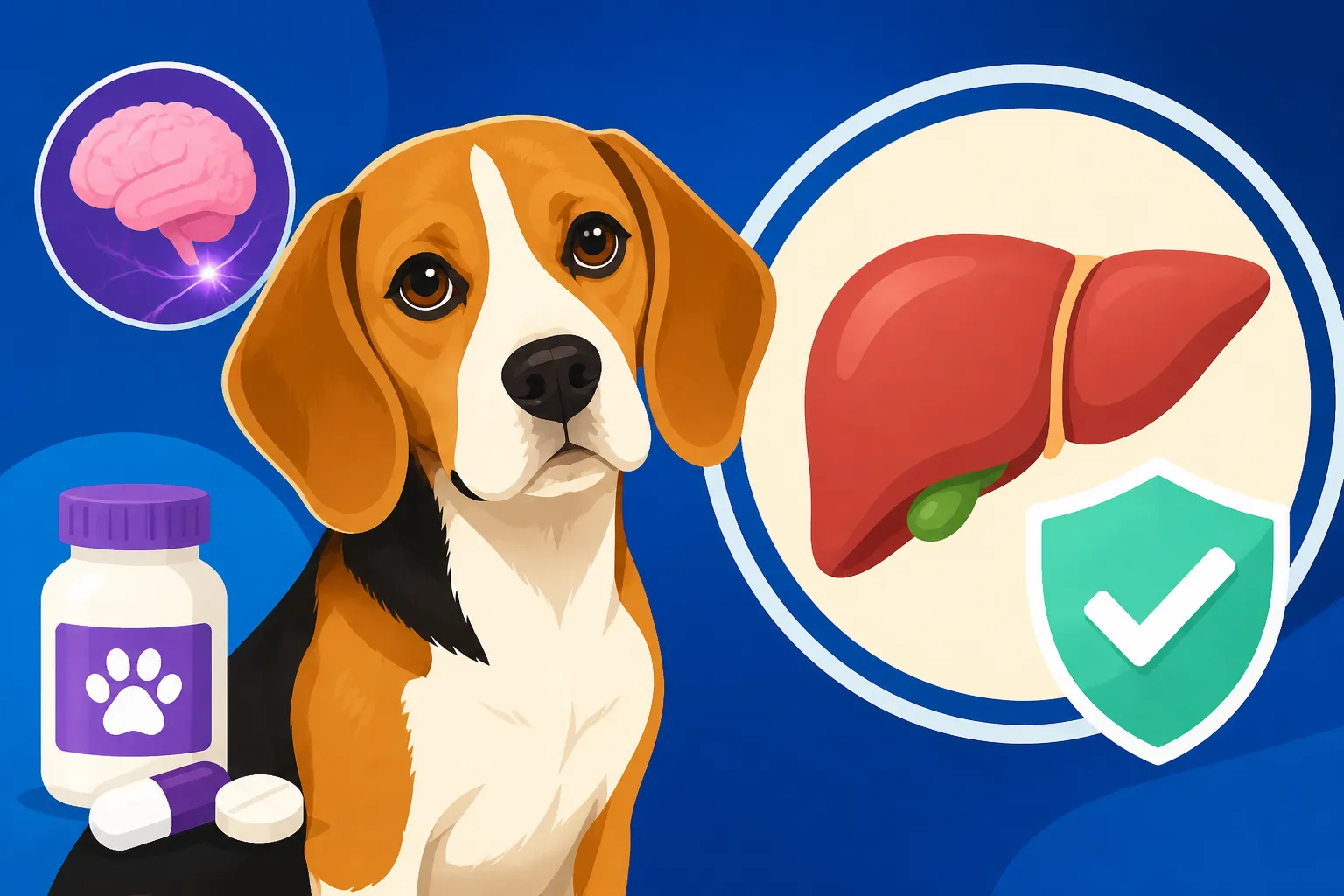
Liver Monitoring for a Beagle on Seizure Medication
It's incredibly stressful when your beloved Beagle is diagnosed with epilepsy or another condition requiring daily medication, especially when you know those medications can have their own set of serious side effects. One of the biggest worries many of us face is the impact on their liver, a vital organ that works tirelessly to keep them healthy. This comprehensive guide will walk you through everything you need to know about liver monitoring for Beagles on seizure medication, ensuring you feel prepared and empowered to protect your furry family member's health.
The Heavy Responsibility of Beagle Seizure Medication
Giving your Beagle medication to control seizures is a double-edged sword. On one hand, it offers relief and helps manage a condition that can be terrifying to witness. On the other, it introduces a new layer of concern, particularly regarding the internal organs working hard to process these drugs. The liver, in particular, often bears the brunt of this work, and understanding why is the first step in proactive care.
Why Liver Health is a Primary Concern with Anticonvulsants
Many of the most common medications prescribed to manage Beagle Epilepsy and Seizures From Six Months On are metabolized, or broken down, by the liver. Think of your Beagle's liver as a sophisticated processing plant, constantly filtering blood, breaking down substances, and detoxifying the body. When a dog is on anticonvulsants, especially long-term, this processing plant has to work overtime. Over time, this increased workload can lead to stress, inflammation, and even damage to the liver cells.
If the liver becomes compromised, it can no longer perform its critical functions effectively. Toxins might build up in the bloodstream, leading to a cascade of other health problems. Essential proteins might not be synthesized, and nutrient absorption can suffer. It's a domino effect that can quickly impact your Beagle's overall health and quality of life, which is why regular and diligent liver monitoring isn't just a suggestion; it's a necessity for any Beagle on these medications.
Common Seizure Medications and Their Liver Impact
When we talk about seizure medication and liver health, one drug often comes to mind first: Phenobarbital. This is a very effective anticonvulsant, and many Beagles on seizure medication, especially those dealing with Idiopathic Epilepsy in Beagles From Six Months to Six Years, find it brings much-needed stability. However, it is primarily metabolized by the liver, and long-term use is well-known for potentially causing liver enzyme elevations and, in some cases, more significant liver damage. That's why Phenobarbital for a Beagle With Epilepsy always comes with a strict monitoring protocol.
Other medications have different profiles. For instance, Potassium Bromide as a Beagle Seizure Drug is excreted mostly through the kidneys, not the liver, so it generally poses less of a direct liver risk. However, it can still cause other side effects like increased thirst and appetite, and occasionally pancreatitis. Newer generation drugs like Keppra (levetiracetam) and Zonisamide are often favored because they are not as heavily metabolized by the liver, making them a good option for Beagles with pre-existing liver issues or when Phenobarbital proves problematic. Even with these, regular check-ups are still important, as every dog's body reacts differently. Your vet will weigh the benefits against the risks for your specific Beagle, always aiming for the best seizure control with the fewest side effects.
Understanding Liver Function and What Monitoring Reveals
It's one thing to know that medications affect the liver, but it's another to truly grasp what the liver does and what those numbers on your Beagle's blood work report actually mean. Demystifying these tests can help you feel more engaged and informed in your Beagle's care journey.
The Liver's Crucial Role in a Beagle's Body
Imagine a bustling factory inside your Beagle, performing countless essential tasks around the clock. That's the liver. Its primary jobs include:
- Detoxification: It filters harmful substances from the blood, like waste products from metabolism, drugs, and toxins ingested from the environment (a common concern for curious Beagles!).
- Protein Synthesis: It produces essential proteins, including albumin (which helps maintain fluid balance) and clotting factors (crucial for stopping bleeding).
- Bile Production: Bile, produced by the liver, is essential for digesting fats and absorbing fat-soluble vitamins.
- Nutrient Storage: The liver stores vitamins (A, D, E, K, B12), minerals (iron, copper), and glycogen (a form of glucose) to release when the body needs them.
- Metabolism: It processes fats, carbohydrates, and proteins, converting them into energy or storing them.
When any of these functions are impaired, your Beagle's entire system can start to falter. This is why liver health is so integral to their overall well-being and why vigilant monitoring is so crucial when they're on medications that challenge this incredible organ.
Key Blood Tests for Liver Monitoring
Your veterinarian will use a panel of blood tests to assess your Beagle's liver health. It's not just about one number; it's about seeing the whole picture and understanding the trends over time.
- ALT (Alanine Aminotransferase): This is an enzyme found inside liver cells. When liver cells are damaged, ALT leaks into the bloodstream, causing levels to rise. Elevated ALT usually indicates some form of liver cell injury or inflammation. However, it doesn't tell us why the damage is occurring, nor how well the liver is actually functioning.
- ALP (Alkaline Phosphatase): ALP can be elevated for several reasons, not all of them liver-related. It can indicate cholestasis (a backup of bile flow), but it also rises with certain medications like corticosteroids, bone growth (common in puppies), or even some chronic diseases. In Beagles on Phenobarbital, significantly elevated ALP is very common and usually indicates liver stress rather than severe damage, but it still needs to be monitored.
- Bilirubin: This is a yellow pigment that's a byproduct of red blood cell breakdown. The liver processes bilirubin and excretes it in bile. Elevated bilirubin levels in the blood can indicate liver disease (where the liver can't process it), or a blockage in bile flow, or even excessive red blood cell destruction (hemolysis). Jaundice, the yellowing of skin and eyes, is a visible sign of very high bilirubin.
- Bile Acids Test: This is often considered the most specific test for liver function. It measures how well the liver can clear bile acids from the bloodstream. A fasting sample is taken, then your Beagle eats a meal, and another sample is taken two hours later. The liver should efficiently remove bile acids from the blood after a meal. If levels remain high, it indicates impaired liver function. This test is typically run if ALT/ALP are persistently high or if there's concern about the liver's actual working capacity.
- Albumin: While not solely a liver test, albumin is a protein produced by the liver. Low albumin levels can indicate severe chronic liver disease, as the liver loses its ability to synthesize this important protein.
Your vet doesn't just look for "normal" versus "abnormal." They're looking at patterns, how high the elevations are, whether they're increasing, and correlating them with your Beagle's clinical signs. Sometimes, even significant elevations in enzymes like ALP are deemed acceptable for a Beagle on life-saving seizure medication, as long as the liver's overall function (like bile acids) remains good.
The Monitoring Schedule: When and How Often
Navigating the monitoring schedule for your Beagle can feel like a lot to keep track of, especially when you're already juggling medication times and a Keeping a Seizure Diary for Your Beagle. But sticking to this schedule is paramount for catching potential liver issues early, often before your Beagle even shows visible signs of discomfort.
Initial Monitoring After Starting Medication
When your Beagle first starts on an anticonvulsant, especially drugs like Phenobarbital, the initial few weeks are critical. Your vet will typically recommend a baseline blood panel before starting the medication, if possible. This provides a clear picture of your Beagle's liver health when it's not under the influence of the drug.
After starting the medication, the monitoring usually kicks in quite quickly:
- 2-4 Weeks Post-Start: The first follow-up blood test is usually done within 2 to 4 weeks. This allows your vet to assess how your Beagle's body is adjusting to the medication, check the medication levels in the bloodstream (especially for Phenobarbital, to ensure it's in the therapeutic range), and see if any liver enzyme elevations are occurring. This early check is vital for making necessary dose adjustments – either to increase for better seizure control or decrease if side effects are too pronounced.
- 3 Months Post-Start: If the initial checks are stable, another blood panel might be recommended around the 3-month mark. This ensures your Beagle's liver is continuing to cope as it settles into a routine with the medication.
- 6 Months Post-Start: Assuming everything is still looking good, a 6-month check is often the next step. By this point, you and your vet should have a good understanding of how your Beagle's liver handles the medication.
It's important to remember that these are general guidelines. Your vet might adjust the frequency based on your Beagle's specific health, the type and dosage of medication, and any initial blood work findings.
Long-Term Monitoring for Beagles on Stable Doses
Once your Beagle is on a stable dose of anticonvulsant medication, and their seizure control is good, the liver monitoring schedule will likely become less frequent but no less important. For Beagles on long-term seizure medication, especially Phenobarbital, most veterinarians recommend ongoing blood work every 6 to 12 months.
During these routine visits, your vet will perform a comprehensive physical exam, discuss any changes you've noticed at home, and run the necessary blood tests to check liver enzyme levels (ALT, ALP) and potentially bile acids to assess liver function. These regular checks are essential because liver changes can develop slowly over time, sometimes without any outward signs until the damage is significant. By catching these changes early, your vet can intervene, whether that means adjusting the medication, adding liver support supplements, or exploring alternative treatments.
Consistency is key here. It's easy to get complacent when your Beagle is doing well, but skipping these routine monitoring appointments can leave you blindsided by a problem that could have been managed proactively. Think of it as a vital part of your Beagle's long-term health plan, similar to how you'd keep up with their Beagle Health Testing Under CHIC or annual vaccinations.
What to Watch For: Signs of Liver Trouble at Home
Even with regular vet visits and blood tests, you are your Beagle's most important advocate. You see them every day, know their quirks, and are in the best position to spot subtle changes that might indicate a problem. Being vigilant at home can make all the difference in catching liver issues early.
Subtle Changes in Your Beagle's Behavior and Appearance
Many early signs of liver trouble are vague and could easily be attributed to other minor ailments or just an "off day." This is where your deep understanding of your Beagle's normal behavior becomes crucial. Keep an eye out for:
- Lethargy or Decreased Activity: Is your typically energetic Beagle suddenly less interested in walks or playtime? Are they sleeping more than usual, even for a Beagle? A general lack of energy can be an early indicator.
- Decreased Appetite or Pickiness: Beagles are usually not known for being picky eaters, so if your dog starts turning their nose up at meals or treats, it's worth noting. A persistent disinterest in food is a red flag.
- Vomiting or Diarrhea: Occasional stomach upset happens, but if your Beagle is frequently vomiting or having loose stools, especially without a clear dietary indiscretion, it could signal liver distress.
- Increased Thirst and Urination (PU/PD): Often, Beagles on anticonvulsants will show some increase in thirst and urination, especially with Phenobarbital. However, a significant or sudden increase beyond what's "normal" for them on their medication could be a sign of worsening liver issues or other problems like Beagle Diabetes and Blood Sugar Control or kidney disease. Keeping a Seizure Diary for Your Beagle can also be a good place to jot down these daily observations.
- Weight Loss (Unexplained): Despite a potentially increased appetite with some seizure meds, if your Beagle is losing weight without any intentional dietary changes, it could indicate that their body isn't processing nutrients properly due to liver impairment. This contrasts with concerns about Beagle Obesity Treated as a Health Problem, highlighting the importance of knowing your Beagle's ideal body condition.
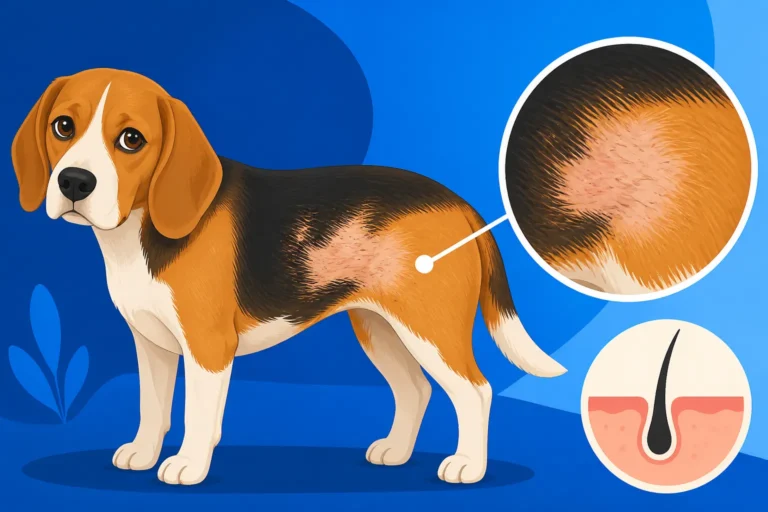
- Dull Coat: A normally shiny, healthy Beagle coat might become dull, dry, or even patchy if internal organs aren't functioning optimally.
These changes are often gradual, which makes them harder to notice. Developing a habit of daily observation and perhaps jotting down anything out of the ordinary can be incredibly helpful for you and your vet.
More Obvious Symptoms Requiring Immediate Vet Attention
While subtle changes warrant a vet visit soon, some symptoms indicate a more advanced and serious liver problem that requires immediate veterinary attention. Do not wait to contact your vet or an emergency clinic if you notice any of these:
- Jaundice: This is arguably the most recognizable sign of serious liver dysfunction. It's a yellowing of the mucous membranes (gums, inside of the ears), the whites of the eyes, and sometimes the skin. It occurs when bilirubin, a yellow pigment, builds up in the blood because the liver cannot process it.
- Ascites (Swollen Belly): If your Beagle's abdomen appears distended or swollen, especially without recent weight gain, it could be due to fluid accumulation (ascites). This is often caused by low albumin levels (proteins made by the liver) and portal hypertension, both indicative of severe liver disease.
- Neurological Signs (Hepatic Encephalopathy): When the liver can't properly detoxify the blood, toxins like ammonia can build up and affect the brain. This can lead to a range of neurological symptoms, including disorientation, pacing aimlessly, circling, head-pressing, weakness, blindness, and even an increase in seizure activity or changes in the What a Beagle Seizure Actually Looks Like. This is a critical emergency.
- Dark Urine or Pale Stools: Dark, tea-colored urine can indicate high levels of bilirubin being excreted by the kidneys. Conversely, pale, clay-colored stools can mean there's a lack of bile (which gives stool its normal brown color) reaching the intestines, suggesting a bile duct obstruction or severe liver dysfunction.
- Increased Bleeding or Bruising: Since the liver produces clotting factors, severe liver disease can impair the blood's ability to clot, leading to easy bruising, prolonged bleeding from minor cuts, or even nosebleeds.
Any of these more severe signs mean it's time for an emergency vet visit. The sooner treatment can begin, the better the prognosis for your Beagle.
Supporting Your Beagle's Liver While on Medication
Managing a Beagle on long-term seizure medication is a marathon, not a sprint. Beyond the medication itself and regular monitoring, there are practical steps you can take to proactively support your Beagle's liver health and potentially mitigate some of the medication's impact.
Nutritional Support and Liver-Friendly Diets
Diet plays a significant role in liver health, especially when the liver is under stress. Providing a diet that is easy to digest and supports liver function can make a noticeable difference for your Beagle.
- Easily Digestible Food: The liver has to process everything your Beagle eats. A highly digestible diet reduces the workload on the liver and gastrointestinal tract. Look for high-quality commercial dog foods specifically formulated for sensitive stomachs or liver support. These often contain moderate, highly digestible protein sources, appropriate fat levels, and complex carbohydrates.
- Moderate Protein: While protein is essential, too much protein can produce more ammonia, a byproduct that the liver has to detoxify. On the other hand, too little protein can hinder the liver's ability to repair itself and produce essential proteins. Your vet might recommend a diet with moderate, high-quality protein to find that balance.
- Antioxidants and Vitamins: Diets rich in antioxidants (like Vitamin E, Vitamin C, and selenium) can help protect liver cells from oxidative damage, which can be a side effect of medication metabolism. B vitamins are also crucial for many liver functions. Many high-quality commercial foods include these, but discuss specific supplementation with your vet.
- Hydration: Always ensure your Beagle has access to fresh, clean water. Good hydration supports overall bodily functions, including those of the liver and kidneys.
It’s crucial to understand that "liver-friendly" doesn't necessarily mean "low protein" across the board. The specific dietary needs will vary depending on the severity and type of liver impairment, if any. Always consult with your veterinarian before making significant changes to your Beagle's diet, especially if they are already on medication. They can recommend specific therapeutic diets designed to support liver health, which might be critical for a Beagle on seizure medications.
Supplements and Medications to Aid Liver Function
In addition to diet, several supplements and medications are often recommended by veterinarians to support liver function in dogs on long-term medications or those showing signs of liver stress. These should never be given without your vet's explicit guidance, as some can interact with seizure medications or be inappropriate for certain conditions.
- SAMe (S-Adenosylmethionine): This is one of the most common and well-regarded liver support supplements. SAMe is a naturally occurring molecule that plays a vital role in several biochemical pathways in the liver, including detoxification and the synthesis of glutathione, a powerful antioxidant that protects liver cells from damage and aids in their repair. It's often recommended for Beagles showing elevated liver enzymes, even if their liver function tests are still normal, as a preventative measure.
- Milk Thistle (Silymarin): Milk thistle extract, particularly its active compound silymarin, has been traditionally used for liver support. It's believed to have antioxidant, anti-inflammatory, and anti-fibrotic properties, potentially protecting liver cells and aiding in their regeneration. However, its absorption can be variable, and its effectiveness in dogs is still debated among some veterinary circles. If considering this, ensure you get a veterinary-specific formulation.
- Vitamin E and C: These antioxidants can work synergistically to reduce oxidative stress on the liver cells.
- Ursodiol (Ursodeoxycholic Acid): This is a prescription medication, not a supplement. It helps modify bile composition, making it less toxic to liver cells, and can help improve bile flow. It's often prescribed for Beagles with cholestasis (impaired bile flow) or certain types of liver disease.
The decision to add any of these to your Beagle's regimen should be a collaborative one with your veterinarian. They can determine if the benefits outweigh any potential risks or interactions, especially when your Beagle is already on multiple medications. Long-term care for conditions like epilepsy, including necessary liver monitoring and potential supplements, can add up, which is why many Beagle owners find value in considering pet insurance providers like Healthy Paws. Such plans can help cushion the financial impact of ongoing diagnostics and treatments, allowing you to focus on your Beagle's health without added stress about the cost.
Remember, the goal is to keep your Beagle happy, comfortable, and seizure-free for as long as possible. Proactive liver monitoring and support are integral to achieving that goal, helping your beloved companion thrive through their Beagle Lifespan and the Twelve to Fifteen Year Range.
| Seizure Medication | Primary Metabolism Site | Common Liver Impact | Monitoring Frequency (General) |
|---|---|---|---|
| Phenobarbital | Liver | Enzyme elevation (ALT, ALP), potential damage | Every 2-4 weeks initially, then 3, 6, 12 months |
| Potassium Bromide | Kidneys | Less direct liver impact, occasional pancreatitis | Less frequent liver monitoring, but general blood work |
| Levetiracetam (Keppra) | Kidneys & Liver | Minimal liver impact | Baseline, then as needed based on overall health |
| Zonisamide | Liver (less than Phenobarbital) | Minimal liver impact | Baseline, then as needed based on overall health |
| Gabapentin | Kidneys | Minimal liver impact | Generally not required for liver health |
Note: This table provides general information. Always follow your veterinarian's specific recommendations for your Beagle's individual case.
Disclaimer
The information provided in this article is for educational purposes only and is not intended to be a substitute for professional veterinary advice, diagnosis, or treatment. Always seek the advice of your veterinarian or other qualified animal health provider with any questions you may have regarding a medical condition. Never disregard professional veterinary advice or delay in seeking it because of something you have read here.