Which Beagle Genetic Tests Are Optional
Navigating the world of canine genetics can feel like trying to solve a puzzle with half the pieces missing, especially when you're simply trying to do right by your beloved Beagle. It's easy to get overwhelmed by all the tests out there, wondering which ones are truly necessary and which are just adding to the worry. This guide aims to clear up that confusion, focusing specifically on which genetic tests for Beagles are considered optional, and why you might still choose to pursue them for your furry family member.
Understanding the "Required" vs. "Optional" Genetic Landscape
When you first bring home a Beagle, or even if you're just researching the breed, you'll quickly encounter talk of health clearances and genetic testing. It's important to understand that not all genetic tests are created equal in terms of their necessity. Some are considered fundamental for the breed's health, while others offer deeper insights that can be incredibly valuable, albeit not always strictly "required."
Core Breed Health Clearances The Not Optional Ones
For any reputable Beagle breeder, certain genetic tests are non-negotiable. These are the foundational screenings designed to prevent the proliferation of severe, debilitating, or early-onset genetic diseases within the breed. Think of these as the absolute baseline for ensuring a healthy start for a puppy and safeguarding the future of the breed.
One of the most critical genetic tests for Beagles is for Musladin-Lueke Syndrome, often simply called MLS. This isn't just a minor issue; it's a serious inherited disorder that can cause significant physical abnormalities and discomfort in affected puppies, often leading to a characteristic "tip-toe" gait, thick, taut skin, and distinctive facial features. Responsible breeders absolutely must test their breeding stock for MLS to ensure they are not producing affected puppies. If a dog is a carrier, they can still be bred responsibly, but only with a clear mate, guaranteeing no affected puppies are born. This is why the test for Musladin-Lueke Syndrome and the Beagle DNA Test is so vital and widely adopted. The Canine Health Information Center (CHIC) program, a centralized database co-sponsored by the Orthopedic Foundation for Animals (OFA) and the AKC Canine Health Foundation, sets specific health testing protocols for various breeds. For Beagles, achieving a CHIC number requires, at a minimum, an OFA hip evaluation, an OFA eye examination by a board-certified veterinary ophthalmologist, and an MLS DNA test. These are the bare minimum for ethical breeding and are designed to combat the most prevalent and severe genetic issues in Beagles, contributing directly to a longer, healthier Beagle Lifespan and the Twelve to Fifteen Year Range. You can learn more about the broader concept of Beagle Health Testing Under CHIC if you're curious about the full scope of required screenings.
The Gray Area of Strongly Recommended Tests
Beyond the absolute "required" tests, there's a category of genetic screenings that, while not strictly mandatory for a CHIC number or universal breeder compliance, are highly recommended by the National Beagle Club of America and experienced breeders due to their potential impact on a Beagle's health. These are the tests that wise breeders undertake to give their puppies the best possible chance at a healthy life, showing a commitment that goes above and beyond.
One such important, though often overlooked, condition is Factor VII Deficiency. This is a blood clotting disorder that, while usually not life-threatening on its own, can cause excessive bleeding during surgery or after an injury. Imagine your sweet Beagle needing a routine spay or neuter, or even something more serious like disc surgery for a Beagle Disc Disease and That Slightly Long Back, and then facing unexpected complications because of an undiagnosed bleeding disorder. While not all breeders routinely test for it, those who do provide an extra layer of reassurance. Another area that often falls into this "strongly recommended" category involves comprehensive eye examinations. While a basic eye exam is part of CHIC, specific tests for conditions like glaucoma are often advised. Glaucoma is a painful condition that can lead to blindness if not managed aggressively, and some forms have a hereditary component. A board-certified veterinary ophthalmologist can perform specialized exams to screen for various eye conditions, ensuring your Beagle's precious sight is protected. These aren't always DNA tests, but thorough physical screenings that complement genetic knowledge.
Diving into Truly Optional Genetic Tests for Beagles
Once we move past the critical and strongly recommended tests, we enter the realm of truly optional genetic screenings. These are tests for conditions that might have a lower incidence in the general Beagle population, manifest later in life, or are simply part of a broader, more comprehensive screening approach. Deciding whether to pursue these "optional" tests often comes down to individual owner preference, specific concerns, or a desire for the most complete health picture possible.
Conditions With Lower Prevalence or Later Onset
Some genetic tests for Beagles target conditions that, while potentially serious, are either less common or tend to develop later in a dog's life. This makes them "optional" for general screening, especially for pet owners who aren't planning to breed, but they can still offer valuable insights.
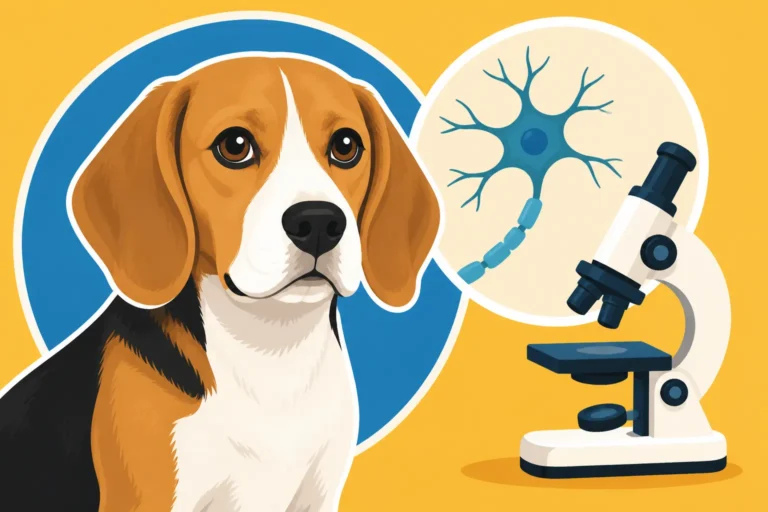
A prime example is Lafora Disease. This devastating neurological condition is a form of late-onset progressive myoclonic epilepsy that sadly affects Beagles more frequently than many other breeds. Typically, signs of Lafora Disease Starting in a Five Year Old Beagle begin to appear when a Beagle is between five and six years old, but sometimes even later. The symptoms include involuntary muscle jerks, balance issues, and eventually severe seizures. While it's a heartbreaking condition, many Beagles live for years before symptoms manifest. For a pet owner not involved in breeding, screening a very young puppy for Lafora might seem optional, as symptoms are still years away and preventative measures beyond genetic knowledge are limited. However, for a breeder, understanding The Lafora DNA Test Available for Beagles is crucial to avoid passing on the gene. If you are concerned about Beagle Epilepsy and Seizures From Six Months On in general, knowing about Lafora can help you understand potential causes for later-life seizures. Another, though rarer, condition is Cerebellar Degeneration, a severe neurological disorder that can affect newborn Beagle puppies, leading to incoordination and tremors. While clinical signs are usually apparent very early, DNA testing can confirm carrier status in breeding dogs, allowing breeders to make informed decisions to prevent affected litters. For a pet owner, the likelihood of encountering this is very low, making a specific DNA test for it generally optional unless there's a known family history.
Expanding Beyond Breed-Specific Recommendations
Beyond the conditions specifically linked to the Beagle breed, there's a growing trend towards comprehensive genetic panels offered by commercial testing companies. These panels go far beyond breed-specific concerns, screening for hundreds of genetic mutations associated with various diseases across all dog breeds.
Companies like Embark Veterinary or Wisdom Panel offer extensive DNA testing services. You simply swab your dog's cheek, send it in, and receive a detailed report. These tests can identify your Beagle's breed mix (if applicable), predict adult size, and, most relevant here, screen for over 200 genetic health conditions. The advantage is a truly comprehensive look at your Beagle's genetic makeup. You might discover your dog is a carrier for a condition rarely seen in Beagles, but common in another breed, or find they are genetically predisposed to certain sensitivities or drug reactions. This level of detail can be incredibly insightful for proactive care. For instance, knowing your Beagle is a carrier for a rare metabolic disorder might prompt your vet to add specific blood tests to routine annual check-ups, helping to catch any signs early. However, this wealth of information can also be overwhelming, and it's important to remember that a "carrier" status for a condition that has never been observed in a Beagle might not warrant excessive worry. It's about weighing the benefit of extensive knowledge against potential anxiety, and the cost. Understanding how to interpret these extensive reports, line by line, is a skill in itself, which is why resources on Reading a Beagle DNA Panel Result Line by Line can be extremely helpful.
Why Consider Optional Genetic Testing for Your Beagle
So, with all these "optional" tests out there, why would a devoted Beagle owner choose to pursue them? The reasons often boil down to a desire for proactive care, greater peace of mind, and a commitment to contributing to the overall health of the breed. It’s about taking that extra step to ensure your companion lives the fullest, healthiest life possible.
Peace of Mind and Proactive Planning
Knowing your Beagle's genetic predispositions, even for conditions that are less common or develop later, can provide immense peace of mind and allow for invaluable proactive planning. It's like having a roadmap for your dog's future health.
If you know your Beagle carries a gene for a condition that might manifest later, such as a specific type of eye condition not routinely screened for, you can be more vigilant for early signs. This means more frequent check-ups with your vet or a specialist, or simply knowing what symptoms to watch for at home. This proactive approach can lead to much earlier diagnoses, which often results in more effective and less invasive treatment options. For example, catching an early sign of a genetic predisposition for certain types of kidney disease could lead to dietary changes that slow its progression, potentially extending your Beagle's quality of life. This isn't just about preventing suffering; it can also be about managing costs. Addressing an issue early can prevent it from escalating into an emergency, which can incur significant expenses. A good pet insurance plan, like one from Healthy Paws, is a lifesaver in these scenarios, covering specialist consultations or advanced diagnostic tests that help you stay ahead of potential genetic predispositions. For pet parents dedicated to understanding every facet of their Beagle's well-being, this foresight is truly invaluable.
Contributing to Breed Health and Research
Beyond the individual benefits to your own dog, choosing to engage in optional genetic testing for your Beagle can also be a profound way to contribute to the broader Beagle community and scientific research. It’s a way for individual owners to be part of a larger effort to improve the breed.
Every additional genetic test, especially those from comprehensive commercial panels, adds valuable data to the scientific understanding of Beagle genetics. Researchers are constantly working to identify new genetic markers for diseases, understand prevalence rates, and develop better screening tools. When you share your dog's genetic information (often anonymously) with these testing companies, you're directly helping to build a more complete picture of the breed's genetic health. This is particularly important for conditions that are emerging or have complex inheritance patterns, like some forms of late-onset epilepsy. By participating, you help scientists pinpoint what makes Beagles susceptible to certain conditions, which can lead to better breeding practices and, eventually, therapies. Responsible breeders often go far beyond the "required" tests, actively seeking out insights into less common conditions to refine their breeding programs and secure the health of future generations. Discussing What to Ask a Beagle Breeder About Genetics can give you an idea of how deeply some breeders delve into this. Your choice to perform an "optional" test, therefore, isn't just about your dog; it's about the health of all Beagles.
Navigating Results and Making Informed Decisions
Once you've decided to pursue optional genetic testing and the results are in, the next step is to understand what those results actually mean. A long report full of scientific terms can be intimidating, but breaking it down with the right guidance makes it much clearer and more actionable.
Interpreting Carrier Status and Affected Results
Genetic test results typically fall into a few main categories: "clear," "carrier," or "affected." Understanding these terms is crucial for interpreting your Beagle's health profile.
A "clear" result means your Beagle does not have the genetic mutation for the tested disease and cannot pass it on to offspring. This is always the best-case scenario. A "carrier" result means your Beagle has one copy of the mutated gene but usually does not show symptoms of the disease itself. They are typically healthy, but they can pass that single copy of the gene to their puppies if bred. For pet Beagles, being a carrier for an optional disease usually doesn't impact their quality of life, but it's vital information if you were ever considering breeding. For example, a Beagle carrier for Lafora Disease will likely never show symptoms, but should not be bred with another carrier to avoid producing affected puppies. An "affected" result means your Beagle has two copies of the mutated gene and is likely to develop the disease, or is already showing symptoms. This is, understandably, the most concerning result and requires immediate discussion with your veterinarian to formulate a management plan. It’s important to remember that some conditions, especially those considered "optional" for general screening, might have varying degrees of severity or penetrance, meaning not every affected dog will show the exact same symptoms or at the same age.
The Role of Your Veterinarian
Genetic testing is a powerful tool, but it's not a substitute for professional veterinary advice. Your vet is your most important partner in interpreting these complex results and integrating them into your Beagle's overall health strategy.
When you receive your genetic test results, schedule a consultation with your veterinarian. They can help you understand the nuances of the report, clarify any confusing scientific terms, and explain what each result means specifically for your Beagle. They'll consider your dog's age, lifestyle, medical history, and physical examination findings in conjunction with the genetic data. For example, if your Beagle is a carrier for a condition, your vet might recommend specific dietary changes, more frequent monitoring for certain symptoms, or specialist referrals if a condition shows early signs. This is particularly critical for conditions that don't have a clear "fix" but can be managed. Should the results suggest a higher risk for conditions that require specialized care, like advanced eye conditions or complex neurological issues, your vet can refer you to a board-certified veterinary specialist. This is another area where having robust pet insurance, such as a plan from Healthy Paws, can significantly ease the financial burden. Whether it's covering specialist visits, advanced diagnostics, or even long-term medication for a condition uncovered by optional genetic testing, having a safety net means you can focus on your Beagle's health without added stress. They can also help you understand the implications for future preventative care, such as adjusting your Beagle Vet Visit Frequency After the Age of Ten if certain predispositions become more relevant with age.
| Genetic Test (Optional) | What It Screens For | Relevance for Pet Beagles | Relevance for Breeding Beagles |
|---|---|---|---|
| Lafora Disease | Late-onset progressive myoclonic epilepsy | Proactive awareness of potential late-life seizures | Crucial to avoid breeding two carriers together |
| Cerebellar Degeneration | Neurological disorder affecting coordination | Very low for pet owners unless family history known | Important for breeders to identify carriers and prevent affected puppies |
| Factor VII Deficiency | Blood clotting disorder | Important for surgical planning; usually asymptomatic | Crucial to avoid breeding two carriers to prevent affected puppies with bleeding issues |
| Comprehensive DNA Panels | Broad range of ~200+ genetic conditions and traits | Holistic health insights; proactive care planning | Can reveal carriers for conditions not traditionally screened in Beagles |
Disclaimer
The information provided in this article is for general informational purposes only and does not constitute veterinary advice. Always consult with a qualified veterinarian for any health concerns or before making any decisions related to your Beagle's health or treatment. Genetic testing is a complex field, and results should always be interpreted in conjunction with professional medical guidance.