Cognitive Decline in a Senior Beagle
It's incredibly tough to watch our beloved Beagles get older, isn't it? One day they're bouncing around, nose to the ground, full of mischief, and the next you start noticing little changes – a blank stare, a moment of confusion, or a sudden restlessness in the middle of the night. These subtle shifts can be heartbreaking and confusing, making us wonder what's going on inside their clever, scent-driven minds. This guide is here to walk you through understanding cognitive decline in senior Beagles, offering empathy, practical advice, and a pathway to supporting your furry family member through their golden years.
Recognizing the Subtle Signs of Cognitive Decline in Your Senior Beagle
When your Beagle starts to show signs of aging, it's not always just a slowdown in physical activity. Just like people, our dogs can experience changes in their brain function, often referred to as Canine Cognitive Dysfunction Syndrome, or CCDS. Recognizing these signs early can help you provide better support and manage their comfort. It's often a gradual process, so paying close attention to slight shifts in behavior is key.
Changes in Sleep-Wake Cycles and Restlessness
One of the most common and often distressing signs of cognitive decline for owners is a noticeable disruption in their Beagle's sleep patterns. Your once perfectly predictable companion might suddenly seem to have their days and nights mixed up.
You might find your Beagle pacing anxiously around the house in the wee hours of the morning, unable to settle. They might wander into a room and just stand there, staring blankly at a wall, almost as if they've forgotten why they entered. The quiet, calm evenings you once shared could be replaced by periods of agitation, whining, or even a soft, confused baying that seems to come from nowhere. Conversely, they might sleep much more deeply during the day, seemingly exhausted, only to be wide awake and disoriented when the house goes quiet at night. This can be incredibly frustrating for owners, as a lack of sleep affects everyone in the household, but it's crucial to remember your Beagle isn't doing this intentionally. Their internal clock is simply misfiring, leaving them confused and unable to find comfort.
Disorientation and Confusion in Familiar Environments
Another hallmark of CCDS is when your Beagle, in a place they've known their entire life, starts to act like a stranger in a strange land. It's truly baffling to witness and can stir up a lot of worry.
Imagine your Beagle, who has navigated your home for years with their nose as their guide, suddenly getting "stuck" behind a piece of furniture, seemingly unable to figure out how to back out. Or perhaps they walk right past the back door, the very door they've used countless times for potty breaks, and instead stand by a closet door, looking perplexed. They might stare into corners or at blank walls for extended periods, their expression indicating a lack of recognition or understanding of their surroundings. You might call their name, and they might not respond immediately, not because they can't hear you (though that's something to rule out, of course – more on that later), but because they're simply lost in thought or disoriented in the moment. These episodes can be fleeting or last for several minutes, leaving both you and your Beagle feeling stressed and bewildered.
Altered Interactions and Social Changes
Beagles are naturally social creatures, bred to work in packs and thrive on interaction with their families. So, when their social behavior begins to change, it’s a particularly poignant sign of cognitive decline.
You might notice a reduction in their usual enthusiastic greetings. Where they once wiggled and barked with joy when you walked through the door, now they might offer a more subdued tail wag, or even seem indifferent. Some Beagles might become more irritable or easily startled, reacting with a growl or snap to a gentle touch from a family member they’ve always adored. This can be especially hard for children in the house who don't understand why their playful dog is suddenly withdrawn or grumpy. Conversely, some Beagles might become excessively clingy, following you from room to room, anxious when you're out of sight, almost as if they've forgotten how to be alone. This change in attachment can indicate increased anxiety and a need for reassurance, as their world becomes less predictable. It's a fundamental shift in their personality that can leave you missing the "old" dog you knew so well.
Understanding Canine Cognitive Dysfunction Syndrome CCDS in Beagles
When we see our senior Beagles exhibiting these confusing behaviors, it’s natural to search for an explanation. Canine Cognitive Dysfunction Syndrome (CCDS) is that explanation, a neurological condition that directly impacts their brain function as they age.
The Underlying Brain Changes in Aging Beagles
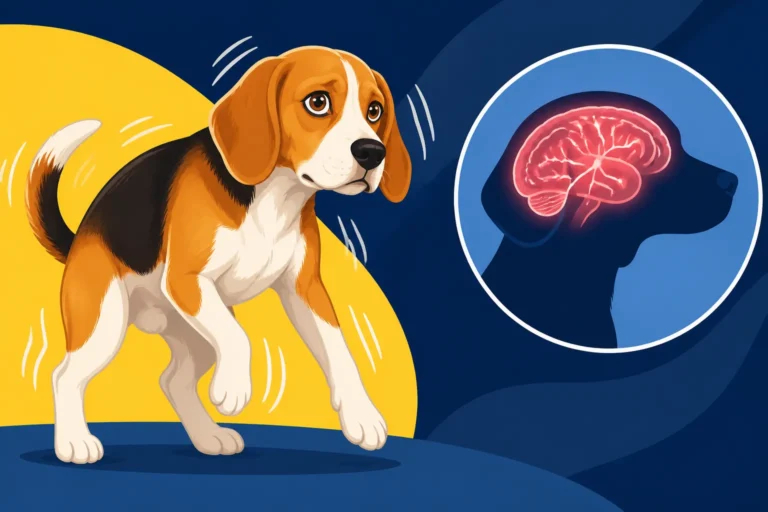
CCDS is essentially the doggy equivalent of Alzheimer's disease in humans, though it's important not to equate them perfectly. It's characterized by progressive neurodegeneration, meaning a gradual loss of brain cells and their connections. Inside your Beagle's brain, there are real, physical changes happening.
Scientists have observed that dogs with CCDS develop amyloid plaques, which are abnormal protein deposits, and neurofibrillary tangles, similar to those found in human Alzheimer's patients. These plaques and tangles interfere with the normal communication between brain cells, leading to the symptoms we observe. Additionally, there can be a reduction in brain size, changes in neurotransmitter levels (chemical messengers in the brain), and a decrease in blood flow to the brain. All these factors contribute to a decline in memory, learning, spatial awareness, and overall cognitive function. It’s not just "getting old"; it's a specific medical condition that impacts their quality of life and your shared routine.
Differentiating CCDS from Other Health Issues
This is a critical point: many symptoms of CCDS can mimic other age-related health problems, making a proper veterinary diagnosis absolutely essential. You wouldn't want to attribute a change in behavior to cognitive decline if it's actually something treatable!
For instance, increased urination inside the house might seem like a sign of confusion, but it could also be a symptom of kidney disease or diabetes. A Beagle that seems disoriented or bumps into furniture might not be suffering from memory loss but could be experiencing Senior Beagle Vision and Hearing Loss that makes navigation difficult. Likewise, a sudden lack of energy or increased irritability could point to pain from arthritis or even a hormonal imbalance like Beagle Hypothyroidism and Sudden Weight Gain. That's why a thorough veterinary check-up, including blood work, urinalysis, and potentially imaging, is paramount. If you have pet insurance, a provider like Healthy Paws can be a real lifeline here, helping to cover the diagnostic costs for ruling out these other conditions. It's about ensuring that you're treating the right problem, not just guessing.
When to Consult Your Veterinarian
The moment you start noticing persistent changes in your senior Beagle's behavior, it's time to make an appointment with your veterinarian. Don't wait until the symptoms are severe; early intervention can make a significant difference in managing CCDS and improving your Beagle's quality of life.
When you go to the vet, be prepared to discuss specific examples of the behaviors you've observed. Detailed information is incredibly helpful for an accurate diagnosis. It can be beneficial to keep a journal of your Beagle's symptoms, much like you might with a dog experiencing seizures to create a Keeping a Seizure Diary for Your Beagle. Note when the behaviors occur, how long they last, and what, if anything, seems to trigger or alleviate them. Your vet will conduct a thorough physical exam and recommend diagnostic tests to rule out other medical conditions. They'll also assess your Beagle's overall health, including their Beagle Vet Visit Frequency After the Age of Ten, to ensure a comprehensive approach. This process is crucial because only by ruling out other issues can a confident diagnosis of CCDS be made, allowing you to move forward with targeted management strategies.
Strategies for Managing and Supporting a Beagle with CCDS
While there's no cure for Canine Cognitive Dysfunction Syndrome, there's a great deal you can do to support your senior Beagle, slow the progression of symptoms, and enhance their comfort and happiness. It's all about adapting their world to their changing needs.
Environmental Adaptations for Safety and Comfort
Creating a stable, predictable, and safe environment is one of the most powerful tools you have when managing CCDS. Routine helps immensely when your Beagle's memory is fading.
Maintain a consistent daily schedule for feeding, walks, and potty breaks. This predictability can reduce anxiety and confusion. Ensure pathways in your home are clear and free of clutter to prevent your disoriented Beagle from tripping or getting stuck. Consider adding night lights in hallways or rooms your Beagle frequents, especially if they wander at night. If stairs become a challenge or a safety risk, use baby gates to block access. Visual cues, like a specific mat by the door they always use for potty breaks, can also be helpful. If your Beagle is struggling with spatial awareness, avoid rearranging furniture. Their familiar surroundings become a source of comfort, and sudden changes can increase their anxiety. These small changes can make a huge difference in their ability to navigate their world safely and confidently.
Enriching Activities and Mental Stimulation
Keeping your Beagle's mind gently engaged, even with cognitive decline, is important. However, the key is "gentle" and "familiar." Over-stimulation can lead to more confusion and anxiety.
Focus on activities that tap into their natural Beagle instincts without overwhelming them. Short, frequent Scent Walks That Wear a Beagle Out in a familiar, safe area can be incredibly enriching. Allow them to sniff at their leisure, as this is a natural, calming behavior for Beagles. Puzzle feeders, filled with a portion of their meal, can provide mild mental stimulation while also slowing down their eating – a win-win for a food-driven breed. Look for Puzzle Feeders That Genuinely Slow a Beagle and aren't too complex. Simple interactive toys that dispense treats with minimal effort are also great. The goal isn't to teach new tricks, but to reinforce existing positive behaviors and provide gentle engagement that keeps their brain active without causing stress. Keep sessions short and end on a positive note.
Nutritional Support and Supplementation
What your Beagle eats can play a significant role in supporting their brain health, especially as they age. Nutrition is a powerful tool in the fight against cognitive decline.
Many veterinary diets are specifically formulated for senior dogs and cognitive support. These diets often contain increased levels of antioxidants, omega-3 fatty acids (like DHA and EPA), B vitamins, and medium-chain triglycerides (MCTs). Antioxidants help combat oxidative stress in the brain, while omega-3s are crucial for brain cell structure and function. MCTs, often derived from coconut oil, can provide an alternative energy source for the brain cells, which can be beneficial as glucose metabolism declines with age. Your veterinarian might also recommend specific supplements such as SAMe (S-adenosylmethionine) or various nutraceuticals that have shown promise in supporting cognitive function. Always consult your vet before adding any supplements or making significant dietary changes, as they can recommend products tailored to your Beagle's specific needs. If you have pet insurance, some plans from providers like Healthy Paws may cover a portion of vet-prescribed therapeutic diets or supplements if they are part of a treatment plan for a diagnosed condition like CCDS.
Medications and Veterinary Interventions
Beyond environmental and nutritional support, there are specific medications that your veterinarian might prescribe to help manage the symptoms of CCDS. These medications work by targeting some of the underlying brain changes.
One common medication for CCDS is selegiline (marketed under brand names like Anipryl). This drug works by inhibiting an enzyme that breaks down certain neurotransmitters in the brain, helping to improve brain function and communication. It can often help with disorientation, altered sleep-wake cycles, and activity levels. Your vet may also consider other medications to address specific symptoms, such as anti-anxiety medications if your Beagle's confusion leads to severe distress, or medications to improve circulation. The effectiveness of these treatments can vary from dog to dog, and it often takes several weeks to see noticeable improvements. It's a journey that requires patience and close collaboration with your veterinary team. Remember that the ongoing costs of these prescription medications can add up, and having comprehensive pet insurance through a company like Healthy Paws can significantly alleviate the financial burden, allowing you to prioritize your Beagle's health without added stress.
Coping with the Emotional Toll of Your Beagle's Cognitive Decline
Watching your beloved Beagle decline cognitively is one of the hardest parts of pet ownership. It's a unique kind of grief, often called anticipatory grief, where you're mourning the loss of the dog you once knew even while they're still physically with you. It's important to acknowledge these feelings.
Acknowledging Your Feelings and Seeking Support
The rollercoaster of emotions that comes with a Beagle suffering from CCDS is real and valid. You might feel sadness, frustration, anger, guilt, or even resentment, especially during sleepless nights or repeated accidents in the house. It's perfectly normal to feel overwhelmed, confused, and heartbroken.
Don't isolate yourself. Talk to friends, family members, or other pet owners who have gone through similar experiences. Many online forums and local pet support groups exist specifically for owners of senior dogs or those dealing with chronic illnesses like CCDS. These communities can provide a safe space to share your struggles, gain empathy, and receive practical advice from people who truly understand. Your veterinarian and their staff can also be a valuable source of support and guidance, as they often see these situations daily. Remember, you're not alone in this, and seeking support is a sign of strength, not weakness.
Maintaining Quality of Life and End-of-Life Decisions
Even with cognitive decline, your Beagle can still have a good quality of life. It might look different than before, but finding joy in the simple things becomes even more important. Focus on comfort, security, and connection.
Provide soft, comfortable bedding, keep their favorite toys nearby, and offer gentle affection. Their world might be confusing, but your consistent love and presence are anchors. Evaluate their quality of life regularly. Are they still eating, drinking, and finding moments of happiness? Are they experiencing more good days than bad? It’s a difficult balance to strike, but at some point, despite all your efforts, their quality of life may diminish significantly. When that time comes, making end-of-life decisions for your Beagle is arguably the hardest part of being a pet parent. This involves a compassionate discussion with your vet about their overall well-being and whether their current existence is still fulfilling. Resources like our guide on Judging Quality of Life in a Beagle's Last Year can help you navigate this painful process. No one wants to face the thought of Saying Goodbye to a Beagle at Fourteen, but ensuring their peace and dignity is the ultimate act of love for our cherished companions.
Common CCDS Symptoms and Interventions
Here's a quick overview of common Canine Cognitive Dysfunction Syndrome symptoms and the interventions that can help your senior Beagle.
| Category | Common Symptoms | Potential Interventions |
|---|---|---|
| Disorientation | Getting stuck, staring blankly, getting lost in familiar places. | Maintain routine, clear pathways, night lights, visual cues, avoid furniture changes. |
| Interactions | Reduced greetings, increased irritability, withdrawal, clinginess. | Gentle, consistent affection, avoid startling, quiet environment, gentle interactions. |
| Sleep-Wake Cycles | Restlessness at night, excessive daytime sleeping, pacing, vocalizing. | Consistent sleep schedule, night lights, calming supplements (vet-approved), medication. |
| House Soiling | Accidents indoors, forgetting potty training. | More frequent potty breaks, consistent schedule, pet diapers, veterinary check for other causes. |
| Activity Level | Decreased interest in play, lethargy, aimless wandering. | Short, familiar walks, puzzle toys, gentle mental stimulation like Senior Beagle Care After the Age of Ten. |
| Anxiety/Appetite | Increased anxiety, vocalization, altered appetite. | Calming techniques, dietary adjustments, anti-anxiety medication (vet-prescribed), supplements. |
The journey through your Beagle's golden years, especially with cognitive decline, is challenging, but with understanding, patience, and the right support, you can ensure they continue to live a life full of comfort and love. Remember that the average Beagle Lifespan and the Twelve to Fifteen Year Range means you have many years to provide this dedicated care.
Disclaimer
The information provided in this article is for educational and informational purposes only, and does not constitute veterinary advice. Always consult with a qualified veterinarian for any health concerns or before making any decisions related to your pet's medical care.