Senior Beagle Care After the Age of Ten
Even though your beloved Beagle might still act like a puppy, chasing phantom smells in the yard and demanding belly rubs with the same youthful vigor, the truth is, time marches on for all of us, including our furry companions. Caring for a Beagle once they cross that invisible threshold into their senior years – typically around the age of ten – presents a unique set of challenges and responsibilities. This comprehensive guide is here to walk you through everything you need to know, from subtle behavioral shifts to managing common health concerns, ensuring your golden-aged Beagle enjoys their later years with comfort, dignity, and all the love they deserve.
Understanding the Senior Beagle Lifecycle
It's easy to forget that Beagles, like all dogs, age much faster than we do. One day they're a bouncing, boundless bundle of energy, and the next you might notice a little more gray around the muzzle or a slower rise from their comfy bed. Recognizing when your Beagle officially enters their senior years and understanding the natural progression of aging is the first step in providing them with the best possible care.
When is a Beagle Considered Senior?
While a general rule of thumb pegs larger dog breeds as senior around 7-8 years old, Beagles, being a medium-sized breed, often don't hit their "senior" stride until around ten years of age. Some robust individuals might even seem to defy this, still tearing around like youngsters at eleven or twelve! However, from a veterinary perspective, the consensus typically shifts to calling them senior when they reach that decade mark. This is when changes, though subtle at first, begin to accelerate. It's not a hard stop, but rather a gradual transition where their body and mind start to operate a little differently. Knowing this helps you adjust expectations and proactively address their evolving needs.
For instance, you might notice your ten-year-old Beagle is still eager for their daily walk, but perhaps they don't have the endurance to go quite as far, or they might be more interested in a leisurely sniff than a brisk pace. This isn't laziness; it's often the subtle onset of aging, making everyday activities a little more demanding on their system. It's crucial not to dismiss these shifts as just a "mood" but to see them as signals that your Beagle's needs are changing. This period is a critical time for establishing a baseline of health with your vet, allowing you to track any deviations as they continue to age gracefully.
Expected Physical Changes in Older Beagles
The most visible signs of aging in Beagles often start with their physical appearance and energy levels. That once-sleek, vibrant coat might become a bit coarser, and you’ll likely see more white hairs peppering their muzzle, around their eyes, and perhaps even on their paws. Their eyes, once bright and mischievous, might develop a slight cloudy appearance, a condition often referred to as lenticular sclerosis, which is usually a normal, age-related change rather than a severe vision impairment.
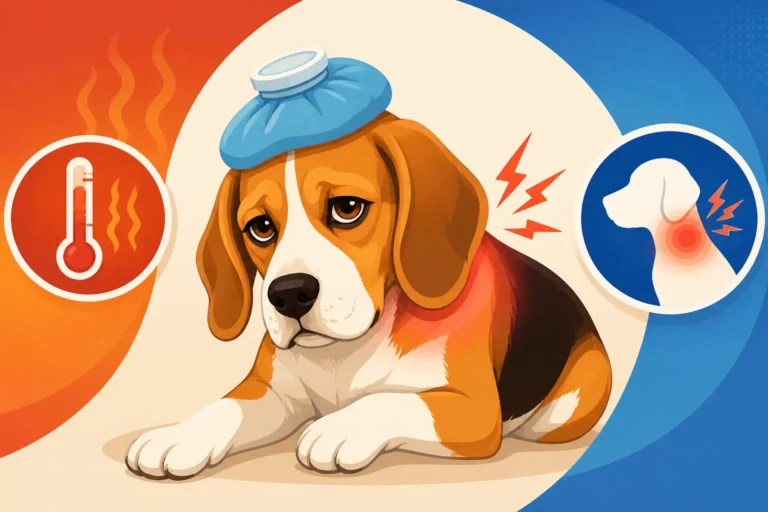
Beyond the aesthetics, you'll probably notice a general slowdown. Your senior Beagle might sleep more, take longer to get comfortable, or seem less eager to engage in strenuous play. Their once boundless energy for chasing squirrels or exploring every scent on a walk might diminish. They might also show a reduced tolerance for temperature extremes – being more sensitive to both cold winter mornings and hot summer afternoons. This isn't just about slowing down; it's about their body's systems not recovering as quickly or efficiently as they once did. Muscles can start to lose mass, joints can become stiffer, and their overall stamina decreases. Keeping an eye on these changes helps you differentiate between normal aging and something that warrants a vet visit.
Behavioral Shifts as Beagles Age
Aging isn't just about physical changes; it brings about behavioral shifts too, which can sometimes be more challenging for owners to understand and manage. Many senior Beagles become more affectionate and clingy, seeking out comfort and reassurance from their human family. They might follow you from room to room more often or demand extra snuggle time on the couch. This increased need for closeness is often a reflection of feeling more vulnerable or simply enjoying the comfort of companionship.
On the flip side, some senior Beagles can experience cognitive decline, similar to dementia in humans, known as Canine Cognitive Dysfunction (CDS). This can manifest as disorientation (getting lost in familiar rooms), altered sleep-wake cycles (waking up and pacing at night, sleeping more during the day), changes in house-training habits (accidents indoors), or changes in interaction with family members or other pets. It's heartbreaking to witness, but understanding these shifts as a medical condition rather than "stubbornness" or "misbehavior" is key. Patience and gentle adaptations become paramount. You might also notice increased anxiety in new situations, or a reduced desire to interact with unfamiliar dogs or people. These behavioral changes require understanding, empathy, and sometimes, a little help from your veterinarian to manage effectively.
Nutritional Adjustments for the Aging Beagle
As your Beagle gracefully enters their golden years, their dietary needs shift quite dramatically. What worked for a high-energy adult dog simply won't cut it for a senior who is less active and whose metabolism is slowing down. Getting their nutrition right is one of the most impactful ways you can support their health and comfort.
Calorie Needs and Weight Management
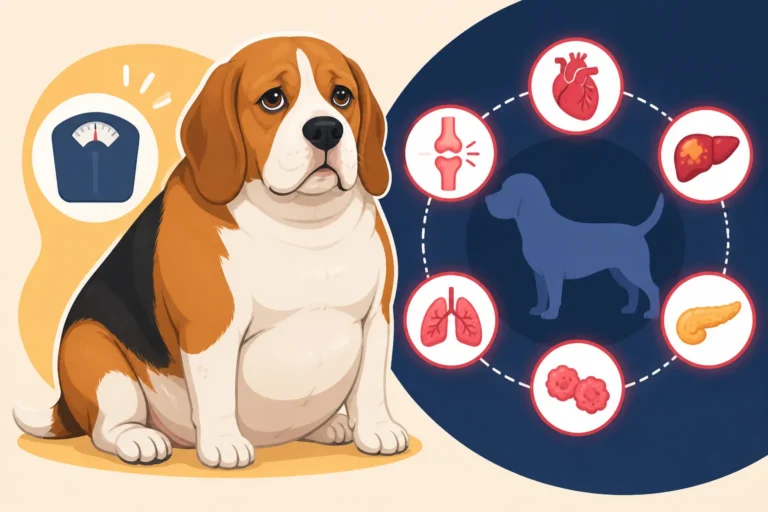
One of the most common pitfalls for senior Beagles is unintentional weight gain. As their activity levels naturally decrease, their metabolic rate slows, meaning they require fewer calories to maintain a healthy weight. Continuing to feed them the same amount of food they ate in their prime can quickly lead to excess pounds. While a slightly pudgy Beagle might look "cute" to some, obesity is a serious health risk, particularly for older dogs. It puts immense strain on their joints, exacerbating conditions like arthritis, and significantly increases their risk for other chronic health issues such as Beagle Diabetes and Blood Sugar Control and even certain types of cancer.
It can be deceptively hard to tell if your Beagle is overweight, especially with their dense double coat. You should be able to easily feel their ribs when running your hands along their sides without pressing hard. They should also have a noticeable waist when viewed from above and a slight tuck-up in their abdomen from the side. If you can't feel those ribs, or if they have a saggy belly, it's time to talk to your vet about a weight management plan. Reducing calorie intake doesn't mean starving your Beagle; it means choosing appropriate food, measuring portions precisely, and being mindful of treats. Even tiny training treats can add up significantly over the course of a day. This is a journey you can take with your vet, who can help you set a realistic goal weight for your Beagle's frame and guide you on calorie targets.
Senior-Specific Diets and Supplements
The pet food market has a fantastic array of senior-specific dog foods designed to meet the unique needs of older canines. These diets typically have a slightly lower calorie content to help with weight management but remain rich in high-quality protein to help maintain muscle mass, which naturally declines with age. Beyond the basics, many senior formulas are fortified with ingredients aimed at supporting common age-related issues. For instance, you'll often find added glucosamine and chondroitin, which are crucial for joint health, helping to ease the discomfort of Beagle Arthritis Arriving in Middle Age.
Omega-3 fatty acids, like EPA and DHA, are another common addition. These powerful anti-inflammatories support joint health, maintain healthy skin and a shiny coat, and are vital for cognitive function, helping to keep your senior Beagle's mind sharp. Some specialized diets might also include antioxidants to combat cellular aging, and increased fiber for digestive regularity, which can be a concern for older dogs. When choosing a food, look for reputable brands that conduct feeding trials and have nutritional profiles reviewed by veterinary nutritionists. Don't forget that supplements can also play a role; your vet might recommend additional Omega-3s or specific joint supplements, even if they're in your Beagle's food, depending on their individual needs.
Hydration and Digestive Health
Ensuring your senior Beagle stays well-hydrated is incredibly important. As dogs age, their thirst response can sometimes diminish, and they might not drink as much water as they should. Adequate hydration is crucial for kidney function, digestion, and overall cellular health. Always make sure fresh, clean water is readily available in multiple locations throughout your home, especially if your Beagle has mobility issues and might find it difficult to get to their usual water bowl.
Digestive health can also become more delicate in older Beagles. They might be more prone to constipation or, conversely, have more sensitive stomachs. Senior dog foods are often formulated with increased soluble and insoluble fiber to promote healthy bowel movements. Adding a little wet food to their diet can also increase their water intake and make meals more palatable, especially if their sense of smell or taste has diminished. Some vets might even suggest probiotics to support a healthy gut microbiome, which can aid digestion and boost immunity. Pay close attention to your Beagle's stool quality and frequency, as changes can be early indicators of digestive issues or other underlying health concerns.
Common Health Challenges in Senior Beagles
It's a bittersweet truth that with age comes a higher likelihood of health concerns. While Beagles are generally a robust breed, the golden years can bring a host of conditions that require careful monitoring and proactive management. Early detection is often the key to better outcomes and maintaining a good quality of life.
Arthritis and Joint Pain
Arthritis, or osteoarthritis, is a progressive and painful condition that affects many senior Beagles, just like it does in humans. It's essentially the wear and tear of cartilage in the joints, leading to bone-on-bone friction, inflammation, and pain. You might notice your Beagle struggling to get up after a nap, limping after a long walk, or showing reluctance to jump onto the couch or into the car. Stairs can become a major challenge. This isn't just "slowing down"; it's a genuine source of discomfort. Read more about Beagle Arthritis Arriving in Middle Age.
Managing arthritis often involves a multi-pronged approach. Your vet might prescribe Non-Steroidal Anti-Inflammatory Drugs (NSAIDs) to reduce pain and inflammation, or other pain medications like gabapentin. Joint supplements containing glucosamine, chondroitin, and MSM are often recommended to support cartilage health, though it's important to discuss these with your vet before starting. Maintaining a healthy weight is paramount, as excess pounds significantly increase joint strain. Physical therapy, cold laser therapy, and even acupuncture are also gaining popularity as complementary treatments to improve mobility and reduce pain. The goal is to keep your Beagle as comfortable and mobile as possible, allowing them to enjoy their daily activities without unnecessary suffering.
Organ Function Decline
As Beagles age, their internal organs, particularly the kidneys, liver, and heart, can start to show signs of decline. These changes are often gradual, making them hard to spot without regular veterinary check-ups and diagnostic tests.
- Kidney Disease: The kidneys are vital for filtering waste products from the blood. As they age, their efficiency can decrease, leading to Chronic Kidney Disease (CKD). Early signs are subtle, like increased thirst and urination. As the disease progresses, you might notice weight loss, nausea, and lethargy. Regular blood and urine tests can detect CKD early, and management often involves a special diet, fluid therapy, and medications to support kidney function. For more details, explore Kidney Disease in an Old Beagle.
- Liver Issues: The liver plays a crucial role in metabolism, detoxification, and nutrient storage. Age-related changes can affect its function. Symptoms might include loss of appetite, vomiting, diarrhea, increased thirst, and jaundice (yellowing of the skin or eyes). Early detection through blood work is important, and treatment often involves dietary modifications and medications to support liver health.
- Heart Disease: Conditions like valvular disease (where heart valves don't close properly) and weakened heart muscle can lead to congestive heart failure in senior Beagles. Signs include coughing (especially at night or when resting), shortness of breath, reduced stamina, and a swollen belly due to fluid retention. Your vet might detect a heart murmur during a routine exam. Medications, dietary changes, and careful monitoring can help manage heart disease and improve your Beagle's comfort and longevity. Learn more about Beagle Heart Disease and Murmurs. Regular health screenings are vital for catching these issues before they become severe.
Cognitive Dysfunction Syndrome (CDS)
Seeing your once-sharp Beagle become confused or disoriented is one of the most heartbreaking aspects of senior pet ownership. Canine Cognitive Dysfunction (CDS), often referred to as "doggy dementia," is a real and progressive neurological condition affecting many older dogs. It's not just a sign of "getting old"; it's a disease that impacts their brain function. The symptoms can vary but often include:
- Disorientation: Staring blankly at walls, getting stuck in corners, difficulty navigating familiar environments.
- Changes in social interaction: Becoming more withdrawn, less interested in playing, or sometimes more irritable.
- Sleep-wake cycle disturbances: Pacing or barking at night, sleeping more deeply during the day.
- House soiling: Having accidents indoors despite being perfectly house-trained for years.
- Activity level changes: Becoming less active or, conversely, having restless energy.
If you notice these signs, it's crucial to consult your vet. They can rule out other medical conditions that might cause similar symptoms (like pain, vision loss, or thyroid issues). While there's no cure for CDS, there are medications, dietary supplements (like SAMe or medium-chain triglycerides), and environmental enrichment strategies that can help slow its progression and improve your Beagle's quality of life. Maintaining a consistent routine and being incredibly patient are key to supporting a Beagle with CDS. Learn more about Cognitive Decline in a Senior Beagle.
Cancer Risks
Unfortunately, cancer is a leading cause of death in senior dogs, and Beagles are no exception. As dogs age, their cells are more prone to mutations, increasing the risk of tumor formation. Cancer can appear in many forms: lumps and bumps on the skin, internal organ tumors, or blood cancers. Recognizing potential warning signs and seeking prompt veterinary attention is crucial.
Keep a watchful eye for:
- New lumps or bumps, or changes in existing ones: Any new growth should be checked by your vet.
- Unexplained weight loss or loss of appetite: These can be signs of internal tumors.
- Lethargy or decreased activity: While common in seniors, a sudden or marked change could indicate something serious.
- Persistent lameness or stiffness: Bone cancer can sometimes present this way.
- Changes in bathroom habits: Blood in urine or stool, or straining to urinate or defecate.
- Chronic vomiting or diarrhea: Can signal digestive system cancers.
Regular full-body checks at home, feeling for any unusual masses, and diligent veterinary examinations are your best defense. Many cancers are treatable, especially if caught early. Your vet might recommend regular X-rays, ultrasounds, or advanced diagnostics if they suspect cancer. For a deeper dive into common cancer risks, see Beagle Cancer Risks That Rise With Age.
Dental Disease
Dental health is often overlooked but profoundly impacts a senior Beagle's overall well-being. By the time they reach senior status, many Beagles have significant plaque and tartar buildup, leading to gingivitis, painful periodontal disease, and even tooth loss. This isn't just about bad breath; severe dental disease causes chronic pain, makes eating difficult, and allows bacteria from the mouth to enter the bloodstream, potentially affecting vital organs like the heart, kidneys, and liver. For detailed information on prevention, read Beagle Dental Disease and Tartar Buildup.
Routine dental care should be a part of your senior Beagle's health plan. This includes professional dental cleanings under anesthesia at your vet's office, where plaque and tartar are removed from above and below the gum line, and any diseased teeth can be extracted. Between cleanings, daily tooth brushing, dental chews, and water additives specifically designed to reduce plaque can help maintain oral hygiene. If your senior Beagle suddenly becomes picky about food or drops kibble, painful teeth could be the culprit. Don't underestimate the impact of a healthy mouth on their comfort and longevity.
Vision and Hearing Loss
Just like humans, Beagles can experience a decline in their vision and hearing as they age. This can be a challenging adjustment for both the dog and the owner, but with patience and adaptation, senior Beagles can navigate these changes quite well.
- Vision Loss: Beyond the common lenticular sclerosis (a normal blue-gray haze in the lens), senior Beagles can develop cataracts (a denser opacity that significantly impairs vision) or even glaucoma. Signs of vision loss include bumping into furniture, hesitating in unfamiliar environments, or becoming more startled by sudden movements. If you suspect vision loss, a vet visit is essential to diagnose the cause and discuss potential treatments or management strategies. While some conditions like cataracts can be surgically corrected, often it's about helping your Beagle adapt.
- Hearing Loss: This can manifest as your Beagle no longer responding to their name, failing to hear you come home, or being unaware of sounds they once reacted to, like the doorbell. Hearing loss is usually irreversible, but you can help your Beagle by using hand signals more frequently, teaching new silent cues, and approaching them gently to avoid startling them.
A consistent home environment is incredibly helpful for Beagles with reduced sight or hearing. Avoid rearranging furniture, keep pathways clear, and maintain a predictable routine. When approaching your Beagle, make sure they know you're there before reaching out, perhaps by stomping your foot lightly if they can still feel vibrations, or gently touching them if they can't see you. For more support on this topic, refer to Senior Beagle Vision and Hearing Loss. Patience and clear communication become even more vital as these senses diminish.
Maintaining Mobility and Comfort
One of the greatest gifts you can give your senior Beagle is the ability to move freely and comfortably. As they age, aches, pains, and stiffness can become constant companions. Proactive steps to support their mobility and ease discomfort are essential for their quality of life.
Gentle Exercise Routines
The days of hour-long, strenuous hikes or intense games of fetch might be behind your senior Beagle, but that doesn't mean exercise should stop. In fact, maintaining a moderate, consistent exercise routine is crucial for keeping their joints mobile, muscles strong, and weight in check. The key is "gentle" and "appropriate." Think shorter, more frequent walks rather than one long outing. Two or three 15-20 minute walks a day might be more beneficial and less taxing than a single 45-minute trek.
Scent walks are particularly wonderful for Beagles, allowing them to engage their powerful noses without putting excessive strain on their bodies. Let them meander and sniff to their heart's content; this mental stimulation is incredibly tiring and satisfying for them. If your Beagle enjoys water and has no health contraindications, swimming can be an excellent low-impact exercise that supports muscles and joints without the harsh impact of land-based activities. Always supervise them closely and ensure they wear a life vest. Pay close attention to your Beagle's cues; if they seem tired or stiff, it's time to head home. For tailored advice, check out Exercising a Beagle Past Ten Years Old.
Supplements and Medications for Joint Support
When it comes to supporting your senior Beagle's joints, a combination of supplements and, when necessary, veterinary-prescribed medications can make a world of difference.
- Supplements: Glucosamine and chondroitin are widely recognized for their role in promoting cartilage health and reducing inflammation. Omega-3 fatty acids, especially those rich in EPA and DHA, act as natural anti-inflammatories, benefiting joints, skin, and even cognitive function. Many veterinarians also recommend MSM for its pain-relieving and anti-inflammatory properties. Other supplements might include green-lipped mussel, turmeric, or collagen. It's vital to choose high-quality supplements and always discuss them with your vet, as not all products are created equal, and dosages need to be correct.
- Medications: For Beagles experiencing significant pain from arthritis, your veterinarian might prescribe Non-Steroidal Anti-Inflammatory Drugs (NSAIDs) such as carprofen, meloxicam, or deracoxib. These medications effectively reduce pain and inflammation, greatly improving mobility. However, they require careful monitoring, usually with regular blood tests, to ensure they don't impact kidney or liver function. Other medications like gabapentin or amantadine might be used in conjunction with NSAIDs to manage chronic pain, especially if the NSAIDs alone aren't providing enough relief. The goal is to find a balance that maximizes comfort with minimal side effects.
Therapeutic Interventions
Beyond medications and supplements, a range of therapeutic interventions can significantly improve a senior Beagle's mobility and comfort. These are often performed by certified canine rehabilitation specialists or veterinarians with specialized training.
- Physical Therapy/Rehabilitation: This can involve exercises designed to strengthen specific muscle groups, improve range of motion, and reduce pain. Techniques like therapeutic massage, passive range of motion exercises, and controlled leash walks on varied surfaces can be very beneficial. A physical therapist can also teach you how to perform these exercises safely at home.
- Acupuncture: Derived from traditional Chinese medicine, acupuncture involves inserting thin needles into specific points on the body to stimulate healing and relieve pain. Many senior dogs with arthritis or chronic pain respond very well to acupuncture, often showing reduced stiffness and improved mobility after a few sessions.
- Cold Laser Therapy (Low-Level Laser Therapy): This non-invasive therapy uses specific wavelengths of light to stimulate cellular healing, reduce inflammation, and alleviate pain. It's a comfortable and quick procedure that can be performed in a vet's office, and many dogs find it soothing. Regular sessions can lead to significant improvements in comfort and function.
These therapies, often used in combination, can provide excellent relief for an aging Beagle. Don't hesitate to ask your veterinarian if any of these options might be suitable for your furry friend, particularly if they're struggling with persistent pain or mobility issues.
Mental and Emotional Well-being
While we often focus on the physical health of our senior Beagles, their mental and emotional well-being are just as critical. A happy, engaged senior Beagle is one who feels secure, loved, and still has a sense of purpose. Neglecting their cognitive and emotional needs can lead to anxiety, confusion, and a diminished quality of life.
Enrichment for the Aging Mind
Just like humans, senior dogs benefit from mental stimulation to keep their minds sharp and engaged. While their bodies may be slowing down, their brains still crave activity, especially for a clever breed like the Beagle.
- Puzzle Toys: These are fantastic for challenging a Beagle's problem-solving skills and keeping them entertained. Toys that dispense treats as they're manipulated can provide rewarding mental work. Brands like Kong or West Paw offer durable options.
- Gentle Scent Games: Beagles were born to sniff! Even a senior Beagle with reduced mobility can enjoy a game of "find the treat" hidden around the house or in a snuffle mat. This engages their primary sense, provides mental enrichment, and is physically undemanding. Explore more about Scent Work as the Job a Beagle Was Built For.
- Short Training Sessions: Brief, positive reinforcement training sessions using familiar commands or even teaching a new, simple trick can boost their confidence and cognitive function. Keep them short (5-10 minutes) and fun, always ending on a high note.
- "Deconstructed" Walks: Instead of focusing on distance, let your Beagle take their time on walks, sniffing every lamppost and patch of grass. These "sniffaris" are incredibly enriching and mentally tiring, more so than a brisk, unstimulating walk.
Keeping their minds active helps ward off cognitive decline and keeps them feeling like a valued and capable member of the family.
Managing Anxiety and Stress
Aging can bring increased anxiety and stress for Beagles. Changes in their vision or hearing, joint pain, or even the confusion of cognitive dysfunction can make them feel more vulnerable and prone to worry. Separation anxiety, which some Beagles are already predisposed to as a pack breed, can sometimes worsen in old age.
- Creating a Safe Space: Ensure your senior Beagle has a quiet, comfortable "den" or bed where they can retreat and feel secure. This should be a place away from high-traffic areas, especially if they are startled easily. Orthopedic beds are a must for comfort.
- Consistent Routine: Predictability is incredibly comforting for older dogs, especially those experiencing cognitive decline. Stick to a consistent schedule for meals, walks, and bedtime.
- Calming Aids: Products like pheromone diffusers (e.g., Adaptil) can release synthetic dog-appeasing pheromones that help create a calming environment. ThunderShirts or other compression garments can also provide a sense of security for some anxious Beagles.
- Avoid Startling: Always approach your senior Beagle gently, speaking softly to announce your presence, especially if their hearing or vision is impaired. Avoid sudden movements or loud noises around them.
If anxiety is severe, leading to excessive panting, pacing, destructive behavior, or inappropriate urination, consult your veterinarian. They might recommend behavioral modification techniques, anti-anxiety medications, or refer you to a veterinary behaviorist.
The Importance of Routine
For a senior Beagle, especially one experiencing any degree of cognitive decline, routine is their anchor in a sometimes confusing world. A consistent daily schedule provides predictability and a sense of security, which helps reduce anxiety and improve overall well-being. Imagine waking up to find everything a little fuzzy, and suddenly nothing is where it should be – that's how some senior dogs might feel without a dependable routine.
Establish fixed times for meals, walks, potty breaks, and bedtime. Try to keep these times consistent every day, even on weekends. If you need to make changes, do so gradually over several days or weeks, giving your Beagle time to adjust. Regular, predictable interactions, like a morning cuddle session or an evening ear scratch, also become treasured parts of their day. This routine extends to their environment too; try not to rearrange furniture frequently, keep food and water bowls in the same spot, and ensure their bed is always accessible. A stable, predictable environment allows your senior Beagle to navigate their world with greater confidence and comfort, making their golden years much more peaceful.
Routine Veterinary Care and Early Detection
One of the most critical aspects of senior Beagle care is establishing a robust routine of veterinary check-ups. As dogs age, their health can change rapidly, and proactive monitoring becomes your best defense against serious illness.
Increased Vet Visits
While adult Beagles typically visit the vet once a year for their annual check-up and vaccinations, senior Beagles (those over ten years old) truly benefit from twice-yearly examinations. Why the increase? Because age makes them more susceptible to a range of chronic conditions that can progress quickly if not caught early. A lot can change in six months for an older dog, and an issue that is minor in January could be significant by July.
These more frequent visits allow your veterinarian to closely monitor your Beagle's weight, listen for heart murmurs, check for new lumps or bumps, assess joint mobility, and evaluate their overall physical condition. They can catch subtle signs of organ decline, dental disease, or cognitive changes before they become debilitating. This proactive approach means that if an issue is developing, it can often be addressed sooner, leading to more effective treatment and a better prognosis. It also allows you to build a strong relationship with your vet, who becomes a crucial partner in navigating the unique health landscape of your aging companion. For specific guidance on visit frequency, refer to Beagle Vet Visit Frequency After the Age of Ten.
Diagnostic Screenings for Seniors
Beyond a physical examination, twice-yearly vet visits for senior Beagles should ideally include routine diagnostic screenings. These tests are invaluable for detecting hidden diseases before visible symptoms appear, when treatment is often most effective.
- Blood Work: A comprehensive blood panel typically includes a Complete Blood Count (CBC) to check for anemia, infection, or inflammation, and a chemistry panel to assess organ function (kidneys, liver, pancreas), blood sugar levels, and electrolyte balance. Changes in these values can signal early kidney disease, liver issues, diabetes, or other metabolic disorders.
- Urinalysis: A urine sample provides critical information about kidney function, hydration status, and can detect urinary tract infections, bladder stones, or early signs of diabetes.
- Thyroid Checks: Hypothyroidism is a common condition in Beagles, especially as they age, and can manifest as lethargy, weight gain, or coat changes. Regular thyroid panels can catch this early. Discover more about Thyroid Testing a Beagle at Twenty-Four Months.
- Blood Pressure Monitoring: High blood pressure can be a concern in older dogs, especially those with kidney disease or heart conditions.
- Baseline X-rays: Sometimes, baseline chest X-rays can be taken to monitor heart size and lung health, and abdominal X-rays can check for organ changes.
These screenings create a baseline of your Beagle's health and allow your vet to track trends over time. Even small changes in blood values or urine composition can be significant when compared to previous results, signaling a need for further investigation.
Working with Your Vet
Your veterinarian is your most important ally in caring for your senior Beagle. Open and honest communication is paramount. Don't hesitate to voice any concerns, no matter how minor they might seem. You know your Beagle best, and your observations about subtle changes in behavior, appetite, mobility, or energy levels are invaluable clues for your vet.
Come prepared to appointments with a list of questions or observations. Keep a journal of any changes you notice – for example, how many times your Beagle is drinking water, if they have accidents, or if they seem stiffer in the mornings. This detailed information can help your vet piece together a clearer picture of your Beagle's health. Discuss all treatment options, prognoses, and potential side effects thoroughly. Your vet can help you understand what to expect with various conditions and work with you to create a personalized care plan that prioritizes your Beagle's comfort and quality of life. Consider investing in pet insurance, like a plan from Healthy Paws, early in your Beagle's life. While they often won't cover pre-existing conditions, having a policy in place before age-related illnesses develop can help significantly with the costs of frequent vet visits, diagnostic tests, and long-term medications, giving you peace of mind to pursue the best care without financial strain.
Adapting Your Home for a Senior Beagle
Just as we might make adjustments to our homes as we age, so too should we consider adaptations for our senior Beagles. A home that was perfectly safe and accessible for a spry young pup might become a challenging or even dangerous environment for an older dog with diminishing senses or mobility issues.
Enhancing Accessibility
Creating an accessible home environment can significantly improve your senior Beagle's quality of life and prevent injuries.
- Ramps and Steps: These are game-changers for Beagles with arthritis or back problems. Invest in sturdy ramps for getting onto and off the bed, sofa, or into the car. Portable ramps are great for car travel or vet visits. Small steps can also help them navigate higher surfaces safely. Using ramps instead of letting them jump helps protect their spine and joints from repeated impact. For examples, check out Ramps for a Beagle's Bed and Car.
- Non-Slip Surfaces: Hardwood floors, tile, and linoleum can be treacherous for senior Beagles, whose unstable gait or weakened legs can lead to slips and falls. Place non-slip rugs or runners in high-traffic areas, especially where they eat, sleep, or play. Non-slip socks or paw grips can also be helpful for indoor traction.
- Raised Food and Water Bowls: Bending down to eat or drink can be uncomfortable for Beagles with neck or back pain. Raised bowls allow them to eat and drink in a more natural, comfortable posture, reducing strain.
Small changes can make a huge difference in your senior Beagle's ability to move around their home independently and safely.
Comfortable Bedding and Resting Spots
Comfort is paramount for an aging Beagle. Their joints ache, their muscles are less forgiving, and they simply need more rest. Providing appropriate bedding is not a luxury; it's a necessity.
- Orthopedic Beds: These are a must-have for senior Beagles. Made with supportive memory foam or similar materials, orthopedic beds evenly distribute weight, reducing pressure on joints and bony prominences. This helps alleviate pain from arthritis and prevents bedsores. Look for beds with removable, washable covers for easy cleaning.
- Multiple Resting Spots: Place several comfortable beds or soft mats around the house, in areas where your Beagle likes to relax. This allows them to choose a resting spot close to the family without having to travel far if they're feeling stiff.
- Easy-to-Clean Bedding: As Beagles age, they might experience incontinence or have more accidents. Having bedding that is easy to wash and dry is incredibly practical and hygienic. Consider waterproof liners for their favorite beds.
Good quality, supportive bedding can significantly improve your senior Beagle's comfort levels, leading to better sleep and less stiffness upon waking.
Safety Measures and Environmental Adjustments
Beyond accessibility, consider other safety measures and environmental adjustments to make your home senior-Beagle-friendly.
- Baby Gates: If your home has stairs, especially if your Beagle has mobility issues or vision impairment, baby gates can prevent dangerous falls. They can also be used to block off areas where your Beagle might get stuck or confused, particularly if they have cognitive decline.
- Clear Pathways: Keep floors clear of clutter, electrical cords, and small objects that a vision-impaired Beagle might trip over or a confused Beagle might try to eat.
- Consistent Lighting: Ensure good lighting, especially in areas your Beagle frequents at night. A nightlight can help a vision-impaired dog navigate to their water bowl or potty area.
- Temperature Control: Senior Beagles are more sensitive to temperature extremes. Ensure your home is kept at a comfortable, consistent temperature, protecting them from drafts in winter and overheating in summer. Their beds should be away from direct drafts or heat sources.
- Secure Trash Cans: Your Beagle's powerful nose and lifelong food drive don't necessarily diminish with age! Continue to use secure, Beagle-proof trash cans to prevent them from ingesting something toxic or causing a digestive upset.
By making these thoughtful adjustments, you can create a safe, comfortable, and supportive environment that allows your senior Beagle to thrive in their golden years.
Quality of Life Considerations
As Beagles enter their advanced senior years, there comes a point where their well-being isn't just about treating illnesses but truly assessing their overall quality of life. This can be one of the most challenging, yet loving, responsibilities of pet ownership.
Assessing Your Beagle's Happiness
Evaluating a senior Beagle's quality of life requires careful observation and an honest assessment of their daily experiences. It's not about how long they live, but how they live. Many veterinarians recommend using a tool like the "HHHHHMM Scale" (Hurt, Hunger, Hydration, Hygiene, Happiness, Mobility, More Good Days Than Bad) to objectively assess your dog's current state.
- Hurt: Is their pain adequately controlled? Are they constantly panting, restless, or reluctant to move?
- Hunger: Are they eating well on their own? Do they need to be hand-fed or coaxed?
- Hydration: Are they drinking enough water? Are they dehydrated?
- Hygiene: Can they keep themselves clean, or are they frequently soiled? Are you able to keep them clean without causing distress?
- Happiness: Do they still show interest in things they once enjoyed? Do they interact with family? Do they have "sparkle" in their eyes?
- Mobility: Can they get up and move around without significant struggle? Are they able to go to the bathroom independently?
- More Good Days Than Bad: This is often the most critical indicator. Are there more days when your Beagle is engaged, comfortable, and enjoying life, or are the bad days (filled with pain, nausea, or profound lethargy) starting to outweigh the good?
Keeping a journal to track these parameters can be incredibly helpful. It provides a concrete record of their progress and allows you to look back objectively, rather than relying solely on your emotions in the moment. You can read more on this topic at Judging Quality of Life in a Beagle's Last Year.
Making Difficult Decisions
The decision to consider palliative care or, ultimately, euthanasia for a beloved senior Beagle is perhaps the most agonizing choice any pet owner faces. It's a profound act of love and mercy when their suffering outweighs any potential joy. This is not a decision to be made lightly, and it's one that should always be made in close consultation with your veterinarian.
Your vet can provide invaluable insights into your Beagle's medical condition, pain levels, and prognosis. They can help you understand what treatments are available, what limitations they might have, and what the realistic future holds. Sometimes, the kindest thing we can do for our best friends is to prevent prolonged suffering. This process involves deep self-reflection and honest communication within your family. It's about putting your Beagle's needs and comfort first, even when it breaks your heart.
Grief and Support
The bond we share with our Beagles is deep and profound, and the loss of a senior dog can be as devastating as losing a human family member. It's crucial to acknowledge and honor your grief, allowing yourself to feel the full spectrum of emotions – sadness, anger, guilt, and even relief if your Beagle was suffering.
There is no "right" way or timeline for grieving. Lean on your support system – friends, family, or online communities who understand the unique pain of losing a pet. Many veterinary clinics and humane societies offer pet bereavement counseling or support groups. Remember that your Beagle loved you unconditionally, and the love and care you provided them throughout their life, especially in their senior years, was the greatest gift. Cherish the memories and allow yourself time to heal.
Disclaimer
This guide is intended for informational purposes only and is not a substitute for professional veterinary advice. Always consult with your veterinarian for any health concerns or before making any decisions about your Beagle's care, diet, or treatment. They are the best resource for personalized recommendations based on your individual pet's needs and medical history.