Beagle Cancer Risks That Rise With Age
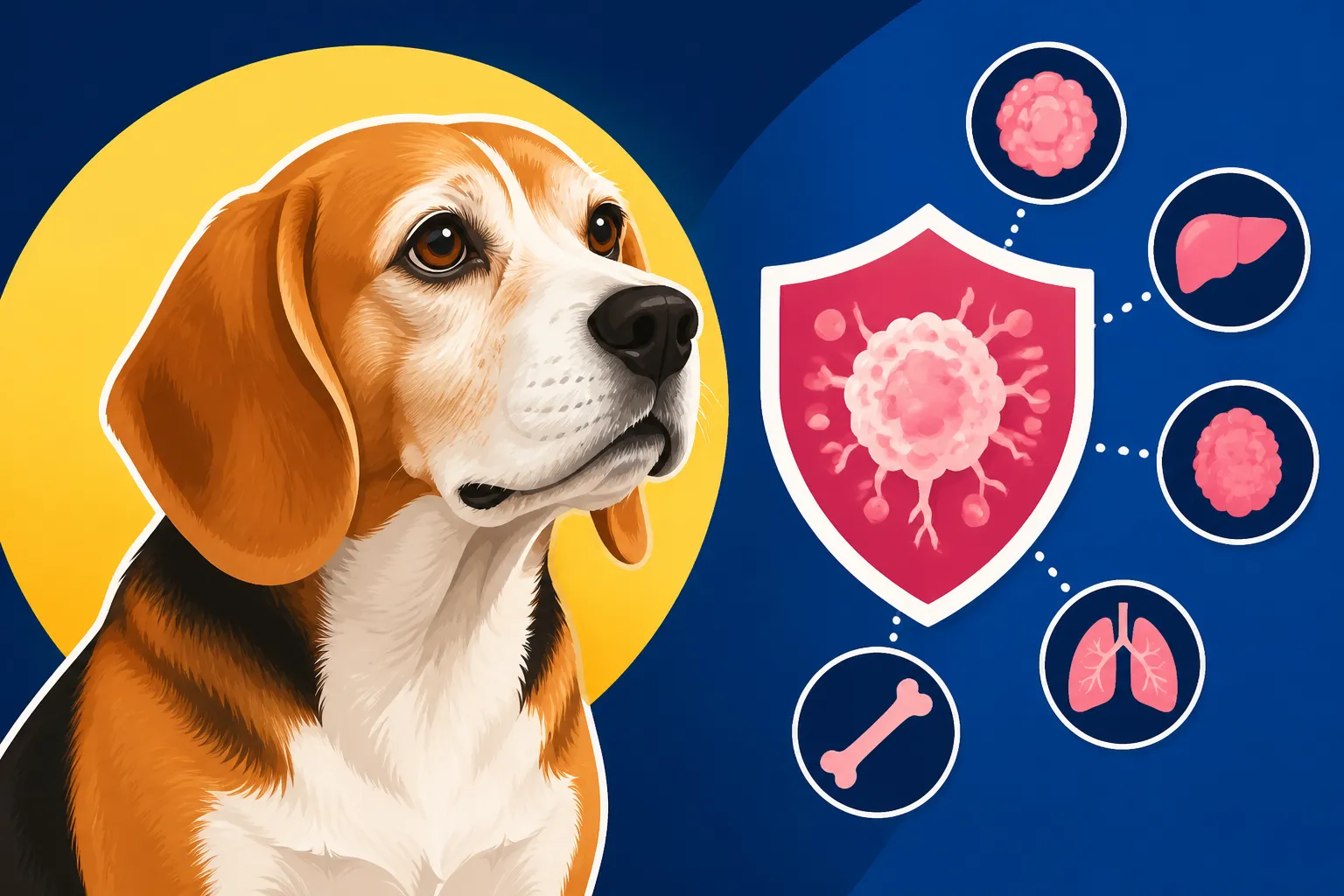
It's heartbreaking to watch our beloved Beagles grow older, knowing that with each passing year, they become more susceptible to a range of health issues. One of the most terrifying realities is the increased risk of cancer as they enter their senior years. This comprehensive guide will walk you through understanding why Beagles face higher cancer risks with age, the common types to watch for, how to spot early warning signs, and the available treatment options, aiming to empower you with knowledge to advocate for your furry family member.
Understanding Cancer in Aging Beagles
Just like in humans, cancer in dogs is essentially the uncontrolled growth of abnormal cells. It's a disease that often strikes without warning, but its prevalence definitely climbs as our dogs age. For Beagles, who often live a good, long life of 12 to 15 years, this means spending a significant portion of their later years in a higher risk category. It’s not just about the numbers; it’s about the quality of those golden years, and understanding this risk is the first step in protecting them.
Why Cancer Risk Increases with Age in Beagles
Think of a Beagle's body as a complex machine that's been running for a decade or more. Over time, cells accumulate damage from various sources, and the body's repair mechanisms, while incredible, aren't perfect. Each cell division carries a tiny risk of error, and after thousands upon thousands of divisions, those errors can start to compound. As our Beagles age, their immune systems naturally become less robust, less efficient at identifying and destroying these rogue, pre-cancerous cells before they can form a tumor. It’s a natural, albeit cruel, part of the aging process that we, as owners, need to be aware of. This is why regular vet check-ups become even more crucial as your Beagle transitions into their senior years.
Beyond the cellular wear and tear, exposure to environmental toxins and even chronic inflammation can also contribute to cellular changes over time. A Beagle that has spent years in a particular environment or experienced persistent health issues might have accumulated more cellular stress, making them more vulnerable. It’s a complex interplay, and while we can't stop time, we can certainly try to mitigate some of these accelerating factors.
The Genetic Component and Breed Predisposition
While all dogs can get cancer, some breeds, unfortunately, have a higher genetic predisposition to certain types. Beagles, generally known for being robust, aren't immune to this. There isn't one single "Beagle cancer gene" that's been identified as a universal culprit, but genetic factors absolutely play a role in their overall susceptibility. Certain lines or families within the Beagle breed might have a higher incidence of specific cancers, highlighting the importance of understanding your dog's lineage if possible.
Reputable breeders often perform various health screenings, and while specific cancer genetic tests aren't as common as those for conditions like hip dysplasia or eye problems, understanding a puppy's family history can offer some clues. If you adopted your Beagle, or don't have access to detailed lineage, don't despair – focusing on proactive care and early detection becomes even more vital. We often discuss Beagle Health Testing Under CHIC for hereditary conditions, and while cancer-specific tests aren't part of the standard panel, this overall approach to genetic health is important.
Environmental Factors and Lifestyle Impacts
It's not just about age and genetics; your Beagle's environment and daily life choices play a significant role in their cancer risk. Exposure to certain chemicals, pesticides, or even secondhand smoke can introduce carcinogens into their system over time. Think about the lawn treatments used in your yard or neighborhood, or cleaning products within your home – these are all things your curious, nose-to-the-ground Beagle might come into contact with.
Additionally, lifestyle factors like diet and exercise can profoundly influence overall health and, by extension, cancer risk. A Beagle that is Beagle Obesity Treated as a Health Problem will not only have joint issues but also increased systemic inflammation, which is a known contributor to cancer development. Maintaining a healthy weight, providing a balanced diet, and ensuring adequate, regular exercise aren't just about keeping them happy; they're critical components of a long-term cancer prevention strategy. It's a holistic approach to their well-being, acknowledging that every aspect of their life contributes to their overall health picture.
Common Types of Cancer in Senior Beagles
When we talk about cancer in older Beagles, it’s not just one disease; it’s a whole spectrum of conditions that can affect different parts of their body. Some types are more aggressive, while others are slower-growing. Knowing which ones are commonly seen in Beagles can help you be more vigilant. It's truly a scary journey, but knowledge is your best defense.
Lymphoma: A Frequent Foe
Lymphoma is one of the most commonly diagnosed cancers in dogs, and Beagles are no exception. This cancer originates in the lymphocytes, a type of white blood cell, and can affect any organ that contains lymphatic tissue. This means it can show up almost anywhere – in the lymph nodes, spleen, liver, bone marrow, or even the skin or gastrointestinal tract. What makes lymphoma so insidious is its varied presentation.
Often, the first sign owners notice is enlarged lymph nodes, which might feel like firm, painless lumps under the jaw, in front of the shoulders, or behind the knees. You might feel these while you're petting your Beagle, or even during a routine cuddle session. However, some Beagles might present with more vague symptoms like lethargy, loss of appetite, or weight loss, making diagnosis tricky without a vet visit. Early detection is crucial, and if you notice any suspicious lumps, getting a vet to check them out immediately is paramount.
Mast Cell Tumors: The Great Mimic
Mast cell tumors are another frequent and frustrating cancer in Beagles, earning their "great mimic" nickname because they can appear in so many different ways. These tumors originate from mast cells, which are part of the immune system and involved in allergic reactions. They can arise anywhere on or under the skin, but also internally, affecting organs like the spleen, liver, or bone marrow. A mast cell tumor might look like a harmless skin tag, a raised wart, a fatty lump, or even a red, inflamed area.
The tricky part is that their appearance can change – they might swell, shrink, and then swell again, which can sometimes lead owners to believe it's just an allergic reaction. This fluctuation is known as Darier's sign. Because of their unpredictable nature and potential for rapid growth and metastasis (spreading), it’s always best to have any new lump or bump on your Beagle evaluated by a veterinarian. Even a seemingly benign spot could be a mast cell tumor, and prompt removal can make a huge difference in prognosis. For more specific information, check out our guide on Beagle Mast Cell Tumors and How They Present.
Other Cancers: Bone, Spleen, and Oral
Beyond lymphoma and mast cell tumors, older Beagles can unfortunately develop other forms of cancer. Osteosarcoma, a type of bone cancer, is particularly aggressive and often affects larger breeds, but can occur in Beagles as well. Symptoms usually involve lameness, swelling, or pain in a limb, and it can be devastatingly fast-moving. If your older Beagle suddenly develops a persistent limp or a noticeable swelling on a leg, it's vital to get it checked by a vet right away.
Splenic tumors, often hemangiosarcoma, are also a concern. The spleen is a blood-filled organ, and these tumors can grow quite large without any outward signs until they rupture, causing internal bleeding and acute collapse. Regular abdominal palpation during vet visits can sometimes detect these, but often they are silent until a crisis hits. Finally, oral cancers, while less common than skin tumors, can also affect senior Beagles, especially those with poor dental hygiene. Any persistent bad breath (beyond normal "Beagle breath"), difficulty eating, bleeding from the mouth, or visible masses inside the mouth warrant immediate veterinary attention. These are often discovered during a routine dental exam.
Recognizing the Early Warning Signs
One of the most powerful tools we have as Beagle owners in the fight against cancer is our ability to recognize early warning signs. Our Beagles can’t tell us when something is wrong, so it’s up to us to be hyper-observant of any changes, no matter how subtle they might seem. Trust your gut feeling; if something feels off, it probably is.
Subtle Changes in Behavior and Appetite
Cancer often doesn't announce itself with a dramatic symptom; it often starts with vague, general changes that can easily be dismissed as "just getting old." Has your once-enthusiastic Beagle suddenly become more lethargic, sleeping more than usual, or showing less interest in walks or playtime? Are they slowing down on your daily strolls, or choosing to nap instead of engaging with the family? These can be early indicators that something is amiss, especially when coupled with other symptoms.
Changes in appetite are also a big red flag. A Beagle is typically a food-motivated machine, so any decrease in appetite, pickiness, or refusal to eat, even their favorite treats, warrants attention. Similarly, unexplained weight loss, even if their appetite seems normal, can be a sign of an underlying issue, as cancer cells can consume a lot of energy. Keep a close eye on their daily routine; small deviations can speak volumes. For more tips on caring for an aging hound, read our article on Senior Beagle Care After the Age of Ten.
Visible Lumps, Bumps, and Skin Anomalies
This is probably one of the most obvious signs and something many owners can easily spot. As Beagles age, it's common for them to develop benign fatty tumors called lipomas, or cysts. However, not every lump is harmless. Any new lump or bump on or under your Beagle's skin should be evaluated by a veterinarian. Pay attention to its size, shape, texture, and whether it's fixed or movable.
It’s crucial to distinguish between a benign growth and something more serious. A good rule of thumb is: if you can feel it, track it. Measure it, take a photo, and note its location. If it grows, changes in shape, or becomes inflamed, it needs immediate attention. Don’t ignore it, hoping it will go away. We have an entire guide dedicated to Beagle Lumps That Need a Vet Appointment because they are so common and often concerning. Even subtle skin changes, like non-healing sores or areas of unusual redness or thickening, should also be checked out, as they could indicate skin cancer.
Gastrointestinal and Urinary Tract Symptoms
Persistent gastrointestinal issues can also be a sign of internal cancers, especially those affecting the stomach, intestines, or pancreas. Chronic vomiting, diarrhea, changes in stool consistency (especially dark, tarry stools which can indicate bleeding), or unexplained constipation should never be ignored. Your Beagle might also show signs of abdominal pain or discomfort, such as reluctance to be picked up or a hunched posture.
Similarly, changes in urination habits could signal problems in the urinary tract. Increased frequency of urination, straining, blood in the urine, or accidents indoors when your Beagle is normally house-trained can all be symptoms of bladder or kidney cancer. While these symptoms can also indicate infections, it’s always best to have them thoroughly investigated by a vet to rule out more serious conditions. It’s better to be overly cautious than to miss something critical.
| Symptom Category | Specific Signs to Watch For | Potential Cancer Types |
|---|---|---|
| General/Behavioral | Lethargy, increased sleeping, decreased interest in activities, unexplained weight loss, loss of appetite. | Lymphoma, various internal cancers, systemic cancers. |
| Skin/Lumps | New or changing lumps/bumps, non-healing sores, abnormal skin coloration, persistent itching. | Mast Cell Tumors, Squamous Cell Carcinoma, Melanoma. |
| Gastrointestinal | Chronic vomiting/diarrhea, changes in stool (e.g., tarry stools), abdominal pain/swelling. | Lymphoma (GI form), Adenocarcinoma, Hemangiosarcoma. |
| Urinary | Increased urination, straining, blood in urine, incontinence. | Transitional Cell Carcinoma (bladder), kidney cancer. |
| Oral/Dental | Bad breath, bleeding gums, difficulty chewing, drooling, visible masses in mouth. | Oral Melanoma, Squamous Cell Carcinoma. |
| Musculoskeletal | Lameness, swelling of a limb, unexplained pain, reluctance to move. | Osteosarcoma (bone cancer). |
Diagnosis and Treatment Options
Receiving a cancer diagnosis for your beloved Beagle is truly devastating news, and it can feel overwhelming. But it’s important to remember that a diagnosis is not an end, but rather the beginning of a new phase of care. Modern veterinary medicine has come a long way, and there are often many options available to help your Beagle.
The Diagnostic Journey: From Exam to Biopsy
When you bring your Beagle in with suspicious symptoms, your vet will start with a thorough physical examination. They’ll feel for any enlarged lymph nodes, palpate the abdomen, listen to the heart and lungs, and generally assess your dog's overall health. If a lump is found, or internal issues are suspected, the next step is usually diagnostic imaging, such as X-rays, ultrasound, or even more advanced MRI or CT scans, which can help pinpoint the location and size of any tumors.
However, the definitive diagnosis of cancer almost always requires a biopsy. This involves taking a small tissue sample from the suspicious area, which is then sent to a veterinary pathologist for examination under a microscope. This is where the specific type of cancer is identified, and often, its grade (how aggressive it appears) and stage (how far it has spread) are determined. This crucial information guides the treatment plan. It's a scary process, but absolutely necessary to get a clear picture of what you're dealing with.
Surgical Intervention and Radiation Therapy
For many localized cancers, surgical removal is the primary and often most effective treatment. If the tumor can be completely excised with wide, clean margins, surgery might even be curative. This is often the case for many skin tumors, including some mast cell tumors, as long as they haven't spread. Of course, the feasibility of surgery depends on the tumor's location, size, and whether it has invaded surrounding tissues or vital organs. Post-operative care is crucial, and your Beagle will need plenty of rest and monitoring as they heal.
Radiation therapy is another powerful tool, often used in conjunction with surgery or as a standalone treatment for tumors that can't be surgically removed. It uses high-energy beams to target and destroy cancer cells while minimizing damage to surrounding healthy tissue. Radiation can be particularly effective for certain types of localized tumors, like nasal tumors or some forms of soft tissue sarcoma. It often requires multiple treatment sessions, usually under sedation, which can be a commitment but can significantly improve outcomes and quality of life.
Chemotherapy and Palliative Care
When cancer has spread throughout the body (metastasized) or is a systemic cancer like lymphoma, chemotherapy often becomes the treatment of choice. Unlike radiation, which is localized, chemotherapy uses drugs that travel throughout the body to kill cancer cells. This might sound intimidating, but canine chemotherapy is generally much less harsh than human chemotherapy, with fewer severe side effects. The goal is often to extend a good quality of life rather than aiming for a complete cure, although remission is certainly possible. Your Beagle might experience some mild nausea, fatigue, or temporary hair loss (though less common in Beagles than in some other breeds), but serious side effects are rare and carefully managed by your veterinary oncologist.
Sometimes, a cure isn't possible, or an owner opts against aggressive treatment due to their Beagle's age or other health concerns. In these situations, palliative care becomes paramount. This focuses on managing symptoms, alleviating pain, and maintaining the best possible quality of life for as long as possible. This might involve pain medications, anti-nausea drugs, appetite stimulants, or other supportive therapies. It's about ensuring your Beagle is comfortable, happy, and feels loved, making every day count. If you have pet insurance, a company like Healthy Paws can be a lifesaver in helping manage the often substantial costs associated with these treatments, allowing you to focus on your Beagle's well-being without overwhelming financial stress.
Managing Life with a Cancer Diagnosis
Life after a cancer diagnosis for your Beagle fundamentally changes. It’s a journey filled with emotions, tough decisions, and a new routine centered around their health. It’s okay to feel overwhelmed; you're not alone in this. Many Beagle owners walk this path, and finding ways to cope and support your dog is key.
Supporting Your Beagle Through Treatment
Navigating cancer treatment with your Beagle requires dedication and attention to detail. This often means frequent vet visits for chemotherapy sessions, radiation appointments, or check-ups. It's vital to stay on top of medication schedules, which can be complex, involving different drugs at different times. Keeping a detailed diary can be incredibly helpful for tracking doses, side effects, and your Beagle's overall mood and energy levels. This information is invaluable for your veterinary team as they adjust protocols.
During this time, your Beagle might experience changes in appetite, energy, or even personality. Providing comfort and routine becomes more important than ever. Offer easily digestible foods, create cozy resting spots, and maintain a predictable schedule to reduce stress. A strong bond and your consistent, gentle presence will be their greatest source of comfort. Remember, you're their advocate and their rock through this challenging time. It's worth considering pet insurance like Healthy Paws before any diagnosis, as it can significantly ease the financial burden of ongoing treatments and help you provide the best possible care without compromise.
Quality of Life Considerations and End-of-Life Decisions
This is arguably the hardest part of the cancer journey. There will come a point when you need to honestly assess your Beagle's quality of life. Are they still enjoying their favorite activities, even in a modified way? Are they eating, drinking, and interacting with you? Or are they experiencing more bad days than good, struggling with pain, discomfort, or profound weakness despite all efforts? This is where objective observation, often aided by your veterinarian, becomes critical.
Making end-of-life decisions is agonizing, but it's a profound act of love and the final kindness we can offer our pets when their suffering outweighs their joy. It's about understanding what Judging Quality of Life in a Beagle's Last Year truly means. Discussing these difficult choices with your vet, family, and trusted friends can provide invaluable support. Focus on creating positive, comfortable experiences during their final days, showering them with love, favorite treats (if they can eat them), and gentle companionship. Hospice care for pets is also an option, providing comfort-focused care at home.
Emotional Toll on Owners and Finding Support
Caring for a Beagle with cancer takes an immense emotional toll. The grief often begins the moment of diagnosis, a pre-emptive mourning for the future you imagined. It’s normal to feel angry, sad, guilty, or exhausted. Watching your beloved companion suffer, or knowing their time is limited, is a uniquely painful experience. It's crucial to acknowledge these feelings and allow yourself to grieve.
Don't isolate yourself. Talk to friends, family, or your veterinary team. There are also many online communities and support groups for pet owners dealing with canine cancer. Sharing your experiences and fears with others who understand can be incredibly validating and helpful. Remember to take care of yourself too; you can't pour from an empty cup. Allowing yourself moments of peace and self-care, even small ones, will help you be a stronger support for your Beagle. Organizations like the Pet Loss Support Hotline can also offer comfort and guidance during this incredibly tough time.
Prevention and Proactive Care for Senior Beagles
While we can't completely prevent cancer, there's a lot we can do to reduce the risk and, perhaps most importantly, increase the chances of early detection when it does occur. For our Beagles, who are notorious for their love of food and strong noses leading them into mischief, proactive care is particularly vital.
The Role of Diet and Exercise
A balanced, high-quality diet plays a fundamental role in supporting your Beagle's overall health and immune system. Avoid highly processed foods with artificial ingredients. Focus on whole, recognizable ingredients that provide essential nutrients without excess fillers. For an older Beagle, a diet tailored to their senior needs, often with fewer calories and more joint-supporting ingredients, can be beneficial. Consider consulting with your vet or a veterinary nutritionist to find the best diet for your individual Beagle's needs and activity level. If you're concerned about obesity, which can exacerbate many health issues, remember that Beagle Obesity Treated as a Health Problem can be managed with careful dietary planning.
Regular, appropriate exercise is equally important. It helps maintain a healthy weight, boosts circulation, supports immune function, and reduces inflammation – all factors that can contribute to a lower cancer risk. For senior Beagles, this might mean shorter, more frequent walks, or engaging in scent work games that challenge their minds without overtaxing their aging bodies. Keeping them active and at a healthy weight is one of the best preventative measures you can take.
Regular Vet Check-ups and Early Detection
This cannot be stressed enough: regular veterinary check-ups are your most powerful weapon against cancer in aging Beagles. As Beagles enter their senior years, typically around age 7-8, annual vet visits should ideally become biannual. These visits allow your veterinarian to perform thorough physical examinations, looking for subtle changes that you might miss at home. They can catch new lumps, assess organ function, and discuss any behavioral changes you've noticed. For older Beagles, your Beagle Vet Visit Frequency After the Age of Ten becomes even more critical for monitoring their overall health.
Beyond the physical exam, your vet may recommend routine blood work and urinalysis for senior Beagles. These tests can reveal abnormalities in organ function or blood cell counts that could be early indicators of underlying disease, including some cancers, long before external symptoms appear. Early detection often means more treatment options, less invasive procedures, and a better prognosis. Don't skip these crucial appointments, even if your Beagle seems perfectly healthy – prevention and early detection are key.
Genetic Screening and Responsible Breeding
While there isn't a single genetic test for all canine cancers, understanding the genetic predispositions within the Beagle breed and individual lines can be helpful, especially if you are considering bringing a new Beagle into your life. Responsible breeders will conduct various health screenings, such as those for The MLS DNA Test Required for Beagle CHIC and hip and eye certifications, which contribute to the overall health of the breed. While these don't directly screen for cancer, they indicate a breeder's commitment to producing healthy dogs.
If you are adopting, ask about any known health issues in the Beagle's family history if available. While you can't change your dog's genetics, being aware of potential predispositions can help you be more vigilant about specific symptoms. Ultimately, choosing a reputable breeder or rescue organization that prioritizes health and transparency is an important step in setting your Beagle up for the healthiest life possible. Even if you cannot screen for specific cancer genes, a healthy genetic foundation can contribute to a more robust immune system and overall vitality, which are protective factors against many diseases, including cancer.
Disclaimer
This article is for general informational purposes only and does not constitute professional advice. Laws, prices and regulations vary by location and change over time. Consult a qualified professional for guidance on your specific situation.