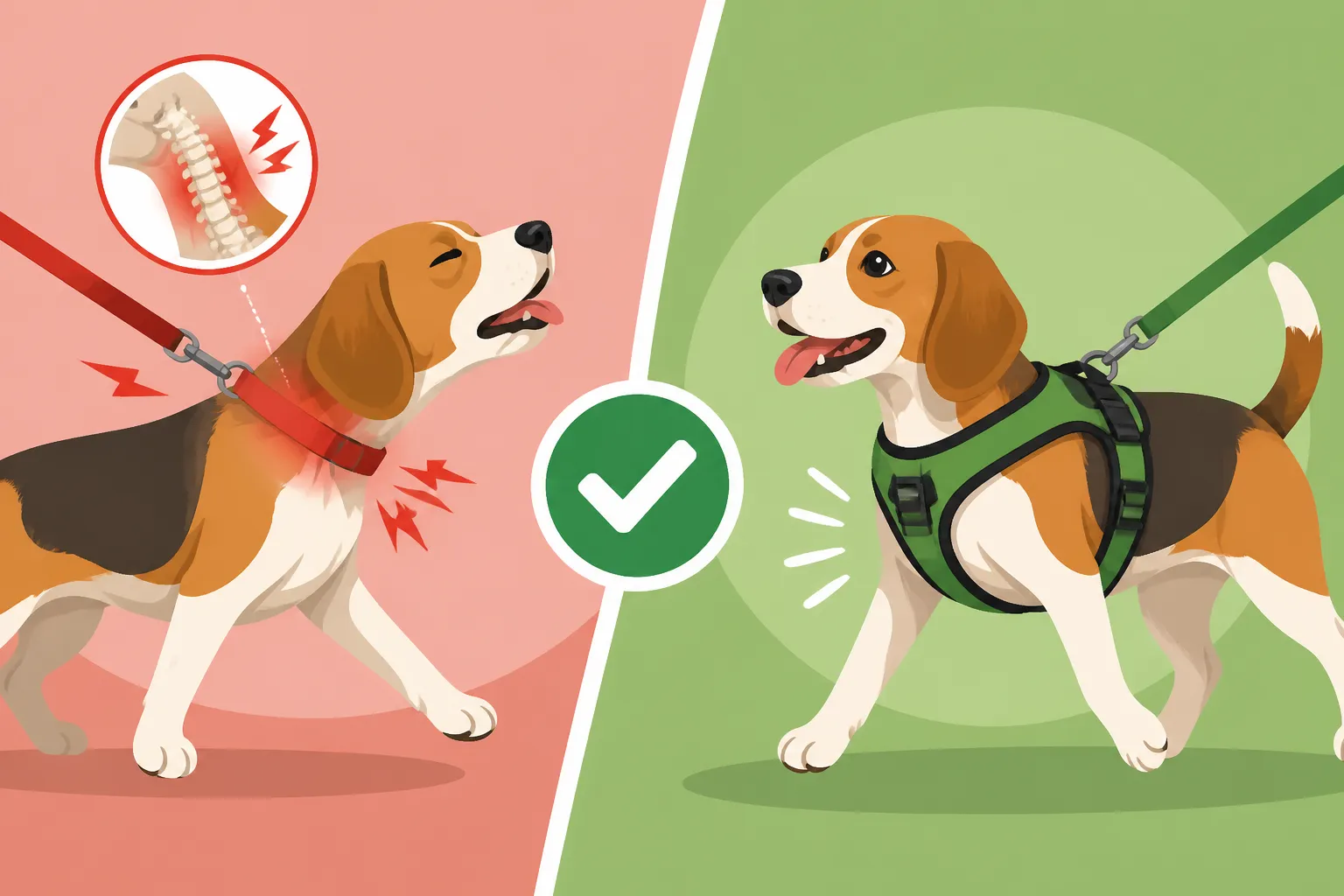
Why a Harness Protects a Beagle’s Neck
It's a familiar scenario for so many Beagle owners: you’re out for a walk, enjoying the fresh air, when suddenly your furry friend catches a tantalizing scent. Their nose hits the ground, and before you know it, you’re being dragged down the street, feeling that frantic tug-of-war on their neck. That constant pressure on a traditional collar isn't just uncomfortable for your beloved hound; it can actually lead to serious long-term health issues. This guide will explain precisely why a harness is a much safer, more humane, and ultimately more effective choice for protecting your Beagle's delicate neck and spine, transforming your walks into a more pleasant experience for both of you.
Understanding Your Beagle's Vulnerable Neck and Spine
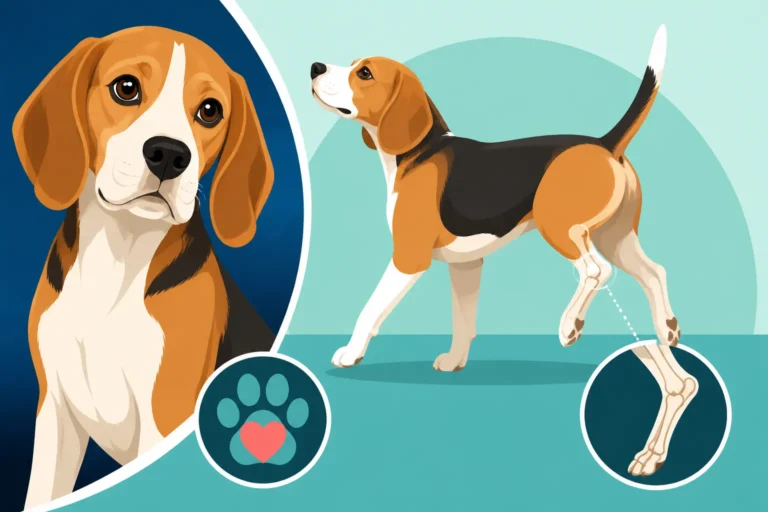
Beagles, with their compact yet muscular builds and insatiable drive to follow a scent, possess a unique anatomy that makes their neck particularly susceptible to injury when using a standard collar. It’s not just about their size; it’s about how their body is structured and how they use it.
The Beagle's Unique Neck and Spinal Structure
While Beagles aren't typically considered a "long-backed" breed in the same vein as a Dachshund, their moderate-length neck connects to a relatively robust, yet still vulnerable, spinal column. The cervical spine (neck) and thoracic spine (upper back) are designed to be flexible, allowing for that characteristic nose-to-the-ground trailing. However, this flexibility also means they can be easily strained or damaged by sudden, intense pressure. Imagine the force of a full-grown Beagle, weighing anywhere from 20 to 30 pounds, suddenly lunging or pulling with all its might against a narrow strip of material around its throat. That force is concentrated directly on bone, muscle, and delicate soft tissues.
Furthermore, Beagles are bred to hunt by scent, and this instinct is incredibly powerful. When they're "on a scent," their focus is absolute, and their physical drive to follow it can override almost everything else, including your commands or their own physical discomfort. This translates into a dog that pulls with unwavering determination, often without realizing the strain they’re putting on their own body. If you’ve ever wondered Why a Beagle Back Is Longer Than It Looks, you’ll understand that this moderate length, combined with intense pulling, can create significant leverage that translates stress through the entire spinal column, not just the neck.
Risks Beyond Just Choking
Many owners think of collars primarily in terms of the immediate risk of choking. While that’s certainly a concern, the dangers extend far beyond a momentary cough or gag. Constant or sudden pressure on a Beagle's neck from a collar can lead to a cascade of chronic problems that might not be immediately obvious. Over time, repeated strain can cause inflammation in the soft tissues, leading to persistent Beagle Neck Pain and a Head Held Low. This pain might manifest as reluctance to turn their head, difficulty reaching their food bowl, or a general stiffness.
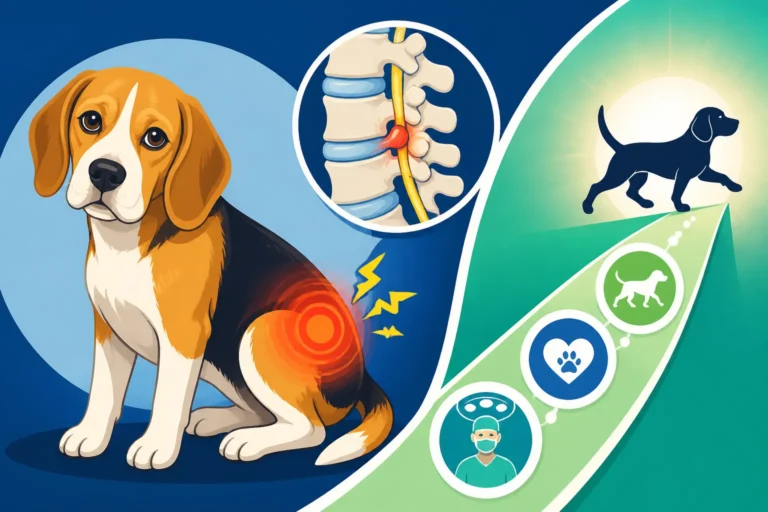
Beyond discomfort, there’s the very real risk of nerve damage. The cervical spine is a complex network of vertebrae, discs, and nerves that branch out to control the front legs and various bodily functions. Sustained compression or sharp jerks can lead to pinched nerves, causing tingling, numbness, weakness, or even lameness in the front limbs. This isn't something that happens overnight, but rather a cumulative effect that can significantly impact your Beagle's quality of life as they age. Conditions like Beagle Back Problems and Intervertebral Disc Disease might seem related to the mid-back, but neck trauma can certainly exacerbate spinal sensitivities or even initiate similar disc issues in the cervical region. It’s a preventable concern that a proper harness can alleviate entirely.
The Hidden Dangers of Traditional Collars
While collars are a common accessory for identification tags, using them as the primary attachment point for a leash, especially with a strong-willed Beagle, comes with significant risks that many owners unknowingly overlook.
Direct Pressure on the Trachea and Esophagus
Imagine trying to breathe or swallow with a tight band around your throat – that's essentially what happens to a Beagle when a collar pulls against their neck. The trachea, or windpipe, is a flexible tube that can be easily compressed. When your Beagle pulls on a collar, particularly a flat buckle collar, the pressure directly constricts their airway, leading to coughing, gagging, and even reverse sneezing. For some Beagles, this can be quite dramatic, causing them to make alarming choking sounds. While it might seem like just a momentary discomfort, repeated compression can lead to chronic irritation of the throat and larynx.
Furthermore, the esophagus, which carries food to the stomach, also runs along the neck. Although less immediately affected than the trachea, severe or sustained pressure could potentially interfere with swallowing or contribute to acid reflux. For a breed already known for its enthusiastic eating and sometimes overly quick ingestion, any additional pressure on the throat area can compound issues, especially if your Beagle is prone to Beagle Gulping Food and the Choking Risk. This direct constriction doesn't just make walks unpleasant; it can be genuinely detrimental to their respiratory and digestive health over time.
Impact on the Cervical Spine and Nerves
The cervical spine, or neck, is incredibly complex and vital, housing the spinal cord and a multitude of nerves that control movement and sensation throughout the front half of the dog's body. A traditional collar, especially when a Beagle lunges or pulls hard, concentrates all that force onto a very small area of these delicate structures. This isn't just about discomfort; it’s about mechanical stress on the vertebrae and the intervertebral discs that cushion them.
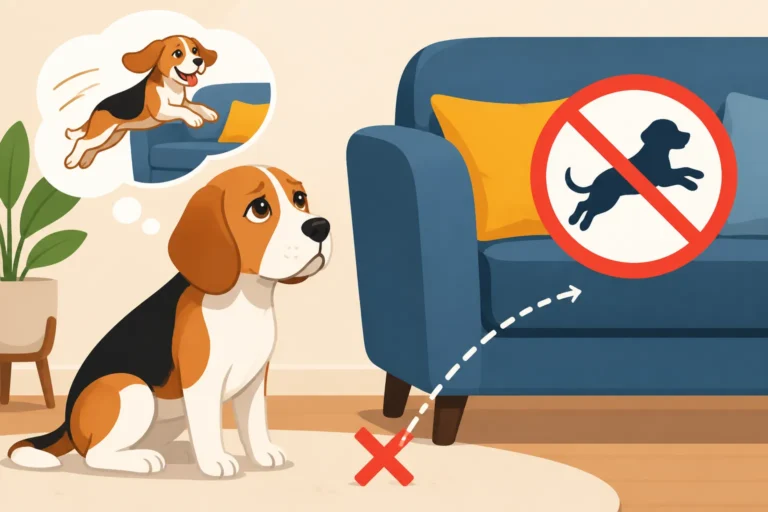
Sudden jerks, particularly if you're trying to correct your Beagle's pulling, can cause whiplash-like injuries. This can lead to muscle strains, ligament sprains, and even micro-traumas to the discs. Over time, this constant stress can contribute to degenerative disc disease in the neck, a painful condition that can severely limit mobility and cause chronic pain. Pinched nerves are another serious concern; if a nerve root exiting the spinal cord in the neck is compressed, your Beagle could experience pain, weakness, or numbness in one or both front legs. You might notice your Beagle walking A Beagle That Suddenly Will Not Jump on the Couch or struggling with stairs, and while this could be hip-related, neck pain is often an overlooked culprit. This type of chronic trauma could eventually necessitate interventions like Beagle Physical Therapy After a Back Injury, highlighting the importance of prevention from day one.
Thyroid Gland and Eye Pressure
It's also worth noting that the thyroid gland, responsible for regulating metabolism and other vital bodily functions, is located in the neck. While direct evidence linking collar pressure to thyroid dysfunction is debated in the veterinary community, it's a concern raised by some holistic vets. The argument is that constant constriction could potentially impede blood flow or irritate the gland, which some theorize could contribute to problems like Beagle Hypothyroidism and the Weight It Puts On. While this isn't a universally accepted cause, it adds another layer of potential risk.
For Beagles prone to certain eye conditions, the impact of neck pressure can be more direct. Increased pressure around the neck, such as from a tight collar or sustained pulling, can transiently increase intraocular pressure (pressure within the eye). While a healthy Beagle might tolerate this without issue, for a dog already predisposed to conditions like glaucoma, or with pre-existing Beagle Eye Conditions and the Board-Certified Exam, any activity that spikes eye pressure is a concern. It’s another subtle but important reason to reconsider anything that constricts the neck.
How a Harness Provides Superior Protection
Moving away from collars for leash attachment is one of the most impactful decisions you can make for your Beagle's long-term health and comfort. A harness fundamentally changes how leash pressure is applied, offering a much safer alternative.
Redistributing Pressure Evenly
The primary advantage of a harness is its ability to distribute pressure across a much larger, more muscular, and less sensitive area of your dog's body. Instead of concentrating all the force on the delicate structures of the neck, a well-fitting harness spreads the pressure across the chest, shoulders, and back. These areas are far more robust and are better equipped to absorb the impact of pulling or sudden stops.
When your Beagle pulls on a harness, that force is diffused. There's no direct pressure on the trachea, no constriction of the esophagus, and no acute stress on the cervical spine or thyroid gland. This means your Beagle can still indulge their powerful scent drive and explore their world without risking injury to their throat or neck. It transforms the walk from a potential tug-of-war on their neck into a more balanced and comfortable experience. Even a strong, enthusiastic puller will find the sensation of a harness less jarring and restrictive, leading to a more pleasant outing for both of you.
Different Harness Types and Their Benefits
Not all harnesses are created equal, and understanding the differences can help you choose the best one for your Beagle's specific needs and walking style.
Front-Clip Harnesses
These harnesses feature a leash attachment ring located on the dog's chest, rather than on their back. When your Beagle pulls forward, the leash connection on the front gently redirects their momentum to the side, causing them to turn back towards you. This makes it very difficult for them to continue pulling with full force, as their body is naturally steered off course. It’s an incredibly effective tool for Beagles that are strong pullers, and many owners find it a game-changer for control without resorting to harsh corrections. If you’re struggling with a Beagle who pulls relentlessly toward every exciting smell, a front-clip harness, as detailed in Front-Clip Harnesses for a Beagle That Pulls Toward Scent, can be a huge relief, saving your arm and their neck. Many reputable brands offer excellent front-clip options, designed for both comfort and control.
Back-Clip Harnesses
Back-clip harnesses have the leash attachment ring on the dog's back, typically between the shoulder blades. These are excellent for Beagles who don't pull much, providing comfort and security without adding pressure to the neck. They're also a good choice for smaller Beagles or those who are already well-trained on a leash. The back-clip design offers a comfortable fit and allows for a full range of motion, making it ideal for casual walks and light exercise. While they don't offer the same redirection as a front-clip for heavy pullers, they still eliminate all neck pressure, which is the key benefit over a collar.
Dual-Clip Harnesses
For maximum versatility, some harnesses offer both a front-clip and a back-clip attachment point. This allows you to switch between the two based on your walking situation or your Beagle's behavior that day. You might use the front clip for more crowded, distracting environments where pulling is likely, and the back clip for a relaxed stroll in a quiet park. This adaptability makes dual-clip harnesses a fantastic investment, providing options as your Beagle's leash manners evolve or as different situations arise.
Enhanced Control and Safety
Beyond protecting your Beagle's neck, harnesses offer a significant advantage in terms of overall control and safety, particularly with a breed as scent-driven and curious as a Beagle. Their powerful nose can lead them into all sorts of mischief, and their single-minded pursuit of a trail means they can ignore you completely.
A harness, especially a well-fitting one with multiple points of adjustment, provides a more secure connection to your dog's body. This makes it much harder for a determined Beagle to slip out of it, compared to a collar which can sometimes be backed out of with surprising ease. This is particularly crucial if you have a Beagle with a knack for Beagle Escape Artistry and How to Contain It. If your Beagle bolts after a squirrel or rabbit, a harness gives you better leverage to safely stop them without causing injury. Imagine the panic if your Beagle, mid-chase, suddenly slips out of their collar and vanishes down a busy street!
The increased control also translates to better management in crowded areas or when encountering other dogs. Instead of yanking on their neck, which can be painful and even provoke a negative reaction, you can guide them more effectively using the harness. This can make socialization easier and safer, reducing stress for both you and your Beagle. Investing in a good harness is a proactive step toward preventing accidents and ensuring that every walk is a secure and enjoyable adventure.
Choosing the Best Harness and Training for Your Beagle
Making the switch to a harness is just the first step; ensuring it fits correctly and introducing it positively are crucial for success.
Finding the Right Fit
A harness is only as good as its fit. A harness that is too loose can allow your Beagle to wiggle out, posing an escape risk, while one that is too tight can cause chafing, restrict movement, and be just as uncomfortable as a collar. Here’s how to ensure a perfect fit:
- Measure Accurately: Before buying, measure your Beagle's chest girth (the widest part of their rib cage, just behind their front legs) and, for some harnesses, their neck circumference. Compare these measurements to the manufacturer's sizing chart.
- The Two-Finger Rule: Once the harness is on, you should be able to comfortably slide two fingers underneath all the straps. If you can fit more, it's too loose. If you struggle to fit two fingers, it's too tight.
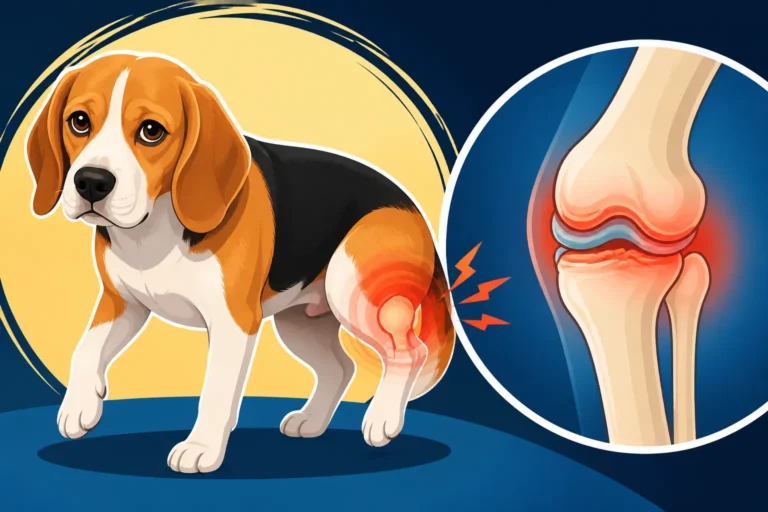
- Check for Rubbing: Pay close attention to areas around the armpits and chest. Some Beagles, especially those with short coats, can be prone to chafing. A well-designed harness will have padded straps or be cut in a way that avoids sensitive areas. You want to make sure the harness doesn't restrict their shoulder movement, which can impact their natural gait and potentially lead to Beagle Hip Dysplasia and Everyday Joint Wear or other joint issues over time.
- Observe Movement: Let your Beagle walk, trot, and even run a little while wearing the new harness (in a secure area, of course). Ensure there's no restriction in their shoulder or leg movement and that it doesn't shift excessively or twist.
Remember, every brand's sizing can differ, so always refer to their specific guide. A properly fitted harness ensures both comfort and safety.
Introducing the Harness Gradually
For some Beagles, especially those accustomed to a collar, a harness might feel strange at first. The key to a smooth transition is positive reinforcement and gradual introduction.
- Make it a Positive Experience: Start by simply showing your Beagle the harness, letting them sniff it. Give them a high-value treat and praise. Repeat this a few times over a day or two.
- Short Wearing Sessions: Next, place the harness on them for very short periods, perhaps just a minute or two, while distracting them with treats or a favorite toy. Immediately remove it and praise them again. Gradually increase the duration.
- Pair with Good Things: Always associate the harness with positive activities. Put it on just before mealtime, before going out for a fun walk, or before a play session. They'll quickly learn that harness equals good things!
- First Walks: For the first few walks, keep them short and in a familiar, low-distraction environment. Focus on praise and reward for calm walking. If your Beagle is particularly sensitive, it might take a few days or even a week to fully acclimate, but patience will pay off. This positive conditioning is vital for any new piece of equipment.
Making the Switch for Your Beagle's Long-Term Health
Making the permanent switch from a collar to a harness for leash attachment is one of the most proactive and loving decisions you can make for your Beagle's health and well-being. It’s not just about avoiding immediate injury; it’s about investing in their long-term comfort and mobility. Preventing chronic neck strain now can save your Beagle from painful conditions and expensive veterinary treatments down the line. How Extra Weight Raises Beagle Disc Pressure is a serious concern, and coupling good weight management with a protective harness gives your Beagle the best chance at a healthy spine throughout their life.
As your Beagle enters their golden years, conditions like arthritis or increased sensitivity in their joints become more prevalent. Minimizing strain on their neck and spine from a young age can significantly improve their quality of life as they age, making Senior Beagle Care After the Age of Ten much easier. Think of it as preventative care; much like you'd consider Beagle Pet Insurance and What It Runs a Month from a provider like Healthy Paws to cover unexpected medical costs, choosing a harness is a proactive step that could reduce the likelihood of needing those claims for neck or spinal issues in the first place. Healthy Paws, and other pet insurance providers, understand the value of preventative care in keeping your furry family members happy and healthy. By embracing a harness, you’re not just avoiding discomfort; you’re setting your Beagle up for a lifetime of happy, pain-free adventures on the leash.
Disclaimer
The information provided in this article is for general informational purposes only and is not a substitute for professional veterinary advice. Always consult with a qualified veterinarian for any health concerns or before making any decisions about your pet's medical care or treatment.