Beagle Disc Surgery and the Odds of Recovery
The moment your beloved Beagle shows signs of back pain or struggles to move, it's a gut-wrenching experience that fills you with fear and uncertainty. Seeing them in distress, unable to do the things they love, is heartbreaking. This guide is here to walk you through understanding Beagle disc surgery, what the recovery journey truly looks like, and what to realistically expect for your furry friend's future after such a challenging procedure.
Understanding Beagle Disc Disease and Its Impact
Intervertebral Disc Disease (IVDD) is a devastating condition that frequently afflicts Beagles, often catching owners off guard. Because Beagles have a somewhat elongated body structure and are naturally prone to energetic bursts of activity, their spines can be particularly vulnerable. It's a condition that can change your dog's life, and yours, in an instant.
What Is Intervertebral Disc Disease IVDD?
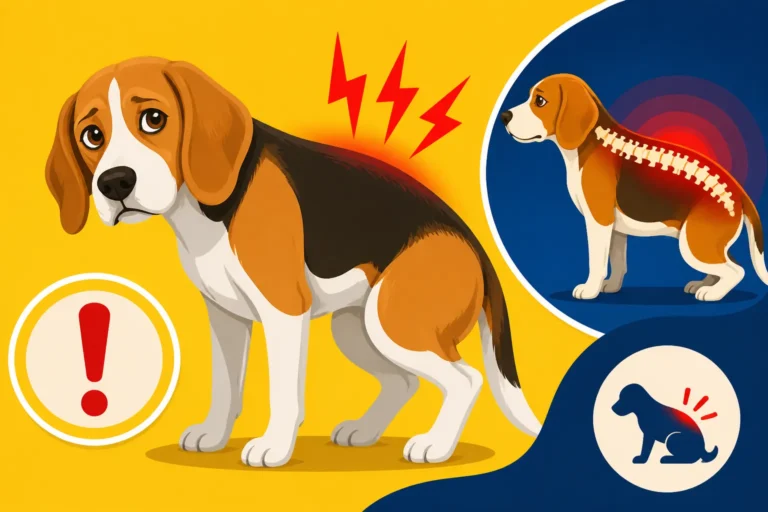
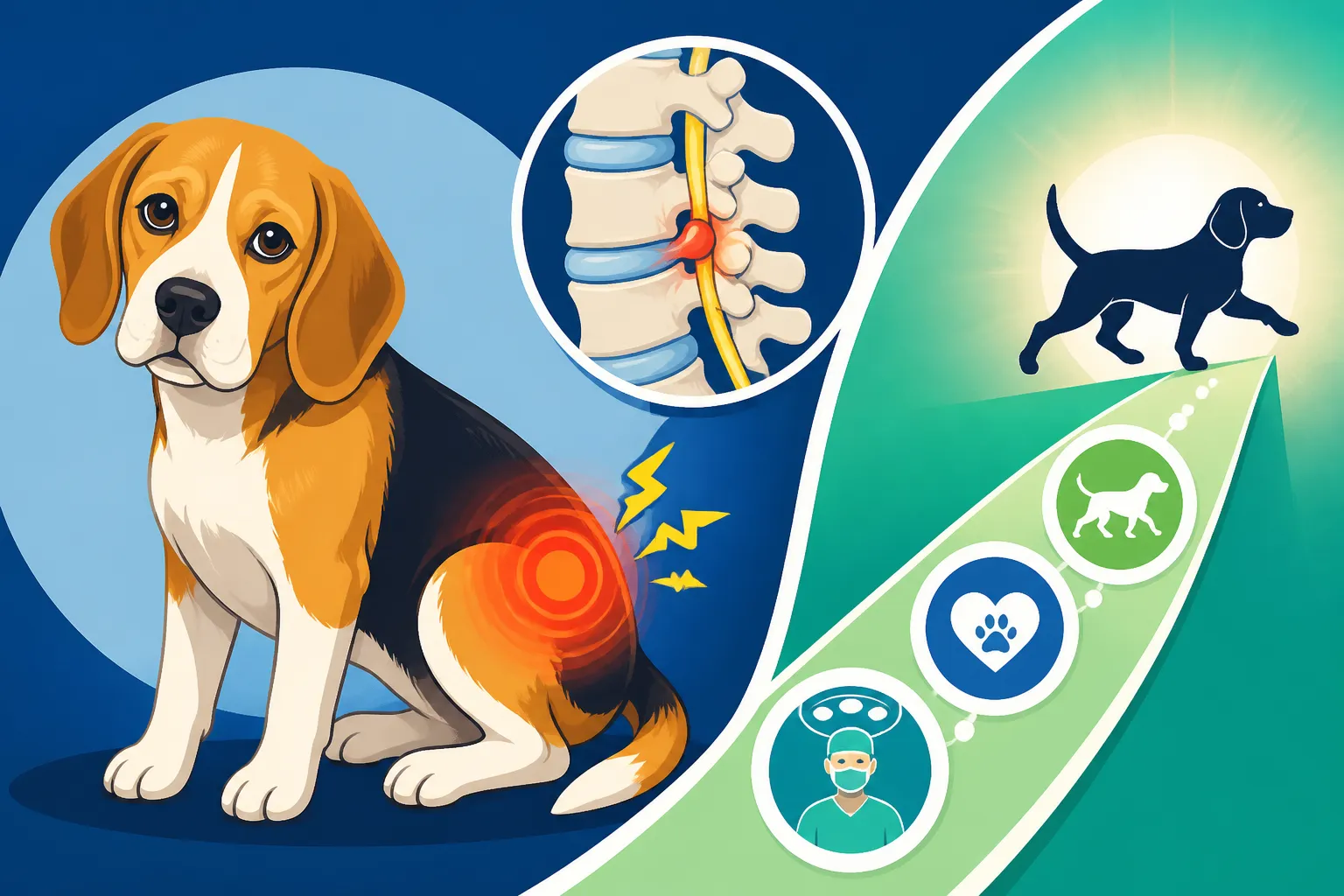
Imagine the spine as a stack of bony vertebrae, with cushions—the intervertebral discs—in between each one, acting as shock absorbers. These discs have a jelly-like center and a tough, fibrous outer layer. With IVDD, these discs can degenerate over time, either bulging out (Type I IVDD, common in Beagles) or rupturing and expelling their jelly-like contents into the spinal canal. When this happens, it compresses the delicate spinal cord, leading to a spectrum of symptoms from mild pain to complete paralysis. It’s a very scary prospect, especially when it happens suddenly. You might have heard about Beagle Back Problems and Intervertebral Disc Disease, and this is exactly what we're talking about – a serious issue that demands attention.
Recognizing the Signs of a Disc Problem
Beagles are tough and often try to hide their pain, but there are usually subtle, and then not-so-subtle, clues that something is amiss. Early signs might be as simple as a reluctance to jump, hesitation before going up or down stairs, or a general stiffness. They might not want to play as much, or they might cry out when picked up or touched in certain areas. You might notice your Beagle holding its head low, indicating Beagle Neck Pain and a Head Held Low. As the condition progresses, you might see a "hunched" back, a wobbly gait, or even a dragging of their hind legs. Many owners report A Beagle That Suddenly Will Not Jump on the Couch, which is a classic early indicator. It’s crucial to pay close attention to these subtle shifts in behavior, as early detection can sometimes mean a less invasive treatment path.
When to Suspect an Emergency
There are specific red flags that mean you need to get to an emergency vet immediately. If your Beagle suddenly collapses, cannot move its hind legs, drags its paws, or seems to have lost control of its bladder or bowels, these are urgent neurological signs. Severe pain, indicated by yelping, constant trembling, or an inability to get comfortable, also warrants an emergency visit. These symptoms suggest significant spinal cord compression, and time is often of the essence to prevent permanent damage. Don't wait to see if it improves; an emergency vet can properly assess the severity and guide you on the next steps, including potential surgery. This could be a situation where you find your A Beagle Walking Wobbly and What It Means, and it’s a terrifying thing to witness.
Navigating Surgical Options for Beagle Disc Injuries
Once a disc injury is suspected, your vet will begin a series of diagnostic steps to confirm the problem and determine the best course of action. This stage can feel overwhelming, with lots of technical terms and big decisions to make, but understanding the process can empower you.
Diagnosing the Extent of the Injury
The first step is a thorough neurological exam to pinpoint the location and severity of the spinal cord compression. However, to truly see what’s going on inside and confirm the diagnosis, advanced imaging is usually required. This typically means an MRI (Magnetic Resonance Imaging) or a CT (Computed Tomography) scan. These aren't cheap tests, but they are absolutely essential for a surgeon to visualize the damaged disc, assess the degree of spinal cord compression, and plan the most effective surgical approach. Without this clear picture, operating would be like flying blind. It's also important to rule out other conditions that might mimic IVDD symptoms, like tumors or infections. This thorough diagnostic process is what allows the vet to differentiate between something like Early Beagle Disc Signs Long Before Paralysis and other potential issues.
The Surgical Procedure for Disc Herniation
The most common surgical procedure for IVDD in Beagles is called a hemilaminectomy. This involves carefully removing a small section of bone from the vertebral arch to gain access to the spinal canal. Once exposed, the surgeon can then remove the herniated disc material that is compressing the spinal cord. In some cases, a fenestration might also be performed, where a small window is created in the outer layer of adjacent discs to remove their jelly-like centers and reduce the risk of future herniation in those areas. The goal of surgery is straightforward: decompress the spinal cord, relieve the pressure, and restore neurological function as much as possible. It’s a delicate procedure, performed by veterinary specialists, often orthopaedic or neurological surgeons.
Weighing the Risks and Benefits of Surgery
Surgery for IVDD comes with its own set of considerations, and it’s natural to feel anxious about putting your Beagle through such an invasive procedure. The benefits can be immense, offering the best chance for full recovery of neurological function, especially if performed soon after the injury. For Beagles that have lost the ability to walk or control their bladder, surgery often provides the only hope of regaining these crucial functions.
However, like any surgery, there are risks. These can include anesthesia complications, infection at the surgical site, nerve damage (though rare with skilled surgeons), or even recurrence of a disc herniation in another area of the spine. The recovery period is also intense and demanding, requiring strict Crate Rest for a Beagle With a Disc Injury and dedicated care. It's a conversation you'll have in depth with your veterinary surgeon, discussing the prognosis based on your Beagle's specific condition, the duration of symptoms, and overall health. For many owners facing severe paralysis, the potential benefits far outweigh the risks, offering a chance at a pain-free, mobile life for their beloved companion.
The Road to Recovery: Post-Surgery Care and Rehabilitation
Bringing your Beagle home after disc surgery is just the beginning of a long, dedicated journey. It's not a quick fix; recovery is a marathon, not a sprint, and your active participation in their care is absolutely vital.
Immediate Post-Operative Care at Home
The first few weeks post-surgery are critical. Your Beagle will likely come home with pain medication, anti-inflammatory drugs, and possibly muscle relaxants to manage discomfort and reduce swelling. The most important directive will be strict crate rest. This means confining your Beagle to a small crate or pen, only letting them out for short, supervised potty breaks. No running, jumping, playing, or stairs – absolutely none. This restriction is paramount to allow the surgical site to heal and prevent further injury. It can be incredibly challenging with a high-energy Beagle, but consistency is key. You'll need to monitor their incisions for any signs of infection, ensure they're eating and drinking, and assist with any mobility issues they may still have, which might include supporting them with a sling when they go outside. This phase requires immense patience and vigilance, ensuring your Beagle adheres to the Crate Rest for a Beagle With a Disc Injury protocols to avoid setbacks.
The Role of Physical Therapy and Rehabilitation
As your Beagle slowly recovers, physical therapy (PT) becomes an indispensable part of the rehabilitation process. This isn't just about getting them to walk again; it's about rebuilding muscle strength, improving coordination, restoring proprioception (their sense of where their body is in space), and preventing muscle atrophy. A certified canine rehabilitation therapist will design a customized plan for your Beagle, which might include a range of modalities:
- Hydrotherapy: Often done in an underwater treadmill, this reduces weight-bearing stress on the spine while allowing the Beagle to walk and strengthen muscles in a controlled, buoyant environment.
- Therapeutic Exercises: Gentle exercises to improve range of motion, balance, and strength.
- Laser Therapy: Used to reduce pain and inflammation and accelerate tissue healing.
- Massage: Helps to relax tight muscles and improve circulation.
- Acupuncture: Some owners find this complementary therapy helpful for pain management and nerve stimulation.
These sessions are typically done several times a week initially, gradually reducing in frequency as your Beagle progresses. The dedication to Beagle Physical Therapy After a Back Injury can significantly improve the outcome and quality of life for your dog. It's truly a team effort between you, your vet, and the rehabilitation therapist.
Long-Term Management and Preventing Recurrence
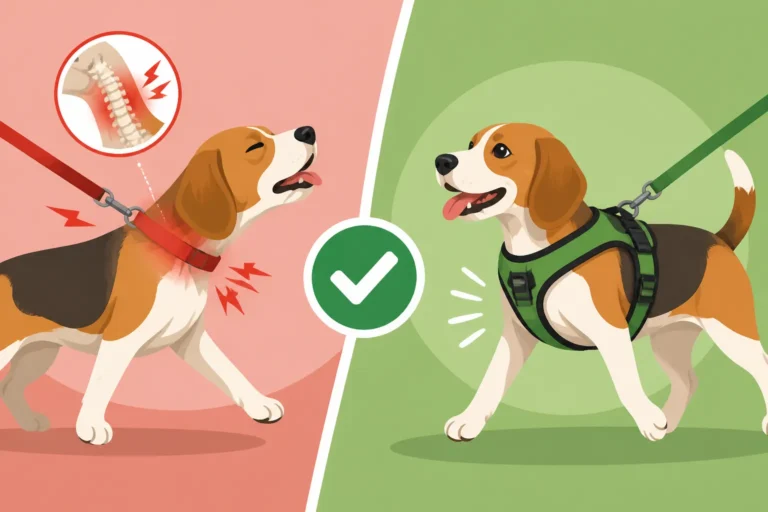
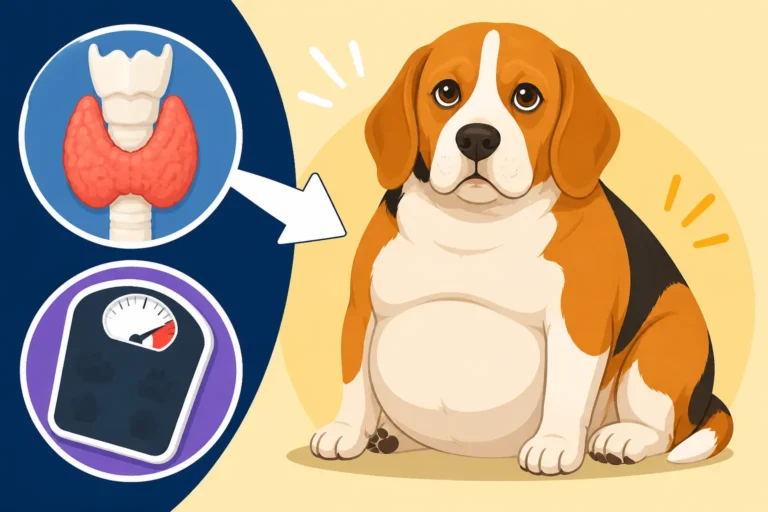
Even after a successful surgery and rehabilitation, long-term management is crucial to protect your Beagle's spine. While surgery fixes the immediate issue, it doesn't prevent future disc degenerations. Lifestyle adjustments are key. Maintaining a healthy weight is paramount, as How Extra Weight Raises Beagle Disc Pressure significantly, putting strain on all discs. Consider Ramps and Steps That Protect a Beagle Spine to prevent jumping on and off furniture or in and out of cars. These simple aids can make a huge difference in reducing impact on their back. It's important to modify activities, avoiding high-impact sports, excessive jumping, or activities that involve twisting the spine. Regular, controlled exercise, like leash walks and swimming, is beneficial for muscle maintenance and overall fitness. Your vet may also recommend joint supplements or ongoing pain management strategies if any residual discomfort persists. This comprehensive approach is essential for preventing future episodes and ensuring your Beagle lives a comfortable, happy life. Pay attention to The Activities That Twist a Beagle Spine and modify them to protect your dog.
Outlook and Quality of Life After Beagle Disc Surgery
The question on every owner's mind is, "What are the odds of a full recovery?" And it's a completely valid one. While outcomes vary, understanding the realistic possibilities can help you prepare for the road ahead.
What Are the Odds of a Full Recovery?
The success rates for Beagle disc surgery are generally good, particularly if the surgery is performed quickly after the onset of severe neurological signs. For dogs that are still able to walk, even if wobbly, success rates for regaining full mobility can be as high as 80-90%. Even for Beagles that have lost the ability to walk entirely, but still retain "deep pain sensation" (meaning they can feel a strong pinch in their toes), success rates for walking again can be 50-80%.
However, "full recovery" doesn't always mean your Beagle will be exactly as they were before. Some Beagles might have residual neurological deficits, such as a slightly altered gait, occasional Hind Leg Weakness in a Middle-Aged Beagle, or mild incontinence. The key is that they often regain a good quality of life, are pain-free, and can enjoy walks, play, and interaction with their families. The earlier the intervention, generally, the better the prognosis. It’s a testament to veterinary medicine and dedicated post-operative care that so many Beagles can bounce back.
Managing Chronic Pain and Mobility Challenges
Even with successful surgery, some Beagles might experience chronic pain or develop mobility challenges later in life, especially if arthritis sets in. It’s a reality we must face. This doesn't mean a diminished life, but rather one that requires ongoing management and support. This could involve regular vet check-ups, medication like NSAIDs or Gabapentin, acupuncture, or continued physical therapy exercises at home. Orthopedic beds, assistive slings, or even dog wheelchairs (for those with more significant long-term paralysis) can dramatically improve their comfort and ability to get around. The goal is always to maximize comfort and independence, ensuring they can still engage in activities they enjoy, albeit perhaps at a slower pace.
Financial Considerations and Insurance Support
Let's be real: disc surgery and the subsequent rehabilitation are not inexpensive. The diagnostic imaging, surgery itself, hospitalization, medication, and weeks or months of physical therapy can quickly add up to thousands of dollars. This financial burden is a huge stressor for many families, adding to the emotional strain of seeing their pet in pain. This is where pet insurance can be a lifesaver. Providers like Healthy Paws can offer significant reimbursement for eligible expenses, covering a large portion of the costs associated with IVDD diagnosis, surgery, and even the rehabilitation therapies. Having a good policy from Healthy Paws in place before a condition like IVDD arises can make a world of difference, allowing you to focus on your Beagle's recovery without the added worry of prohibitive costs. Many policies from Healthy Paws also cover the long-term medications and supportive care that might be needed. Researching options like Healthy Paws is a wise move for any Beagle owner concerned about unexpected major medical expenses.
Disclaimer
The information provided in this article is for general educational purposes only and is not a substitute for professional veterinary advice. Always consult with a qualified veterinarian or veterinary specialist for any health concerns or before making any decisions about your Beagle's medical care.