Beagle Physical Therapy After a Back Injury
It's incredibly frustrating and scary to see your active, curious Beagle suddenly struggle with back pain, lameness, or even paralysis after a spinal injury. One moment they're eagerly following a scent, the next they're yelping in discomfort or unable to move their hind legs. This guide aims to demystify physical therapy for Beagles recovering from such injuries, offering an empathetic, realistic look at the process, what it involves, and how you can be an integral part of their journey back to health and happiness.
Understanding Why Beagles Need Physical Therapy for Back Injuries
Beagles, with their endearing personalities and incredible noses, are often energetic and prone to adventurous explorations. While their short legs might suggest otherwise, they are surprisingly agile and can put significant stress on their backs through jumping, twisting, and sudden movements. This inherent physicality, combined with their characteristic body shape, often places them at a higher risk for specific spinal conditions, making physical therapy a crucial component of their care.
Common Back Injuries in Beagles
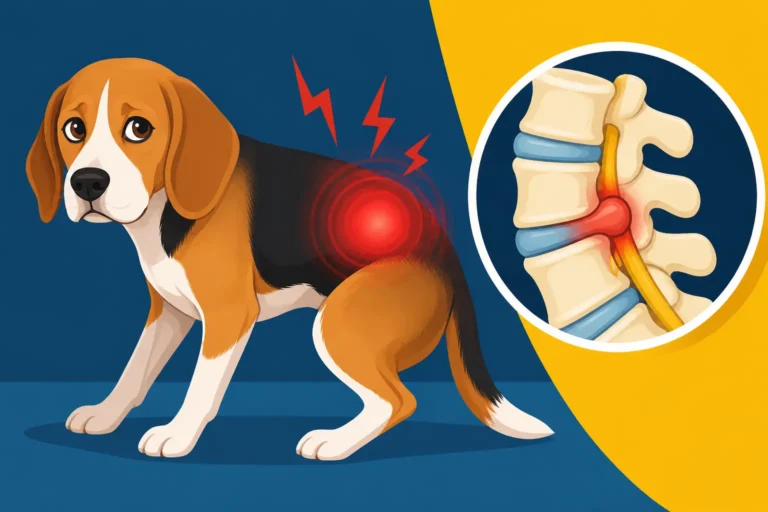
One of the most prevalent and concerning back injuries in Beagles is Intervertebral Disc Disease (IVDD). This condition occurs when the soft, jelly-like center of a spinal disc, which normally acts as a shock absorber, either bulges or ruptures, pressing on the sensitive spinal cord. This pressure can cause mild pain, severe discomfort, nerve damage, and in the worst cases, complete paralysis. It's a progressive disease for many, and the symptoms can appear suddenly.
It’s truly heart-wrenching to witness your typically robust and joyful Beagle suddenly cry out in pain or show a reluctance to move. You might observe them struggling to climb stairs, hesitating to jump on the sofa, or even developing a peculiar, stiff gait. Many owners initially misinterpret these subtle changes, attributing them to normal aging or a simple muscle strain. However, for a Beagle, these seemingly minor issues can be early warning signs of a serious spinal problem. For a deeper dive into this, you might find Beagle Disc Disease and That Slightly Long Back particularly insightful. The key here is early detection; prompt veterinary attention at the first sign of discomfort can significantly impact the prognosis and the effectiveness of treatment. Without it, the damage can become permanent, leading to a drastically diminished quality of life for your furry friend.
The Role of Physical Therapy in Recovery
Once a Beagle has experienced a back injury, whether through a sudden incident or a gradual onset of IVDD, physical therapy (PT), often referred to as canine rehabilitation, becomes an indispensable part of their recovery. This isn't just about fixing a specific ailment; it's about rebuilding their entire physical foundation and restoring their well-being. PT is vital for Beagles who have undergone surgical intervention, helping them regain strength and mobility post-operation. But it's equally important for those managed conservatively with strict crate rest and medication, as it prevents muscle atrophy and secondary complications that can arise from inactivity.
The overarching goal of physical therapy is multi-faceted. Primarily, it aims to reduce pain and inflammation, making your Beagle comfortable enough to begin healing. Beyond pain management, PT focuses on restoring lost function, improving range of motion, strengthening weakened core and limb muscles, and re-educating their body on how to move correctly and safely. Imagine trying to recover from a serious back injury without any guidance; it would be slow, ineffective, and potentially harmful. The same principle applies to our Beagles. After periods of immobility, their muscles can waste away rapidly, and joints can become stiff. Canine rehabilitation counters these effects, promoting faster, more complete healing and preventing future injuries. It directly supports their nerve function and helps them regain coordination, allowing them to return to the activities they love, like sniffing every blade of grass in the park.
Types of Physical Therapy for Beagle Back Injuries
The world of canine physical therapy offers a wide array of treatments, each designed to address specific aspects of your Beagle's recovery. These modalities are carefully selected and combined by certified professionals to create a comprehensive rehabilitation plan.
Modalities for Pain and Inflammation
Managing pain and reducing inflammation are crucial first steps in any back injury recovery, as severe discomfort can hinder a Beagle's willingness to move and participate in therapy. Modern canine physical therapists utilize several advanced techniques to tackle these issues.
Therapeutic laser therapy is a popular and non-invasive treatment that uses specific wavelengths of light to stimulate cellular repair, reduce swelling, and alleviate pain. Beagles generally tolerate laser therapy very well, often finding the gentle warmth comforting. Sessions are typically brief, focusing on the injured area, and can provide noticeable relief, which then allows them to engage more readily in other therapeutic exercises. It helps kickstart the body's natural healing processes without medication.
Acupuncture, an ancient practice adapted for veterinary use, involves inserting tiny, sterile needles into specific points on the body. This technique is highly effective at stimulating nerve pathways, increasing blood flow, and releasing the body's natural painkillers, like endorphins. For Beagles suffering from chronic disc pain or nerve compression, acupuncture can significantly improve comfort and even restore some neurological function. Many dogs find the experience relaxing and may even doze off during treatment.
Hydrotherapy, particularly using an underwater treadmill, is an incredible tool for Beagles with back injuries. The natural buoyancy of the water significantly reduces the gravitational load on their spine and joints, allowing them to exercise muscles, rebuild strength, and improve their gait without putting undue stress on the healing area. The warm water also helps relax muscles and increase circulation, further aiding recovery. Watching a Beagle gain confidence and strength on the underwater treadmill, steadily improving their movement, is often a highlight of the rehabilitation process. This low-impact environment is perfect for re-educating their muscles and improving endurance without the risk of impact-related pain.
Here's a breakdown of common PT modalities your Beagle might experience:
| Modality | Primary Benefit | How it Helps a Beagle's Back Injury | Typical Duration/Frequency |
|---|---|---|---|
| Therapeutic Laser | Pain relief, anti-inflammatory | Reduces swelling and pain at injury site, promotes tissue repair | 5-15 minutes, 2-3 times/week then tapered |
| Acupuncture | Pain management, nerve stimulation | Releases natural painkillers, improves nerve conduction, muscle relaxation | 20-30 minutes, weekly or bi-weekly |
| Underwater Treadmill | Muscle strengthening, gait re-education | Buoyancy reduces spinal load, allows controlled, pain-free exercise | 20-40 minutes, 1-3 times/week then tapered |
| Therapeutic Ultrasound | Deep tissue heating, scar tissue remodeling | Increases local blood flow, promotes healing of deep soft tissues | 5-10 minutes, 1-2 times/week |
| Manual Therapy/Massage | Muscle relaxation, flexibility, circulation | Reduces muscle spasms, improves range of motion, enhances comfort | Varies, often integrated into sessions or home program |
Targeted Exercises and Movement
Once pain and inflammation are under control, the focus of physical therapy shifts to regaining and enhancing strength, flexibility, and coordination. These exercises are meticulously designed by the therapist to match your Beagle's specific stage of recovery and are progressed gradually to prevent any setbacks.
Passive Range of Motion (PROM) exercises are often initiated early, especially if your Beagle has significantly limited mobility. In PROM, the therapist gently moves your dog's joints through their natural range of motion without your Beagle actively participating. This prevents joint stiffness, maintains muscle length, and improves circulation to the tissues. As an owner, you will often be taught how to perform these gentle movements at home, fostering a deeper bond while contributing actively to their recovery.
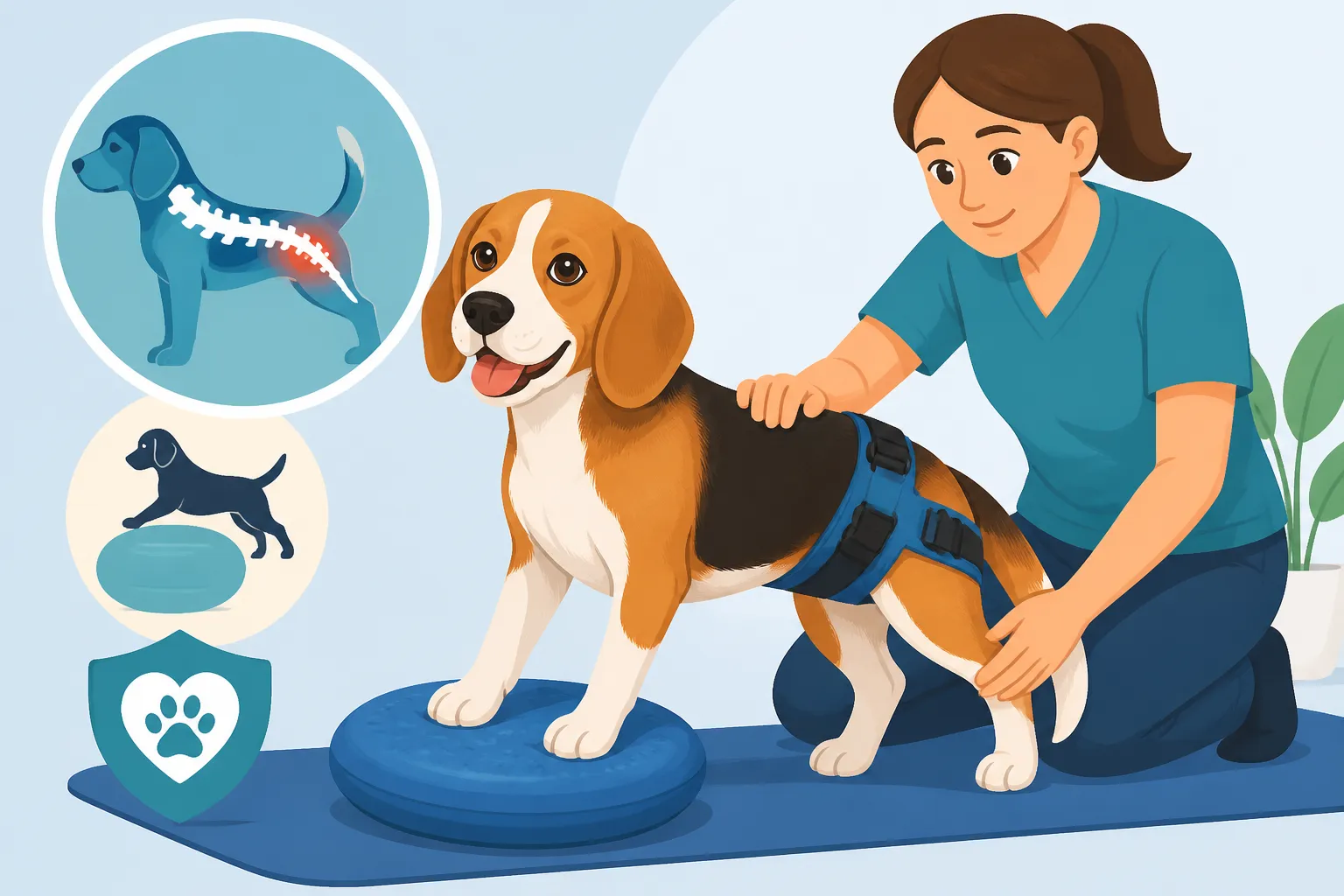
As your Beagle's strength and comfort improve, active therapeutic exercises are introduced. These can include slow, controlled leash walks on various surfaces (like grass, gravel, or inclines) to challenge balance and build muscle endurance. Walking over cavaletti poles (low hurdles) encourages them to lift their paws higher, improving proprioception (their sense of body position) and coordination. Balance exercises, utilizing tools like wobble boards, stability discs, or large therapeutic balls, are excellent for strengthening core muscles and improving stability, which is vital for spinal support. For a Beagle that initially struggles with A Beagle That Suddenly Will Not Jump on the Couch, these exercises are crucial for rebuilding the strength and confidence needed for these everyday actions.
It is paramount that these exercises are performed under the direct guidance of a certified professional. Attempting advanced exercises too soon or performing them incorrectly can lead to re-injury or worsen their condition. Consistency and patience are key. Recovery is often a gradual process, and celebrating every small milestone – a stronger step, a longer walk, or a more confident stance – is incredibly important for both you and your determined Beagle.
What to Expect During Your Beagle's PT Journey
Embarking on a physical therapy journey with your Beagle can feel overwhelming, but understanding the process can help alleviate concerns and empower you as a proactive participant in their recovery.
The Initial Assessment and Treatment Plan
Your Beagle's first visit to a canine rehabilitation center will begin with a thorough initial assessment. This isn't just a simple check-up; it's a comprehensive evaluation by a certified canine rehabilitation therapist that lays the groundwork for the entire treatment process. The therapist will gather a detailed history of your Beagle's injury, including when and how it occurred, the exact diagnosis, any previous surgeries, and all current medications. They'll also inquire about your Beagle’s typical daily activities, specific limitations you've observed—like a new difficulty with stairs or a Beagle Neck Pain and a Head Held Low posture—and their overall temperament.
During the physical examination, the therapist will meticulously assess your Beagle's posture, gait, neurological reflexes, and muscle mass. They'll perform a full orthopedic and neurological exam, evaluating the range of motion in each joint, palpating the spine for tender spots, and checking for any signs of pain. They might use specialized instruments to measure muscle circumference or joint angles to get a baseline for progress. Based on all this data, they will formulate a personalized treatment plan unique to your Beagle. This plan will outline the specific modalities and exercises to be used, the recommended frequency of sessions, and realistic recovery goals. It’s a collaborative effort, so don't hesitate to ask questions and voice your concerns. Setting achievable goals, whether it’s walking unassisted, comfortably navigating a few steps, or simply experiencing reduced chronic pain, is a critical part of this initial phase.
Home Exercise Programs and Continued Care
While professional physical therapy sessions are absolutely crucial, your Beagle's long-term success heavily relies on the consistent dedication you provide at home. Your canine rehabilitation therapist will equip you with a carefully designed Home Exercise Program (HEP), which includes specific exercises and stretches to reinforce the work done in the clinic.
These home exercises might involve gentle massage, passive range of motion, controlled leash walks, or simple balance activities. It’s vital to adhere strictly to the prescribed routine, as consistency is the cornerstone of effective rehabilitation. Your therapist will meticulously demonstrate each exercise, explain its purpose, and ensure you perform it correctly to prevent any accidental re-injury. You’ll also receive guidance on modifying your home environment to support your Beagle's recovery and prevent future issues. This could mean introducing Ramps for a Beagle's Bed and Car to eliminate jumping, placing non-slip rugs on slick floor surfaces, or adjusting their food and water bowl heights to reduce spinal strain. For Beagles that require Crate Rest for a Beagle With a Disc Injury, understanding how to maintain their comfort and mental stimulation within those limitations is equally important.
The financial aspect of long-term care and physical therapy can be daunting for many pet owners. This is where pet insurance providers like Healthy Paws can be a lifesaver. Many comprehensive pet insurance plans offer coverage for various rehabilitation therapies, including physical therapy, acupuncture, and hydrotherapy. This can significantly reduce the financial burden, allowing you to prioritize your Beagle's recovery without added stress. Remember, the journey can have its ups and downs. Stay patient, communicate openly with your therapist, and consistently follow the home program. Your unwavering support is often the most powerful factor in your Beagle’s successful return to a happy, mobile life.
Supporting Your Beagle's Recovery Beyond Therapy
Physical therapy provides direct intervention, but true long-term health and preventing future injuries for your Beagle involves a holistic approach that extends into daily care and lifestyle choices.
Nutrition and Weight Management
One of the most profound impacts you can have on your Beagle's spinal health, both during and after recovery from a back injury, is through meticulous nutrition and weight management. It's no secret that Beagles are famously food-motivated and can master the art of looking perpetually starved. This charming characteristic can, however, quickly lead to excess weight, which is a significant antagonist to a healthy spine.
Every additional pound your Beagle carries amplifies the stress on their intervertebral discs and joints. Think of it as your Beagle constantly carrying a heavy backpack; over time, that added load will inevitably take its toll on their back. For a Beagle recovering from a back injury or one genetically predisposed to conditions like IVDD, maintaining an ideal body weight is not just beneficial, it's absolutely critical for preventing recurrence and managing any lingering issues. Your veterinarian or rehabilitation therapist can help you accurately determine your Beagle's ideal weight and body condition score. From there, it's about disciplined feeding: precisely measuring their meals, choosing high-quality, nutrient-dense dog food, and carefully factoring in any treats to their daily calorie allowance. For a more detailed understanding of this issue, please read How Extra Weight Raises Beagle Disc Pressure. Sometimes, incorporating more low-calorie, high-fiber vegetables into their diet or transitioning to a vet-prescribed weight-loss formula can make a substantial difference. Combined with a therapist-approved, controlled exercise regimen, diligent weight management forms the cornerstone of a healthy, protected spine.
Environmental Modifications and Preventative Measures
Once your Beagle is on the mend, or even as a proactive measure for any Beagle, making thoughtful modifications to your home environment can be transformative in protecting their back. Beagles adore jumping onto furniture for cuddles or a good nap, but these sudden, jarring impacts and twisting motions are incredibly detrimental to a healing or vulnerable spine. Investing in ramps or steps for beds, couches, and even your car is not merely a convenience; it's a vital preventative strategy. Consistently teaching your Beagle to use these can eliminate the high-impact stress on their back, allowing them to access their favorite spots safely. For comprehensive guidance on this, check out Ramps for a Beagle's Bed and Car.
Another crucial preventative step involves re-evaluating your walking equipment. For Beagles with a history of back or neck problems, a harness is almost always preferred over a traditional collar. If your Beagle pulls or lunges during walks—a common trait when a captivating scent crosses their path—a collar can exert immense pressure on their neck and cervical spine. This pressure can exacerbate existing disc issues or even trigger new ones. A properly fitted, comfortable harness distributes pressure evenly across their chest and shoulders, significantly reducing strain on the neck and back. You can learn more about this by reading Why a Harness Protects a Beagle's Neck. Additionally, ensure that all slippery floor surfaces in your home are covered with non-slip rugs or mats, especially in areas where your Beagle frequently moves, to prevent dangerous slips and falls. When lifting your Beagle, always remember to support both their hindquarters and chest, keeping their spine straight to avoid any uncomfortable twists or undue pressure. These seemingly small, mindful adjustments contribute profoundly to safeguarding your Beagle’s delicate spine for years to come.
Disclaimer
This article is intended for informational purposes only and is not a substitute for professional veterinary advice, diagnosis, or treatment. Always seek the advice of your veterinarian or another qualified animal health provider with any questions you may have regarding a medical condition or treatment plan for your Beagle.