The Two Beagle Varieties and the Fifteen Inch Line
The thirteen-inch and fifteen-inch Beagle varieties originate from British hunting history and American breed standards.
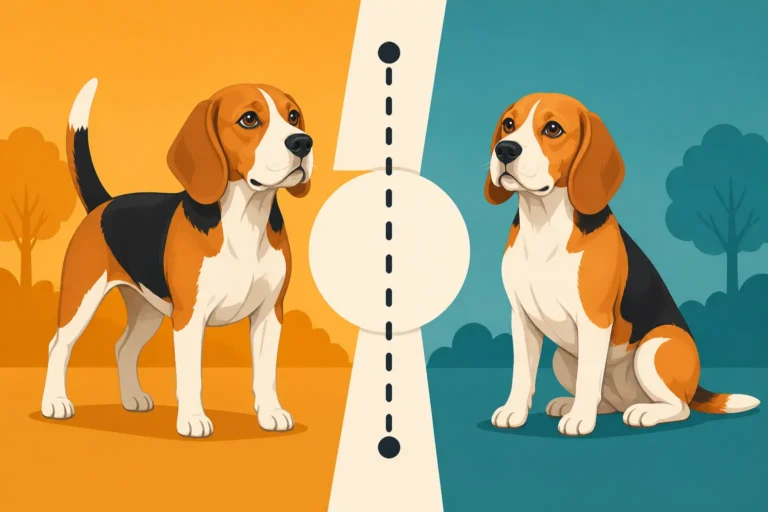
The thirteen-inch and fifteen-inch Beagle varieties originate from British hunting history and American breed standards.

The history of the Beagle traces scent hounds and English rabbit packs from Roman times and medieval Europe into American homes.

Beagle weight management details ideal ranges for the 13-inch and 15-inch varieties, plus ribs, spine, and waist scoring.

Beagle constant hunger stems from evolutionary instincts, scent receptors, and learned behaviors that cause them to constantly beg.

Beagle recall failure and selective hearing happen because two hundred twenty million scent receptors override human voice commands.

Beagle training strategies for managing dogs with two hundred twenty million scent receptors and powerful tracking instincts.

The yearly cost of keeping a Beagle includes routine veterinary care, vaccinations, parasite prevention, and food expenses.

Beagle puppy breeding costs explained, including health screenings, parent dog maintenance, and breeder investments that determine final prices.

Epilepsy and seizures in Beagles, a largely hereditary condition with recurrent seizures that often begin between six months and six years of age.

Beagle lifespan details the typical twelve to fifteen year range, exploring genetics, daily care, and health challenges.

Beagle temperament traits, scent instincts, and independent nature help busy families decide if the breed fits.

Beagle mixes and designer crosses combine two purebred dogs, bringing genetic unpredictability and health considerations for prospective owners.

Comparing the temperament, energy levels, and social needs of Beagles and Jack Russells helps owners choose the right dog for a small home.

Beagle and English Foxhound differences include history, hunting roles, physical traits, energy levels, and daily care needs.

Beagles and Basset hounds differ significantly in size, weight, ear length, and daily energy requirements for owners.

Beagle ownership realities include managing a powerful scent nose with 220 million receptors and unpredictable recall on trails.
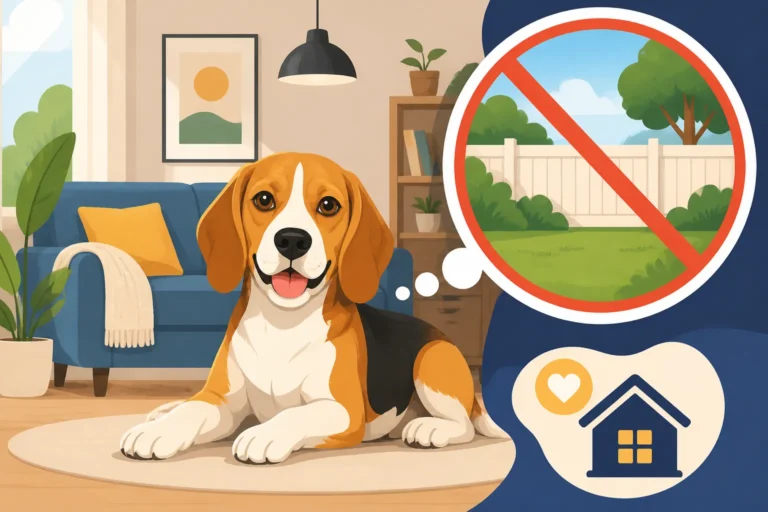
Raising a scent hound with 220 million receptors without a fenced yard requires managing daily exercise and leashed walks.

New Beagle puppy owners learn how to manage hardwired scent drives, distinct vocalizations, and the needs of a twelve month old hound.

Retirement lifestyles and high-energy Beagle breeds clash when owners face daily exercise requirements and scent-driven instincts.

Beagle vocalizations in apartments stem from hunting instincts and boredom, requiring practical management strategies for noise control.