Senior Beagle Care After the Age of Ten
Senior Beagle care after age ten involves managing physical changes, behavioral shifts, and veterinary health baselines.

Senior Beagle care after age ten involves managing physical changes, behavioral shifts, and veterinary health baselines.
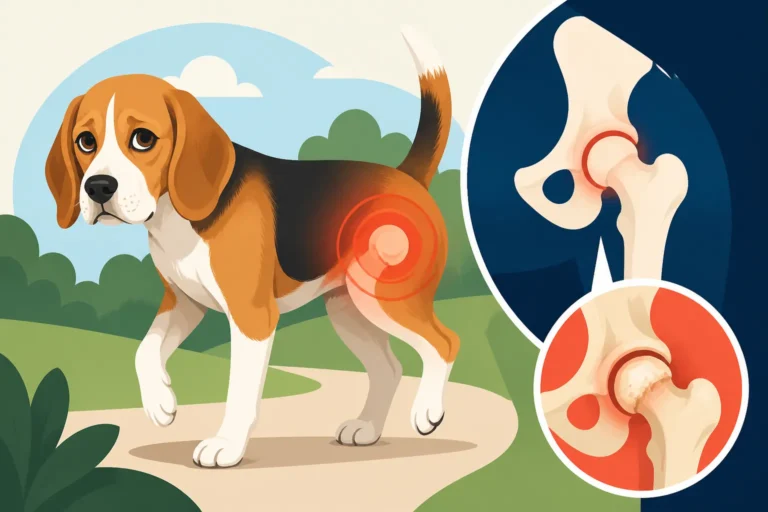
Beagle hip dysplasia and joint wear cause stiffness and pain through joint malformation, requiring management for mobility.

Beagle health testing through the CHIC program explains genetic predispositions, ethical breeders, and screening for inherited canine conditions.
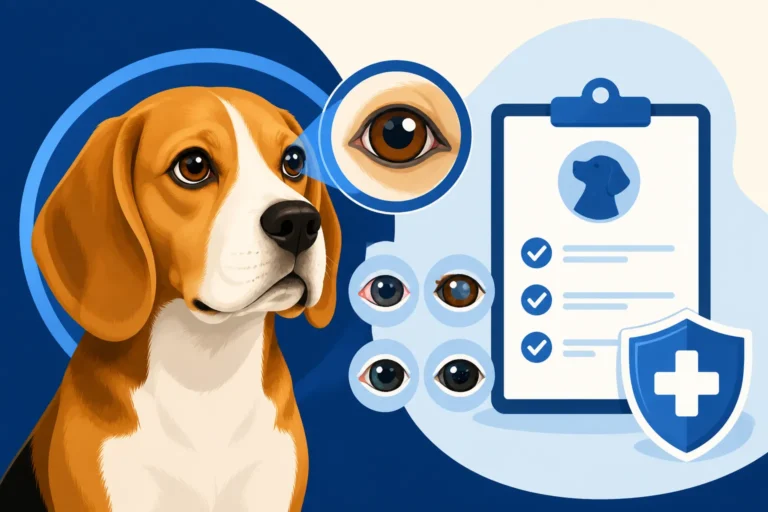
Beagle eye conditions and veterinary ophthalmologist exams explained, detailing warning signs, behavioral changes, and ocular anatomy for owners.
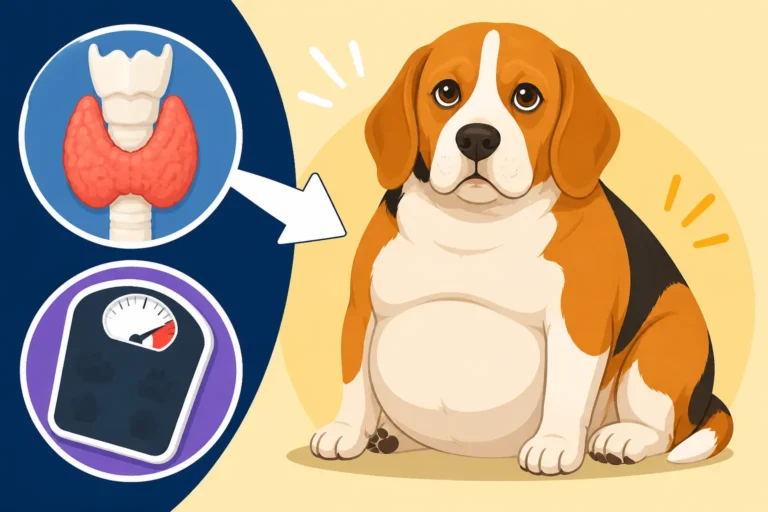
Beagle hypothyroidism causes unexplained weight gain and sluggishness by slowing metabolism through reduced thyroid hormone production.

Musladin-Lueke Syndrome in Beagles is an inherited connective tissue disorder managed using DNA tests to prevent the disease.
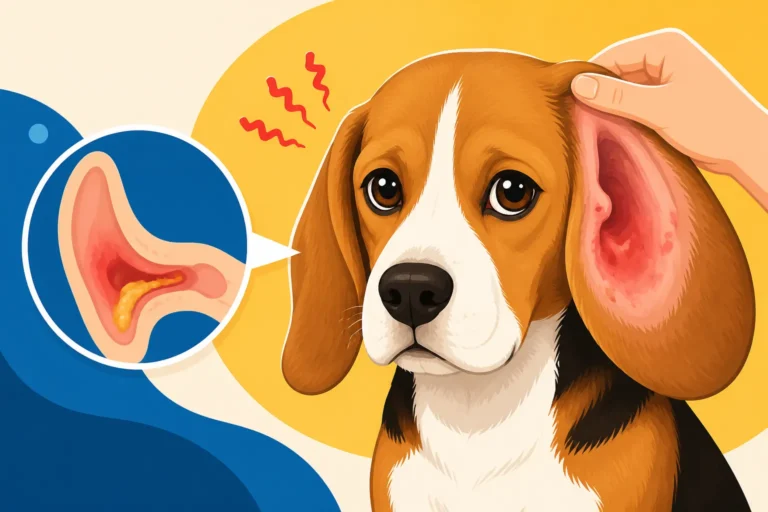
Long floppy ears and trapped moisture create warm environments that cause painful bacterial infections and yeast in dogs.
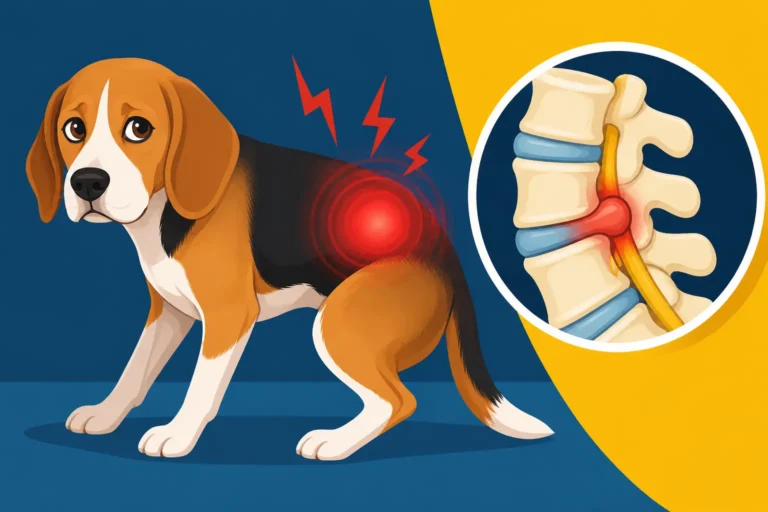
Beagle back problems and Intervertebral Disc Disease explained through anatomy, genetic predisposition, and spinal cord vulnerabilities.
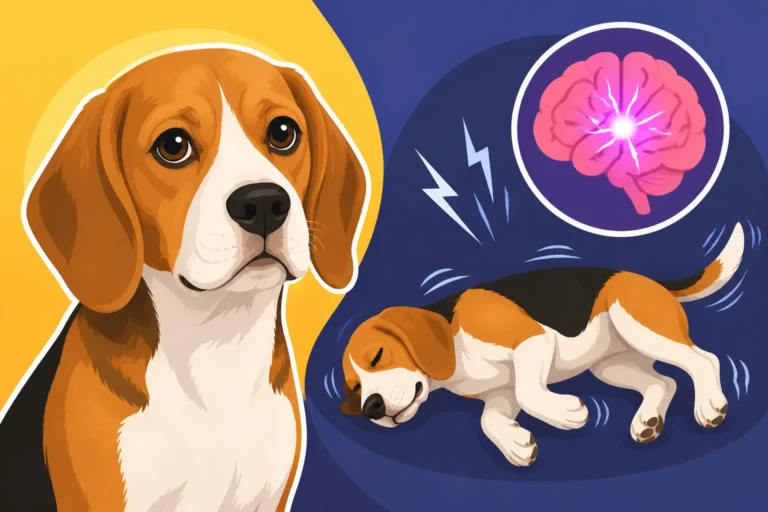
Epilepsy and seizures in Beagles, a largely hereditary condition with recurrent seizures that often begin between six months and six years of age.

Beagle lifespan details the typical twelve to fifteen year range, exploring genetics, daily care, and health challenges.