Beagle Epilepsy and Seizures From Six Months On
Witnessing your beloved Beagle experience a seizure is an absolutely terrifying moment that can leave you feeling helpless, scared, and completely unprepared. This guide is here to walk you through everything you need to know about epilepsy and seizures in Beagles, from understanding the different types and what to do during an episode, to diagnosis, treatment options, and how to support your furry friend in living a full life despite this challenging condition.
Understanding Epilepsy in Beagles: A Common, Often Inherited Challenge
It's a harsh reality that Beagles, with their endearing personalities and boundless energy, are unfortunately predisposed to certain health conditions, and epilepsy is one of the more common and emotionally taxing among them. When we talk about epilepsy, we're referring to a chronic neurological disorder characterized by recurrent, unprovoked seizures. It's not just a single event; it’s a pattern of episodes stemming from abnormal electrical activity in the brain. For many Beagle owners, the journey often begins with that first bewildering seizure, typically appearing when their dog is still relatively young, often between six months and six years of age.
What Exactly Is Canine Epilepsy?
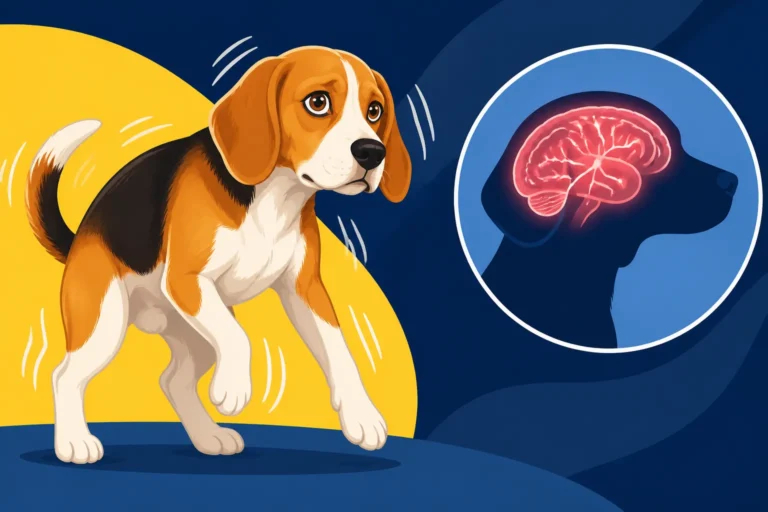
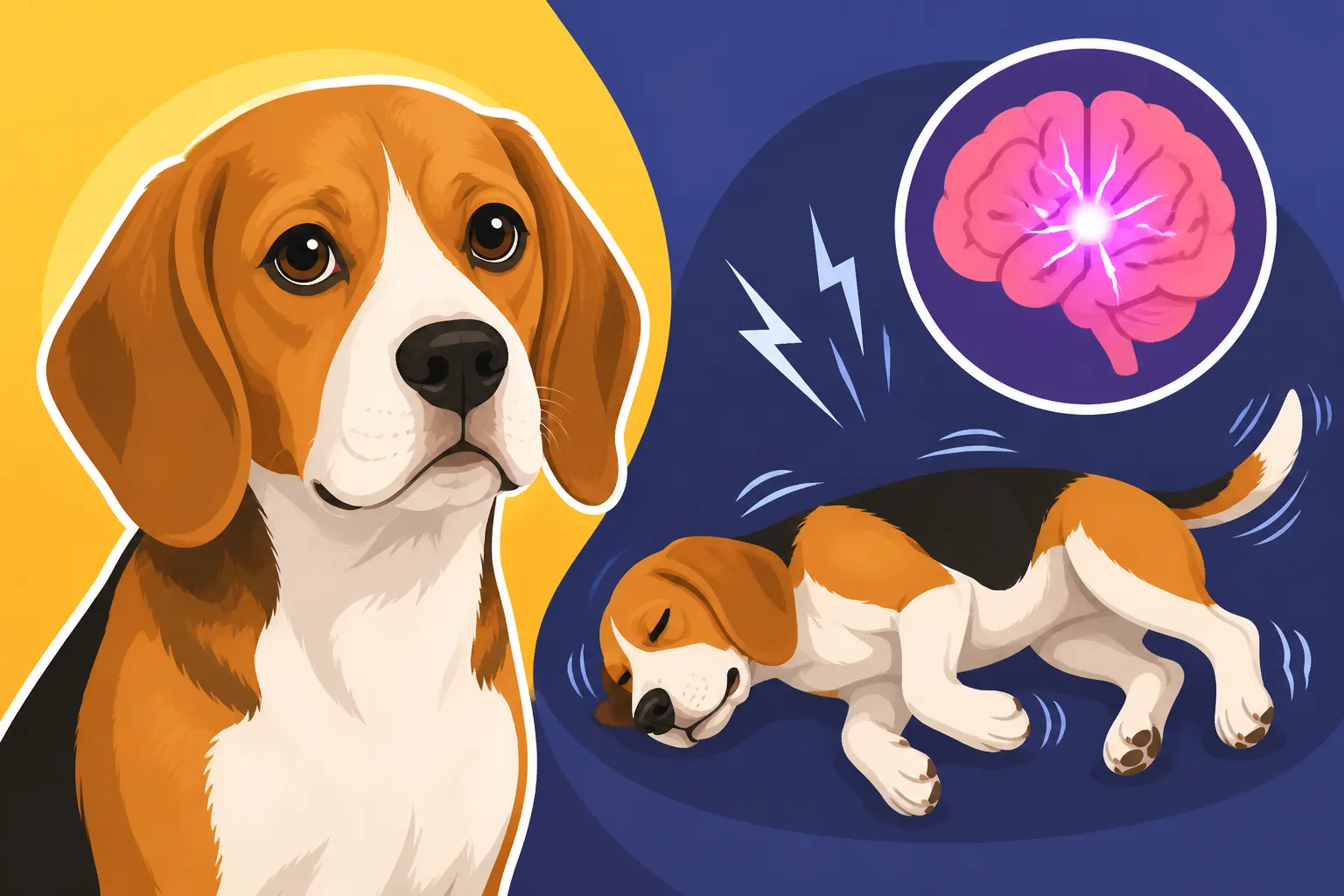
At its core, canine epilepsy is a disruption of normal brain function, leading to temporary neurological dysfunction. Imagine your Beagle's brain as a vast, intricate electrical grid. Normally, signals flow smoothly and predictably. During a seizure, however, there's a sudden, uncontrolled surge of electrical activity in one or more parts of the brain. This "electrical storm" can manifest in various ways, from subtle twitching to dramatic, full-body convulsions. The underlying cause dictates the type of epilepsy. In Beagles, there's a significant hereditary component, meaning it's often passed down through generations. This genetic link is why it's so important for breeders to be vigilant and health test their breeding stock.
There are generally three categories of epilepsy in dogs:
- Idiopathic Epilepsy: This is the most common form, particularly in Beagles. "Idiopathic" simply means that no specific cause can be identified, even after extensive diagnostic testing. It's presumed to be genetic, and there's strong evidence supporting this in Beagles. These seizures typically start between 1 and 5 years of age. Understanding more about Idiopathic Epilepsy in Beagles From Six Months to Six Years can help you recognize if your dog fits this pattern.
- Structural (Symptomatic) Epilepsy: In these cases, the seizures are caused by an identifiable lesion or structural problem within the brain. This could be anything from a brain tumor, a stroke, trauma, or a congenital malformation. While less common than idiopathic epilepsy in Beagles, it’s crucial for your vet to rule out these possibilities.
- Reactive Seizures: These aren't true epilepsy but rather seizures triggered by metabolic disturbances outside the brain, such as severe low blood sugar (hypoglycemia), liver disease, kidney failure, or exposure to toxins like antifreeze or certain pesticides. Once the underlying metabolic issue is corrected, these seizures usually stop.
Why Beagles Are Prone to Seizures
It's heartbreaking to know your beloved companion might be at a higher risk for a condition, and for Beagles, the predisposition to epilepsy is well-documented. Their genetic makeup makes them more susceptible to idiopathic epilepsy. While the exact genes responsible are still a subject of ongoing research, the pattern of inheritance suggests a complex genetic basis. This means that if one or both parents have a history of epilepsy, or are carriers for the genes, their puppies have an increased chance of developing the condition.
The high incidence in Beagles also explains why Beagle Health Testing Under CHIC includes recommendations for breeders to screen for conditions that can impact their health. Responsible breeders strive to minimize the risk by carefully selecting their breeding pairs, avoiding dogs with known seizure disorders in their immediate lineage. However, even with the most diligent breeding practices, epilepsy can sometimes still emerge, as the genetics can be quite complex and sometimes skip generations. For owners considering a Beagle puppy, it's always wise to ask about the health history of the puppy's parents and grandparents, especially regarding seizures. Asking What to Ask a Beagle Breeder About Genetics is a crucial step to take.
Recognizing a Seizure: The Phases of an Epileptic Event
When your Beagle has a seizure, it's not a singular, isolated event; it's a process that typically unfolds in three distinct phases. Being able to identify these stages can help you react appropriately, provide comfort, and give your veterinarian crucial information for diagnosis and treatment. The experience can be profoundly unsettling, and even after many years, seeing your dog seize never truly gets easier.
The Pre-Ictal Phase: Subtle Warning Signs
This initial phase, often called the "aura," can be subtle, lasting anywhere from a few seconds to several hours or even days before the main seizure event. Not all Beagles will exhibit clear signs during this phase, and some owners might miss them entirely, especially if they’re not with their dog constantly. However, for those who observe closely, there might be changes in behavior or disposition that hint at an impending seizure.
Typical signs can include:
- Restlessness or Anxiety: Your normally calm Beagle might become agitated, pace excessively, or seek out your attention more than usual. They might seem clingy or, conversely, try to hide.
- Vocalization: Whining, barking, or even a soft howl could be a pre-seizure indicator.
- Increased Salivation or Licking: Some Beagles might drool more or compulsively lick objects or themselves.
- Staring or Disorientation: They might stare blankly into space, seem confused, or appear less responsive to commands.
These subtle shifts are often a result of abnormal electrical activity building up in the brain. Keeping a detailed log of your Beagle's behavior, especially if you suspect they might be prone to seizures, can help you identify these patterns over time.
The Ictal Phase: The Seizure Itself
This is the phase most people associate with a seizure, and it's certainly the most dramatic and frightening. The ictal phase is when the actual seizure activity occurs, and its duration can range from a few seconds to several minutes. For many Beagle owners, this is when sheer panic sets in, but understanding What a Beagle Seizure Actually Looks Like can help you stay calm and react effectively.
During a generalized (grand mal) seizure, which is most common in Beagles with idiopathic epilepsy, you might observe:
- Loss of Consciousness: Your Beagle will likely collapse and become unresponsive to your voice or touch.
- Full-Body Convulsions: This involves stiffening of the limbs, uncontrolled paddling motions, and rhythmic jerking. Their body might become rigid or twitch violently.
- Involuntary Urination or Defecation: It’s common for dogs to lose bladder and bowel control during a seizure. This is not intentional and should not be a cause for scolding.
- Excessive Drooling: Foaming at the mouth can occur due to increased saliva production combined with the inability to swallow.
- Eye Movements: Their eyes might dart back and forth, roll back in their head, or remain fixed in a blank stare.
It's crucial to remember that during this phase, your Beagle is completely unaware of what is happening. They are not in pain, even though it looks incredibly distressing. Focus on keeping them safe and timing the seizure.
The Post-Ictal Phase: Recovery and Confusion
Once the convulsive activity stops, your Beagle enters the post-ictal phase, which is the recovery period. This phase can last anywhere from a few minutes to several hours, and sometimes even a full day. The post-ictal period is characterized by disorientation and a range of behaviors that can be quite unsettling.
Common post-ictal signs include:
- Disorientation and Confusion: Your Beagle might not recognize you or their surroundings immediately. They might bump into objects or seem lost.
- Pacing and Restlessness: Many dogs will pace aimlessly, often in circles, as they try to regain their bearings.
- Blindness (Temporary): Some Beagles experience temporary vision loss, which can contribute to their confusion and anxiety.
- Increased Thirst and Hunger: They might drink excessive amounts of water or seem ravenously hungry after the seizure.
- Exhaustion: After the intense electrical storm in the brain, your Beagle will likely be very tired and may want to sleep deeply.
During this time, your Beagle needs a calm, quiet environment. Speak softly to them, offer water if they're coherent enough to drink, and allow them to rest. Avoid sudden movements or loud noises that could heighten their anxiety. Patience and gentle reassurance are key as they slowly return to their normal self.
First Aid During a Seizure: Keeping Your Beagle Safe
When a seizure strikes, it feels like an eternity, but it's vital to remain calm and focus on keeping your Beagle safe. Your immediate actions during the ictal phase are not about stopping the seizure itself, which isn't possible, but about preventing injury to your dog and yourself. Many owners feel overwhelmed by fear and helplessness, but knowing what steps to take can empower you in these critical moments. For a more detailed walkthrough, check out Beagle Seizure First Aid at Home.
Creating a Safe Space
The absolute priority when your Beagle is seizing is to protect them from injuring themselves. Dogs often thrash violently, and they can easily hit their head or limbs on nearby furniture, walls, or sharp objects. This is why the first thing you should do is quickly assess the immediate environment.
Here’s how to create a safe space:
- Move Objects Away: Gently push any furniture, tables, or other hard objects away from your seizing Beagle. If they are near stairs, carefully block access to prevent a fall.
- Cushion Their Head: If your Beagle is on a hard surface, you can carefully slide a folded towel or a soft blanket under their head to protect it. However, do not try to hold their head still, as this could lead to neck injury.
- Avoid Restraint: Never try to hold your Beagle down or restrict their movements during a seizure. Their muscles are contracting involuntarily, and attempting to restrain them could cause muscle tears, bone fractures, or even injure you.
- Keep Your Hands Away from Their Mouth: There's a common misconception that dogs can swallow their tongue during a seizure. This is not true. However, a seizing dog can unintentionally bite down with tremendous force. Do not put your hands near their mouth, and never try to pull out their tongue or force anything into their mouth.
The goal is to be a guardian, not an intervenor. Your presence, even without direct interaction, can be calming, but physical intervention can be dangerous.
Timing and Observation
While it might feel like the longest minutes of your life, accurately timing the duration of the seizure is one of the most important pieces of information you can provide to your veterinarian. This information helps them determine the severity of the epilepsy and evaluate the effectiveness of any medication. Many phones have a stopwatch function, or you can simply note the start and end times.
Beyond timing, observing the characteristics of the seizure is equally crucial:
- Duration: How long did the convulsive activity last?
- Type of Movement: Was it full-body thrashing, just one side of the body, or more subtle twitching?
- Vocalization: Did your Beagle make any sounds during the seizure?
- Involuntary Functions: Did they urinate or defecate?
- Post-Ictal Behavior: How long did the recovery phase last? Were they disoriented, blind, or restless?
It can be incredibly helpful to keep a seizure diary. This isn't just for your vet; it also helps you track patterns. You can note the date, time, duration, observed behaviors before, during, and after, and any potential triggers you noticed. Many smartphone apps are also available to help log these details systematically. This diary becomes an invaluable tool for managing your Beagle's condition. Keeping a Seizure Diary for Your Beagle can significantly improve their long-term care.
When a Seizure Becomes an Emergency: Recognizing Critical Situations
While terrifying, a single, short seizure (lasting less than a few minutes) in an otherwise healthy Beagle is not always an immediate emergency that requires a frantic rush to the vet. However, there are specific scenarios where a seizure indicates a life-threatening situation, and recognizing these is paramount. Knowing When a Beagle Seizure Becomes an Emergency can literally save your dog's life.
Status Epilepticus
This is the most critical and dangerous type of seizure emergency. Status epilepticus refers to a single seizure that lasts continuously for five minutes or longer, or multiple seizures without a full recovery of consciousness in between episodes. This prolonged seizure activity prevents the brain from resting and recovering, leading to dangerously high body temperatures (hyperthermia), swelling of the brain, and potential irreversible brain damage.
If your Beagle enters status epilepticus, it is a dire medical emergency requiring immediate veterinary intervention.
- Time is of the essence: Do not wait to see if it stops. Every minute counts.
- Cooling measures: While on the way to the vet, you can try to cool your dog with wet towels, especially on their paws and groin area, to combat the rising body temperature.
- Safe transport: Transport your Beagle carefully, preferably wrapped in a blanket, to protect both them and yourself. Call your vet or the emergency clinic ahead of time so they can be prepared for your arrival.
The veterinary team will work quickly to stop the seizure, typically with intravenous anti-convulsant medications, and address any secondary complications like hyperthermia or brain swelling.
Cluster Seizures
Cluster seizures are defined as two or more individual seizures occurring within a 24-hour period, with the dog regaining full consciousness and normal behavior in between episodes. While not as immediately life-threatening as status epilepticus, cluster seizures are a strong indicator that the epilepsy is severe or poorly controlled. They also increase the risk of your Beagle developing status epilepticus.
If your Beagle experiences cluster seizures:
- Contact your vet immediately: Even if they recover fully between episodes, cluster seizures warrant an urgent veterinary consultation. Your vet will likely want to adjust medication dosages, add new medications, or perform further diagnostics.
- Monitor closely: Continue to carefully time and record each seizure. Pay attention to how long your Beagle takes to recover between episodes.
- Administer emergency medication if prescribed: Some veterinarians will prescribe rectal diazepam (Diastat) or midazolam for owners to administer at home during cluster seizures or if a seizure lasts longer than a few minutes. This can sometimes interrupt the seizure cycle and prevent status epilepticus. Always follow your vet’s specific instructions carefully.
Both status epilepticus and cluster seizures are serious and demand prompt medical attention. Being prepared with your vet's emergency contact information and knowing the route to the nearest 24-hour veterinary emergency hospital is crucial for any Beagle owner whose dog is prone to seizures.
Diagnosing Epilepsy: Ruling Out Other Causes
Receiving an epilepsy diagnosis for your Beagle is a process of elimination. Since seizures can be caused by various underlying conditions, your veterinarian's primary goal will be to rule out all other potential causes before settling on a diagnosis of idiopathic epilepsy. This can be a frustrating and often expensive journey, but it’s absolutely essential to ensure your Beagle gets the correct treatment.
Comprehensive Physical and Neurological Exams
The first step in diagnosing seizures is a thorough physical examination. Your vet will check all your Beagle’s vital signs, listen to their heart and lungs, and palpate their abdomen. This helps identify any obvious systemic illnesses. Following this, a detailed neurological exam will be performed. This involves checking your Beagle's reflexes, coordination, gait, vision, and mental status. The purpose is to pinpoint any specific neurological deficits that might suggest a lesion or damage in a particular area of the brain.
During this exam, your vet might look for signs of:
- Head Trauma: Old injuries that might have been overlooked.
- Brain Tumors: Although specific signs can vary depending on location, changes in behavior or neurological function might be observed.
- Inflammation or Infection: These can also cause neurological symptoms.
- Congenital Abnormalities: Birth defects affecting the brain.
The neurological exam helps the vet localize the problem, if one exists, and guide further diagnostic steps. It's often the first indicator that something more than just idiopathic epilepsy might be at play.
Blood Work and Urinalysis
If the physical and neurological exams don't immediately point to an obvious cause, the next step typically involves extensive blood work and a urinalysis. These tests are vital for checking your Beagle’s overall health and ruling out reactive seizures caused by metabolic issues.
What your vet will be looking for includes:
- Complete Blood Count (CBC): To check for anemia, infection, or other blood disorders.
- Biochemistry Panel: This is crucial for evaluating organ function, particularly the liver and kidneys, and for checking electrolyte balance and blood glucose levels. Low blood sugar (hypoglycemia) or severe liver and kidney disease are common causes of reactive seizures.
- Thyroid Function Test: While not a direct cause of seizures, thyroid imbalances can sometimes lead to neurological symptoms. Beagle Hypothyroidism Symptoms Owners Notice First can be subtle but important.
- Urinalysis: To assess kidney function and detect infections or metabolic abnormalities.
These tests are relatively non-invasive and provide a wealth of information about your Beagle's internal health. They are essential to ensure that you're not treating epilepsy when the real culprit is, for instance, a treatable liver shunt or severe diabetes.
Advanced Imaging: MRI and Spinal Tap
If the initial exams and blood work come back normal, and especially if your Beagle is under one year old or over five years old at the onset of seizures, or if they exhibit unusual neurological signs, your vet might recommend advanced imaging. This is often the point where owners feel the financial strain, as these procedures are expensive but highly informative.
- Magnetic Resonance Imaging (MRI): An MRI is considered the gold standard for imaging the brain in veterinary medicine. It provides highly detailed images of soft tissues, allowing the vet to detect structural abnormalities like brain tumors, inflammation (encephalitis), fluid buildup (hydrocephalus), or past strokes that wouldn't be visible on regular X-rays. An MRI is performed under general anesthesia, as the dog must remain perfectly still for accurate imaging.
- Cerebrospinal Fluid (CSF) Analysis (Spinal Tap): If an MRI suggests inflammation or infection, your vet might recommend collecting CSF for analysis. This procedure, also performed under anesthesia, involves inserting a needle into the spinal canal to collect a small sample of fluid. The CSF is then tested for white blood cells, protein levels, and infectious agents, which can help diagnose conditions like meningitis or other inflammatory diseases of the central nervous system.
If all diagnostic tests, including advanced imaging and CSF analysis, come back normal, and your Beagle continues to have recurrent, unprovoked seizures, then a diagnosis of idiopathic epilepsy is typically made. It’s important to understand that a normal MRI doesn’t mean there’s nothing wrong; it just means there’s no visible structural lesion, reinforcing the idea of a genetic predisposition.
Managing Epilepsy with Medication: Finding the Right Balance
Once idiopathic epilepsy is diagnosed, the goal of treatment shifts to managing the seizures to reduce their frequency, severity, and duration, thereby improving your Beagle's quality of life. This almost always involves long-term anticonvulsant medication. This isn't a cure, but rather a way to control the abnormal brain activity. Finding the right medication, dosage, and schedule can be a process of trial and error, and it requires immense patience and commitment from Beagle owners. Many owners find themselves navigating a complex world of prescriptions and monitoring, relying on the advice of their veterinarian, and potentially considering pet insurance like Healthy Paws to help with the ongoing costs.
Common Anticonvulsant Medications
There are several medications commonly used to manage epilepsy in dogs, and your vet will choose the best one or combination based on your Beagle's individual needs, the frequency and severity of seizures, and potential side effects. The aim is always to find the lowest effective dose. You can learn more about specific treatments in Anti-Seizure Medication for an Epileptic Beagle.
Common medications include:
- Phenobarbital: This is often the first-line drug for canine epilepsy. It's effective, relatively inexpensive, and usually well-tolerated. However, it requires careful monitoring as it is metabolized by the liver and can cause liver damage over time. Initial side effects can include sedation, increased thirst and appetite, and mild wobbliness. These usually diminish as your Beagle adjusts.
- Potassium Bromide: Often used in conjunction with phenobarbital, or as a primary drug if phenobarbital is not tolerated or effective enough. It has a very long half-life, meaning it takes weeks to reach therapeutic levels in the bloodstream. Side effects can be similar to phenobarbital, including increased thirst, appetite, and lethargy, and sometimes hind limb weakness. Potassium Bromide as a Beagle Seizure Drug is a common and effective option.
- Levetiracetam (Keppra): This is often favored for its rapid onset of action and relatively few side effects, especially less liver involvement, making it a good choice for dogs with pre-existing liver issues or as an add-on therapy. It often needs to be given three times a day, which can be challenging for some owners.
- Zonisamide: Another newer drug, Zonisamide is well-tolerated and can be given once or twice daily. It's often used as an add-on drug for Beagles whose seizures aren't fully controlled by other medications.
- Gabapentin: While sometimes used as an add-on, Gabapentin is more commonly prescribed for nerve pain and anxiety, but it does have some anticonvulsant properties. It often causes sedation.
It's vital that you never abruptly stop or change your Beagle's seizure medication without consulting your vet, as this can trigger severe withdrawal seizures or even status epilepticus.
Dosage Adjustments and Monitoring
Managing epilepsy is an ongoing process that requires regular monitoring and potential dosage adjustments. When your Beagle starts on medication, or when dosages are changed, your vet will schedule follow-up appointments and blood tests to ensure the drug levels in their bloodstream are within the therapeutic range. Too low, and seizures might continue; too high, and your Beagle could experience adverse side effects.
For medications like phenobarbital and potassium bromide, regular blood tests are crucial:
- Therapeutic Drug Monitoring: This measures the concentration of the medication in your Beagle's blood to ensure it's at an effective level without being toxic. These tests are typically done a few weeks after starting or changing a dose, and then periodically thereafter.
- Liver Monitoring: Phenobarbital, in particular, can be harsh on the liver over time. Regular liver enzyme checks are essential to catch any signs of liver damage early. If liver enzymes become elevated, your vet might reduce the dose, switch to a different medication, or add liver-supportive supplements. For more information, read about Liver Monitoring for a Beagle on Seizure Medication.
Throughout this process, your seizure diary becomes indispensable. Detailed records of seizure frequency, duration, and severity, along with any observed side effects, help your vet make informed decisions about your Beagle's treatment plan. Don't be discouraged if it takes time to find the perfect balance; it’s a marathon, not a sprint.
Living with an Epileptic Beagle: Daily Management and Support
Bringing an epileptic Beagle into your life means accepting an ongoing commitment to their care, which extends far beyond administering medication. It involves creating a stable, supportive environment and being prepared for the unexpected. While challenging, many Beagles with epilepsy live happy, full lives with proper management. This journey requires resilience, a good partnership with your vet, and sometimes, the emotional support of other Beagle owners who understand the unique challenges. For a deeper dive into daily life, consider reading Living Day to Day With an Epileptic Beagle.
Routine and Environmental Stability
Beagles thrive on routine, and for an epileptic Beagle, predictability can be even more beneficial. Sudden changes in their environment, diet, or daily schedule can sometimes act as seizure triggers for sensitive individuals.
- Consistent Schedule: Try to maintain a consistent feeding schedule, walk times, and medication administration times. This helps keep their internal systems balanced.
- Quiet Environment: While not always possible to control every noise or stressor, try to keep their home environment calm and predictable. Avoid overly stimulating situations or sudden loud noises where possible.
- Avoid Known Triggers: If you've identified specific seizure triggers for your Beagle (e.g., certain foods, strong smells, extreme excitement), do your best to avoid them. For insights on common triggers, refer to The Seizure Triggers Beagle Owners Report Most.
- Safe Spaces: Ensure your Beagle has a safe, comfortable, quiet space where they can rest and recover after a seizure, or retreat to if they feel an aura approaching.
A stable routine helps minimize stress, which in itself can be a trigger for some dogs. Your Beagle looks to you for a sense of security, especially during vulnerable times.
Diet, Exercise, and Holistic Approaches
While medication is the cornerstone of epilepsy management, diet and exercise also play a role in overall health and can subtly influence seizure control. Some owners also explore complementary therapies, but these should always be discussed with your vet and used in addition to, never instead of, prescribed anticonvulsants.
- Balanced Diet: Feed a high-quality, consistent diet. Some anecdotal evidence suggests certain food ingredients or preservatives might be triggers for some dogs, but this varies widely. Discuss any dietary changes with your vet, especially if your Beagle is on medications that might interact with supplements or require specific dietary considerations (e.g., a low-protein diet for liver issues).
- Appropriate Exercise: Regular, moderate exercise is important for your Beagle's physical and mental well-being. It helps reduce stress and maintain a healthy weight. However, avoid over-exertion, which can sometimes be a seizure trigger. Sniffing walks, where your Beagle can use their incredible nose, are often very enriching and less physically demanding than high-intensity exercise.
- Omega-3 Fatty Acids: Supplements containing Omega-3 fatty acids (like fish oil) are often recommended for their general brain health benefits and anti-inflammatory properties.
- CBD Oil: The use of CBD oil for canine epilepsy is a growing area of interest, with some promising research emerging. However, it's crucial to use veterinary-specific, third-party tested products and to discuss this with your vet. Not all CBD products are created equal, and some can interact with conventional medications.
- Acupuncture: Some holistic veterinarians offer acupuncture for seizure management, often as an adjunctive therapy.
Always remember that any holistic or complementary therapy should be viewed as supportive and never as a replacement for conventional anticonvulsant medication prescribed by your veterinarian. Open communication with your vet is key to integrating these approaches safely and effectively.
The Emotional Toll on Owners
It's easy to focus on the Beagle, but living with an epileptic dog takes a significant emotional toll on owners. The constant worry, the fear of the next seizure, the feeling of helplessness, and the financial burden can be overwhelming. It's okay to acknowledge these feelings.
- Seek Support: Connect with other Beagle owners who have experience with epilepsy. Online forums, local breed clubs, or support groups can provide invaluable advice, understanding, and a sense of community.
- Open Communication with Vet: Don't hesitate to express your concerns and frustrations to your vet. They are there to support you as well as your dog.
- Prioritize Self-Care: You can't pour from an empty cup. Make sure you're also taking care of your own mental and physical health.
- Financial Planning: Epilepsy management is a long-term commitment. Considering pet insurance, such as through providers like Healthy Paws, early on can significantly ease the financial burden of diagnostics, medications, and emergency visits. It's a proactive step that many owners regret not taking before a diagnosis.
Seizure Diary Template
To help you manage and monitor your Beagle's epilepsy, here's a simple template for a seizure diary you can adapt:
| Date | Time (Start) | Duration (min) | Type of Seizure (e.g., Grand Mal, Focal) | Pre-Ictal Signs (if any) | Ictal Observation (e.g., thrashing, drooling, urination) | Post-Ictal Behavior (e.g., disorientation, pacing, sleep) | Potential Triggers (e.g., stress, missed med) | Medication Administered (if emergency) | Notes (e.g., vet called) |
|---|---|---|---|---|---|---|---|---|---|
| e.g., 2023-10-27 | e.g., 3:15 PM | e.g., 2 min | Grand Mal | Restless, clingy | Full body convulsions, foaming, urinated | Pacing for 30 min, then slept for 2 hrs | Neighbor's fireworks | N/A | Vet updated. |
| e.g., 2023-11-15 | e.g., 8:00 AM | e.g., 1 min | Focal (facial twitch) | None apparent | Left side facial twitching, champing | Seemed fine quickly, a bit tired | None | N/A | Monitor for clusters. |
| e.g., 2023-12-05 | e.g., 10:10 PM | e.g., 6 min | Grand Mal (Status Epilepticus) | Whining, hiding | Violent thrashing, vocalizing, defacated | Extreme disorientation, temporary blindness | Missed evening medication dose | Rectal diazepam (prescribed) | Rushed to emergency vet. |
Consistency in logging these details provides invaluable data for your vet and empowers you in managing your Beagle's condition.
Prognosis and Long-Term Care: A Lifelong Commitment
Epilepsy in Beagles is generally a lifelong condition, but it's not a death sentence. With diligent management, many Beagles with epilepsy can enjoy a good quality of life and maintain their characteristic "merry" disposition. The long-term prognosis heavily depends on several factors, including the type of epilepsy, how well it responds to medication, and the owner's commitment to consistent care. The average Beagle Lifespan and the Twelve to Fifteen Year Range means that with proper care, an epileptic Beagle can still live a long and fulfilling life.
Assessing Quality of Life
One of the most important aspects of long-term care is continuously assessing your Beagle's quality of life. This isn't just about seizure frequency; it's about their overall well-being.
- Seizure Control: Are the medications significantly reducing the frequency and severity of seizures? Are there fewer cluster seizures or emergency episodes?
- Side Effects: Are the side effects of medication manageable? Is your Beagle overly sedated, constantly thirsty, or experiencing significant weight gain that impacts their mobility or other health parameters? It’s a delicate balance between seizure control and quality of life. Sometimes, a slight increase in seizure frequency might be acceptable if it means a happier, less sedated dog.
- Overall Happiness: Is your Beagle still engaging in activities they enjoy? Are they eating well, interacting with family, and showing their usual Beagle zest for life?
- Physical Health: Regular vet check-ups are essential to monitor for any long-term effects of medications (especially liver or kidney changes) and to address any other age-related issues that might arise.
- Cognitive Function: While not directly related to epilepsy, some Beagles might experience cognitive decline as they age. This can sometimes be difficult to distinguish from post-ictal disorientation or medication side effects.
Your vet is your best partner in evaluating these factors, and don't be afraid to have open, honest conversations about what "quality of life" means for your individual Beagle.
Future Considerations and Genetic Responsibility
As your Beagle ages, their needs may change. Senior Beagles, whether epileptic or not, require special attention, and this is even more true for those with chronic conditions. For a comprehensive look, see Senior Beagle Care After the Age of Ten.
- Adjusting Medications: As dogs age, their metabolism can change, potentially requiring adjustments to seizure medication dosages. Other age-related conditions, like kidney disease, might also influence drug choices.
- Monitoring Other Conditions: Older Beagles are more prone to conditions like arthritis, heart disease, or cancer. Managing these alongside epilepsy requires careful coordination with your vet to ensure medications don't interact negatively.
- Cognitive Support: Some older epileptic Beagles may experience increased confusion or disorientation, either from the disease itself or as a result of aging. Discuss cognitive support supplements or dietary changes with your vet.
For owners of breeding Beagles, understanding the genetic component of epilepsy is a huge responsibility. If your Beagle is diagnosed with idiopathic epilepsy, they should absolutely not be bred. While complex, avoiding the breeding of affected individuals is critical for reducing the prevalence of this condition in future generations of Beagles. Organizations like the Orthopedic Foundation for Animals (OFA) maintain a Canine Health Information Center (CHIC) program that outlines recommended health testing for specific breeds, which often includes genetic testing where available for certain conditions, to help breeders make informed decisions.
Living with an epileptic Beagle is a journey filled with ups and downs, but with knowledge, preparation, and unwavering love, you can provide your companion with the best possible care and ensure they continue to bring joy to your home.
Disclaimer
The information provided in this article is for educational purposes only and is not intended as a substitute for professional veterinary advice, diagnosis, or treatment. Always seek the advice of your veterinarian or other qualified animal health provider with any questions you may have regarding a medical condition. Never disregard professional veterinary advice or delay in seeking it because of something you have read in this article.