The MLS DNA Test Required for Beagle CHIC
One of the most heart-wrenching concerns for any Beagle owner, especially those welcoming a new puppy into their home, is the possibility of an inherited health condition emerging later in life. It's truly devastating to watch your beloved companion suffer from something that could have potentially been prevented or managed with foreknowledge. This comprehensive guide aims to shine a light on Musladin-Lueke Syndrome (MLS), a significant genetic condition in Beagles, and explain why the specific DNA test for MLS is not just recommended but absolutely essential for responsible breeding and for giving peace of mind to pet parents.
Understanding Musladin-Lueke Syndrome (MLS) in Beagles
Musladin-Lueke Syndrome, often simply called MLS, is a genetic disorder that specifically affects Beagles, causing a range of physical abnormalities and, in some cases, significant discomfort. It's a condition that can profoundly impact a dog's quality of life, making it a crucial area of focus for anyone involved with the breed. The syndrome is named after the researchers who first identified and described it in detail, highlighting its unique presentation within the Beagle population. Understanding what MLS is, how it manifests, and its genetic underpinnings is the first step toward safeguarding our furry friends.
What is MLS and How Does It Affect Beagles?
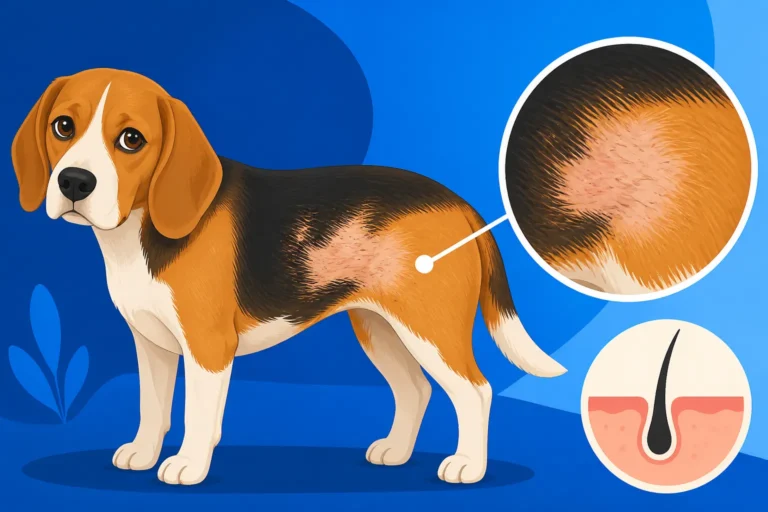
MLS is an inherited connective tissue disorder, meaning it affects the tissues that support, connect, or separate other tissues and organs in the body. In Beagles, this typically manifests as widespread fibrosis (scarring or thickening of tissue), which can lead to a host of problems. Imagine having stiff, tight skin, rigid joints, and facial features that don't quite develop normally. That's a glimpse into the world of an MLS-affected Beagle. The severity can vary greatly between individuals, but common issues include thick, taut skin, particularly around the head and paws, which can restrict movement and cause discomfort. The gait might appear high-stepping or "tip-toe" due to tightened tendons in the legs. You might also notice characteristic facial features like widely set, slanted eyes and abnormally shaped ears that can appear stiff. Internally, MLS can affect various organs, including the heart, leading to potential cardiac issues, and the joints, causing early-onset arthritis and pain. It's a complex condition that can impact nearly every system in the body, making early identification and management paramount.
Recognizing MLS Signs in a Beagle Puppy
Spotting MLS in a young Beagle puppy can be tricky, as some of the milder signs might not be immediately obvious to an untrained eye. However, responsible breeders and vigilant owners can learn to identify the subtle clues. One of the earliest and most distinctive signs is often a peculiar, high-stepping or "tip-toe" gait. This isn't just a cute puppy skip; it's a structural issue caused by tightened tendons in their legs. When a puppy tries to walk, they might lift their paws higher than normal, almost as if they're perpetually balancing on their toes.
Beyond their movement, pay close attention to their skin and facial features. Puppies with MLS may have noticeably thicker, tighter skin, especially on their face, neck, and paws, which can feel less pliable than that of their littermates. Their eyes might appear wider set and have a distinct upward slant, giving them a unique, almost ethereal look that, while perhaps endearing, is a tell-tale sign of the condition. Their ears might also seem stiff or oddly shaped due to fibrous tissue. You can find more detailed descriptions of these symptoms in articles like Musladin-Lueke Syndrome Signs in a Beagle Puppy. If you observe any of these characteristics, or if your puppy seems less agile or more uncomfortable than others, it's vital to consult your veterinarian immediately. Early recognition doesn't change the genetic reality, but it allows for prompt supportive care and helps inform future decisions.
The Genetic Inheritance Pattern of MLS
Musladin-Lueke Syndrome is inherited in an autosomal recessive pattern. This scientific-sounding term simply means that a Beagle must inherit two copies of the specific mutated gene – one from each parent – to actually develop the disease. If a dog inherits only one copy of the mutated gene and one normal gene, it becomes a "carrier." Carriers do not show any symptoms of MLS themselves; they are completely healthy. However, they can pass that single mutated gene on to their offspring. This is where the complexity and the critical need for DNA testing come in.
Here's a simplified breakdown of the inheritance possibilities:
- Clear + Clear: All puppies will be clear and will not carry the MLS gene.
- Clear + Carrier: Approximately 50% of puppies will be clear, and 50% will be carriers. None will be affected.
- Carrier + Carrier: This is the risky pairing. Approximately 25% of puppies will be clear, 50% will be carriers, and – critically – 25% will be affected with MLS.
- Clear + Affected: All puppies will be carriers.
- Carrier + Affected: Approximately 50% of puppies will be carriers, and 50% will be affected.
- Affected + Affected: All puppies will be affected.
This recessive pattern explains why MLS can sometimes seem to "skip" generations, only to reappear unexpectedly. Two healthy carrier parents can produce affected puppies, which can be a complete shock if genetic testing hasn't been performed. Understanding How Musladin-Lueke Syndrome Passes Through Beagle Lines is fundamental for any responsible breeder aiming to produce healthy puppies.
Why the MLS DNA Test is Crucial for Beagles
Knowing the intricate way MLS is passed down through generations underscores the absolute necessity of the MLS DNA test. This isn't just another optional health screening; for Beagles, it's a cornerstone of responsible breeding and a vital tool for ensuring the long-term health of the breed. Without widespread testing, breeders are essentially operating in the dark, unknowingly perpetuating a condition that causes suffering.
Preventing the Spread of MLS in Breeding Lines
The primary reason for MLS DNA testing, particularly for those involved in breeding, is to prevent the unwitting propagation of the syndrome. Before the DNA test became widely available, breeders often didn't realize they had carriers in their lines until an affected puppy was born. This led to heartbreaking situations for both the puppies and their new families, as well as significant setbacks for breeders dedicated to producing healthy dogs. By testing prospective breeding Beagles, breeders can make informed decisions about pairings. They can ensure that at least one parent in any mating is "Clear" of the MLS gene, thereby guaranteeing that no puppies will ever be affected by the syndrome, even if the other parent is a carrier.
This proactive approach dramatically reduces the incidence of MLS and safeguards the health of future generations. It’s an ethical imperative that ensures breeders are contributing positively to the breed's health rather than inadvertently harming it. This commitment to genetic health testing, including for conditions like MLS, often distinguishes a truly reputable breeder from others.
The Importance of a Certified Health Information Center (CHIC) Number
For many purebred dog enthusiasts, the Canine Health Information Center (CHIC) program is a beacon of responsible breeding. Developed by the Orthopedic Foundation for Animals (OFA) and the AKC Canine Health Foundation, CHIC provides a centralized database of canine health information. To earn a CHIC number, a dog must undergo all health screenings recommended by its parent breed club. For Beagles, the MLS DNA test is one of these required screenings. This is why you'll often hear about The MLS DNA Test Required for Beagle CHIC.
A CHIC number signifies that a breeder has gone above and beyond to screen their dogs for the most prevalent genetic conditions within the breed. It allows potential puppy buyers to easily verify that a dog has had the recommended health checks, offering an invaluable level of transparency and trust. When you see a Beagle with a CHIC number, it's a strong indicator that its breeder is committed to health and is making efforts to breed out inherited diseases. This isn't just about showing off; it's about providing concrete proof of a dedication to health. This kind of comprehensive health testing is a benchmark for quality. You can learn more about general health screening for the breed by looking at resources like Beagle Health Testing Under CHIC.
Beyond Breeding: Why Pet Owners Should Consider Testing
While MLS testing is primarily for breeding animals, it's not exclusively for them. If you've adopted a Beagle puppy whose parents weren't tested, or if you're bringing home an adult Beagle whose genetic history is unknown, considering an MLS DNA test can still offer valuable insights. For a pet owner, knowing your Beagle's MLS status can help you prepare for potential health challenges. If your dog tests as a carrier, while they won't develop MLS themselves, it's important to be aware of their genetic makeup for their entire life.
More critically, if your Beagle tests as "affected," this knowledge empowers you to work closely with your veterinarian to monitor for symptoms, manage any discomfort proactively, and provide the best possible supportive care throughout their life. Early intervention can significantly improve an affected dog's quality of life. Furthermore, understanding your dog's genetic predispositions can help you make informed decisions about their overall health management. Although MLS itself isn't typically covered if diagnosed before insurance is obtained, general health insurance like a plan from Healthy Paws could offer support for managing the various secondary issues that sometimes accompany conditions like MLS, such as arthritis or heart issues, provided they aren't pre-existing. This proactive knowledge is truly invaluable for long-term care planning.
Navigating the MLS DNA Testing Process
Once you understand the importance of MLS DNA testing, the next logical step is to understand how to actually get it done. The process is straightforward, but knowing what to expect can ease any anxieties you might have about genetic testing. It's a simple procedure that yields profound results, giving you concrete information about your Beagle's genetic health.
How to Get Your Beagle Tested for MLS
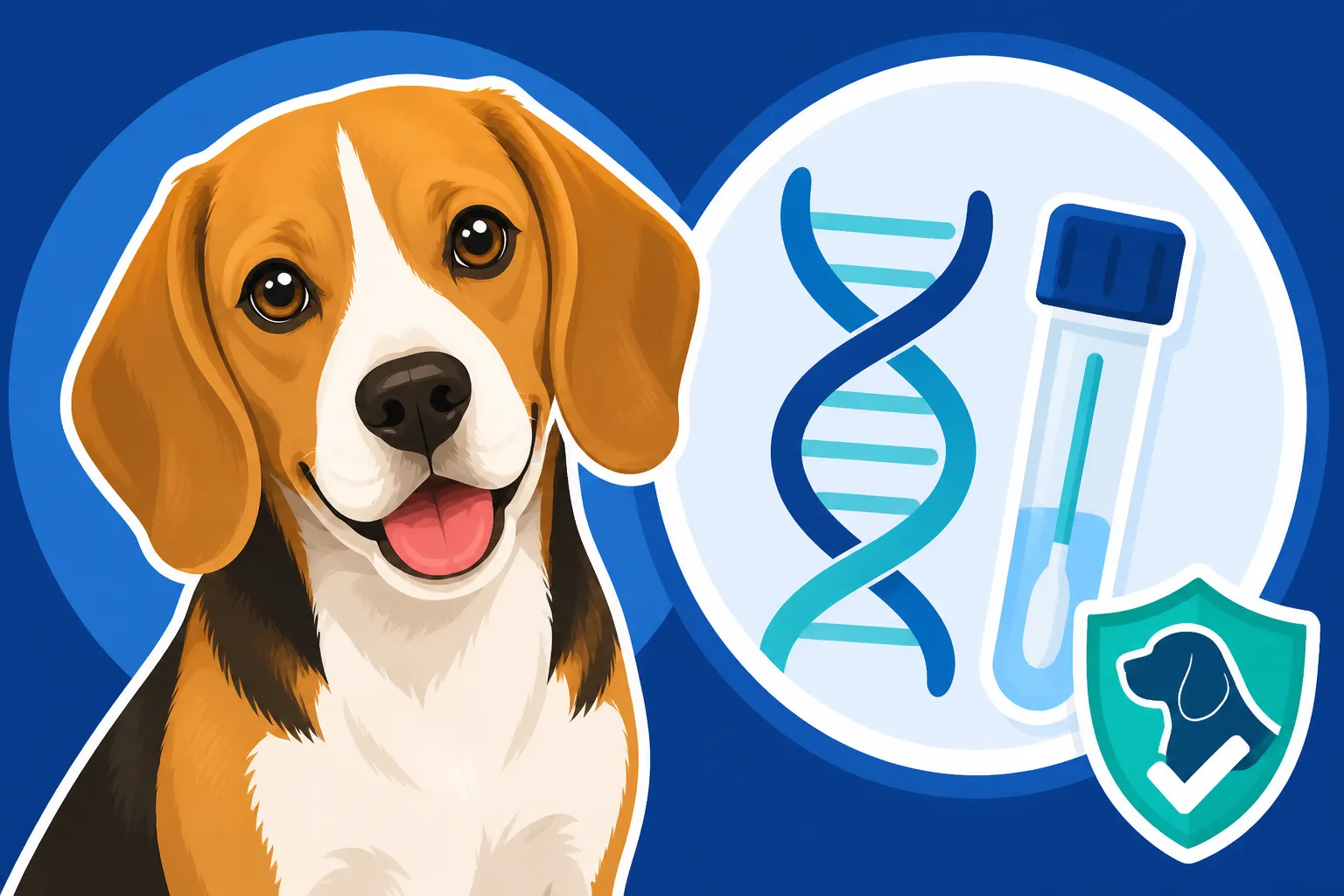
Getting your Beagle tested for MLS is typically a very simple process that can often be done from the comfort of your own home, or with a quick visit to your veterinarian. Most reputable canine genetic testing laboratories offer an MLS test specifically for Beagles. The most common method involves a cheek swab. You'll order a kit from the chosen laboratory, which will include sterile swabs and instructions. You simply rub the swabs firmly inside your Beagle's cheek pouch for a specified amount of time to collect epithelial cells (skin cells). It's painless and non-invasive, meaning your Beagle usually tolerates it very well.
Alternatively, some labs or veterinarians may prefer a blood sample, which is also a common and reliable method. If you're breeding, your veterinarian will often be able to perform the blood draw and submit the sample for you, ensuring proper chain of custody for official results. Once the sample is collected, you mail it back to the laboratory, and they will process it to analyze your dog's DNA for the specific MLS mutation. The results are typically available within a few weeks, depending on the lab's turnaround time.
Interpreting Your Beagle's MLS DNA Test Results
When your results come back, they will usually fall into one of three categories:
- Clear (N/N): This means your Beagle does not carry any copies of the MLS gene mutation. They cannot develop MLS, and they cannot pass the gene on to their offspring. This is the ideal result for any breeding dog.
- Carrier (N/MLS): Your Beagle has inherited one copy of the MLS gene mutation and one normal copy. Your dog will not develop MLS symptoms because they have a normal gene to compensate. However, they are a carrier and can pass the mutated gene on to approximately 50% of their offspring. Carriers are still valuable in a breeding program, provided they are only bred to a "Clear" partner.
- Affected (MLS/MLS): Your Beagle has inherited two copies of the MLS gene mutation, one from each parent. This means your dog will develop or already has developed MLS symptoms. The severity of these symptoms can vary, but the dog is genetically predisposed to the condition. An affected dog should never be used for breeding.
Understanding these terms is critical for both pet owners and breeders. If you have any questions about Reading a Beagle DNA Panel Result Line by Line, your veterinarian or the testing laboratory can help clarify.
Reputable Testing Laboratories and Their Services
When it comes to genetic testing, choosing a reputable laboratory is paramount to ensure accurate and reliable results. Several well-established companies offer comprehensive canine DNA testing, including the specific MLS test for Beagles. These laboratories often collaborate with veterinary geneticists and adhere to strict quality control standards. Some popular and respected options include Embark Veterinary, Optimal Selection (MyDogDNA), and Paw Print Genetics. Each of these labs provides clear instructions for sample collection, transparent pricing, and typically offer online portals for checking results.
When selecting a lab, consider their accreditation, customer reviews, and the comprehensiveness of their reports. Some labs offer panels that test for multiple genetic conditions common in Beagles, not just MLS, which can be an efficient way to get a broader picture of your dog's genetic health. Always ensure the lab reports results that are accepted by organizations like the OFA for CHIC certification if you are a breeder. Don't hesitate to ask your veterinarian for recommendations, as they often have experience working with specific laboratories and can guide you toward the best choice for your Beagle.
Responsible Breeding and the Future of Beagles
The advent of accessible DNA testing for conditions like MLS has revolutionized responsible breeding practices. It moves breeding from a game of chance to a science-backed endeavor, allowing dedicated breeders to actively improve the health and well-being of the Beagle breed. This commitment ensures that the Beagles of tomorrow are healthier than those of yesterday.
Making Informed Breeding Decisions with MLS Results
For responsible Beagle breeders, MLS test results are non-negotiable data points. The goal is always to produce healthy puppies, and that means making sure no puppies are born with MLS. As discussed, this is achieved by ensuring that at least one parent in every mating pair is "Clear" of the MLS gene. If a breeder has a valuable "Carrier" dog in their lines – perhaps one with excellent conformation, temperament, or other desirable traits – they can still responsibly use that dog for breeding. However, they must pair that carrier with a dog that has tested "Clear." This guarantees that no affected puppies will be produced, though some puppies in the litter may still be carriers. These carrier puppies can then be identified through testing and managed responsibly if they are ever considered for breeding themselves.
It’s crucial to understand that identifying carriers isn't about eliminating them from the gene pool entirely, especially if they possess other valuable traits. Responsible breeding is about informed decision-making to maintain genetic diversity while eliminating serious health problems. It's about preserving the best of the breed while actively addressing its weaknesses. This dedication to health and transparency is what sets truly ethical breeders apart, and it's a key part of What to Ask a Beagle Breeder About Genetics when you're looking for a puppy.
The Role of the National Beagle Club in Health Standards
Breed clubs play a pivotal role in safeguarding the health and integrity of their respective breeds. For Beagles, the National Beagle Club of America (NBC) has been instrumental in promoting responsible breeding practices, including the recommendation for MLS testing. The NBC, like many other parent clubs, works closely with veterinary geneticists and organizations like the OFA to identify health priorities for the breed. They then establish minimum health testing requirements for breeders who wish to be recognized as responsible and ethical.
By actively endorsing and often requiring specific health tests, the National Beagle Club guides its members toward best practices. This collective effort ensures that breeders are working together towards common goals: reducing the incidence of inherited diseases and enhancing the overall health of the Beagle population. Such standards help maintain the breed's vitality and protect its future. These guidelines are invaluable for anyone passionate about Beagles and wanting to contribute to their well-being.
Addressing Common Misconceptions About Genetic Testing
Despite the clear benefits, some misconceptions about genetic testing still persist. One common fear is that identifying carriers will drastically reduce the gene pool, leading to other genetic problems. However, responsible breeding with carriers, by pairing them with clear mates, allows for the preservation of valuable traits while systematically reducing the prevalence of the disease over generations. It's not about eradicating carriers; it's about making informed choices.
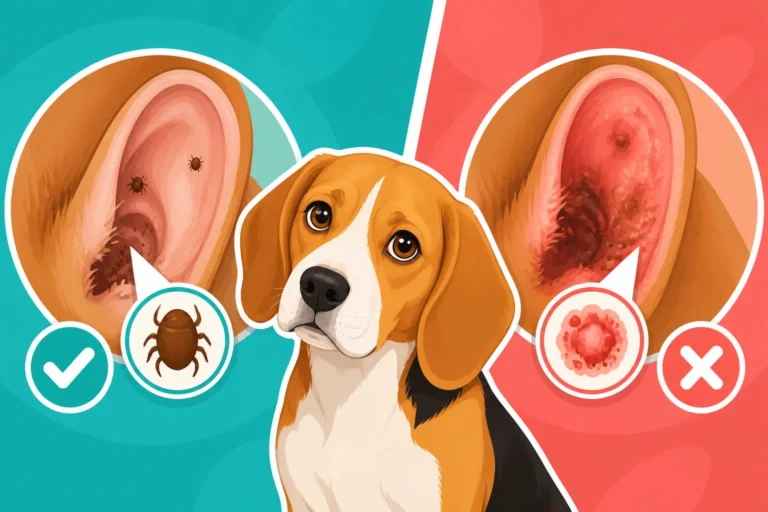
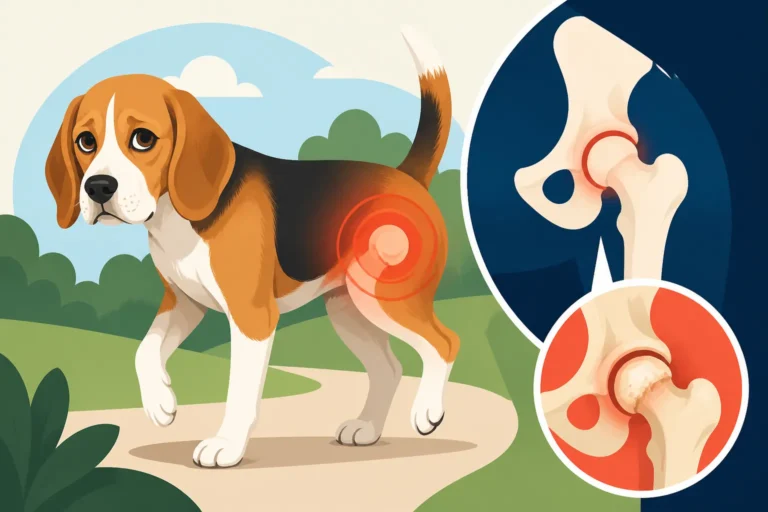
Another misconception is that a "Clear" result means a dog will never have any health issues. While a clear result for MLS means they won't suffer from that specific condition, it doesn't guarantee immunity from all other health problems. Beagles, like all dogs, can still face issues such as Beagle Hip Dysplasia and Everyday Joint Wear, Beagle Epilepsy and Seizures From Six Months On, or even common ailments like Beagle Ear Infections Under Those Long Ears. Genetic testing is one piece of a much larger puzzle of overall health. Finally, some owners might worry about the cost or complexity. As noted, the process is simple and the cost is a small investment for the peace of mind and the profound impact it has on the breed's health.
| MLS Test Result | Genetic Status | Will the Dog Be Affected by MLS? | Can the Dog Pass MLS to Offspring? | Recommended Breeding Pairing |
|---|---|---|---|---|
| Clear (N/N) | No mutated gene | No | No | Can be bred with any other tested dog |
| Carrier (N/MLS) | One mutated gene | No | Yes (50% chance per puppy) | Must be bred with a Clear (N/N) dog |
| Affected (MLS/MLS) | Two mutated genes | Yes | Yes (100% chance per puppy) | Should not be bred |
Living with an MLS-Affected Beagle
While the goal of genetic testing and responsible breeding is to eliminate MLS, sadly, some Beagles are still born with the condition. If you find yourself with an MLS-affected Beagle, please know that it's not your fault, and there are many ways to support your dog and provide them with a happy, fulfilling life. It requires dedication and a partnership with your veterinary team, but the love and joy they bring are immeasurable.
Managing Symptoms and Providing Supportive Care
Living with an MLS-affected Beagle means being proactive in managing their symptoms. Because MLS can manifest in various ways, supportive care is highly individualized. This might involve regular veterinary check-ups to monitor joint health, heart function, and overall comfort. For dogs experiencing stiffness or pain due to fibrous tissue, a combination of pain management medications, anti-inflammatory drugs, and physical therapy can be incredibly beneficial. Gentle massage, controlled exercise, and even hydrotherapy can help maintain flexibility and muscle strength.
Your vet might also recommend specific ramps or steps around the house to help your Beagle navigate furniture without putting undue stress on their stiff joints. Soft bedding and warm resting spots can alleviate discomfort. Nutrition tailored to joint health can also play a role. Remember, the goal is to enhance their comfort and mobility, allowing them to enjoy their daily lives as much as possible, focusing on what they can do rather than what they cannot.
The Emotional Toll on Owners and Finding Support
Discovering your beloved Beagle is affected by a genetic condition like MLS can be incredibly difficult, often leading to feelings of sadness, guilt, or even anger. It's a heavy emotional burden, and it's perfectly normal to feel overwhelmed. Remember that you are not alone in this journey. Connecting with other Beagle owners who have experience with MLS or other chronic conditions can provide an invaluable support network. Online forums, breed-specific social media groups, and local pet communities can offer a space to share experiences, ask questions, and receive encouragement.
Your veterinarian and their staff can also be a tremendous source of support, offering not only medical advice but also emotional understanding. Don't hesitate to reach out for help. Providing the best care for your MLS-affected Beagle is a marathon, not a sprint, and having a strong support system can make all the difference for both you and your furry companion.
Prognosis and Long-Term Outlook for MLS-Affected Beagles
The long-term outlook for an MLS-affected Beagle is highly dependent on the severity of their condition and the quality of supportive care they receive. In some mild cases, dogs might experience minimal discomfort and lead relatively normal lifespans with consistent management. In more severe cases, where multiple organ systems are affected or mobility is significantly impaired, the prognosis can be more guarded. However, with dedicated veterinary care, proactive pain management, and a loving, adapted environment, many MLS-affected Beagles can still enjoy a good quality of life.
The key is early diagnosis and a commitment to ongoing care. While MLS is not curable, its symptoms can often be managed to prevent progression and alleviate suffering. Open communication with your vet about your Beagle's comfort levels, mobility, and overall happiness is essential. Regularly assessing their quality of life, especially as they age, is a crucial part of responsible ownership. While a normal Beagle Lifespan and the Twelve to Fifteen Year Range might be challenged in severe cases, the goal remains to ensure every day is filled with as much joy and comfort as possible for your special Beagle.
Disclaimer
The information provided in this article is for general informational purposes only and is not intended as a substitute for professional veterinary advice, diagnosis, or treatment. Always seek the advice of your veterinarian or other qualified health provider with any questions you may have regarding a medical condition.