How Musladin-Lueke Syndrome Passes Through Beagle Lines
It's truly heartbreaking to learn that our beloved Beagles, with their merry dispositions and boundless energy, can be susceptible to certain genetic conditions. One such condition, Musladin-Lueke Syndrome (MLS), is a particular concern for the breed, and for any owner or potential owner, understanding how it's passed down through family lines is crucial. This guide will meticulously explain the genetics behind MLS, how it affects Beagles, and the vital role DNA testing plays in protecting future generations of these wonderful hounds.
Understanding Musladin-Lueke Syndrome in Beagles
Musladin-Lueke Syndrome, often simply called MLS, is a genetic disorder unique to Beagles. It’s not something you’ll encounter in other breeds, which highlights the importance of breed-specific knowledge for Beagle parents. When you first hear about a genetic condition, it can sound incredibly overwhelming, but taking the time to understand it allows you to make informed decisions for your furry family member or for a future puppy.
What MLS Actually Is and How It Presents
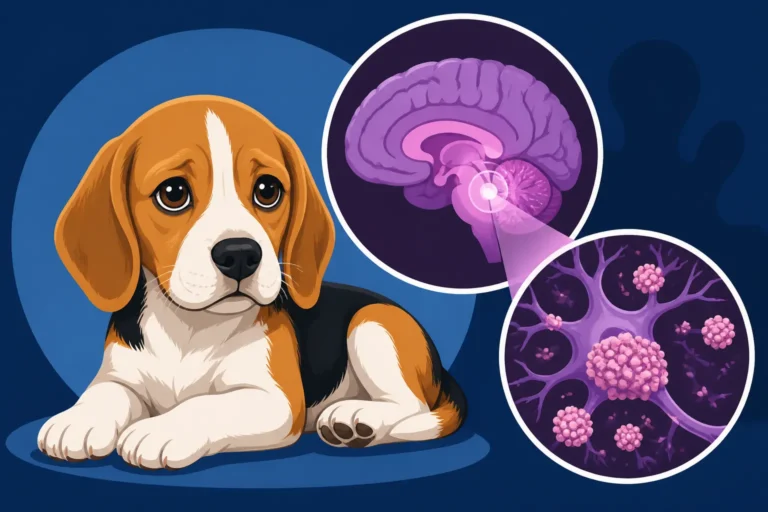
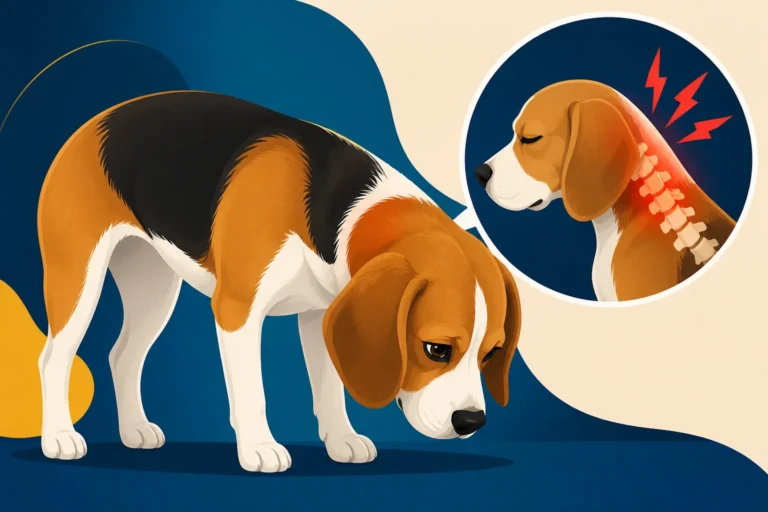
MLS is a connective tissue disorder, meaning it affects the tissues that support and connect other tissues and organs in the body. Imagine the scaffolding that holds everything together; in Beagles with MLS, this scaffolding isn't quite right. The signs can vary, but they generally manifest as physical anomalies and sometimes, pain. Affected puppies are born with certain distinct characteristics that can become more apparent as they grow. You might notice thick, taut skin, especially around the face, or a peculiar tip-toe gait that makes them walk as if they're constantly on their toes, as discussed in Musladin-Lueke Syndrome Signs in a Beagle Puppy. Their skull shape can be a bit different, sometimes giving them a more "slanted eye" appearance or affecting their overall facial expression, which can be explored further in The Skull Shape and Slanted Eyes MLS Produces.
These physical traits are more than just cosmetic. The abnormal connective tissue can restrict movement, causing discomfort or pain, and can impact their quality of life. Owners might see stiffness, reluctance to play, or even difficulty with normal puppy activities. While it's a condition they are born with, the symptoms often become more pronounced as they develop, making early identification and understanding of the inheritance pattern absolutely critical for breeders and prospective owners.
The Impact on a Beagle's Quality of Life
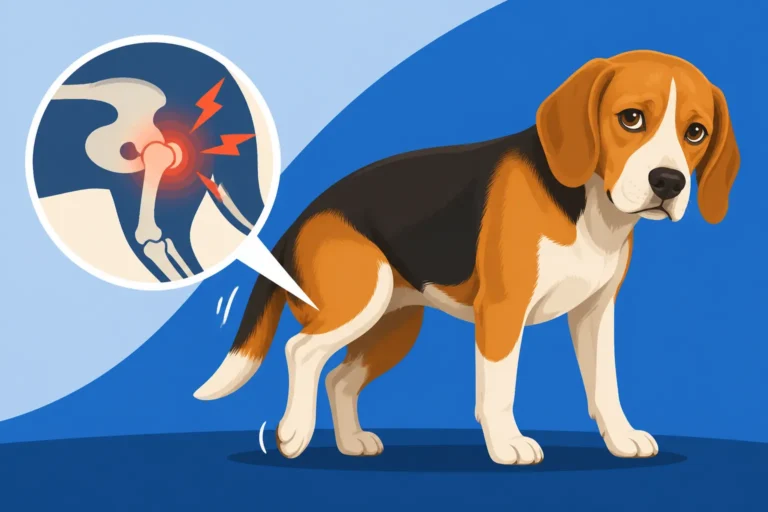
The severity of MLS can vary from dog to dog, but it's rarely a mild inconvenience. The stiff, inelastic skin can make them feel uncomfortable in their own bodies. Imagine trying to stretch or move when your skin feels too tight – that's a bit what it can be like for an MLS-affected Beagle. The skeletal abnormalities can lead to joint issues and restricted movement, making running and playing difficult, which is such a core part of being a happy Beagle. These dogs often experience pain, and managing that pain becomes a lifelong commitment.
While Beagles with MLS can live a full lifespan, their lives often require significant management, including pain medication, physical therapy, and sometimes even surgical interventions to improve comfort or mobility. The financial and emotional toll on owners can be considerable, making preventive measures all the more vital. This is where understanding the genetics of how MLS passes through lines truly comes into its own, allowing us to proactively reduce the incidence of this challenging condition.
The Genetic Blueprint: How MLS is Inherited
Understanding how Musladin-Lueke Syndrome is inherited requires a quick dive into basic genetics. Don't worry, I won't get too bogged down in scientific jargon, but grasping these core concepts is essential to seeing why prevention is so effective. This isn't about blaming anyone; it's about empowerment through knowledge.
Recessive Inheritance Explained
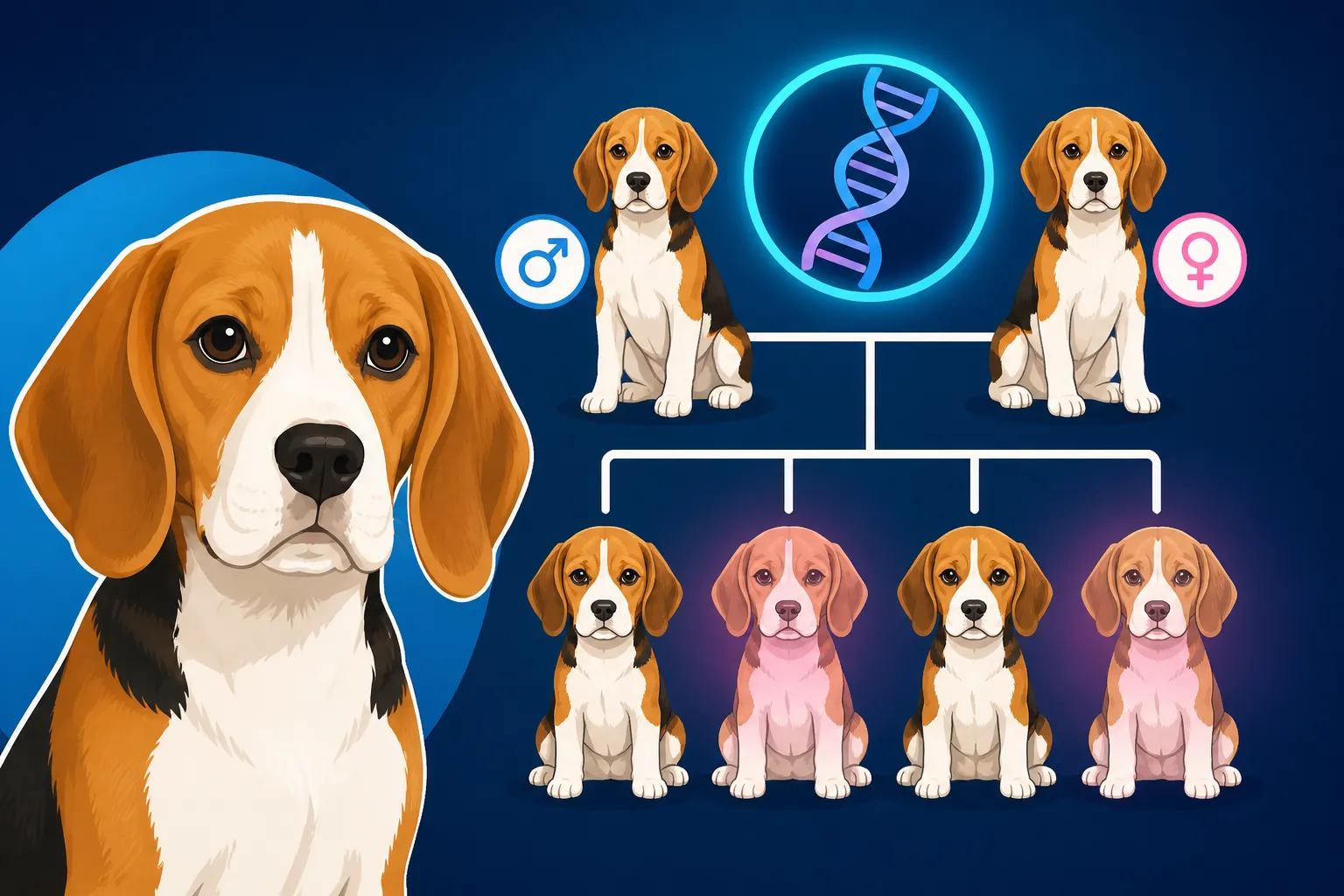
MLS is inherited in what's called an "autosomal recessive" pattern. This is a common way for genetic diseases to pass through families, both human and canine. What does "recessive" mean? It means a dog needs to inherit two copies of the faulty gene – one from each parent – to actually develop the condition.
Let's break it down:
- Normal Gene (N): This is the "healthy" gene.
- MLS Gene (m): This is the faulty gene that causes MLS.
Every dog has two copies of each gene, one inherited from their mother and one from their father. Here are the three possible genetic combinations for MLS:
- N/N (Clear): This Beagle has two normal genes. They will never develop MLS, and they cannot pass the MLS gene on to their puppies. They are "clear" of the gene.
- N/m (Carrier): This Beagle has one normal gene and one MLS gene. They will not develop MLS themselves because the normal gene is dominant and "masks" the recessive faulty gene. However, they can pass the MLS gene on to their puppies. They are "carriers."
- m/m (Affected): This Beagle has two copies of the MLS gene. They will develop Musladin-Lueke Syndrome. They will also pass an MLS gene to all of their puppies.
The tricky part, and why this condition can persist, is that carriers (N/m) look and act completely healthy. You'd never know they carry the gene without a specific DNA test. This means responsible breeding hinges entirely on genetic testing.
Breeding Pairs and Offspring Probabilities
Now, let's look at how these combinations play out when two Beagles are bred. This is where the "how it passes through lines" really becomes clear. Understanding these probabilities is what allows responsible breeders to prevent affected puppies from ever being born.
| Parent 1 Status | Parent 2 Status | Possible Offspring (Probability) |
|---|---|---|
| Clear (N/N) | Clear (N/N) | 100% Clear (N/N) |
| Clear (N/N) | Carrier (N/m) | 50% Clear (N/N), 50% Carrier (N/m) |
| Clear (N/N) | Affected (m/m) | 100% Carrier (N/m) |
| Carrier (N/m) | Carrier (N/m) | 25% Clear (N/N), 50% Carrier (N/m), 25% Affected (m/m) |
| Carrier (N/m) | Affected (m/m) | 50% Carrier (N/m), 50% Affected (m/m) |
| Affected (m/m) | Affected (m/m) | 100% Affected (m/m) |
As you can see from the table, the risk of producing affected puppies (m/m) only arises when at least one parent is a carrier (N/m) or affected (m/m). The most common scenario where owners might unknowingly produce affected puppies is when two carriers (N/m x N/m) are bred together. In this pairing, there's a 25% chance with every single puppy that it will inherit two copies of the faulty gene and be affected by MLS. This is exactly what breeders strive to avoid.
For more on what these test results mean, you can check out What an MLS Carrier Result Means for a Beagle.
Testing and Responsible Breeding Practices
The good news amidst all this genetic talk is that Musladin-Lueke Syndrome is entirely preventable through responsible breeding practices and readily available DNA testing. This is where modern science truly helps us protect our beloved Beagles.
The MLS DNA Test
Thanks to advances in veterinary genetics, there's a specific DNA test for MLS. This test identifies whether a Beagle is clear (N/N), a carrier (N/m), or affected (m/m) by the MLS gene. It's a simple, non-invasive test, often done with a cheek swab collected by your vet or even at home with a kit. The sample is then sent to a specialized laboratory for analysis.
This test is not just recommended; it's considered absolutely essential for any Beagle being considered for breeding. It's so important that the Orthopedic Foundation for Animals (OFA) includes MLS as a required health test for Beagles to achieve a Canine Health Information Center (CHIC) number, as detailed in The MLS DNA Test Required for Beagle CHIC. A CHIC number signifies that a dog has undergone all the recommended health screenings for its breed. Reputable breeders will always be able to provide proof of MLS testing for their breeding stock, and for the puppies' parents.
How Breeders Use Test Results to Prevent MLS
Responsible breeders use the MLS DNA test results to make informed decisions about breeding pairs. Their goal is always to avoid producing affected puppies.
- Clear to Clear (N/N x N/N): This is the ideal and safest pairing. All puppies will be Clear (N/N). No risk of MLS.
- Clear to Carrier (N/N x N/m): This pairing is acceptable, though not ideal. No affected puppies will be produced. All puppies will either be Clear (N/N) or Carriers (N/m). The breeder would need to test these puppies to identify carriers or advise buyers that puppies from this pairing could be carriers and should not be bred without testing. Sometimes, a valuable breeding dog might be a carrier, and responsible breeders might choose to breed them to a clear dog once or twice, then carefully select clear offspring to continue their lines.
- Carrier to Carrier (N/m x N/m): This pairing is considered irresponsible, as it carries a 25% risk of producing affected puppies (m/m) and a 50% risk of producing more carriers. A reputable breeder will never intentionally make this pairing.
- Breeding an Affected Dog (m/m): Breeding an affected dog is highly discouraged as it will produce only affected or carrier offspring, depending on the mate.
When you're looking for a puppy, always ask the breeder about the health testing they do. They should be transparent about their dogs' MLS status and be able to show you documentation. Don't be shy about asking What to Ask a Beagle Breeder About Genetics. This isn't just a "nice to have"; it's a fundamental part of ethical breeding that safeguards the health of the breed.
Living Day-to-Day with an MLS Diagnosis
While the focus on MLS inheritance is largely about prevention, it's also important to acknowledge that sometimes, despite the best intentions, a Beagle may be diagnosed with the condition. This section is for those brave souls navigating this journey, offering a realistic look at what daily life entails.
Managing Symptoms and Ensuring Comfort
For a Beagle with MLS, life will likely involve ongoing management of its symptoms. This can include regular veterinary check-ups to monitor their condition and adjust treatment plans as needed. Pain management is often a priority, utilizing prescribed medications to keep them comfortable. Physical therapy, hydrotherapy, or massage might be recommended to help maintain mobility and muscle strength, alleviating stiffness caused by the taut skin and connective tissue issues.
Owners must be incredibly observant, noticing subtle changes in their Beagle's movement, appetite, or demeanor that could signal increased discomfort. Creating a home environment that minimizes physical strain is also vital. This might mean providing ramps for beds and couches, avoiding stairs where possible, or ensuring soft, supportive bedding. Just like any dog with chronic health issues, the goal is to maximize their comfort and joy, recognizing their unique needs. It’s a commitment, but one that dedicated Beagle owners readily embrace.
The Importance of Early Diagnosis and Veterinary Support
Receiving an early diagnosis of MLS is crucial. While the genetic test identifies affected puppies from birth, sometimes signs might not be fully appreciated until a bit later. An early diagnosis allows for proactive management, potentially slowing the progression of discomfort or preventing secondary issues. Your veterinarian will be your most important partner in this journey, helping you understand the specifics of your Beagle's condition and tailoring a treatment plan.
It’s also wise to consider how a genetic diagnosis might impact your long-term financial planning for your dog's care. Comprehensive pet insurance plans, like those offered by Healthy Paws, can be invaluable for covering the costs associated with ongoing medical treatments, specialist visits, and medications. While insurance typically doesn't cover pre-existing conditions, having a plan in place for other potential health issues can provide peace of mind. Regular check-ups, as outlined in an article like Beagle Vet Visit Frequency After the Age of Ten (though MLS often manifests earlier), are more important than ever.
Why This Matters for the Future of Beagles
Understanding how Musladin-Lueke Syndrome passes through Beagle lines isn't just academic; it's fundamental to preserving the health and well-being of the breed. Each generation of responsible breeding decisions contributes to reducing the prevalence of this painful condition.
The Role of Responsible Breeders
Responsible breeders are the frontline defense against inherited diseases like MLS. By consistently testing their breeding stock and making informed pairing decisions, they actively work to eliminate the MLS gene from their lines, or at least ensure no affected puppies are ever born. This dedication ensures that the Beagle puppies they produce have the best possible start in life, free from the burden of this genetic disorder. When you buy a puppy from a breeder who can show you the clear MLS results for both parents, you're not just getting a puppy; you're supporting ethical practices that benefit the entire breed. You should always insist on seeing The MLS Result a Beagle Breeder Must Show You.
It's a testament to these breeders' commitment that conditions like MLS, which could otherwise be devastating, are becoming less common in well-bred Beagles. Their work directly impacts the Beagle lifespan and overall quality of life for countless dogs.
The Power of Informed Puppy Buyers
As a potential puppy buyer, you hold significant power. By asking informed questions about health testing, particularly MLS, you encourage and support responsible breeding practices. When you choose a puppy from a breeder who prioritizes genetic health, you're casting your vote for a healthier future for Beagles. This vigilance helps ensure that the delightful, merry Beagle we all adore can continue to thrive, free from preventable suffering.
Understanding the complex journey of a gene through generations might seem daunting at first, but it truly underscores why simple actions, like a DNA test and careful breeding, make all the difference. Knowing "how" is the first step to ensuring "never again" for Musladin-Lueke Syndrome in our beloved Beagles.
Disclaimer
Please remember that this article offers general information and insights into Musladin-Lueke Syndrome in Beagles. It is not a substitute for professional veterinary advice. Always consult with a qualified veterinarian or a veterinary geneticist for accurate diagnosis, treatment recommendations, and personalized guidance regarding your Beagle's health.