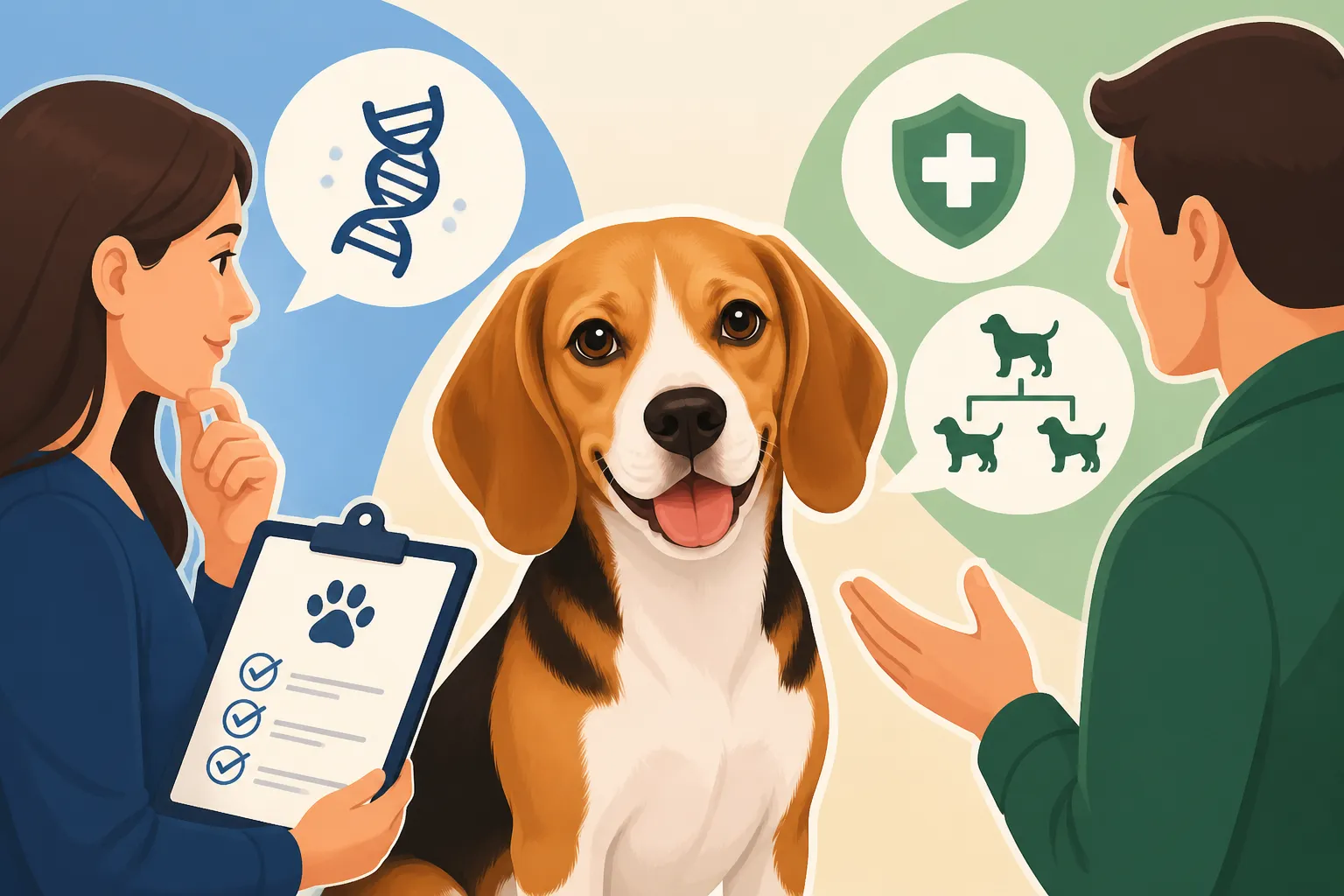
What to Ask a Beagle Breeder About Genetics
Bringing a new Beagle into your life is an incredibly exciting time, but it’s often overshadowed by the anxiety of ensuring you’re bringing home a healthy puppy. Navigating the world of breeders and genetic health can feel overwhelming, leaving many prospective owners unsure of what to ask to make the best, most informed decision. This comprehensive guide will walk you through the essential genetic questions to pose to any Beagle breeder, empowering you to choose a healthy, well-bred companion with confidence.
Understanding Essential Health Screenings for Beagles
When you're looking for a Beagle puppy, one of the most critical aspects to investigate is the genetic health of its parents. Reputable breeders invest time and resources into health screening their breeding stock, aiming to reduce the incidence of hereditary diseases in their lines. It’s not just about what you see in a cute puppy, but what’s hidden in their genetic makeup that could impact their entire life.
Genetic Tests for Specific Beagle Conditions
Beagles, like many purebred dogs, are prone to certain genetic conditions. A responsible breeder will be transparent about these and actively test for them. Don’t be shy about asking for proof of these screenings – it’s a non-negotiable part of ethical breeding.
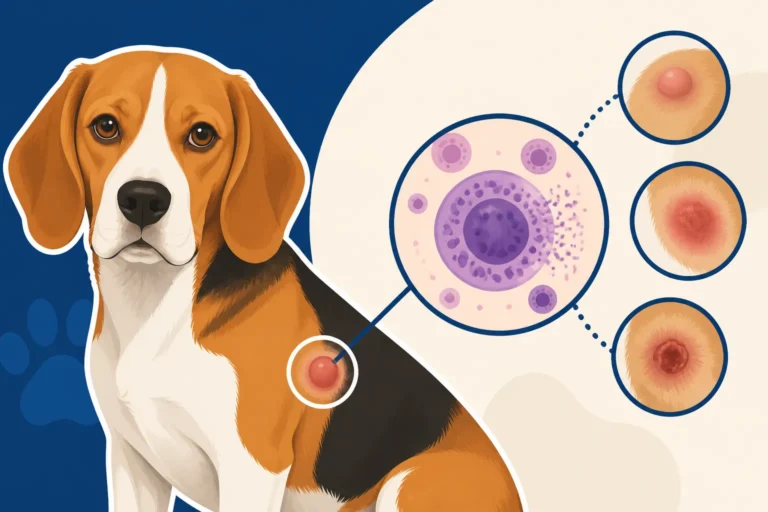
First and foremost, you absolutely must ask about Musladin-Lueke Syndrome (MLS). This is a devastating genetic disorder unique to Beagles, affecting connective tissue and causing a range of issues from joint and skin abnormalities to potential heart problems. A puppy born with MLS can have a stiff, tip-toe gait, thick, taut skin, and distinct slanted eyes and skull shape. Imagine bringing home a puppy only to discover it has a debilitating, untreatable condition that could have been avoided with a simple DNA test. It’s heart-wrenching. Breeders should have tested their breeding dogs, and those dogs should be clear or at most, carriers. A carrier can be bred to a clear dog without producing affected puppies, but breeding two carriers together is a huge red flag. Ask to see the actual results of the Musladin-Lueke Syndrome and the Beagle DNA Test for both parents. Understanding What an MLS Carrier Result Means for a Beagle is key for future generations.
Another important one to inquire about is Factor VII Deficiency. This is a blood clotting disorder that, while often mild, can lead to excessive bleeding during surgery or injury. While not as outwardly dramatic as MLS, imagine a routine spay or neuter becoming a life-threatening emergency because a dog's blood can't clot properly. This is easily detectable with a DNA test, and responsible breeders will screen for it. If a breeder hasn't tested for it, they may be unaware of the risks in their line. For owners who might need to consider future surgeries, knowing this information beforehand is critical. You definitely want to know Why a Factor VII Beagle Bleeds After Routine Surgery long before it's too late.
While not strictly a "testable" genetic disease in the same way as MLS or Factor VII (as its inheritance is more complex), it's also worth discussing the breeder's awareness of Lafora disease. This is a late-onset, progressive myoclonic epilepsy that primarily affects Beagles, usually starting in middle age. While there isn't a simple DNA test to predict its presence in young puppies, knowing the family history of epilepsy is important. A good breeder will be open about any cases of Beagle Epilepsy and Seizures From Six Months On in their lines, especially late-onset forms.
Orthopedic and Eye Certifications
Beyond specific DNA tests, Beagles are susceptible to certain structural and ocular issues that can significantly impact their quality of life. These often involve certifications from veterinary specialists.
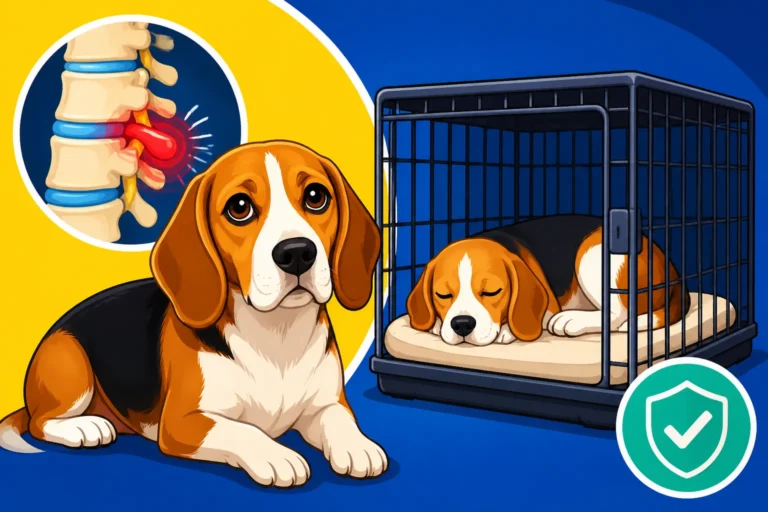
Hip and elbow dysplasia are unfortunately common in many breeds, including Beagles. While Beagles are generally less prone to severe hip dysplasia than larger breeds, it can still occur. This condition involves abnormal development of the hip or elbow joints, leading to pain, arthritis, and lameness. It’s crucial to ask if the parents have been screened by organizations like the Orthopedic Foundation for Animals (OFA) or PennHIP. These evaluations assess the structural soundness of the joints. You want to see "Fair," "Good," or "Excellent" ratings for hips, and "Normal" for elbows. A breeder who dismisses hip screening, saying "Beagles don't get that," is not doing their due diligence. Learning about Beagle Hip Dysplasia and Everyday Joint Wear early can help you understand what to look for.
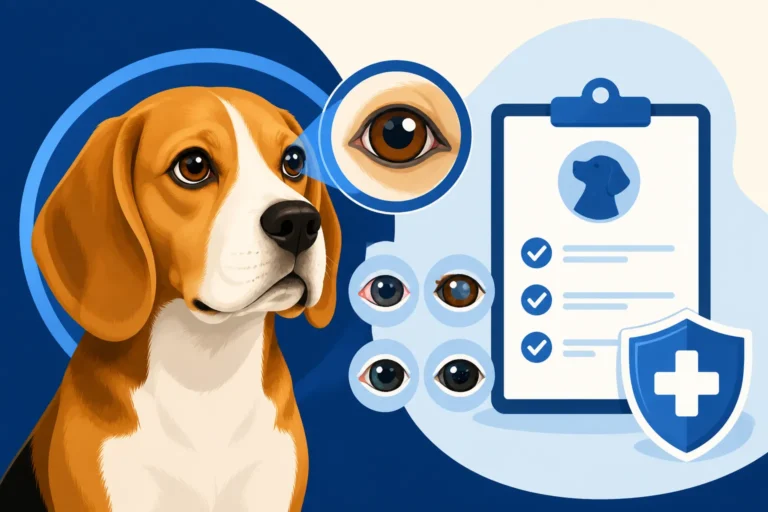
Eye conditions can also plague Beagles, potentially leading to discomfort, impaired vision, or even blindness. These can include glaucoma, cataracts, and various retinal disorders. A reputable breeder will have their breeding dogs examined by a board-certified veterinary ophthalmologist. This examination is often registered with the OFA Eye Certification Registry (formerly CERF). The results should indicate "Normal" or "Clear" for any hereditary eye diseases. This is not a one-time check; these exams often need to be done annually, as some conditions can develop later in life. Insist on seeing current eye certifications for both parents, because a puppy's bright eyes now don't guarantee healthy eyes later if the parents weren't cleared. Don't underestimate the importance of The Eye Exam Required Before Breeding a Beagle.
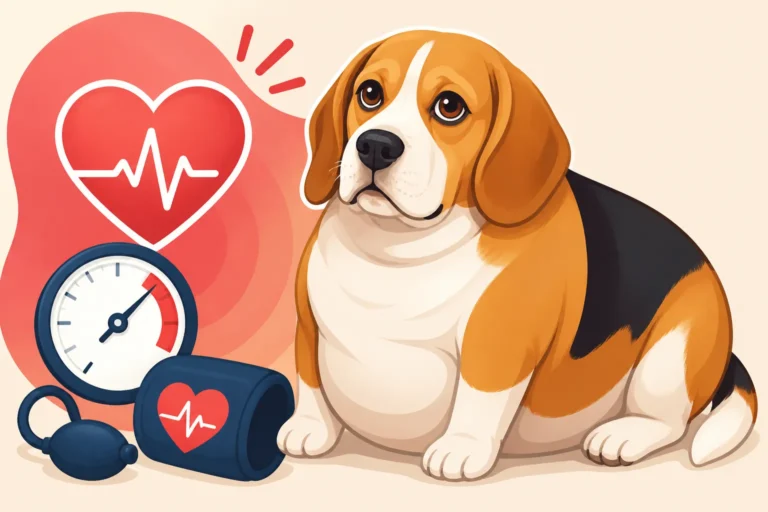
Lastly, ask about cardiac health. While not as universally prevalent as some other issues, heart conditions can occur. A good breeder might have their breeding dogs examined by a veterinary cardiologist, particularly if there’s any history of heart murmurs in their line. A basic auscultation by a general vet is a start, but a specialist's clearance offers more peace of mind.
Inquiring About the Breeder's Practices and Pedigrees
Once you've gotten into the specifics of individual tests, it's time to broaden your inquiry to the breeder's overall approach to genetic health and how they manage their breeding program. This involves understanding the paperwork they provide and delving into the family tree of your potential puppy.
Interpreting Health Certificates and CHIC Numbers
A responsible breeder won't just tell you about health tests; they'll show you the proof. This usually comes in the form of official certificates from the testing organizations. For Beagles, a truly diligent breeder will likely be participating in the Canine Health Information Center (CHIC) program, which is a centralized database sponsored by the OFA.
A CHIC number indicates that a dog has undergone all the health screenings recommended for its breed by the parent club (in this case, the National Beagle Club of America) and that these results are publicly available in the OFA database. For Beagles, the core requirements for a CHIC number typically include hip evaluations, eye examinations, and an MLS DNA test. When a breeder provides a CHIC number, it’s a fantastic sign of their commitment to health. You can even look up the dog's results online using their registration name or number to verify the information. Don't just take their word for it; verify. A breeder who participates in Beagle Health Testing Under CHIC is showing a real commitment to the breed's future.
If a breeder tells you a test wasn't done for a specific reason (e.g., the dog was too young for a final hip evaluation), ask for the preliminary results or clarify their plan. Some tests, like OFA hip evaluations, require the dog to be at least 24 months old for a final certification. However, eye exams and DNA tests for MLS and Factor VII can often be done earlier. Be sure you understand the nuances of Reading a Beagle DNA Panel Result Line by Line so you know what the results actually mean.
Understanding Pedigree and Family Health History
The health of your puppy isn't just about its parents; it's about the entire family line. A pedigree chart is more than just names; it's a map of genetic history. Ask to see the pedigree of both the sire (father) and dam (mother). A good breeder will be able to discuss the health of not only the parents but also the grandparents and even great-grandparents.
Inquire specifically about the longevity of the dogs in their lines. What was the average Beagle Lifespan and the Twelve to Fifteen Year Range for the ancestors? Did any dogs in the pedigree die young from genetic illnesses? If a breeder can tell you that the grandmother lived to 15 with no major health issues, that's valuable information. Conversely, if there's a history of conditions like cancer or severe arthritis at a young age in close relatives, it warrants further discussion.
Beyond physical health, temperament can also have a genetic component. Ask about the general disposition of the parents and their relatives. Are they prone to anxiety, aggression, or excessive shyness? Beagles are known for their merry, curious nature, but poor breeding can sometimes lead to deviations. A breeder should be able to articulate the temperament of their dogs and how they breed for desirable traits. A solid temperament often goes hand-in-hand with good health, and a calm, confident parent is more likely to produce puppies with similar traits.
Finally, discuss how the breeder approaches Breeding Away From Epilepsy in Beagle Lines. While there isn't a perfect genetic test for all forms of epilepsy, knowing if it appears in the family history can help you make an informed decision and prepare for potential future health management.
Beyond the Tests: Breeder Accountability and Support
Even with all the right tests and a clear pedigree, the true measure of a responsible breeder lies in their accountability and the ongoing support they offer. They should be a resource for you for your Beagle's entire life.
Discussing Health Guarantees and Contracts
A reputable breeder will always provide a written contract that includes a health guarantee. This guarantee typically covers genetic health issues for a specific period, usually the first year or two of the puppy's life. It's not a magical shield, but it shows the breeder stands behind their puppies.
What should a good health guarantee cover? It should specify what genetic conditions are covered, what the breeder’s responsibility is if a covered condition arises (e.g., replacement puppy, partial refund), and what your responsibilities are as the owner (e.g., taking the puppy to the vet within a certain timeframe after purchase). Read this contract very carefully before committing. Don't be afraid to ask for clarification on any clauses you don't understand.
It’s also wise to consider pet insurance from day one. Even with the best genetics, accidents and unexpected illnesses can happen. Providers like Healthy Paws offer comprehensive coverage that can be a lifesaver if your Beagle faces an unforeseen health challenge. While a breeder's guarantee might cover a specific genetic issue, a good insurance policy can cover everything else, from an ear infection to a swallowed toy, especially if your puppy is young and hasn't yet shown any signs of a pre-existing condition. Having a safety net like Healthy Paws can truly make a difference in your ability to provide the best care without financial stress.
Lifelong Support and Transparency
A relationship with a good breeder doesn't end when you take your puppy home; it begins. They should be your first point of contact for any questions or concerns that arise throughout your Beagle's life.
Ask the breeder if they are available for ongoing support and advice. Are they happy to answer questions about training, behavior, or health as your puppy grows? A responsible breeder will want to know how their puppies are doing and will offer guidance when needed. They should see themselves as mentors, not just sellers.
Transparency is also paramount. A breeder should be open and honest about any health issues that have occurred in previous litters or in their breeding dogs, even if those dogs passed all their health screenings. Sometimes, a genetic predisposition isn't fully understood, or new information comes to light. An honest breeder will share this information, even if it means acknowledging imperfections in their lines.
Finally, ask if you can visit their facility and meet the dam (mother) of the puppies. Seeing the living conditions and observing the mother's temperament firsthand is invaluable. A clean environment and a friendly, well-adjusted mother are strong indicators of a responsible breeding program. If a breeder makes excuses or refuses visits, consider it a significant red flag.
Red Flags and What to Avoid
While seeking out a responsible breeder, it's equally important to know what warning signs to look for that indicate a breeder might be cutting corners or operating unethically. Avoiding these situations can save you and your future Beagle a lot of heartache and expense down the line.
Warning Signs During Your Research
The first and most glaring red flag is a complete lack of health testing. If a breeder can't or won't provide proof of OFA certifications, eye exams, or DNA tests for MLS and Factor VII, walk away immediately. They are not breeding responsibly, and you're taking a huge gamble with your puppy's future health. A breeder who claims their dogs are "healthy" without proof is simply not doing their part.
Another major red flag is an unwillingness to share information or answer your questions thoroughly. A good breeder is proud of their dogs and their program and will be an open book. If they are evasive, deflect questions, or seem annoyed by your inquiries, they likely have something to hide. Similarly, if they try to rush you into a decision or pressure you to buy a puppy immediately, be wary.
Selling puppies too young is also a problem. Puppies need to stay with their mother and littermates until at least eight weeks of age for crucial social development. Any breeder offering puppies younger than eight weeks is prioritizing profit over the puppies' well-being.
Beware of breeders who have multiple breeds available all at once, or seem to have puppies constantly available. This can be a sign of a "backyard breeder" or even a puppy mill, where breeding is done purely for profit without regard for genetic health or proper care. Their living conditions might be unsanitary, and the parent dogs might be poorly socialized or unhealthy.
The Importance of a Good Contract
A weak or non-existent contract is another red flag. A legitimate breeder's contract will clearly outline the health guarantee, spay/neuter clauses, and what happens if you can no longer care for the dog (often requiring the dog to be returned to them). If a contract is vague, confusing, or simply not offered, it indicates a lack of professionalism and accountability.
A good contract should specify what genetic diseases are covered and for how long. It should detail what steps you need to take if a covered condition is diagnosed, such as providing veterinary reports. It might also include clauses about registering the puppy's microchip, keeping them up-to-date on vaccinations, and generally providing good care. These clauses are designed to protect both you and the puppy, ensuring that the breeder's investment in healthy lines continues through responsible ownership.
Remember, even with a solid health guarantee, unforeseen issues can arise. This is where having pet insurance like Healthy Paws becomes an invaluable asset. While a breeder’s guarantee typically covers specific genetic conditions outlined in the contract, a robust pet insurance plan can step in to cover accidents, illnesses, and emergencies that aren’t linked to inherited conditions or that appear after the guarantee period expires. It's about building multiple layers of protection for your beloved Beagle.
Disclaimer
Please remember that this article provides general information and guidance. Always consult with a qualified veterinarian for specific medical advice and concerns regarding your Beagle's health. Genetic testing and health clearances significantly reduce, but do not entirely eliminate, the risk of disease.