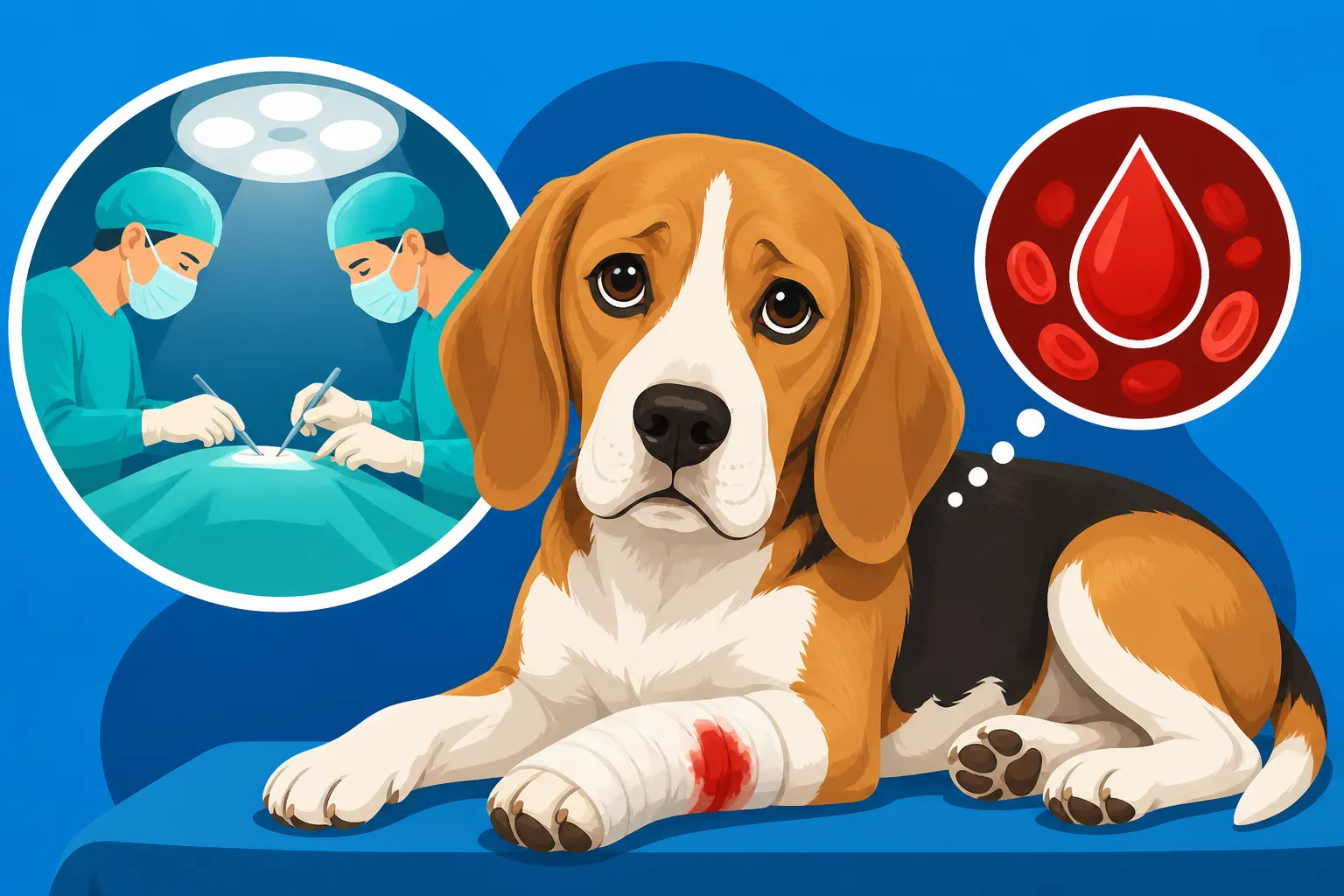
Why a Factor VII Beagle Bleeds After Routine Surgery
It's terrifying to think about your beloved Beagle going in for a routine procedure – maybe a spay or neuter, or perhaps a much-needed dental cleaning – only for the veterinarian to call with alarming news: your dog is bleeding excessively, and they can't quite get it to stop. This isn't just a nightmare scenario for many Beagle parents; for those with a Beagle affected by Factor VII deficiency, it can be a devastating reality. This guide will walk you through understanding this inherited bleeding disorder, how it impacts your furry friend, and what steps you can take to manage it and ensure your Beagle lives a full, happy life.
Understanding Factor VII Deficiency in Beagles
When we talk about Factor VII deficiency, we're delving into the intricate world of canine blood clotting. Most of us don't think about it until there's a problem, but blood clotting is a complex, finely tuned process involving many different proteins, called clotting factors, that work together like a delicate cascade. If even one of these factors is missing or not working correctly, the whole system can falter, leading to prolonged or excessive bleeding.
What is Factor VII and Why It Matters
Factor VII is one of these crucial proteins, specifically a vitamin K-dependent coagulation factor, synthesized in the liver. Its job is foundational in initiating the "extrinsic" pathway of coagulation, which is the fast-acting first response to blood vessel injury. Think of it as the starting pistol in a race to form a clot. When a blood vessel is damaged, Factor VII quickly binds with another protein (tissue factor) to activate other clotting factors, ultimately leading to the formation of a stable fibrin clot that plugs the wound and stops the bleeding.
In Beagles, Factor VII deficiency means there isn't enough functional Factor VII circulating in their blood. This isn't a deficiency in the sense of a nutritional lack; it's a genetic disorder, meaning Beagles are born with it, inheriting the faulty gene from their parents. Because this factor is essential for that initial, rapid clot formation, Beagles with this condition might not clot effectively, particularly in situations where quick hemostasis (stopping bleeding) is vital. It’s not about their blood being "thin," but rather the essential components needed to solidify it when necessary are lacking. This genetic predisposition means that if your Beagle is affected, it's something they'll live with their whole life, so understanding it is key to proactive care.
The Genetic Predisposition in Beagles
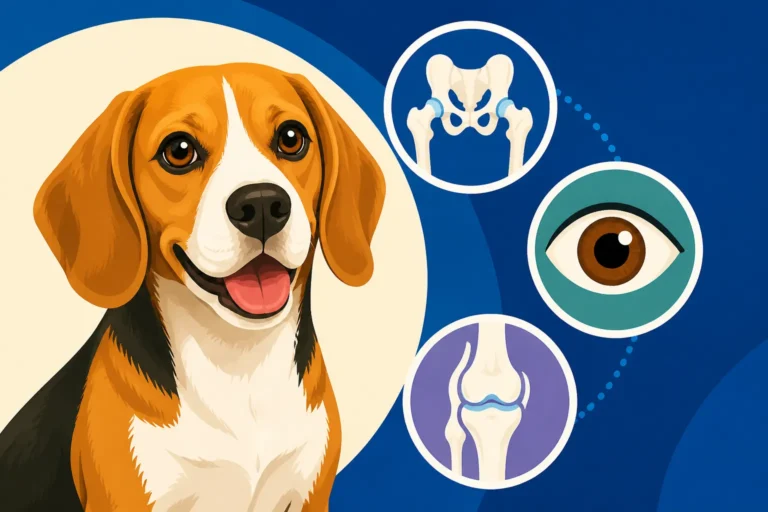
It's a disheartening truth that Beagles are one of the breeds specifically identified as being susceptible to Factor VII deficiency. This isn't just random bad luck; it's rooted in their genetic history. The condition is inherited in an autosomal recessive manner, which sounds complicated, but essentially means a Beagle must inherit two copies of the faulty gene (one from each parent) to actually develop the disease and show symptoms. If a Beagle inherits only one copy of the faulty gene, it's considered a "carrier." Carriers usually don't show any signs of the deficiency themselves because they have one working copy of the gene, but they can pass the faulty gene on to their offspring.
This genetic lineage means that responsible breeders often perform Beagle Health Testing Under CHIC to screen for such conditions, including Factor VII deficiency. Knowing the genetic status of breeding dogs is crucial to prevent passing this debilitating condition down to future generations of puppies. For pet owners, understanding this genetic link can help explain why their otherwise healthy Beagle might suddenly encounter a serious bleeding issue after what should have been a routine surgery. It highlights the importance of open communication with your breeder and veterinarian about any known genetic predispositions in the breed.
Signs and Symptoms of Factor VII Deficiency
Unlike some more dramatic bleeding disorders, Factor VII deficiency in Beagles often doesn't present with obvious, spontaneous bleeding. This can make it a silent threat, lurking beneath the surface until a surgical procedure or significant trauma brings it to light. It's the unexpected, prolonged bleeding after what should be a minor event that typically raises the red flag.
Subtle Bleeding Issues Before Surgery
In many cases, a Factor VII deficient Beagle might live for years without any noticeable issues. Owners might occasionally observe a minor symptom, but often dismiss it without realizing the underlying cause. For instance, a small cut from rough play or a broken nail might bleed a bit longer than expected. Perhaps you've noticed your Beagle gets Beagle Puppy Nipping and Where It Comes From and leaves tiny puncture wounds that seem to take ages to stop oozing. These minor, prolonged bleeds are a subtle hint that something might be amiss with their clotting cascade.
You might also notice unusually large or persistent bruises from what seems like minor bumps or roughhousing. A healthy dog's body is very efficient at stopping internal bleeding, but for a Beagle with this deficiency, even a small bruise can indicate a more significant internal bleed that's taking too long to resolve. These subtle signs are easy to overlook, especially if your Beagle is generally robust and active. This is precisely why awareness of breed-specific genetic conditions like Factor VII deficiency is so important – it equips you to connect these small dots when they appear.
The Critical Bleeding Risk During Routine Procedures
The real danger zone for a Factor VII deficient Beagle often comes with routine, elective surgeries. Procedures like Spay and Neuter Timing for a Beagle or a dental cleaning to address Beagle Dental Disease and Tartar Buildup involve incisions and extractions that cause controlled bleeding. In a dog with normal clotting factors, this bleeding is quickly managed by the body or with surgical intervention. However, for a Beagle lacking sufficient Factor VII, that initial hemostasis can be severely impaired.
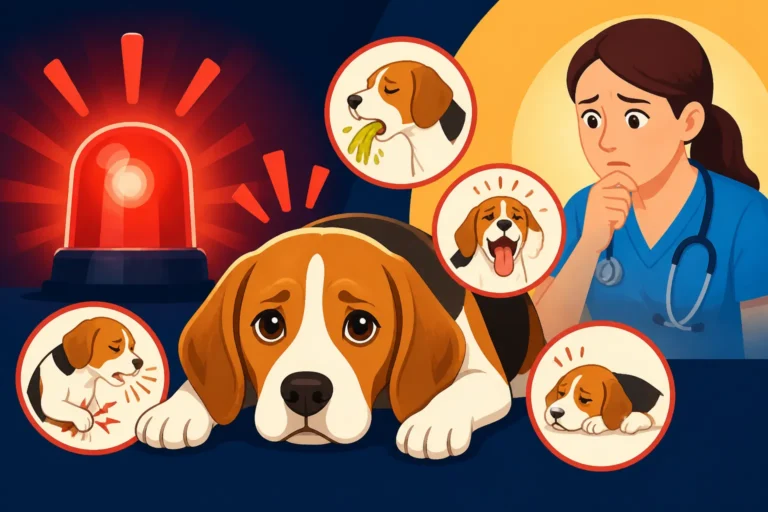
Imagine your vet performing a simple tooth extraction. They expect a small amount of bleeding that clots within minutes. For a Factor VII deficient Beagle, that bleeding might continue, slowly but steadily, for much longer than anticipated. This is not only stressful for the veterinary team but can also lead to significant blood loss for your dog, potentially requiring emergency intervention like transfusions. This is the moment when many owners first learn about their Beagle's underlying genetic condition, often in a high-stakes, anxious situation. The frustration of such an unexpected complication during a planned, common procedure is immense, and it highlights the hidden risks these dogs face.
Diagnosing and Managing Factor VII Deficiency
Getting a diagnosis for Factor VII deficiency can feel like a curveball, especially when it comes unexpectedly during a routine vet visit. But once you have that information, you're empowered to take proactive steps to manage your Beagle's health. Early diagnosis is key to preventing serious complications down the line.
How Factor VII Deficiency is Diagnosed
The diagnostic process typically begins when a veterinarian suspects a clotting issue, often after observing prolonged bleeding. The first step usually involves a series of general coagulation tests.
Here’s a look at the common tests:
| Test Name | What It Measures | What a Normal Result Indicates | What a Factor VII Deficient Result Shows |
|---|---|---|---|
| Prothrombin Time (PT) | Measures the extrinsic and common coagulation pathways. | Within reference range | Prolonged (much longer time to clot) |
| Activated Partial Thromboplastin Time (aPTT) | Measures the intrinsic and common coagulation pathways. | Within reference range | Normal (not affected by FVII deficiency) |
| Buccal Mucosal Bleeding Time (BMBT) | Assesses platelet function and the initial vascular phase of clotting. | Within reference range | Normal to slightly prolonged |
| Factor VII Assay | Directly measures the activity level of Factor VII. | Normal activity (70-120%) | Significantly reduced activity (<10%) |
The prothrombin time (PT) test is the most indicative initial screening test for Factor VII deficiency, as Factor VII is a key component of the extrinsic pathway. If the PT is prolonged but the activated partial thromboplastin time (aPTT) is normal, it strongly points towards a Factor VII issue. A definitive diagnosis is then made by a specific Factor VII coagulation assay, which measures the actual amount of functional Factor VII in your Beagle's blood. Genetic testing can also confirm the presence of the specific mutation responsible for the deficiency, which is particularly useful for breeders to identify carriers.
These tests, especially the specialized Factor VII assay, might require sending blood samples to a specialized veterinary laboratory. It can be a tense waiting period, but getting a clear diagnosis is invaluable for your Beagle's long-term care plan.
Proactive Management Before Any Procedure
Once your Beagle is diagnosed with Factor VII deficiency, managing their health shifts to a highly proactive approach. This doesn't mean living in fear, but rather being meticulously prepared for any situation that might involve bleeding. The absolute most crucial step is to inform every veterinarian, veterinary specialist, or emergency clinic that treats your Beagle about their condition. This includes providing them with the exact diagnosis and any previous records.
Before any elective surgery, even minor ones, a consultation with a veterinary internal medicine specialist or a veterinary hematologist is highly recommended. They can help devise a specific anesthetic and surgical plan tailored to minimize bleeding risks. This plan might involve prophylactic measures, such as administering fresh frozen plasma (FFP) or cryoprecipitate just before or during surgery. These blood products contain active clotting factors, including Factor VII, which can temporarily boost your Beagle's clotting ability and reduce the risk of excessive bleeding.
Additionally, your vet might advise using certain medications or supplements leading up to surgery. It's also important to consider the financial implications of managing such a condition. Unexpected complications can lead to high bills, which is where a robust pet insurance plan like one from Healthy Paws can be incredibly helpful. Getting insurance before a diagnosis means you're more likely to have coverage for these specialized treatments and ongoing care. Don't be shy about discussing these options with your veterinary team and your insurance provider.
Living with a Factor VII Deficient Beagle
Life with a Beagle who has Factor VII deficiency requires a bit more vigilance, but it's entirely possible for them to live a full and happy life. The goal is to minimize risks while maximizing their quality of life. For instance, while vigorous play is part of being a Beagle, you might need to supervise it more closely to prevent serious injuries. The Activities That Twist a Beagle Spine or lead to falls should be approached with caution.
Daily care involves being mindful of potential for injury. When it comes to nail trims, for example, be extra careful not to cut into the quick, as even minor bleeding can be difficult to stop. Always have styptic powder or a similar product on hand. If your Beagle is prone to chewing, choose appropriate chew toys that won't splinter or cause oral lacerations. For walks, using a Why a Harness Protects a Beagle's Neck rather than a collar can prevent neck injuries that might lead to internal bleeding.
It's also essential to educate anyone who cares for your Beagle – pet sitters, family members, or dog walkers – about their condition and what to do in case of an emergency. Always keep an emergency contact card with your dog's information, including their Factor VII deficiency status. Should a serious injury or unexpected bleeding occur, knowing when Beagle Emergency Signs That Cannot Wait Until Morning means rushing to the vet is crucial. While it adds an extra layer of responsibility, the joy and companionship your Beagle brings are undoubtedly worth the effort. Consider that having pet insurance, such as through Healthy Paws, can also provide peace of mind for those unforeseen emergencies and specialized care, helping you focus on your Beagle's well-being rather than mounting medical bills.
Future Outlook and Genetic Considerations
Understanding Factor VII deficiency extends beyond your current Beagle; it also touches upon the future of the breed and responsible pet ownership. Advances in veterinary medicine and genetic testing continue to improve the outlook for dogs with inherited conditions.
Prognosis and Long-Term Care
The prognosis for Beagles diagnosed with Factor VII deficiency is generally good, provided the condition is recognized and properly managed. Many affected Beagles can live a normal lifespan without significant issues, especially if they avoid major trauma or surgical procedures where the deficiency hasn't been addressed. The key is awareness and proactive care. Regular veterinary check-ups are always important, but for a Factor VII deficient Beagle, they become even more critical to monitor overall health and catch any subtle changes early.
Long-term care often involves maintaining open communication with your vet, ensuring they are always aware of your Beagle's clotting disorder. This might include more frequent blood work to monitor clotting parameters if your dog experiences any symptoms or is on medications that could affect clotting. Staying up-to-date on research and advancements in managing bleeding disorders is also beneficial. Your Beagle may also have other health concerns, such as Beagle Heart Disease and Murmurs or Beagle Hypothyroidism and the Weight It Puts On, and these will need to be managed in conjunction with their Factor VII deficiency, requiring careful consideration of medications and potential interactions. The more informed you are, the better advocate you can be for your furry companion.
Responsible Breeding and Genetic Testing
For breeders, Factor VII deficiency is a serious consideration. Because it's an inherited condition, responsible breeding practices are essential to reduce its prevalence. Genetic tests are readily available to identify Beagles who are carriers (heterozygous) or affected (homozygous) for the Factor VII deficiency gene. This allows breeders to make informed decisions about mating pairs to avoid producing affected puppies.
Ideally, only Beagles who are clear of the mutation (or at least one parent is clear) should be bred. If a breeder finds that a potential breeding dog is a carrier, they can still breed that dog responsibly by mating it only with a dog that is certified clear of the gene. This ensures that no puppies produced will be affected by the disease, though some may still be carriers. Over time, through diligent genetic screening and selective breeding, the incidence of Factor VII deficiency in the Beagle population can be significantly reduced. As a prospective puppy owner, always ask about What to Ask a Beagle Breeder About Genetics and specifically inquire about Factor VII testing results for both parents. This due diligence not only protects your future puppy but supports the health of the entire breed. It's part of ensuring Beagle Health Testing Under CHIC is widely adopted and respected.
Disclaimer
The information provided in this guide is intended for educational purposes only and should not be considered a substitute for professional veterinary advice. Always consult with a qualified veterinarian for any health concerns or before making any decisions about your Beagle's care or treatment plan.