Beagle Puppy Nipping and Where It Comes From
There's nothing quite like the joy of bringing home a bouncy Beagle puppy, but that sheer delight can quickly turn to dismay when those adorable little needle-sharp teeth start making contact with your hands, ankles, and anything else they can reach. It's a frustrating, sometimes painful, experience that leaves many new Beagle parents wondering if they've made a terrible mistake. This guide is here to walk you through the natural reasons behind this puppy behavior and equip you with practical, empathetic strategies to gently teach your little land shark appropriate bite inhibition, turning those nips into sweet nudges.
Why Beagle Puppies Nip
Understanding why your Beagle puppy is nipping is the first crucial step in addressing the behavior. It's rarely out of malice or aggression; rather, it's a completely normal, instinctual part of their development, even if it feels anything but normal to your sore skin.
Natural Development Stage
Puppies explore the world with their mouths, much like human toddlers use their hands. For a Beagle puppy, their mouth is their primary tool for gathering information about textures, temperatures, and boundaries. When they mouth or nip at you, they're not necessarily trying to hurt you; they're investigating. Think of it as their way of saying, "What is this? How does it feel? What happens if I put my mouth on it?" This exploration is vital for their cognitive development and helps them understand their environment.
In a litter environment, puppies learn about bite pressure from their siblings. When one puppy bites another too hard, the bitten puppy will yelp, pull away, and often stop playing. This immediate feedback is how they naturally develop bite inhibition – the understanding of how much pressure they can exert without causing pain. If a puppy is removed from its litter too early, or doesn't have sufficient interaction with littermates, they might miss out on these crucial early lessons, leaving you, the human, to fill that educational gap. It’s a big responsibility, but one you can absolutely manage with consistency.
Teething Pain and Relief
Just like human babies, Beagle puppies go through a teething phase, and it's no fun for them! Their baby teeth start coming in around two to four weeks, and then those sharp little puppy teeth begin to fall out to make way for their permanent adult teeth, usually starting around three to four months of age and continuing until about six months. During this time, their gums can be sore, itchy, and uncomfortable. Nipping and chewing on everything in sight, including your fingers, is their way of trying to relieve that discomfort. The pressure on their gums feels good, much like a baby uses a teething ring.
Providing appropriate chew toys is absolutely essential during this stage. If you don't give them acceptable outlets for chewing, they will find their own, and often that means your furniture, shoes, or hands. Look for durable, puppy-safe chew toys that can withstand their sharp teeth and offer varying textures. Some owners find that frozen KONGs filled with peanut butter or plain yogurt, or even just a frozen damp washcloth, can provide soothing relief for sore gums. This helps redirect that natural urge from your skin to something far more appropriate. You might also find particular success with dental chews designed for puppies, though always supervise to prevent choking hazards. Beagle Puppy Teething and Hard Mouthing is a great resource if you're battling those painful puppy nips.
Seeking Attention or Play
Beagles are intelligent, active dogs, and sometimes their nipping is simply an attempt to engage you in play or to get your attention. If your puppy nips you, and you respond by pushing them away, yelping, or even just talking to them, they've successfully achieved their goal: they got your attention. Even negative attention is attention, and for a bored or lonely puppy, it can be a rewarding outcome. They quickly learn that "nipping = interaction," reinforcing the behavior you're trying to extinguish.
This is especially true for Beagles, who thrive on interaction and can be quite demanding when they want something. They might nip your ankles as you walk by, or mouth your hands while you're trying to relax on the couch. It's their way of initiating a game, or perhaps telling you they need to go outside, or that their water bowl is empty. The challenge is to teach them that nipping is not how they get your attention, and that calm, appropriate behavior does. Learning to read your puppy's cues and providing ample mental and physical exercise are key to preventing this type of attention-seeking nipping.
Understanding Bite Inhibition
Teaching your Beagle puppy bite inhibition is one of the most critical lessons you can impart. It's not about stopping them from ever putting their mouth on you; it's about teaching them how gently they can do so. This skill is vital for preventing accidental bites later in life, especially if they are ever startled or in pain.
The Littermate Effect
As mentioned earlier, puppies learn crucial bite inhibition from their littermates. When playing, if one puppy bites another too hard, the bitten puppy will typically yelp loudly, and often disengage from play. This interruption teaches the nipper that "ouch, that hurt, and now the fun has stopped." If the nipper doesn't lighten their bite, they'll find themselves playing alone. This natural consequence is a powerful teacher in the dog world.
The goal when you're teaching bite inhibition is to replicate this natural learning process. You become the stand-in for the littermate who yelps and stops play. This means being consistent and clear in your communication, helping your puppy understand the cause-and-effect relationship between their bite pressure and the continuation of playtime. Without this crucial lesson, a dog might not understand the power of its jaws, which could lead to more serious accidental injuries if they ever bite in fear or defense as an adult.
Human Skin is Different
Here's where the comparison to littermates gets tricky: human skin is far more sensitive and fragile than a puppy's tough fur and skin. What might be a "light" nip to a puppy's sibling could be a painful pinch or even break the skin for a human. This means you need to be even more vigilant and start teaching appropriate pressure sooner and more consistently than their littermates might have. You're teaching them that while it might be okay to mouth their furry friends with a certain pressure, human skin requires a feather-light touch, or ideally, no mouthing at all.
This distinction is crucial for their safety and yours. A dog that has excellent bite inhibition is much safer to have around, particularly children or elderly family members who might have more delicate skin. It’s about building a foundation of trust and understanding, ensuring that even in moments of excitement or stress, your Beagle knows to be gentle with people. This can take time and patience, but it’s a lesson well worth investing in for the lifetime of your relationship.
The "Ouch!" Method
This is a classic technique that mimics the littermate interaction. When your Beagle puppy nips too hard, immediately let out a high-pitched "Ouch!" or "Yelp!" – something that sounds like another puppy in distress. The key is to make it sound genuine, not angry or harsh. As soon as you yelp, quickly withdraw your hand or body part from their reach and disengage from play for a few seconds. Turn your back, cross your arms, or even step out of the room if they don't get the message.
The idea is to teach them that hard bites lead to the immediate cessation of all fun and attention. After a few seconds, you can re-engage with your puppy. If they nip hard again, repeat the "Ouch!" and disengage. If they offer a softer mouth, praise them and continue playing. Over time, you'll want to gradually decrease the acceptable pressure until any mouthing on human skin results in the "Ouch!" and disengagement. This consistent, immediate feedback is what helps them understand the boundary. Many puppy training classes, like those from BAXTER & Bella, will emphasize these types of consistent, positive reinforcement methods.
Practical Strategies for Stopping Nipping
Once you understand the 'why' behind the nipping, you can implement effective strategies to curb it. Consistency is truly the name of the game here. Every family member needs to be on the same page for these methods to work.
Redirecting to Appropriate Chew Toys
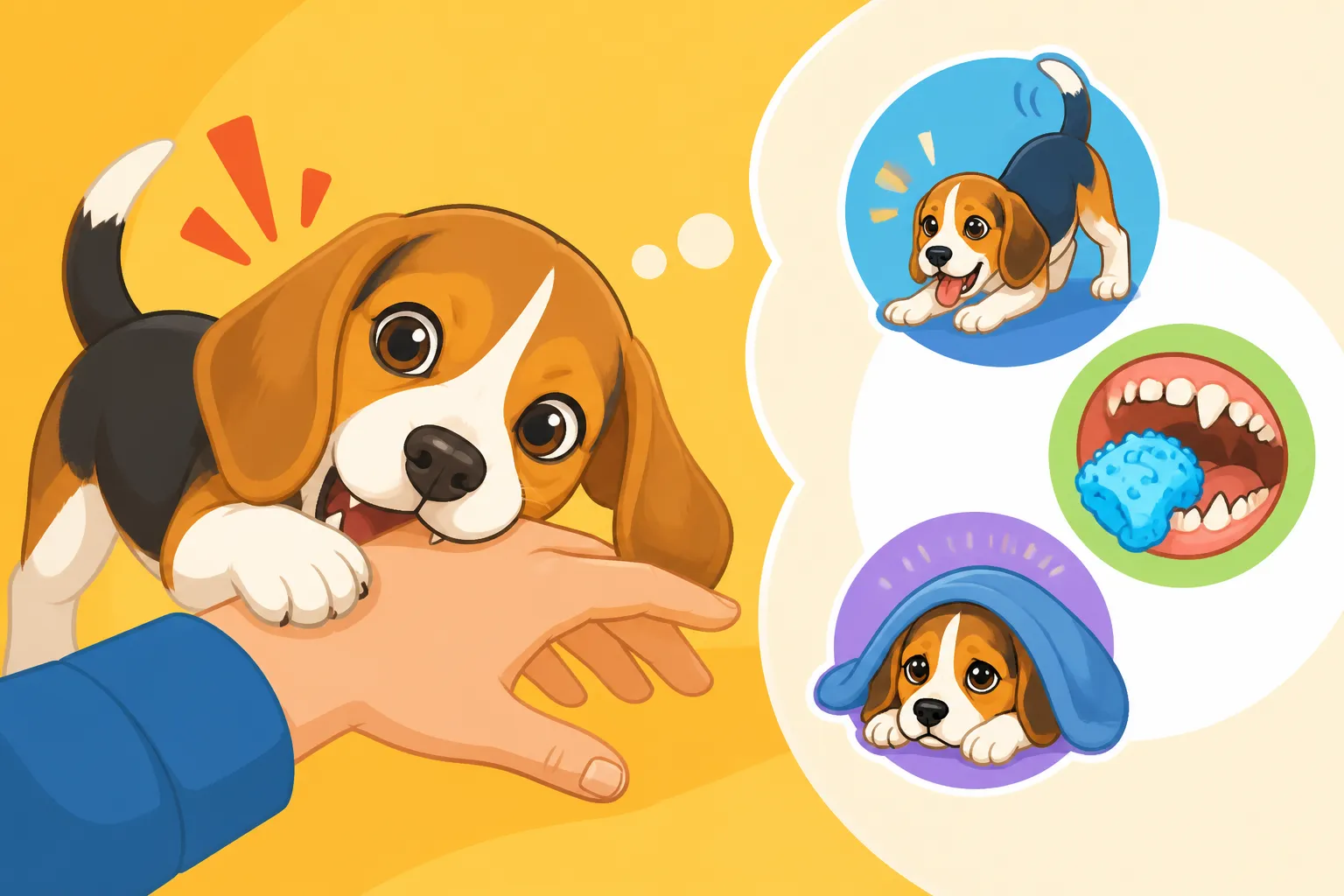
This is one of the most effective and positive ways to manage puppy nipping. When your Beagle puppy starts to mouth or nip at you, immediately offer them an appropriate chew toy. Keep a variety of toys readily available in every room your puppy spends time in. The moment those teeth come near your skin, insert a toy into their mouth. This teaches them, "Not my hand, this toy instead!" Praise them enthusiastically when they take the toy and start chewing on it.
The type of chew toy matters. Look for different textures and durability. Some Beagles love soft, plush toys, while others prefer harder rubber toys that offer more resistance for their teething gums. Investing in a variety of high-quality, puppy-safe chew toys from retailers like Amazon can make a huge difference. You'll want toys that can withstand rigorous chewing and redirect that instinct away from your skin. Beagle Chewing Through Everything provides excellent recommendations for suitable chews that can stand up to a Beagle's determination.
Reverse Time-Outs
The "Ouch!" method works well for initial bite inhibition, but sometimes puppies are so overstimulated or persistent that they just don't get the message. That's when a reverse time-out comes in handy. Instead of putting the puppy in time-out (which can sometimes be misunderstood as punishment), you remove yourself from the situation.
Here's how it works: the moment your puppy's teeth touch your skin, even gently, let out your "Ouch!" or "Yelp!" and immediately get up and walk away. Go into another room, close the door behind you, and wait for 10-20 seconds. This is just long enough for your puppy to realize that their nipping directly causes you to disappear and all the fun to stop. When you come back, if they nip again, repeat the process. If they are calm, reward them with praise or gentle play. The key is consistency: every time they nip you, the fun stops and you leave. This teaches them that calm, gentle interaction keeps you engaged, while nipping makes you vanish.
Consistent Communication
Consistency is paramount. Every person in the household needs to respond to nipping in the exact same way. If one person allows the puppy to nip playfully, while another uses the "Ouch!" and time-out method, the puppy will become confused and the training will be much less effective. It's like trying to learn a language when everyone is speaking different dialects – it's tough to make progress!
Before bringing your puppy home, or as soon as you identify nipping as a problem, have a family meeting. Decide on the exact cues ("Ouch!", "No bite"), redirection methods, and time-out protocols everyone will use. This consistent front ensures your Beagle puppy receives clear, unambiguous feedback every single time. This unified approach sends a powerful message to your puppy, helping them learn faster and more effectively. Remember that Beagles are smart and will quickly pick up on any inconsistencies, so a clear, united front is your best tool for success.
Common Mistakes to Avoid
Even with the best intentions, it's easy to fall into common traps when dealing with puppy nipping. Avoiding these pitfalls can save you a lot of frustration and help your Beagle learn faster.
Physical Punishment
It can be incredibly tempting to react with frustration when a puppy's sharp teeth sink into your skin, but physical punishment (like tapping their nose, swatting them, or holding their mouth shut) is never the answer. This approach can have several detrimental effects. Firstly, it can teach your puppy to fear your hands, making them wary of even gentle petting and potentially leading to a lack of trust. Beagles, in particular, are sensitive souls behind that boisterous exterior, and harsh treatment can really undermine their confidence.
Secondly, punishment can actually escalate the nipping. A puppy might nip harder or more aggressively out of fear or defense, feeling like they need to protect themselves. Instead of learning to be gentle, they learn that human hands can be scary, leading to bigger behavioral issues down the line. We want to teach them control and gentleness, not fear. Focus on positive reinforcement and redirection, which builds a strong bond and a confident, well-behaved dog.
Letting It Slide
On the opposite end of the spectrum, ignoring persistent nipping or hoping they'll "grow out of it" is also a mistake. While some puppies naturally become gentler as they mature, relying on this can leave you with an adolescent or adult Beagle who still uses their mouth inappropriately. What might be mildly annoying from a small puppy can become a serious problem and even lead to injury when an adult dog with a stronger jaw and larger teeth nips.
Every time you allow nipping to happen without a clear, consistent response, you're inadvertently telling your puppy that the behavior is acceptable. This makes it much harder to retrain later on. It's much easier to shape appropriate behavior from the beginning than to correct an ingrained habit. Be vigilant and consistent, even when you're tired or busy. This early training sets the stage for a lifetime of good manners.
Inconsistent Responses
As we've discussed, consistency is absolutely vital. Imagine trying to learn a game where the rules keep changing. One day, biting is met with a yelp; the next, it's ignored; the day after, it results in a firm "no." Your poor Beagle puppy won't know what to do! This inconsistency creates confusion and slows down the learning process significantly. Puppies thrive on predictability and clear boundaries.
Ensure that everyone in the household, from adults to older children, understands and consistently applies the agreed-upon nipping protocols. This includes guests who interact with the puppy. If your puppy is allowed to mouth someone's hand one day but not the next, they won't understand what you want from them. Take the time to explain the methods to anyone who interacts with your puppy regularly. A united front will accelerate your puppy's understanding and help them learn faster, leading to a much calmer and more enjoyable home environment for everyone.
When Nipping Becomes a Bigger Problem
While most puppy nipping is normal and can be managed with consistent training, there are times when it can signal something more serious. It's important to recognize these signs so you can seek professional help if needed.
Growling and Snapping
Normal puppy nipping typically involves playful nips and mouthing, often without true aggression. However, if your Beagle puppy starts to growl or snap during nipping episodes, it's a red flag. A growl is a warning, and a snap (even without making contact) indicates a higher level of discomfort or aggression. This isn't just playful exploration anymore; it could be a sign that your puppy is genuinely feeling threatened, is resource guarding, or is showing early signs of fear-based aggression.
It's crucial not to punish growling or snapping, as this can suppress the warning signs, leading a dog to bite without a preceding growl. Instead, it's time to seek guidance from a certified professional dog trainer or a veterinary behaviorist. They can help identify the root cause of the behavior and develop a safe, effective plan to address it using positive reinforcement techniques. Early intervention is key to preventing these behaviors from escalating into more serious issues as your Beagle matures.
Resource Guarding
Resource guarding is when a dog becomes defensive over possessions like food, toys, or even a favorite sleeping spot, growling or snapping if someone approaches. If your Beagle puppy's nipping is exclusively or primarily happening when you try to take away a chew toy, their food bowl, or move them from a particular spot, it might be a sign of resource guarding. While some level of guarding is natural, excessive or aggressive guarding, especially in a young puppy, needs to be addressed immediately.
This behavior can be particularly dangerous, as it can lead to bites if ignored. Instead of confronting the puppy, work on positive association exercises. For example, when your puppy has a high-value chew, approach them and toss an even higher-value treat next to them, then walk away. This teaches them that your approach means good things happen, rather than something being taken away. If the guarding persists or is intense, consulting a professional trainer is highly recommended to safely and effectively modify this behavior.
Fear-Based Nipping
Sometimes, nipping can stem from fear or anxiety rather than playfulness or teething. A fearful puppy might nip or snap if they feel cornered, are startled, or are uncomfortable with certain handling, such as being picked up or having their paws touched. This often manifests as stiff body language, tucked tail, flattened ears, or attempts to retreat before the nip occurs. For a Beagle, who are generally outgoing, fear-based nipping can be particularly concerning.
Identifying fear-based nipping requires careful observation of your puppy's body language in various situations. If you suspect fear is at play, avoid pushing your puppy into situations that make them uncomfortable. Instead, work on building positive associations with those triggers from a distance they can tolerate. This might involve slow, gentle socialization, ensuring positive experiences, and avoiding any overwhelming situations. If you're struggling to understand your puppy's fear cues or if the nipping is severe, professional guidance from a veterinary behaviorist is invaluable to help your puppy gain confidence and reduce their fear. Socializing a Beagle Puppy for Pack Life offers great advice on creating positive interactions.
Long-Term Solutions for a Well-Adjusted Beagle
Stopping puppy nipping is a big step, but ensuring your Beagle grows into a well-adjusted, confident adult involves ongoing commitment to training, socialization, and thoughtful management.
Continued Socialization
Socialization isn't just for tiny puppies; it's a lifelong process, though the most critical window is before 16 weeks of age. For a Beagle, proper socialization means positive exposure to a wide variety of sights, sounds, people, other dogs, and environments in a way that builds confidence, not fear. Continuing to expose your Beagle to new, positive experiences as they grow will help prevent anxiety, fear, and reactivity, which can sometimes manifest as nipping or snapping in older dogs.
Enroll your Beagle in puppy classes, which often include supervised play sessions with other puppies. These are invaluable for reinforcing bite inhibition. Arrange playdates with calm, vaccinated adult dogs who can also teach your puppy appropriate canine social manners. Take them on outings to different parks, pet-friendly stores, or even just sit outside a coffee shop to let them observe the world calmly. Always ensure these experiences are positive and not overwhelming. A well-socialized Beagle is more confident, less likely to be fearful, and therefore less likely to resort to nipping out of anxiety. Beagle Puppy Sound Exposure Before Sixteen Weeks and Socializing a Beagle Puppy for Pack Life both underscore the importance of these early life experiences.
Advanced Training and Enrichment
A tired Beagle is often a good Beagle, but physical exercise isn't the only solution. Beagles are smart, scent-driven hounds that need mental stimulation just as much as they need to run. Continued training, beyond basic commands, provides this vital enrichment. Enroll in advanced obedience classes, try scent work, or even agility. These activities not only strengthen your bond but also give your Beagle a "job" to do, channeling their energy and intelligence into productive outlets rather than destructive behaviors like nipping.
Puzzle feeders are fantastic tools for Beagles, engaging their minds as they work for their food. Brands readily available on Amazon offer a wide range of these. Hiding treats around the house for them to sniff out, or playing "find it" games, taps into their natural scenting abilities and provides immense mental satisfaction. A Beagle whose mind is engaged is less likely to be bored and therefore less likely to resort to attention-seeking nipping or destructive chewing. Consider programs like BAXTER & Bella that offer online training resources to keep the learning going at home. Puzzle Feeders That Genuinely Slow a Beagle has some great ideas for keeping those brains busy.
Managing Environmental Triggers
Even with excellent training and socialization, it’s important to understand and manage any environmental triggers that might contribute to nipping. This means being observant of situations where your Beagle puppy tends to nip more. Is it when they're overtired? Overstimulated? When certain people approach them? Once you identify these triggers, you can proactively manage the environment to set your puppy up for success.
For example, if your puppy tends to get mouthy when they're overtired, ensure they get plenty of uninterrupted naps in their crate or a quiet space. If they nip when guests arrive, have a plan in place: perhaps they're crated with a special chew for the first 15 minutes of an arrival, or tethered on a long line with a redirection toy. Preventing the problem from happening in the first place is often easier than correcting it in the moment. This proactive approach helps your Beagle learn appropriate responses in challenging situations and reinforces that gentle behavior is always preferred.
| Nipping Cause | Puppy Behavior (Typical) | Human Response (Recommended) | Key Goal |
|---|---|---|---|
| Exploration/Play | Gentle mouthing, soft nips, playful body language | "Ouch!"/Yelp, redirect to toy, reverse time-out | Teach bite inhibition, appropriate chewing |
| Teething Pain | Gnawing, chewing, focused nipping | Offer frozen chews, teething toys, gentle massage of gums | Provide relief, redirect chewing urge |
| Attention-Seeking | Nipping at clothing/ankles, persistent mouthing | Ignore nipping (turn away), reward calm behavior, initiate play calmly | Teach appropriate ways to ask for attention |
| Overstimulation | Frenzied nipping, zoomies, difficulty settling | Initiate a calm reverse time-out, quiet space for a nap | Promote self-regulation, avoid over-arousal |
| Fear/Resource Guarding | Growling, snapping, stiff body, tucked tail (rare in young playful pups) | Immediately stop interaction, consult professional trainer/behaviorist | Address underlying fear/anxiety, prevent escalation |
Disclaimer
This article is for general informational purposes only and does not constitute professional advice. Laws, prices and regulations vary by location and change over time. Consult a qualified professional for guidance on your specific situation.