Beagle Adolescence and Sudden Selective Hearing
Oh, the joy of a Beagle puppy! All that boundless energy, the cute bumbling, and then… adolescence hits. Suddenly, that sweet, attentive pup who hung on your every word seems to develop a severe case of "selective hearing," especially when there's an interesting smell or another dog around. If you're tearing your hair out wondering where your well-behaved companion went, you're not alone. This guide is here to walk you through the tumultuous, yet totally normal, period of Beagle adolescence and give you practical strategies to navigate their newfound independence and bring back some of that reliable responsiveness.
Understanding Beagle Adolescence: More Than Just a Growth Spurt
It’s easy to think of adolescence in dogs as just a period of physical growth, but it’s so much more complex than that. For Beagles, a breed renowned for its powerful scent drive and independent nature, this phase can feel particularly pronounced, almost as if they've forgotten everything you ever taught them.
The Hormonal Rollercoaster and Its Impact
Just like human teenagers, adolescent Beagles are riding a wave of surging hormones. As they mature, typically between six months and two years of age, their bodies are undergoing significant changes. Males might start feeling the urge to mark territory more frequently and show increased interest in female dogs. Females, especially if unspayed, will experience their first heat cycles, which brings with it a whole new set of hormonal influences. These biological shifts aren't just internal; they profoundly affect behavior, sometimes making your Beagle seem restless, more easily distracted, or even a bit defiant.
This hormonal surge can make even the most food-motivated Beagle seem less interested in your high-value treats when the scent of a potential mate is wafting through the air. You might notice a perfectly housetrained dog suddenly having "accidents" if they feel a strong urge to mark their territory, especially when visiting new places. It’s not necessarily spite or a lack of understanding; it's often a primal biological response kicking into high gear, often overriding previously learned behaviors. Understanding this physiological basis can help you reframe what might feel like willful disobedience.
The Developing Brain of an Adolescent Beagle
Beyond hormones, your Beagle’s brain is still very much under construction during adolescence. The parts of the brain responsible for impulse control, decision-making, and understanding consequences are not yet fully developed. This means that while your Beagle might know the "sit" cue perfectly in your quiet living room, the moment you step outside into a bustling park, their brain struggles to filter out distractions and execute that same command. Their world is suddenly filled with novel stimuli that their maturing brain finds overwhelmingly fascinating.
Think of it like a human teenager who knows they shouldn't raid the cookie jar, but in the moment of craving, the prefrontal cortex (the "stop and think" part of the brain) isn't strong enough to override the impulse. For a Beagle, that "cookie jar" might be a tantalizing squirrel scent or the sight of another dog to play with. This isn't an excuse for bad behavior, but an explanation of why consistency and patience are so crucial during this time. They are truly learning how to regulate their own impulses and navigate a much bigger, more exciting world than they did as a tiny puppy.
Shifting Priorities: When Scent Trumps Your Voice
Beagles are scent hounds, pure and simple. They were bred for centuries to follow a trail, often for miles, with unwavering focus. As they transition into adolescence, their incredible nose, which contains Why a Beagle Nose Beats Ours Ten Thousand Times Over, comes into its full power. What might have been a minor distraction as a puppy now becomes an all-consuming mission. Suddenly, the faint scent of a rabbit from hours ago is far more compelling than your urgent call to "come!"
This isn't selective hearing in the sense that they're choosing to ignore you out of malice. It's that their breed-specific instincts are reaching their peak, and their priorities are shifting dramatically. Your voice, while important, often can't compete with the rich tapestry of smells the world offers. For a Beagle, sniffing is equivalent to reading a fascinating novel; it's deeply engaging and satisfying. You'll need to acknowledge and work with this innate drive, rather than fight against it, if you want to maintain a connection and reliable response. Allowing for Sniffing Walks and Why They Tire a Beagle Out can actually improve their responsiveness when it matters most.
The Reality of "Selective Hearing" in Adolescent Beagles
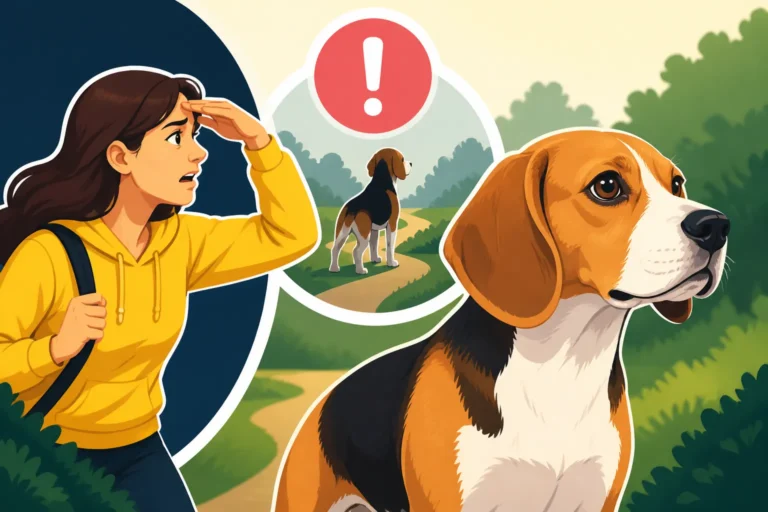
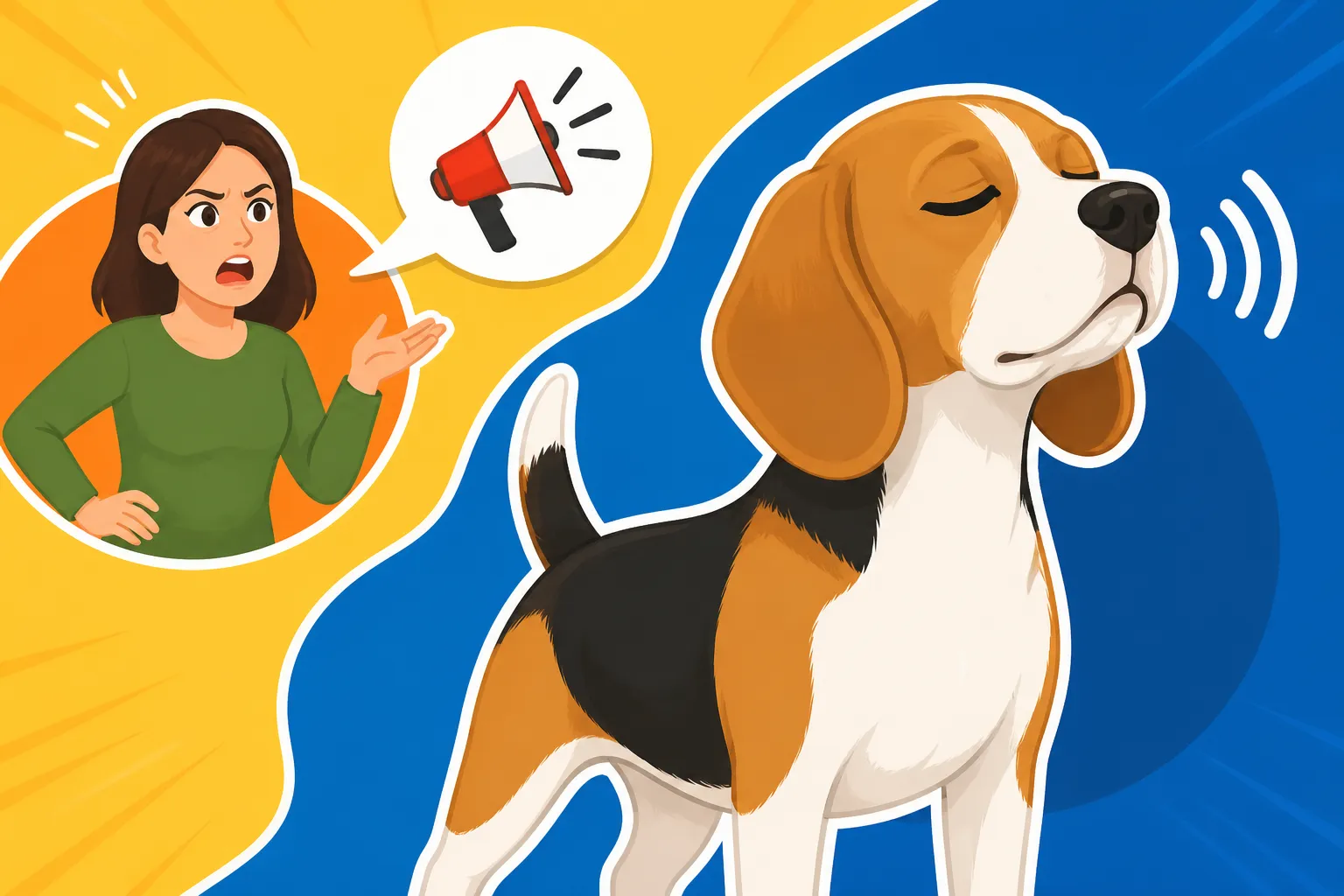
The phrase "selective hearing" is often thrown around with a chuckle, but for Beagle owners living through adolescence, it can be incredibly frustrating. One moment, your dog is by your side; the next, they're 50 yards away, nose to the ground, utterly oblivious to your increasingly desperate shouts.
Why Your Beagle Suddenly Ignores You
During puppyhood, your Beagle was likely very focused on you. You were the center of their universe, the provider of food, comfort, and entertainment. As they mature, their world expands. Other dogs become more interesting, the environment offers a myriad of exciting smells and sounds, and their innate curiosity urges them to explore. Your suddenly unresponsive Beagle isn't necessarily being stubborn; they're simply responding to these incredibly strong external motivators.
Their impulse control hasn't caught up with their curiosity. They might genuinely hear you, but the brain's ability to process "come" and stop what they're doing is still developing. It's like asking a child to put down their favorite toy immediately when they're deeply engrossed in play. They might acknowledge you, but the action of complying is a huge ask. For Beagles, the scent trail is their ultimate toy, and it's a powerful force pulling them away. This is why it's crucial to understand Beagle Recall That Works Before the Nose Wins before adolescence hits, but it's never too late to reinforce it.
The Drive to Explore and Independence
Beagles are bred to be independent thinkers. When tracking game, they need to be able to follow a scent without constant direction from a handler. This independent streak, while valuable in a hunting context, can be maddening in a suburban park. As adolescents, they feel a growing sense of confidence and a desire to venture further, testing boundaries and exploring their environment with gusto. What was once a quick sniff-and-return during puppyhood becomes a full-blown expedition, leaving you in the dust.
This drive for independence often manifests as pulling on the leash, wanting to forge ahead, or attempting to investigate every interesting smell, person, or object they encounter. They're not trying to be difficult; they're simply fulfilling their innate need to explore and gather information about their world through their nose. This is a critical time to employ tools like a Front-Clip Harnesses for a Beagle That Pulls Toward Scent to help manage their strength and focus on walks, rather than allowing them to drag you along.
When Good Habits Seem to Disappear Overnight
It's truly heartbreaking when your well-practiced "sit," "stay," or recall suddenly falls apart. You thought you had it all figured out, and now it feels like you're back to square one. This apparent regression is a common hallmark of adolescence across many breeds, but for Beagles, with their intense focus on scent, it can be particularly disheartening. The good news is that those skills aren't truly "gone"; they're just temporarily buried under a pile of adolescent hormones and environmental distractions.
The challenge now is that your Beagle's definition of "distraction" has expanded exponentially. What they could easily ignore as a puppy, they now find impossible to resist. This means you need to re-teach and reinforce those commands in increasingly distracting environments, gradually building their ability to focus on you even when the world is calling. Don't take it personally; your Beagle still loves you, but their brain is just a bit overwhelmed right now. Patience is paramount, and consistent, short, positive training sessions will yield much better results than frustration.
Strategies to Re-Engage Your Adolescent Beagle
Navigating Beagle adolescence requires a shift in your training approach. It’s less about teaching new commands and more about reinforcing existing ones under challenging circumstances, making yourself the most rewarding presence in their life.
Boosting Value: Making Yourself More Interesting Than the World
If you want your Beagle to pay attention to you when there are a million other things calling their name, you need to be the most exciting thing in the room (or field!). This means upping your treat game significantly. Forget the dry kibble; during adolescence, you'll need high-value, super-stinky treats like cooked chicken, cheese, or hot dogs cut into tiny pieces. These aren't just bribes; they are powerful motivators that communicate to your Beagle that listening to you yields incredible rewards.
Beyond treats, make training a game! Use playful tones, move around, and incorporate toys they love. Engage them in short bursts of fun obedience, then release them to sniff and explore. The goal is to create a positive association with interacting with you, so they want to check in. For instance, when practicing recall, don't just call them to you and then put them on the leash. Call them, reward them lavishly, play a quick game, and then release them to explore again. This teaches them that coming to you doesn't mean the fun stops; it means more fun (and delicious treats!) happens. Consider looking for high-value training treats on Amazon or through specialty pet retailers.
Rebuilding Recall from the Ground Up
Recall is arguably the most critical command for any dog, but especially for a Beagle, who can follow a scent for miles. If your Beagle's recall has gone downhill, it’s time to go back to basics, even if it feels like a step backward. Start in a very low-distraction environment, like your living room, and gradually increase the challenge. Use a long line – a training leash that can be anywhere from 15 to 50 feet – to give your Beagle freedom while ensuring their safety. The Long Line Length a Beagle Actually Needs can make a huge difference in how you practice.
Practice calling them, rewarding them enthusiastically when they come (even if you have to reel them in gently on the long line). Make it a party every single time they return to you. Avoid calling them only to do something they dislike, like going inside or ending playtime. Vary your tone, use excited language, and scatter a few treats on the ground when they reach you to make it even more rewarding. Remember, every time your Beagle ignores your recall and gets away with it, that behavior is reinforced. Consistency with the long line helps prevent this.
Consistent Training and Environment Management
Consistency is the bedrock of successful training, especially during adolescence. Everyone in the household needs to be on the same page with commands, expectations, and rewards. If one person lets the Beagle get away with ignoring a command, it undermines everyone else's efforts. Short, frequent training sessions (5-10 minutes, several times a day) are far more effective than one long, tedious session. Always end on a positive note.
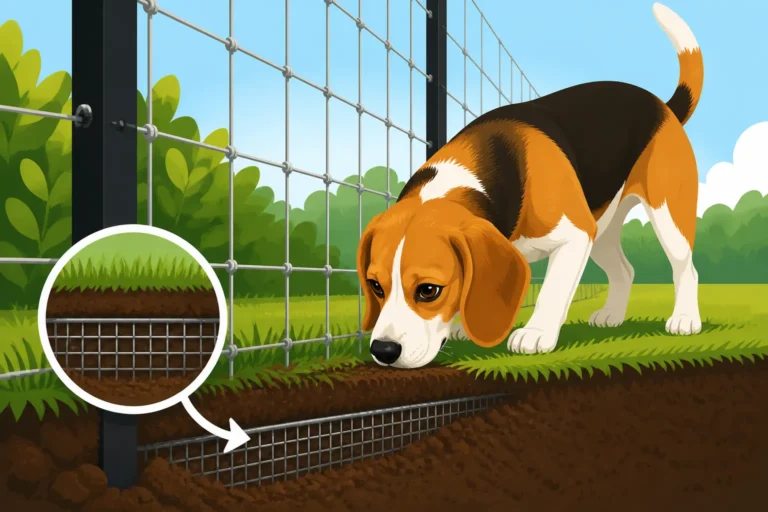
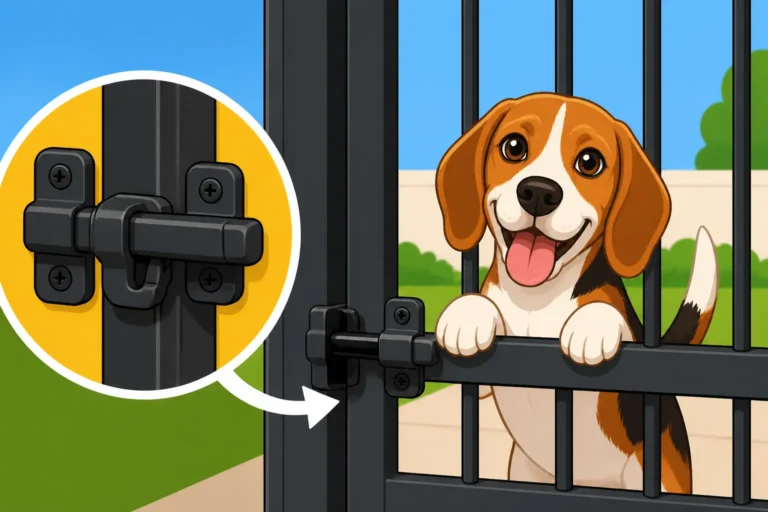
Environmental management is equally important. Until your Beagle's recall is rock-solid, never trust them off-leash in an unfenced area. This might mean investing in a secure fence, using a long line on walks, or opting for secure, private sniff spots. Puzzle toys and enrichment activities can help channel their strong scent drive and keep their minds engaged, reducing the likelihood of boredom-fueled mischief. A program like BAXTER & Bella can provide structured guidance for these consistent training efforts, offering resources for managing the challenges of adolescence. Remember, this phase won't last forever, and consistent, positive effort will pay off.
| Behavior Challenge During Adolescence | Why It Happens (Beagle Specific) | Training Adjustment / Strategy |
|---|---|---|
| Ignoring Recall | Heightened scent drive, developing impulse control, expanding world view | Rebuild in low-distraction areas, use long line, high-value treats, make coming back a "party" |
| Pulling on Leash | Strong drive to explore and follow scents, increased independence | Front-clip harness, practice loose-leash walking in quiet areas, reward consistent slack in leash |
| Counter Surfing / Stealing Food | Intense food drive, testing boundaries, developing dexterity | Strict "leave it" training, management (put things away), secure trash cans, don't leave food unattended |
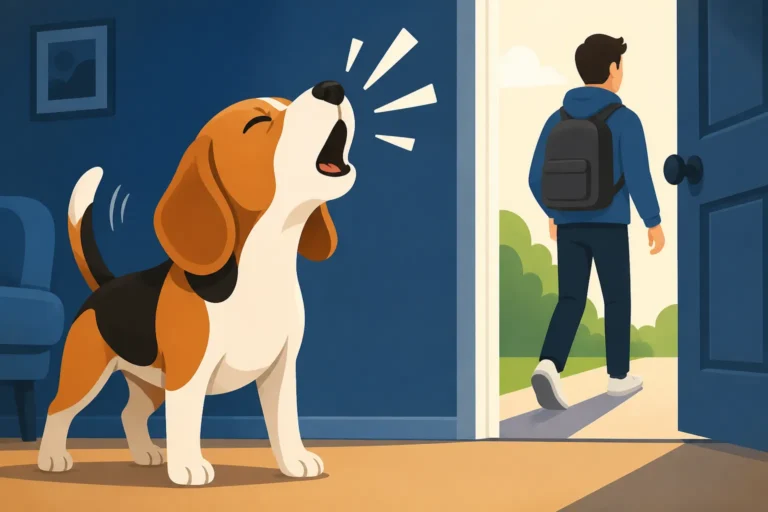
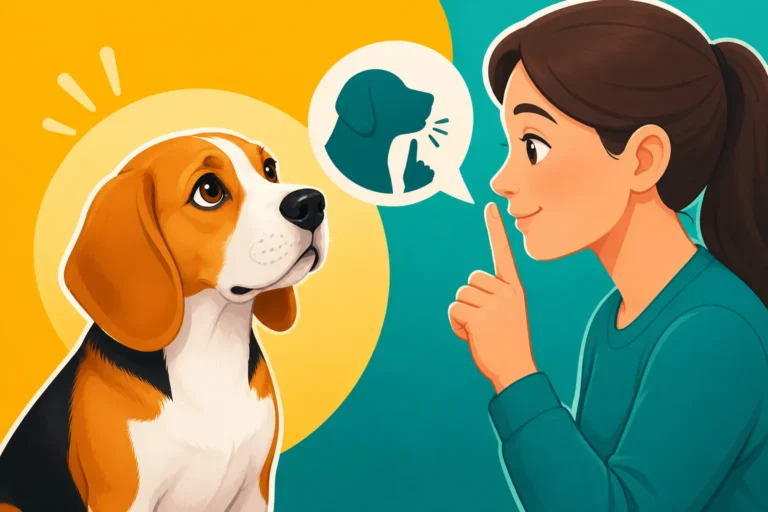
| Increased Barking/Baying | Hormonal changes, territorial instincts, newfound independence/anxiety | Identify triggers, positive reinforcement for quiet, management (visual barriers), mental enrichment |
| Destructive Chewing | Residual teething, exploring world with mouth, boredom, anxiety | Provide appropriate chew toys, rotate toys, increase mental and physical exercise, crate training |
Keeping Perspective and Staying Patient
It's easy to get discouraged when your once-obedient Beagle seems to have forgotten everything. But remember, adolescence is a challenging time for both of you, and a little empathy goes a long way.
It's a Phase, Not a Permanent Condition
This period of "selective hearing" and boundary-pushing is a completely normal, temporary developmental stage. It feels frustrating now, but with consistent effort, patience, and understanding, your Beagle will emerge from adolescence as a more mature, reliable companion. Think of it as a growth spurt, both physically and mentally. They're trying to figure out their place in the world, and sometimes that means making questionable decisions. Your job is to guide them through it with kindness and clear boundaries.
Focus on the small victories. Did they come when called once today in a slightly distracting environment? That's huge! Celebrate it. Did they walk nicely for a few minutes before pulling? Mark it as a success. Dwelling on every "failure" will only lead to burnout for you and potential confusion for your Beagle. This phase requires you to be your Beagle's consistent, patient, and understanding leader. Before you know it, you'll look back and realize how much progress you've both made.
Seeking Professional Guidance When Needed
Sometimes, despite your best efforts, things can feel overwhelming. If you're struggling to manage your adolescent Beagle's behaviors, or if you're concerned about sudden aggression, excessive anxiety, or truly disruptive behavior, don't hesitate to seek professional help. A certified professional dog trainer or a veterinary behaviorist can provide invaluable guidance, tailored strategies, and support. They can assess your specific situation and help you understand if there are underlying issues contributing to the behavioral challenges.
Many trainers specialize in adolescent dogs and understand the unique hurdles this age brings. They can offer insights into Private Trainer Rates for a Beagle or Group Obedience Class Prices for a Beagle which might be a good fit. Remember, asking for help isn't a sign of failure; it's a sign of a responsible pet owner committed to their dog's well-being. Early intervention can prevent minor issues from becoming major problems down the line, ensuring a happier relationship for both you and your Beagle.
Celebrating Small Victories (and Avoiding Frustration)
The journey through Beagle adolescence is a marathon, not a sprint. You'll have good days and challenging days. On the tough days, take a deep breath, and remember why you brought your Beagle into your life. Their goofy charm, their loving nature, and their incredible zest for life are all still there, even if they're currently overshadowed by a surge of adolescent energy. It's okay to feel frustrated, but try to channel that into problem-solving rather than anger.
End every training session, no matter how short, on a positive note. Focus on what your Beagle did right, not what they struggled with. Praise them generously, offer plenty of rewards, and engage in fun play. This positive reinforcement builds confidence and strengthens your bond. Your Beagle needs your leadership and understanding now more than ever. By celebrating the small wins, you'll maintain your motivation and show your Beagle that despite the bumps in the road, you're a team, and you'll get through this together.
Disclaimer
This article is for general informational purposes only and does not constitute professional advice. Laws, prices and regulations vary by location and change over time. Consult a qualified professional for guidance on your specific situation.