A Beagle That Howls the Second You Leave
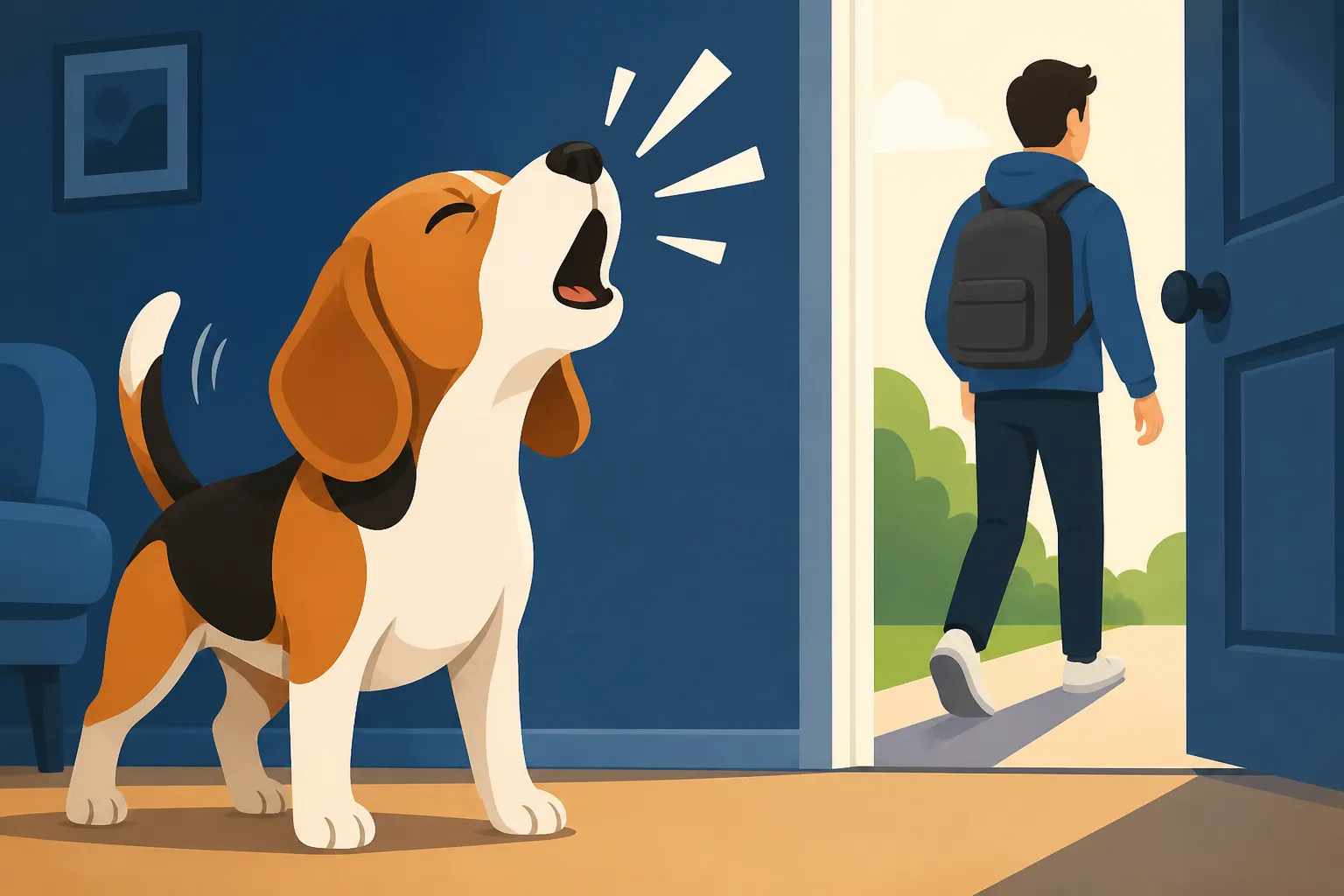
It's a familiar, gut-wrenching scenario for so many Beagle parents: you close the front door, the click of the latch echoing in the sudden silence, and before you've even made it to the end of the driveway, the mournful, unmistakable sound of your Beagle’s howl pierces the air. That heartbroken wail, often followed by a persistent baying, can quickly turn your quiet departure into an agonizing ritual, leaving you riddled with guilt and dread. This guide is here to walk you through why your beloved Beagle might be sounding the alarm the moment you leave, and, more importantly, what you can do to bring peace back to your home and your dog.
Understanding Why Your Beagle Howls When Alone
That piercing howl your Beagle lets out isn't just a random noise; it's a deeply ingrained form of communication, often rooted in their very nature. It can be a cry for connection, a protest, or even a symptom of underlying stress. Understanding the 'why' behind the vocalization is the first crucial step toward finding a lasting solution.
The Pack Animal Instinct
Beagles, by their very design, are pack animals. They were literally bred over centuries to live, hunt, and work in groups, relying on constant communication and companionship from their fellow hounds and human handlers. Their ancestors would use their distinctive bay and howl to communicate during a hunt, keeping track of each other across vast fields and dense forests. This isn't just a quaint historical fact; it's a fundamental aspect of their genetic makeup that profoundly influences their behavior even today in our homes.
When you leave your Beagle alone, especially if they haven't been gradually accustomed to it, their ancient instincts can kick in. They might perceive your departure not as a temporary absence, but as being separated from their pack, a situation that historically would have been dangerous or even life-threatening for a lone hound. This profound sense of being cut off, of suddenly being solitary when their entire being screams for company, can trigger that deeply ingrained vocalization. They're not being "naughty" or "spiteful"; they are quite literally calling out for their missing pack members. This instinctual drive for connection means that loneliness isn't just a feeling for a Beagle; it can be an existential threat that they react to with their most powerful vocal tool.
It's why you often hear about Beagles that do perfectly fine when another dog is present, even if that dog isn't particularly interactive. The mere presence of another canine satisfies that deep-seated pack requirement to some extent, even if it's not the human companion they're truly yearning for. It reminds us that our Beagles aren't just pets; they're living, breathing bundles of ancient instinct, and we need to respect and understand those instincts to help them thrive in our modern world. If you're struggling with a Beagle that absolutely cannot be left alone, you might want to read more about Beagle Separation Anxiety in a Pack Breed.
Distinguishing Howling from Other Vocalizations
Beagles are renowned for their impressive vocal range, often described as having three distinct sounds: a bark, a bay, and a howl. While they might all sound like "noise" when you're trying to leave the house, understanding the subtle differences can help you pinpoint the underlying cause of your Beagle's distress when left alone.
A bark is typically sharp, repetitive, and often used for alarm or attention-seeking when something is immediately present. Your Beagle might bark at a squirrel outside the window, at the mail carrier, or when they want you to throw their toy. While a Beagle left alone might bark out of frustration or boredom, it's usually not the primary sound associated with the immediate distress of your departure.
The bay is the classic "A-roooo!" sound, a prolonged, melodious, and often echoing vocalization that carries a long distance. This is the sound of the hunt, a way for Beagles to announce they're on a scent trail or to rally the pack. When left alone, a Beagle might engage in baying as a form of prolonged protest or an attempt to call you back. It's less panicked than a true howl, often has a more rhythmic quality, and can signify a strong desire for interaction or a feeling of being overlooked. It's their way of singing the blues, hoping you'll hear and return.
The howl, particularly the one associated with being left alone, is often more mournful, sustained, and carries an almost sad or desperate quality. It's less about alerting to a specific presence and more about expressing a deep-seated longing or distress. This is often the sound of true loneliness or anxiety, a primal cry for companionship that signifies "Where are you? I'm here, and I'm alone!" This type of howl can begin almost immediately after you leave, persist for minutes or even hours, and is often accompanied by other signs of distress, which we'll discuss next. For a deeper dive into their vocal talents, check out Beagle Howling, Baying and Barking Explained.
Separation Anxiety Versus Boredom
When your Beagle howls the second you leave, it's natural to wonder if it's a genuine cry of distress or just a bit of a dramatic performance. Differentiating between true separation anxiety and simple boredom or protest is crucial for implementing the correct intervention.
Boredom or Protest Howling: A Beagle that's howling out of boredom or protest might still be quite vocal, but their behavior often lacks the frantic, desperate edge of true anxiety. They might start howling a few minutes after you leave, often in response to external stimuli like other dogs barking, or simply because there's nothing else to do. This kind of howling is typically sustained but might stop if they find a new distraction or if they eventually tire themselves out. Other signs might include minor mischief, like getting into the trash (but not tearing apart the house), or just pacing aimlessly. They're basically saying, "Hey, this is boring! Come back and entertain me!"
Imagine a scenario where your Beagle, Barnaby, starts to howl within five minutes of you leaving. You check your pet camera (more on those later!), and you see him sitting by the door, howling periodically, then maybe looking at a toy, giving it a half-hearted nudge, and going back to the door to howl again. He might pick up a shoe, carry it around, but not destroy it. This type of behavior suggests he's bored and unhappy you're gone, but not necessarily in a state of panic. He wants your attention, but he's not terrified.
True Separation Anxiety: This is a much more serious and distressing condition for your Beagle, and for you. A Beagle suffering from true separation anxiety experiences intense panic and fear when left alone. The howling in this case is often immediate, frantic, and relentless. It's usually accompanied by a host of other concerning behaviors:
- Destructive Chewing: Not just casual nibbling, but tearing apart door frames, windowsills, furniture, or anything they can get their teeth on, often specifically around exit points.
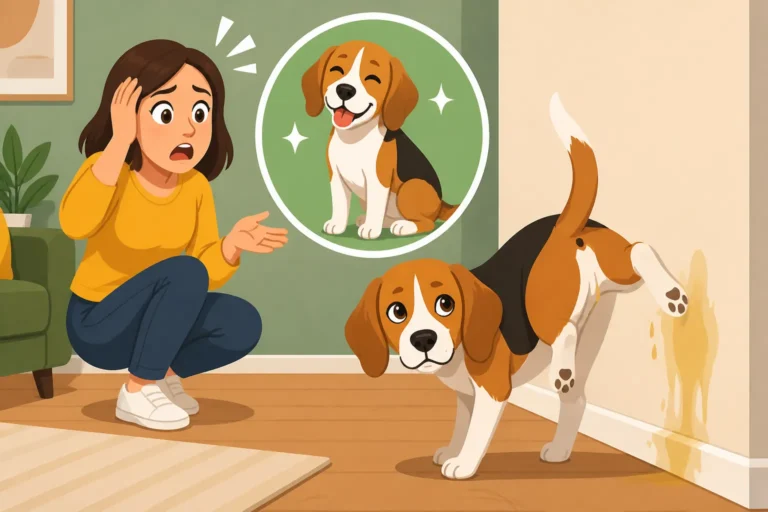
- Inappropriate Urination/Defecation: House-soiling, even in an otherwise perfectly house-trained Beagle, can be a symptom of extreme anxiety, not a lack of training or spite.
- Pacing and Panting: Excessive pacing, panting, drooling, and shaking, even in a cool environment.
- Escaping: Frantic attempts to escape their crate or the house, often leading to self-injury like broken nails, raw noses, or chipped teeth.
- Excessive Greeting: An unusually over-the-top, frantic greeting when you return, as if they haven't seen you in years.
Consider your Beagle, Daisy. The second you grab your keys, she starts to pant heavily and follow you with wide, fearful eyes. The moment the door closes, the camera shows her immediately starting to howl, a high-pitched, desperate sound. She then scratches relentlessly at the door, eventually tearing up the carpet. She might then pace in tight circles, panting so hard her entire body shakes, and even chew on her own paws until they are raw. When you return, she leaps at you, frantic, and takes several minutes to calm down. This is much more indicative of true separation anxiety. It's not just "The Howling That Means Beagle Separation Anxiety", but a full-blown panic attack.
Knowing the difference is vital because the solutions for boredom are different from those for severe anxiety. Boredom might be solved with more exercise and better enrichment, while separation anxiety often requires a multi-pronged approach, sometimes even including medication.
Strategies to Manage Howling When You Leave
Once you have a better idea of why your Beagle is howling when you're away, you can start to implement strategies to help them feel more comfortable and secure. This isn't a quick fix; it requires patience, consistency, and a deep understanding of your Beagle's needs.
Desensitization and Gradual Departures
For Beagles prone to howling upon your departure, particularly those with signs of mild to moderate separation anxiety, desensitization is a powerful tool. The goal is to gradually teach your Beagle that your departures are not something to panic about, and that you will always return. This means breaking down the act of leaving into tiny, non-threatening steps.
Start by making your pre-departure cues (grabbing keys, putting on your coat, picking up your bag) utterly meaningless. Do these actions repeatedly throughout the day without actually leaving. Grab your keys, walk to the door, open it, close it, and sit back down on the couch. Do this dozens of times. Your Beagle will quickly learn that these actions don't automatically mean "Mom/Dad is leaving forever!" This helps to diffuse the anxiety that often builds up the moment they see you preparing to go.
Next, introduce very short departures. Start by just stepping outside the door for literally 5-10 seconds, then calmly coming back inside. Don't make a big fuss when you leave or when you return. The key is to be as neutral and boring as possible. The moment you see your Beagle about to howl or become distressed, you should return before they do. The idea is to keep them under their anxiety threshold. If you come back when they're already howling frantically, you've accidentally rewarded the panic.
Slowly, and I mean slowly, increase the duration of your absence. This might mean progressing from 10 seconds to 30 seconds, then a minute, then five minutes, and so on. Only increase the time if your Beagle remains calm and quiet during the previous, shorter absences. If they show signs of distress, you've gone too fast, and you need to backtrack to a shorter, successful duration. This process can take weeks or even months, but it's crucial for building a solid foundation of confidence. Think of it like teaching a child to swim; you wouldn't just throw them in the deep end.
Remember to keep greetings and departures very low-key. Avoid overly emotional goodbyes or excited hellos. A simple, calm "I'll be back" and an equally calm return will reinforce that your coming and going is a normal, non-dramatic part of life.
Creating a Safe and Enriching "Alone Zone"
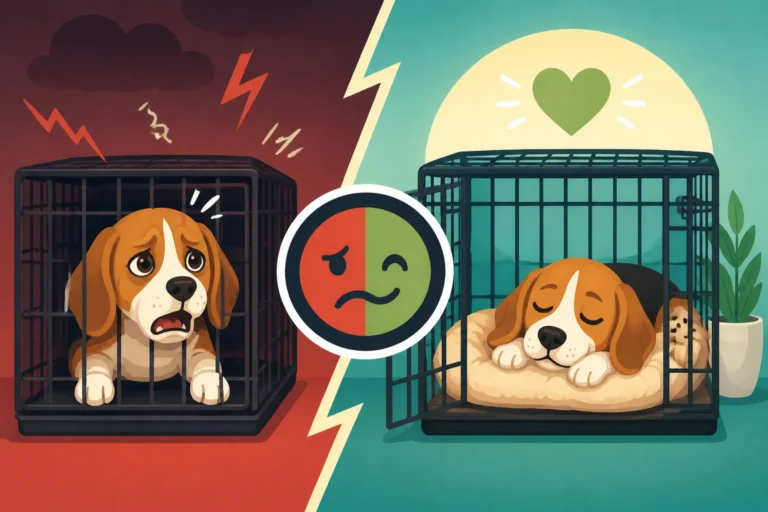
Making sure your Beagle has a comfortable, safe, and engaging space to occupy themselves while you're gone is paramount. This "alone zone" should be a positive place, not a punishment. For many Beagles, a crate can be a wonderful den, a secure retreat where they feel safe. If properly introduced and never used for punishment, a crate can prevent destructive behaviors and offer a sense of security. Just ensure the crate is appropriately sized, allowing them to stand up, turn around, and lie down comfortably. If your Beagle shows signs of Beagle Crate Anxiety Against Crate Comfort, you may need to work on crate training more extensively before using it for departures.
Beyond the physical space, mental enrichment is key. A bored Beagle is a destructive or noisy Beagle. Invest in high-quality puzzle feeders that dispense treats slowly, keeping their keen Beagle mind occupied. Chewing is a natural, stress-relieving activity for dogs, so provide long-lasting, safe chews (always appropriate for their size and chewing style) to redirect any anxiety or boredom into an acceptable outlet. Interactive toys, snuffle mats, or even a frozen Kong stuffed with peanut butter or yogurt can provide extended mental stimulation.
Think about rotating toys so they don't get bored of the same ones every day. You can find a fantastic selection of puzzle feeders, durable chews, and interactive toys on platforms like Amazon, making it easy to experiment and find what your Beagle loves best. A tired mind is often a quiet mind, and these tools can make a significant difference in helping your Beagle cope with your absence. Consider exploring options like Beagle puzzle feeders to keep them engaged.
Pre-Departure Exercise and Mental Stimulation
A tired Beagle is a happy Beagle, and often, a quiet Beagle. Before you leave the house, especially for longer periods, ensuring your Beagle has had ample physical exercise and mental stimulation can dramatically reduce the likelihood of howling and other anxious behaviors. This isn't about exhausting them to the point of collapse, but rather expending their energy in a productive way.
For a Beagle, physical exercise often means a good, long walk – but not just any walk. A "sniff walk" where they are allowed to follow their nose and explore their environment is far more mentally tiring than a brisk walk on a tight leash. Their incredible sense of smell means that every new scent is a puzzle to solve, engaging their brains and satisfying their primal instincts. A 30-60 minute sniff walk before you leave can do wonders. Think about how mentally draining it is for you to concentrate intensely on a task; that's what a good sniff walk does for your Beagle.
Beyond sniffing, incorporate some playtime that gets their heart rate up. A vigorous game of fetch (if your Beagle is into that!), or even some backyard romping can burn off excess physical energy. If you have a secure, fenced yard, let them have a good run. Just be cautious in hot weather, as Beagles can overheat.
Mental stimulation is equally important. Before you head out, engage them in a short training session (5-10 minutes) to practice basic commands like sit, stay, and down. This uses their brainpower and reinforces your bond. You can also give them a food puzzle or a long-lasting chew just before you leave, as discussed in the "Alone Zone" section. The act of solving the puzzle or working on the chew can help distract them from your departure and create a positive association with your leaving. The goal is to leave them physically satisfied and mentally engaged, so they're more likely to settle down and relax, rather than become anxious and vocal. If you're looking for more ideas, check out Indoor Enrichment for a Rainy Beagle Week.
Training Tools and Professional Help
Sometimes, even with the best intentions and consistent effort, managing a Beagle that howls the moment you leave requires a little extra help. Thankfully, there are tools and professionals available to support both you and your furry friend through this challenge.
Smart Devices and Monitoring Tools
One of the biggest frustrations for Beagle owners dealing with separation howling is not knowing exactly what happens when they leave. Are they howling for five minutes and then settling? Or are they frantic and vocal for the entire time you're gone? This is where modern technology comes in incredibly handy.
Pet cameras with two-way audio and recording capabilities can be absolute game-changers. Brands like Furbo or Wyze offer excellent options that allow you to check in on your Beagle from your phone, no matter where you are. You can see their behavior in real-time, identify triggers, and observe how long the howling lasts. Some cameras even allow you to speak to your dog (though for anxiety, this can sometimes make things worse if it creates more confusion or expectation) or dispense treats.
Recording your Beagle's behavior during your absence provides invaluable data. You can see when the howling starts, what other behaviors accompany it (pacing, scratching, panting), and whether it eventually stops. This information is critical for refining your desensitization strategy and for sharing with a professional trainer or vet behaviorist if you decide to seek expert help. For instance, if your camera shows your Beagle only howls for the first 10 minutes and then sleeps, your approach will differ from a Beagle that howls non-stop for three hours. These insights help you understand Hours Alone Before a Beagle Starts Howling and track progress. You can easily find various pet monitoring cameras on Amazon.
Calming Aids and Supplements
For some Beagles, a little extra support can help take the edge off their anxiety when left alone, making them more receptive to training. These calming aids are generally not standalone solutions but rather tools to be used in conjunction with behavioral modification.
One popular option is pheromone diffusers or collars. These products release synthetic versions of dog-appeasing pheromones (DAP), which are naturally emitted by mother dogs to calm their puppies. While the science on their effectiveness can vary, many owners report a subtle calming effect on their dogs, especially in situations that cause mild stress. These are readily available from many pet supply stores and online retailers.
Other non-prescription options include calming supplements that contain ingredients like L-theanine, L-tryptophan, or various herbal extracts. These are thought to promote relaxation without sedation. Always consult your veterinarian before starting any new supplement, as they can advise on appropriate dosages and potential interactions, and ensure there are no underlying medical issues contributing to the anxiety.
Another aid can be a compression garment, such as a ThunderShirt. These vests apply gentle, constant pressure, similar to swaddling a baby, which can have a calming effect on some dogs. They're often used for noise phobias or travel anxiety but can also be helpful for mild separation stress. The key with all these aids is to introduce them positively and gradually, ensuring your Beagle associates them with comfort, not with your departure.
When to Seek Professional Guidance
While many instances of howling can be managed with consistent training and environmental enrichment, there are times when a Beagle's anxiety is too severe for a DIY approach. Knowing when to call in the professionals is crucial for your Beagle's well-being and your own sanity.
If your Beagle exhibits extreme signs of distress when left alone, such as self-mutilation (chewing paws raw, scratching themselves bloody), frantic attempts to escape that result in injury (broken nails, chipped teeth, damaged crates), severe and consistent destructive behavior that goes beyond typical mischief, or persistent house-soiling in a previously trained dog, it's time to seek expert help. These are signs of genuine suffering, and it's unfair to expect your Beagle to simply "get over it" on their own.
Your first stop should be your veterinarian. They can rule out any underlying medical conditions that might be contributing to the anxiety or vocalization. Sometimes, pain or discomfort can manifest as behavioral issues. Your vet can also discuss potential prescription medications that might help reduce your Beagle's anxiety levels, making them more amenable to behavioral training. This isn't a "magic pill" but can be a vital tool, especially for severe cases, to help your dog feel safe enough to learn new coping mechanisms.
Beyond your vet, a certified professional dog trainer or a veterinary behaviorist can provide tailored guidance. A certified professional dog trainer, particularly one experienced in separation anxiety, can work with you on a detailed desensitization and counter-conditioning plan. They can help you identify subtle cues, guide you through the gradual departure process, and provide strategies for enriching your Beagle's environment. Organizations like the Certification Council for Professional Dog Trainers (CCPDT) or the Karen Pryor Academy can help you find qualified trainers.
For the most severe cases, a veterinary behaviorist (a DVM with specialized training in animal behavior) is the ideal choice. They can prescribe medication, address complex behavioral issues from a medical perspective, and develop a comprehensive treatment plan that combines medication and behavioral modification. Programs like BAXTER & Bella, while not a substitute for a vet behaviorist, often offer online courses and support that can supplement professional advice, especially for general behavior and obedience that helps build a solid foundation. Don't be ashamed to ask for help; it's a sign of a responsible pet parent who wants the best for their Beagle. A professional can help you manage Beagle Separation Anxiety in a Pack Breed effectively.
Here's a quick comparison of the common Beagle vocalizations:
| Vocalization Type | Primary Sound | Common Triggers When Alone | Underlying Emotion | Best Approach |
|---|---|---|---|---|
| Bark | Short, sharp, repetitive | External stimuli (doorbell, passing dog), attention-seeking, mild frustration | Alertness, excitement, annoyance, mild boredom | Remove triggers, increase engagement toys, training "quiet" cue |
| Bay | Prolonged, melodious "A-roooo!" | Boredom, protest, seeking interaction, mild loneliness | Desire for company, frustration, "singing the blues" | Increase exercise, mental enrichment, gradual departures, teach self-settling |
| Howl | Mournful, sustained, desperate | Separation from pack/owner, perceived abandonment, true panic | Loneliness, fear, distress, true separation anxiety | Desensitization, safe space, calming aids, professional help (vet/behaviorist) |
Remember, your Beagle isn't trying to be difficult when they howl the second you leave. They are communicating a need, an emotion, or an instinct. By understanding their unique language and patiently applying the right strategies, you can transform their anxiety into calm confidence, ensuring a happier home for both of you.
Disclaimer
This article is for general informational purposes only and does not constitute professional advice. Laws, prices and regulations vary by location and change over time. Consult a qualified professional for guidance on your specific situation.