Hours Alone Before a Beagle Starts Howling
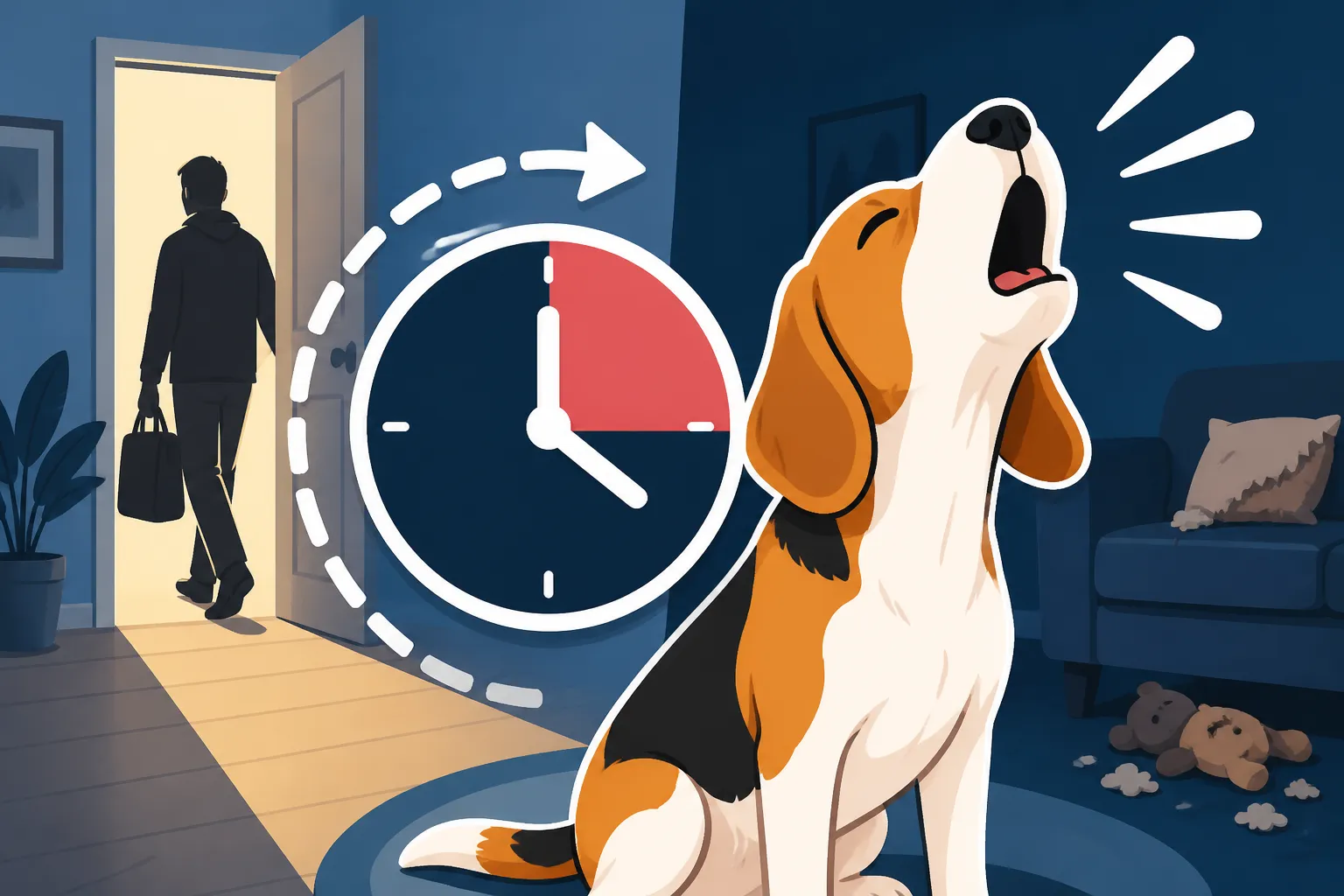
It's a familiar scenario for so many Beagle owners: you step out the door, and the moment the latch clicks, the mournful, unmistakable sound of a Beagle bay begins. It echoes through the neighborhood, causing stress for you and potentially your neighbors. Trying to figure out just how long your furry friend can truly be left alone before the vocalizations start can feel like a frustrating puzzle. This guide aims to shed light on why Beagles howl when left by themselves and offers practical strategies to help them cope, so you can leave home with a little more peace of mind.
Understanding the Beagle's Innate Need for Company
Before we even talk about how long they can be alone, it’s crucial to understand the very fabric of what makes a Beagle tick. These aren't solitary creatures; they were bred for millennia to be part of a team, a pack, working in close quarters with other hounds and human hunters. This deep-seated instinct profoundly influences their behavior when left on their own.
The Pack Animal Instinct
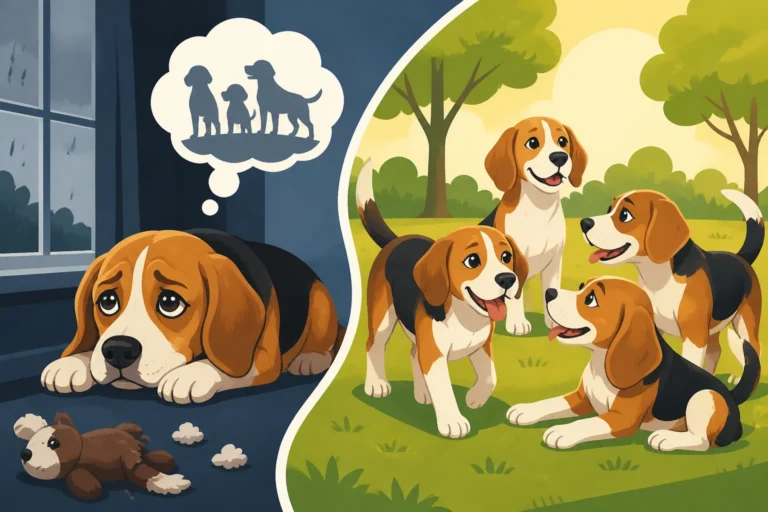
Imagine a vast field, the scent of a rabbit strong on the breeze, and a dozen Beagles working together, their noses to the ground, communicating every twist and turn of the trail. That's the historical picture of a Beagle. They thrived in a communal environment, relying on their pack mates for cooperation, safety, and comfort. When you bring a Beagle into your home, you become their new pack. To them, your absence isn't just a quiet house; it's a disruption of their natural social order, a perceived separation from their vital unit.
This inherent desire for connection means that being truly alone for extended periods can feel unnatural and even distressing for many Beagles. They're not being "bad" or "spiteful" when they vocalize; they're often expressing an instinctual plea for their pack to return. This is why some Beagles will settle fairly quickly if another dog is present, even if you are not. They still have their pack, even if it's a smaller one.
The Vocal Nature of the Breed
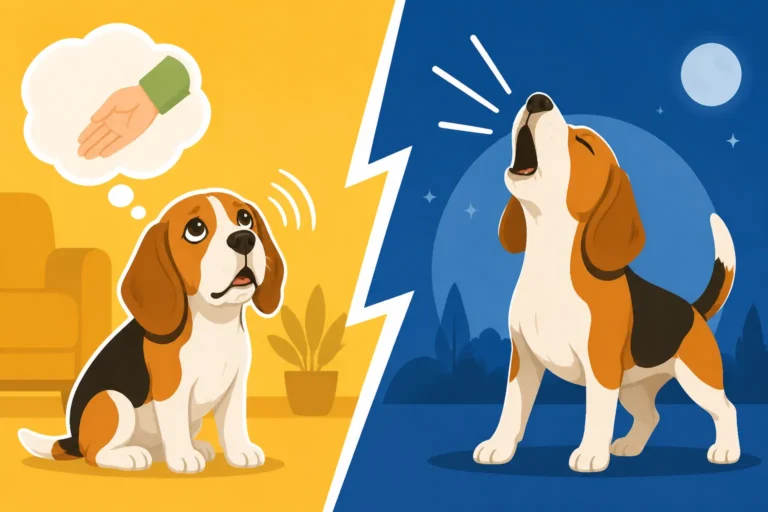
Beagles are hounds, and hounds are vocal. It's part of their charm for some, and a challenge for others! Their vocal repertoire is quite varied, ranging from barks to bays to full-throated howls. A bark is often a direct response to a specific stimulus, like the mail carrier or a squirrel in the yard. A bay is deeper, more resonant, and often used to signal discovery or excitement during a hunt. Then there's the howl – a drawn-out, melodious sound that, in the wild, serves to communicate over long distances, call the pack together, or express loneliness.
When your Beagle howls when you're gone, it's often an extension of this natural inclination. It's their way of reaching out, of announcing their presence, or asking "Where is everyone?" It’s not just a casual noise; it’s a deeply ingrained communication tool. While you can't train the bay entirely out of a Beagle, understanding why they do it helps you approach the situation with empathy rather than frustration. Knowing the nuances between these sounds can also give you clues about your dog's state of mind. For a deeper dive into their various vocalizations, you might find Telling a Beagle Bark From a Bay From a Howl insightful.
How Long Is Too Long? Setting Realistic Expectations
There's no single magic number of hours that applies to every Beagle, but we can certainly set some realistic guidelines based on age, temperament, and training. Just like people, some Beagles are more independent than others, but their breed history means most will have a limit.
Puppy Limitations and Early Training
Beagle puppies, like all young mammals, have very limited bladder control and an even greater need for social interaction. Leaving a tiny puppy alone for more than 1-2 hours at a time is simply not fair, nor is it practical for house training. They need frequent potty breaks, feeding, and opportunities for play and socialization.
As they grow, you can gradually extend this time, but always with caution. For a puppy under six months, 3-4 hours should be considered an absolute maximum, and even that should be reached through slow, positive conditioning. Rushing this process can lead to significant stress, housetraining regressions, and the development of destructive habits or excessive vocalization. Early, positive crate training can be a lifesaver here, providing them with a safe, den-like space where they feel secure. Think of it as slowly building their "alone muscle." For tips on managing puppy sleep and needs, check out Beagle Puppy Sleep and Waking at Three.
Adult Beagle Tolerance
For an adult Beagle (typically over one year old) with no history of separation anxiety, a general guideline is that they can often cope with being alone for 4-6 hours. Some highly independent Beagles, especially those accustomed to it from a young age and provided with ample enrichment, might tolerate up to 8 hours. However, this should not be an everyday occurrence without careful consideration of their individual needs and routine.
Factors that influence an adult Beagle's tolerance include:
- Temperament: Some Beagles are naturally more clingy, while others are more laid-back.
- Training and Socialization: Beagles that were well-socialized as puppies and gradually introduced to alone time tend to fare better.
- Exercise Levels: A well-exercised Beagle, both physically and mentally, is far more likely to nap peacefully than one bursting with energy.
- Environment: A stimulating environment with safe toys and puzzles can make a huge difference.
- Routine: Predictable routines help Beagles feel secure. They learn when you leave and, more importantly, when you'll return.
Exceeding these limits consistently can lead to stress, boredom, and often, the howling you're trying to prevent. It's not just about bladder control at this point; it's about their mental and emotional well-being. Leaving a Beagle alone for 9-10 hours or more on a regular basis is generally not recommended, even for the most well-adjusted dogs, without providing a dedicated dog walker or doggy daycare. When dealing with an adult Beagle's emotional needs regarding separation, understanding Beagle separation anxiety in a breed bred to sleep in a pack can provide further context.
| Beagle Age Group | Recommended Maximum Alone Time (Approx.) | Key Considerations |
|---|---|---|
| 8-10 Weeks Old Puppy | 1-2 Hours | Very frequent potty breaks, high need for human interaction, easily overwhelmed. |
| 10-16 Weeks Old Puppy | 2-3 Hours | Improved bladder control, still needs interaction, prime time for positive alone-time association. |
| 4-6 Months Old Puppy | 3-4 Hours | Can hold bladder longer, but mental stimulation and breaks are crucial to prevent boredom and distress. |
| 6-12 Months Old Puppy | 4-5 Hours | Approaching adult tolerance, but still needs ample exercise and enrichment to prevent destructive behaviors. |
| Adult Beagle (1+ Year) | 4-6 Hours (Ideally) | Can potentially tolerate up to 8 hours if well-exercised and enriched, but not ideal for daily long stretches. |
| Senior Beagle | 4-5 Hours (Adjust as Needed) | May need more frequent potty breaks, might experience cognitive decline or increased anxiety. Watch for individual signs. |
Strategies to Extend Alone Time and Minimize Howling
The good news is that there are many proactive steps you can take to help your Beagle cope better with your absence and reduce those vocal outbursts. It's all about making their solo time as comfortable, enriching, and predictable as possible.
Enriching the Environment
A bored Beagle is a destructive or vocal Beagle. Their keen intelligence and incredible nose need to be put to work, even when you're not around. Providing appropriate mental and physical stimulation before you leave, and during their alone time, is paramount.
- Puzzle Feeders and Enrichment Toys: Ditch the standard bowl and make mealtime a brain game. Toys that dispense treats slowly, snuffle mats, or chew toys filled with frozen peanut butter (xylitol-free, of course!) can keep a Beagle occupied for a good stretch. Brands like Kong and Outward Hound offer fantastic options. You can easily find a wide variety of these on Amazon, ranging from beginner level to more advanced puzzles.
- Scent Games: Capitalize on their strongest sense! Hide small treats around a safe room for them to "hunt" before you leave, or leave them with a scent-infused blanket that has your smell or a calming pheromone.
- Safe Chew Items: Durable, appropriate chew toys can provide comfort and distraction. Just ensure they are safe for unsupervised chewing and won't splinter or be swallowed.
- Calming Music or White Noise: Some Beagles benefit from background noise that masks outside sounds and creates a more peaceful atmosphere. Classical music or dog-specific relaxation tracks can be helpful.
Providing these resources can transform their alone time from a period of anxiety into an engaging, albeit solitary, activity. For more ideas on how to keep your Beagle happy indoors, consider exploring Indoor Games for a Beagle on a Rainy Day.
Gradual Desensitization and Training
Teaching your Beagle to be comfortable alone is a process of gradual desensitization, much like teaching any other command. You can't just expect them to go from constant companionship to hours alone overnight.
- Start Small: Begin by leaving your Beagle alone for very short periods – literally a minute or two – and gradually increase the duration. Step out the door, wait a moment, then come back in before they start to howl. The goal is for them to learn that you always return.
- Create a Departure Routine: Establish a consistent, low-key routine when you leave. Avoid prolonged goodbyes or excessive fuss. Give them their special "alone time" toy or puzzle, say a calm goodbye, and leave.
- Practice "Pre-Departure Cues": Beagles are smart and pick up on cues like grabbing keys, putting on shoes, or picking up your bag. Practice these actions without actually leaving. This helps desensitize them to these triggers, so they don't immediately associate them with your imminent departure and impending loneliness.
- Crate Training: A properly introduced and positively associated crate can become a Beagle's safe haven. It provides a secure, den-like space where they feel protected and less likely to engage in destructive behaviors or incessant howling. Ensure the crate is appropriately sized and never used for punishment. If you're struggling with getting your Beagle to love their crate, you might find guidance in Beagle Crate Anxiety Against Crate Comfort.
- Online Training Programs: Many excellent online training platforms offer structured guidance for separation anxiety and general obedience, which can indirectly help with alone time. Programs like those offered by BAXTER & Bella can provide step-by-step instructions and support, allowing you to work at your own pace from home.
Consistency is key. Every time you leave and return calmly, you're reinforcing the idea that your absence is temporary and not a cause for panic.
Exercise and Mental Stimulation Before You Leave
A tired Beagle is often a quiet Beagle. One of the most effective ways to minimize howling is to ensure your dog is adequately exercised, both physically and mentally, before you even think about stepping out the door.
- Morning Power Walk or Run: A brisk walk, a good run, or even a hike on a long line can burn off a significant amount of physical energy. Remember, Beagles have stamina!
- Scent Walks: Don't underestimate the power of their nose. A leisurely sniff walk, where they are allowed to follow interesting scents at their own pace, is incredibly mentally stimulating and tiring. Fifteen minutes of focused sniffing can be as exhausting as a much longer physical walk for a Beagle. This is a fantastic way to wear them out mentally without overdoing it physically. You can learn more about this in Scent Walks That Wear a Beagle Out.
- Training Session: Even a short 10-15 minute training session before you leave can engage their brain, build confidence, and tire them out. Practice some basic obedience, or introduce a new trick.
- Playtime: A vigorous game of fetch (if your Beagle is into it, as not all are!) or a romp in the yard with another dog can also help.
The goal is for your Beagle to be content, calm, and ready for a good nap by the time you leave, rather than being full of pent-up energy that they express through howling.
When Howling Becomes a Problem: Recognizing Separation Anxiety
While some occasional howling upon departure is normal for a Beagle, persistent, intense, or destructive vocalization might indicate a more serious issue: separation anxiety. This isn't just "being naughty"; it's a genuine panic disorder that requires careful management and often professional intervention.
Identifying the Signs Beyond Simple Howling
If your Beagle is truly suffering from separation anxiety, the howling will likely be just one symptom of a cluster of stress-related behaviors that manifest specifically when they are left alone.
Look for these additional signs:
- Destructive Chewing: Chewing on doorframes, furniture, or other household items, often focused around exit points like doors or windows. This isn't just casual chewing; it's frantic and often results in significant damage.
- Inappropriate Urination/Defecation: House-trained Beagles may urinate or defecate indoors, even if they were given ample opportunity to relieve themselves outside before you left. This is usually not spite; it's a physiological response to extreme stress.
- Pacing and Trembling: Surveillance cameras might show your Beagle pacing constantly, shaking, or panting excessively when alone.
- Excessive Drooling: Another physical manifestation of extreme anxiety.
- Attempts to Escape: Your Beagle might try to break out of their crate, a room, or even through windows, sometimes injuring themselves in the process.
It's important to distinguish between boredom-induced behaviors and true separation anxiety. A bored Beagle might whine a bit, chew on an inappropriate item once in a while, or counter surf. An anxious Beagle, however, exhibits a profound level of distress and panic that goes far beyond simple boredom. Understanding The Howling That Means Beagle Separation Anxiety can help you differentiate these behaviors.
Professional Help and Management
If you suspect your Beagle has separation anxiety, the first and most crucial step is to consult your veterinarian. They can rule out any underlying medical conditions that might be contributing to the behavior and can refer you to a board-certified veterinary behaviorist or a certified professional dog trainer specializing in separation anxiety.
Management often involves a multi-faceted approach:
- Behavioral Modification Plan: A professional will create a tailored plan focusing on very gradual desensitization to your departures, counter-conditioning (associating your departure with positive things), and building your dog's independence. This can be a long and challenging process, requiring significant patience and consistency.
- Medication: In severe cases, a veterinarian may prescribe anti-anxiety medication. This isn't a "cure-all" but can help reduce your Beagle's panic to a level where behavioral modification techniques can actually be effective. It acts as a tool to help them learn, not as a standalone solution.
- Environmental Adjustments: Continuing to provide a safe, enriched environment as discussed earlier remains vital.
- Daycare or Pet Sitter: For severe cases, it might be necessary to avoid leaving your Beagle alone entirely for a period, relying on doggy daycare, a trusted pet sitter, or family members. If you're wondering if another canine companion might help, Whether a Second Dog Calms an Anxious Beagle discusses this possibility, though it's not always a guaranteed solution.
Living with a Beagle prone to howling or suffering from separation anxiety can be incredibly challenging, but with patience, understanding, and the right strategies, you can help your beloved hound lead a calmer, happier life.
Disclaimer
This article is for general informational purposes only and does not constitute professional advice. Laws, prices and regulations vary by location and change over time. Consult a qualified professional for guidance on your specific situation.