Beagle Separation Anxiety in a Pack Breed
Coming home to a chaotic scene – shredded cushions, tell-tale puddles on the floor, or the neighbors reporting relentless baying – is a heartbreaking reality for many Beagle owners. It's not just "being a naughty dog"; often, these behaviors are a desperate cry for help, a sign of genuine distress rooted in separation anxiety. This guide is here to shed light on why your pack-oriented Beagle might be struggling when left alone, how to recognize the signs, and, most importantly, how to support them through it with practical, empathetic strategies.
Understanding the Beagle's Pack Instinct and Separation Anxiety
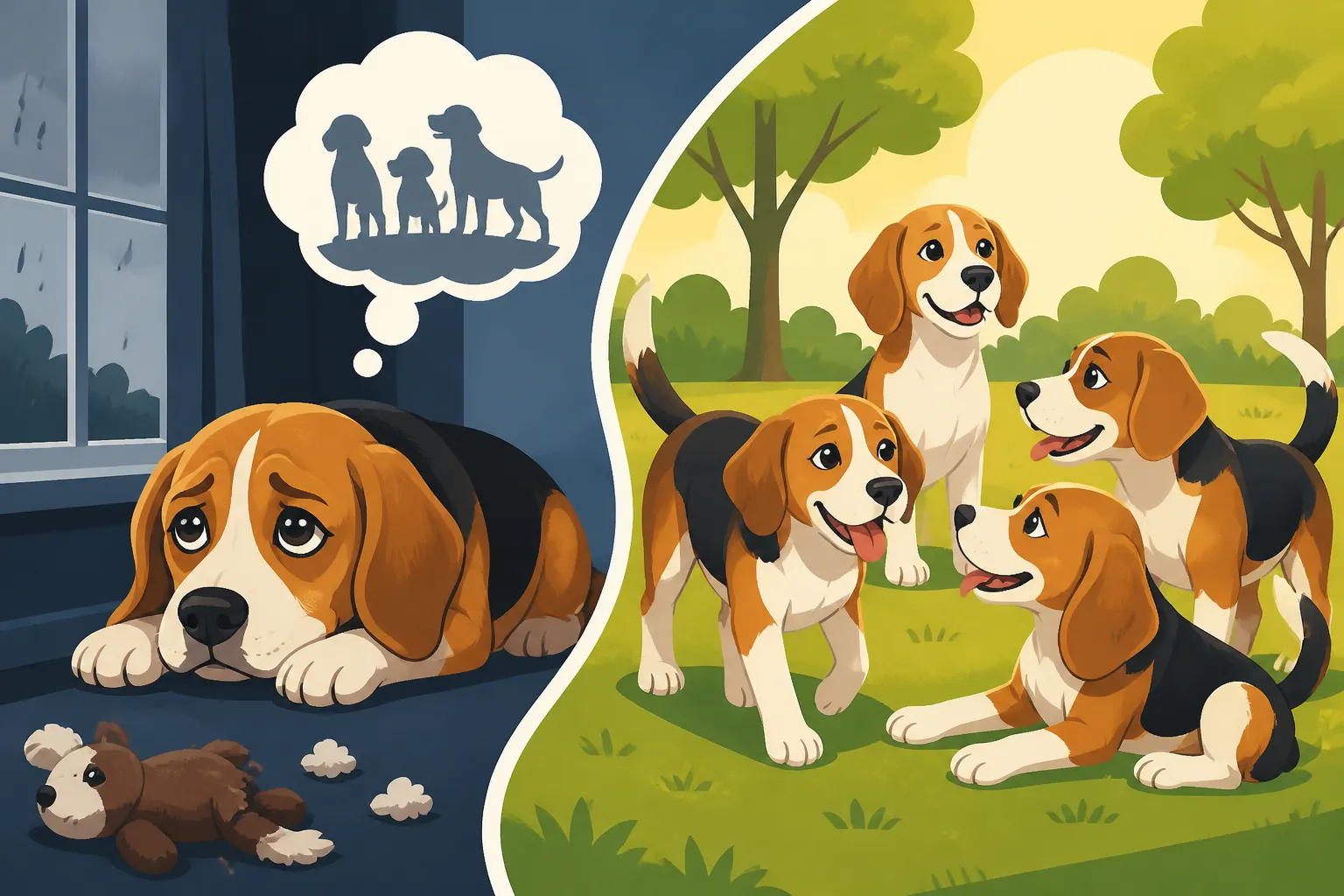
Beagles are charismatic, intelligent, and, above all, deeply social creatures. They were bred for centuries to work in packs, with other hounds and human hunters, tracking scents for hours. This deeply ingrained pack instinct is one of their most endearing qualities, but it also makes them particularly susceptible to separation anxiety when they find themselves alone. They aren't trying to be destructive or disobedient; they are literally experiencing emotional distress and panic.
The Canine Need for Company
Dogs, as a species, are social animals. While some breeds are more independent than others, the fundamental wiring of a canine is to live and interact within a group, be it a wild pack or a human family. For a dog, being alone can feel unnatural, even threatening. When a dog like a Beagle is left by themselves, especially for extended periods, they can feel abandoned, vulnerable, and incredibly anxious. This isn't just a preference for company; it's a deep-seated biological and emotional need.
Imagine suddenly being left alone in an empty house, unsure when, or if, your loved ones will return. That gut-wrenching feeling of uncertainty and isolation is what many Beagles experience. Their entire world revolves around their pack, and when that pack leaves, their sense of security can crumble. It's a fundamental misunderstanding of their environment, as they don't grasp the concept of "I'll be back in an hour." All they know is that their pack is gone, and they are left to fend for themselves, which goes against every fiber of their being. This profound need for connection often manifests as a range of distressing behaviors that can be challenging for owners to manage, but understanding the root cause is the first step toward compassion and effective intervention.
Why Beagles are Particularly Prone
While any dog can experience separation anxiety, Beagles often have a heightened predisposition due to their historical breeding. Their entire purpose was to work collaboratively in a pack, communicating through scent and voice, relying on each other for safety, direction, and success in the hunt. This instinct for constant companionship and communication is hardwired into their DNA. When you bring a Beagle into your home, you become their new pack. Their world, from the moment they wake up, revolves around your presence, your movements, and your companionship.
When their "pack" (you and your family) leaves, it creates a profound void. They aren't just bored; they might be experiencing genuine panic, a feeling akin to being abandoned in the wild. This strong drive for company, coupled with their incredible vocalizations (the legendary Beagle bay!), means their anxiety is often loud and unmistakable. They aren't trying to upset the neighbors; they are simply broadcasting their distress in the way their ancestors communicated to other hounds across fields and forests. It's a deeply rooted behavioral pattern that requires more than just discipline; it demands understanding and a structured approach to rebuilding their sense of security. Beagle Howling, Baying and Barking Explained details more about their vocal nature.
Distinguishing Separation Anxiety from Naughtiness
It’s incredibly common for owners to mistake separation anxiety for simple "bad behavior" or spite, especially when they return home to destruction or messes. However, there's a crucial difference. Naughtiness, or general misbehavior, usually stems from a lack of training, boredom, or a desire for attention. For example, a bored Beagle puppy might chew on a shoe if left unsupervised, or counter surf for snacks because they learned it gets results. These behaviors might happen whether you are home or not, or are easily deterred when you are present.
Separation anxiety, on the other hand, is a panic response. The behaviors associated with it almost exclusively happen when the dog is alone, or perceives that they are about to be left alone. The destruction is often focused around exit points (doors, windows), or items heavily scented by their owner. The inappropriate urination or defecation isn't about marking or defiance; it's a physical manifestation of extreme stress and loss of bladder/bowel control. If your Beagle is perfectly behaved when you are home, but a wreck the moment you step out, it's highly likely you're dealing with anxiety, not an unruly pet. Understanding this distinction is vital for choosing the right approach to help your beloved hound.
Common Signs and Symptoms of Beagle Separation Anxiety
Recognizing the specific signs of separation anxiety is the first step toward helping your Beagle. These behaviors are not arbitrary acts of destruction; they are usually part of a distress cycle that begins even before you leave and continues until your return. It's important to look at the pattern and context of the behavior rather than just the behavior itself.
Destructive Chewing and Digging
One of the most disheartening signs of separation anxiety is coming home to a house that looks like a tornado went through it. Beagles, with their strong jaws and natural inclination to dig and chew, can be incredibly efficient at this when they are panicking. The chewing isn't casual; it's often frantic and aimed at objects that either hold your scent or represent an escape route. You might find door frames gnawed to splinters, window sills chewed, or even walls damaged as they desperately try to get out or relieve their stress. A favorite blanket or dog bed, steeped in your scent, might be shredded not out of spite, but as a misguided attempt to find comfort or an outlet for extreme frustration.
Digging behavior can also manifest indoors, with anxious Beagles tearing up carpets, digging at linoleum, or even attempting to dig through drywall. This is often an instinctual effort to create a safe den or find a way out of their perceived predicament. These behaviors are usually accompanied by other signs of anxiety and occur only when you are absent. If your Beagle generally chews appropriately on toys when you're around but becomes a wrecking ball when left alone, it's a strong indicator of separation anxiety rather than simple chewing habits that need redirecting.
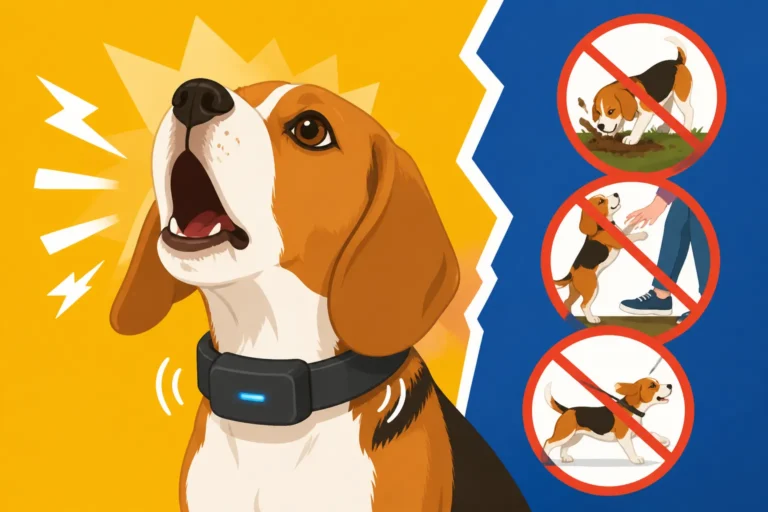
Excessive Vocalization (Howling, Baying, Barking)
The iconic Beagle bay, while charming and characteristic of the breed, can quickly become a significant problem when it's a symptom of distress. Beagles are inherently vocal, bred to use their voice to signal to their pack during a hunt. When left alone and anxious, this instinct translates into incessant howling, baying, and barking. They aren't just making noise; they are calling out for their pack, for your return, broadcasting their loneliness and fear to anyone within earshot.
This vocalization can start the moment you close the door, or even before, as they observe your departure cues. It can continue, often without pause, until you return, causing considerable distress to neighbors and yourself. Many owners only become aware of the extent of this problem through neighbor complaints, or by setting up a camera to monitor their dog while they're away. The Howling That Means Beagle Separation Anxiety delves deeper into understanding this specific symptom. This isn't just typical Beagle noise; it's a sustained, often high-pitched or frantic vocalization that clearly indicates psychological discomfort, far beyond simple boredom or attention-seeking.
Inappropriate Elimination
Discovering urine or feces inside the house, especially from a previously house-trained Beagle, is one of the most frustrating aspects of separation anxiety. Many owners mistakenly believe their dog is being spiteful or "getting back at them" for leaving. However, dogs do not process emotions in that complex human way. For an anxious Beagle, inappropriate elimination is almost always an involuntary physical response to extreme stress and panic, similar to how humans might experience nervous sweating or an upset stomach during a stressful event.
When a Beagle is highly anxious, their body's stress response can lead to a loss of bladder or bowel control. They are not choosing to soil the house; they simply cannot hold it. This behavior is also distinct from typical house-training accidents, which might happen if a dog isn't let out frequently enough, or from marking behavior. With separation anxiety, the elimination occurs specifically when the dog is alone, often after showing other signs of distress like pacing or vocalizing. If your Beagle is reliably house-trained when you are present but has "accidents" every time you leave, it's a strong indicator of an anxiety-driven issue that needs compassionate intervention rather than punishment.
Pacing and Hyper-Salivation
Beyond the more obvious signs of destruction and vocalization, anxious Beagles often exhibit subtler, yet equally telling, behaviors when alone. Pacing is a very common one, where the dog will walk back and forth, often in a fixed pattern, unable to settle. They might circle endlessly, walk along the same path by the door or window, or simply seem agitated and restless. This isn't just wandering; it's a compulsive, repetitive movement driven by an inability to find comfort or calm. Observing this on a pet camera can be heartbreaking, as it reveals a dog truly struggling with its internal state.
Hyper-salivation, or excessive drooling, is another physiological response to high stress. While a little drool is normal for some Beagles, an anxious dog might produce copious amounts of saliva, often leaving wet trails or puddles where they have been pacing or lying. This isn't because they're thirsty or have just eaten; it's a direct manifestation of their panic. You might notice their chin, chest, or paws are constantly damp, or find wet spots on furniture where they tried to rest. These less overt signs, when combined with other behaviors, paint a clear picture of a Beagle struggling deeply with being left alone.
Environmental and Routine Factors Contributing to Anxiety
Sometimes, separation anxiety doesn't just appear out of nowhere. It can often be triggered or exacerbated by changes in a Beagle's environment or daily routine. Understanding these contributing factors can help you identify potential stressors and mitigate their impact.
Sudden Changes in Household Schedule
Beagles, like many dogs, thrive on routine and predictability. A consistent schedule provides a sense of security and helps them understand what to expect from their day. When this routine is abruptly disrupted, it can be incredibly unsettling and trigger anxiety. Think about returning to work after a long vacation or a period of working from home. Your Beagle has grown accustomed to your constant presence, and suddenly, you're gone for hours. This drastic shift can be deeply unsettling, leading to a spike in anxiety.
Other significant changes, such as a family member moving out, a new baby arriving, or even a different work shift, can all throw a Beagle's world into disarray. They don't understand the reasons behind these changes; they only experience the sudden absence of their pack members or the disruption to their established rhythm. This can leave them feeling confused, insecure, and increasingly anxious about being left alone. It's during these transitional periods that owners need to be particularly mindful and proactive in supporting their Beagle, as these shifts can easily escalate into full-blown separation anxiety if not addressed.
Lack of Mental and Physical Stimulation
A bored Beagle is often a destructive Beagle, but boredom can also morph into anxiety, especially when combined with solitude. Beagles are active, intelligent dogs with an insatiable drive to use their noses. If they aren't getting enough physical exercise or mental enrichment, that pent-up energy and keen intellect can easily turn inward, manifesting as anxious behaviors when left alone. A Beagle that hasn't had a good sniff-filled walk or engaging playtime will have an abundance of unspent energy and cognitive capacity.
Imagine a highly intelligent person locked in an empty room with nothing to do. They might pace, talk to themselves, or try to escape out of sheer boredom and frustration. A Beagle is similar. Without outlets for their natural behaviors like sniffing, exploring, and moving, they can become restless and increasingly stressed. When you leave, this lack of stimulation compounds their loneliness, making them more likely to resort to destructive chewing, frantic vocalizations, or pacing as ways to cope with their discomfort. Providing ample exercise and Scent Work as the Job a Beagle Was Built For can be crucial in preventing and managing these issues.
The Impact of Solitary Confinement
For a pack animal like a Beagle, being consistently left in solitary confinement is perhaps the most direct route to developing separation anxiety. While crate training can be an excellent tool for safety and house-training when done correctly, it can become a source of intense stress if the Beagle views it as a place of abandonment. If a Beagle is left alone for long hours, day after day, with minimal interaction before or after, it teaches them that being alone means being miserable and confined.
This feeling of isolation is amplified in situations where a Beagle is not allowed to interact with other family members when they are home, or is only taken out for quick, functional potty breaks. They essentially live a life of partial solitude even when their humans are present, making the periods of complete absence even more jarring. Over time, this can erode their sense of security and attachment, leading to a pervasive anxiety about being left alone. It's a cruel paradox: sometimes owners confine their dogs to prevent destruction, but this confinement, if handled improperly, can actually cause the very anxiety that leads to destructive behaviors.
Building a Foundation for Calmness: Training and Enrichment
Addressing Beagle separation anxiety requires a multifaceted approach, and building a strong foundation of calmness through training and enrichment is absolutely vital. This isn't about punishment; it's about teaching your Beagle that being alone isn't scary, and that they can feel safe and content in their own space.
Creating a Safe Den Environment
A key component of alleviating separation anxiety is to provide your Beagle with a designated safe space, a "den" where they can feel secure and relax. This should be a comfortable, quiet area that they associate with positive experiences, not punishment or isolation. For many Beagles, a crate can serve this purpose beautifully, but it needs to be introduced properly and never used as a place for forced solitude when anxious. Crate Training a Beagle Bred to Sleep in a Pack can offer detailed guidance on this. The crate should be big enough for them to stand, turn around, and lie down comfortably, and always include soft bedding.
Beyond a crate, this safe den could be a dog bed in a quiet corner, or a small room that has been thoroughly "Beagle-proofed." The important thing is that this space is consistently associated with positive things: a favorite long-lasting chew, a special puzzle toy, or quiet relaxation while you are present. You can use calming aids like pheromone diffusers or quiet music in this area. The goal is for your Beagle to view this spot as their personal sanctuary, a place where they choose to go for comfort, rather than a place they are forced into. This positive association helps build their confidence and reduces the panic when they are eventually left alone.
Desensitization to Departure Cues
Beagles are incredibly observant, and they learn to recognize all the subtle cues that signal your impending departure. Jingling keys, picking up your purse, putting on your shoes, or grabbing your coat all become triggers for anxiety. Your Beagle starts to panic before you even leave because they've learned to associate these actions with being left alone. To combat this, you need to desensitize them to these cues.
This involves performing these actions randomly and without actually leaving. Pick up your keys, walk to the door, and then sit back down and watch TV. Put on your coat, then go make a cup of coffee. Repeat these actions many times a day, without any follow-through of leaving, until they become meaningless to your Beagle. The goal is to break the association between these cues and your departure, making them feel less anxious about your movements. Over time, your Beagle will learn that these actions don't automatically mean you're abandoning them, helping to reduce their anticipatory anxiety. You can also incorporate short, purposeful departures and returns, gradually increasing the duration, as part of this desensitization process.
Enrichment Toys and Puzzle Feeders
Mental stimulation is just as important as physical exercise for a smart, scent-driven breed like the Beagle. Enrichment toys and puzzle feeders can be invaluable tools for distracting an anxious Beagle and engaging their minds when you're away. Instead of simply leaving a bowl of food, make them work for it. Stuff a durable chew toy (like a KONG, easily found on Amazon) with peanut butter, cream cheese, or wet dog food, and then freeze it. This creates a long-lasting challenge that can keep your Beagle occupied for a significant period.
There are many different types of puzzle feeders available, from snuffle mats that hide kibble to more complex dispensers that require manipulation. The key is to find toys that are challenging enough to hold their interest but not so difficult that they become frustrated. Rotate these toys to keep things fresh and exciting. Introducing a special "departure toy" – one that only comes out when you leave – can also help create a positive association with your absence. These tools don't just kill time; they tap into your Beagle's natural foraging and problem-solving instincts, helping to burn mental energy and reduce the focus on your absence.
Structured Exercise Before Alone Time
A tired Beagle is often a calmer Beagle. Ensuring your dog gets adequate physical exercise and mental stimulation before you leave them alone can significantly reduce their anxiety levels. This isn't just a quick potty break; it should be a structured activity that truly tires them out, both physically and mentally. For a Beagle, this might mean a long, sniff-filled walk where they get to follow interesting trails and use their powerful nose. Remember, using their nose is incredibly enriching and exhausting for them.
Consider a solid 30-60 minute walk or play session right before you plan to leave. This could involve brisk walking, a game of fetch (if your Beagle is into it), or even a short hike. The goal is to send them into their alone time feeling physically satisfied and mentally drained, making them more likely to settle down and rest rather than pace anxiously. A full Beagle with a satisfied nose is far less likely to have the energy or inclination for destructive behaviors or incessant vocalization. Consistency in this pre-departure routine is key to helping them anticipate and cope with your absence.
Management Strategies for Moderate to Severe Cases
For Beagles with more ingrained or severe separation anxiety, simple training and enrichment might not be enough on their own. These cases often require a more intensive, gradual, and sometimes professional approach to truly help the dog overcome their panic.
Gradual Increase of Alone Time
This strategy, often called "graduated desensitization," is fundamental for moderate to severe cases. The core idea is to slowly increase the duration of your absence, always ensuring your Beagle remains calm and comfortable. You start with incredibly short absences – just seconds – and only move to longer periods when your dog shows no signs of anxiety. This requires immense patience and can be a long process.
Begin by simply stepping out of sight for a few seconds (e.g., into another room), then return. If your Beagle is calm, you've succeeded. Slowly, over days or weeks, extend this: step outside the front door for 5 seconds, then 10, then 30, then a minute, and so on. The key is to never push your Beagle beyond their comfort zone. If they start to show any signs of anxiety (pacing, whining, barking), you've gone too far, and you need to shorten the duration next time. It's often helpful to record your Beagle with a camera during these training sessions so you can accurately gauge their comfort level and spot subtle signs of stress. This slow, steady progress helps them build confidence that you always come back, reducing the panic response.
Crate Training as a Security Measure
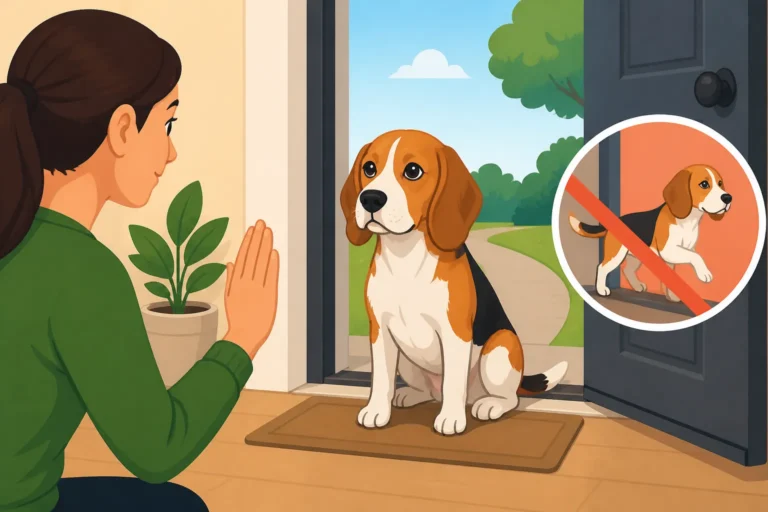
While crate training can be beneficial, it needs to be approached with extreme caution when dealing with separation anxiety. For some Beagles, a crate can provide a sense of security, a den-like space that helps them feel safe when alone. For others, however, it can intensify their feelings of confinement and panic, leading to extreme escape attempts that can result in injury, broken teeth, or severe damage to the crate itself. Therefore, you must carefully assess your individual Beagle's response to the crate.
If your Beagle already loves their crate and willingly goes into it, it might be a useful tool. Ensure it's never used for punishment, and always leave them with a comforting chew or puzzle toy when crated. However, if your Beagle exhibits any signs of stress, panic, or attempts to break out of the crate, it is absolutely not a solution for separation anxiety and could make the problem worse. In such cases, a Beagle-proofed room might be a safer alternative. Beagle Crates, Harnesses and Long Lines discusses general crate considerations, but anxiety requires special care. Never force an anxious Beagle into a crate if it causes further distress.
Behavior Modification Techniques
Behavior modification for separation anxiety often involves changing the dog's emotional response to being left alone. One effective technique is "non-contingent departures and arrivals." This means making your departures and arrivals utterly unexciting. When you're about to leave, don't make a big fuss or say prolonged goodbyes. Simply get ready, give them their special departure toy, and calmly walk out. Similarly, when you return, avoid effusive greetings for the first 5-10 minutes. Ignore them until they've settled down, then calmly greet them. This teaches your Beagle that your coming and going isn't a dramatic event worthy of extreme emotion.
Another technique involves rewarding calm behavior when you're preparing to leave. If your Beagle lies down calmly while you grab your keys, quietly offer a treat. If they stay relaxed when you put on your shoes, reward them. This positive reinforcement helps them associate your departure cues with positive, calm states rather than anxiety. Consistency is paramount with these techniques; every family member must be on board to avoid confusing your Beagle. The goal is to break the cycle of panic and replace it with a feeling of normalcy and safety.
Considering Professional Help and Medication
If you've tried the above strategies consistently and your Beagle's separation anxiety isn't improving, or if the anxiety is severe (e.g., self-harm through escape attempts, constant panic), it's time to seek professional help. A certified professional dog trainer specializing in separation anxiety, or a veterinary behaviorist, can provide tailored guidance and hands-on support. These experts can accurately assess your Beagle's behavior, identify triggers, and develop a precise, step-by-step modification plan that fits your dog's unique needs.
In some severe cases, medication might be a necessary component of the treatment plan. Your veterinarian or a veterinary behaviorist can prescribe anti-anxiety medications that help reduce your Beagle's panic levels, making them more receptive to behavior modification training. Medication is rarely a standalone solution; it's typically used in conjunction with a comprehensive training program to help your dog learn new coping mechanisms while their anxiety is managed. Don't view medication as a failure; view it as a tool that can provide your Beagle much-needed relief and open the door for successful behavioral change, giving them a better quality of life.
Support Systems and Lifestyle Adjustments for Anxious Beagles
Living with a Beagle suffering from separation anxiety can be incredibly challenging, not just for the dog, but for the entire household. It often requires significant lifestyle adjustments and a robust support system to manage the problem effectively and maintain your sanity.
Whether a Second Dog Calms an Anxious Beagle
Many owners wonder if getting another dog will "cure" their Beagle's separation anxiety. The answer is, unfortunately, not a simple yes or no, and often leans towards no. While Beagles are pack animals, separation anxiety is a complex issue rooted in the attachment to their primary caregiver (you), not just a general need for canine company. If the anxiety is specifically directed at your absence, another dog might not fill that void.
In some cases, a second dog might provide some companionship and distraction, particularly if the anxiety is mild and more about general loneliness. However, it's equally common for the anxious Beagle to either ignore the new dog when you're gone, or, worse, teach the new dog to also become anxious and destructive. You could end up with two anxious Beagles instead of one. Before considering a second dog, it's crucial to address the root cause of the anxiety with your current Beagle first. A new dog should ideally be brought into a calm, stable environment, not as a quick fix for an existing behavioral problem. Whether a Second Dog Calms an Anxious Beagle provides further details.
Exploring Doggy Daycare or Pet Sitters
For Beagles with moderate to severe separation anxiety, completely avoiding leaving them alone can be a temporary, yet vital, management strategy. This is where doggy daycare or a trusted pet sitter comes in. A high-quality doggy daycare provides supervised play, social interaction, and mental stimulation, ensuring your Beagle is exhausted and happy by the time you pick them up. This means they spend very little, if any, time alone and anxious. Look for facilities that offer structured activities, trained staff, and a good indoor/outdoor space.
Alternatively, a pet sitter who comes to your home can be an excellent option. This allows your Beagle to stay in their familiar environment while still receiving companionship and care. A good pet sitter can follow your routine, provide walks, playtime, and even help reinforce any behavior modification protocols you're working on. Services like Rover or local recommendations can connect you with trusted individuals. While these options incur a cost, they can offer immense relief for your Beagle and peace of mind for you, making them valuable tools in managing severe anxiety, especially during the initial stages of training.
Adjusting Your Own Schedule
Addressing severe separation anxiety often requires a hard look at your own lifestyle and schedule. It might mean making temporary (or even permanent) adjustments to minimize your Beagle's alone time, especially during intense periods of training. This could involve staggering work schedules with a partner, working from home more often, taking your Beagle to work with you (if permitted), or arranging for friends or family to visit your Beagle during the day.
The goal is to prevent your Beagle from experiencing the anxiety that reinforces the problematic behaviors. Every successful solo departure where they remain calm builds their confidence, while every panic-filled session reinforces the anxiety. Therefore, consciously reducing the opportunities for your Beagle to feel anxious when left alone is a critical part of the recovery process. This isn't always easy, but understanding that your Beagle's well-being is directly tied to these adjustments can motivate you to find creative solutions to provide them with the companionship they so desperately need.
The Role of Nutrition and Supplements
While not a magic bullet, a healthy diet and certain supplements can play a supporting role in managing a Beagle's separation anxiety. A balanced, high-quality diet ensures your Beagle is getting all the nutrients they need, which can positively impact their overall mood and resilience to stress. Avoid foods with artificial colors, flavors, or excessive fillers, as some dogs can be sensitive to these, potentially impacting their behavior.
There are various calming supplements available that can help some dogs, often containing ingredients like L-theanine, L-tryptophan, or various herbal extracts. Pheromone diffusers, which release synthetic calming dog pheromones, can also create a more serene environment. These aids are typically not strong enough to solve severe anxiety on their own, but they can take the edge off, making your Beagle more receptive to training and behavior modification. Always discuss any dietary changes or supplements with your veterinarian before introducing them, especially if your Beagle is on any other medications, to ensure they are safe and appropriate.
Beagle Anxiety: A Problem that Can Be Solved
Beagle separation anxiety is tough, no doubt about it. It impacts your home, your social life, and, most importantly, your beloved companion's well-being. But it's also a problem that can be understood, managed, and, in many cases, significantly improved with patience, consistency, and the right approach. Your Beagle isn't acting out; they're genuinely suffering from a panic disorder when left alone.
Remember their innate desire for companionship, their historical role as a pack animal, and how deeply ingrained that need is. By providing a safe den, desensitizing them to your departures, offering plenty of mental and physical enrichment (like those awesome puzzle feeders from Amazon or the online training resources from BAXTER & Bella), and seeking professional help when needed, you can teach your Beagle to cope. It takes time, dedication, and a whole lot of love, but helping your Beagle feel secure and calm when you're away is one of the most rewarding challenges you can undertake as an owner. Living Day to Day With an Epileptic Beagle also touches on the importance of routine and stability for managing other health conditions which can impact overall anxiety levels.
Disclaimer
This article is for general informational purposes only and does not constitute professional advice. Laws, prices and regulations vary by location and change over time. Consult a qualified professional for guidance on your specific situation.