Whether a Second Dog Calms an Anxious Beagle
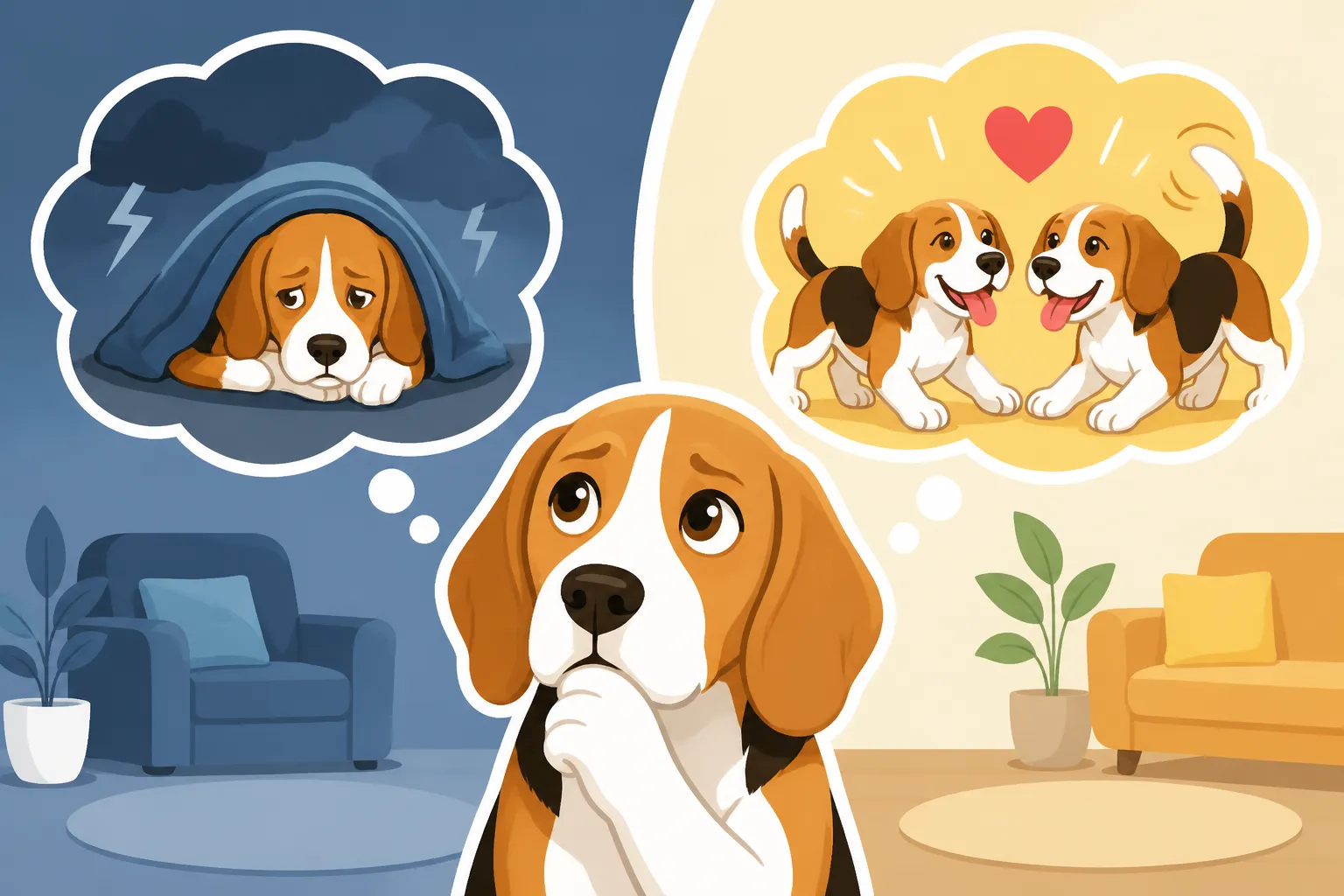
One of the most heartbreaking things a Beagle owner can face is the distress of their beloved hound struggling with separation anxiety. That mournful bay, the frantic pacing, the destructive chewing – it tears at your heartstrings and makes leaving the house a guilt-ridden ordeal. Many of us, in our earnest desire to help, consider a seemingly logical solution: getting a second dog. The thought is, surely another canine companion will fill the void, provide comfort, and ease that profound loneliness your Beagle feels when you're gone. This guide is all about exploring that very question, digging into when a second dog might truly help, when it might not, and what other strategies are crucial for addressing your Beagle's anxiety.
Understanding Beagle Separation Anxiety
It's crucial to understand why Beagles often struggle with separation anxiety. It's not just a "bad behavior" they're choosing; it's a deep-seated panic response that stems from their very nature and history.
Why Beagles Struggle When Left Alone
Beagles are, by their very design, pack animals. For centuries, they were bred to live and work in large groups, following scents through fields and woodlands. This instinct to be part of a collective, a tightly knit unit, is hardwired into their DNA. Imagine being an individual from a species that has always, always had others around – for hunting, for warmth, for safety. Now imagine being left utterly alone in a quiet house. For a Beagle, this isn't just a bit boring; it can trigger a primal fear of abandonment and vulnerability.
Their historical role meant constant companionship, even when their human hunters weren't right beside them. They had their fellow Beagles. This intense need for social connection manifests as acute distress when they find themselves solitary. They don't understand that you'll be back in a few hours; for them, it can feel like a permanent separation, a breakdown of the pack structure they instinctively rely on. This deep-seated need for company is a significant factor in why Beagle Separation Anxiety in a Pack Breed is such a common issue for our hounds.
Common Signs of Separation Anxiety in Beagles
Recognizing the signs of true separation anxiety is the first step toward helping your Beagle. It's more than just a little whining when you walk out the door. These behaviors often escalate, becoming destructive or self-harming. You might return home to find shredded cushions, gnawed furniture legs, or claw marks on the door frames, particularly around exit points.
Vocalization is another huge indicator. Beagles, known for their distinctive bay, will often use their voices to express their distress. This can range from persistent barking to mournful howling and that deep, resonating bay that can carry for blocks. Owners often report complaints from neighbors about continuous noise. The Howling That Means Beagle Separation Anxiety is a distress signal, not just a casual noise. Pacing, panting, trembling, and even inappropriate urination or defecation indoors, especially if your Beagle is otherwise house-trained, are all classic symptoms. In some severe cases, a Beagle might injure themselves trying to escape a crate or room, or even excessively lick or chew their paws until they become raw.
The Root Causes Beyond Just Being Alone
While being left alone is the trigger, the root causes of separation anxiety can be more complex than simple loneliness. Sometimes it's hyper-attachment to a particular person, where the Beagle has formed an almost exclusive bond and struggles immensely when that specific individual is out of sight. Other times, it might be a lack of sufficient mental or physical enrichment. A bored Beagle, especially one with that incredible nose, is a Beagle looking for a "job," and if that job isn't provided constructively, it can manifest as anxiety and destructive behaviors.
Traumatic past experiences, such as being rehomed multiple times or having previous owners who couldn't handle their anxiety, can also play a role. Even subtle changes in routine, new noises, or an unfamiliar environment can exacerbate existing anxiety or trigger new episodes. It's rarely just about being alone; it's about how your Beagle perceives and copes with that solitude, influenced by their genetics, life experiences, and daily environment.
The Theory Behind Adding a Second Dog
The idea of a "buddy dog" seems so intuitive. If a Beagle is a pack animal, why wouldn't another dog solve the problem? Sometimes it can, but it's far from a guaranteed fix.
The 'Buddy System' Concept
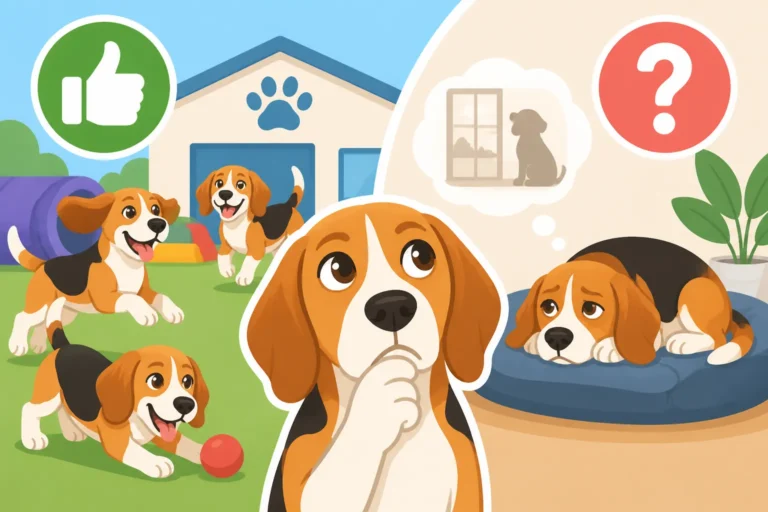
The logic of the 'buddy system' is straightforward: a second dog provides companionship, diverting the anxious Beagle's focus from your absence to the presence of another living being. It’s hoped that the two dogs will bond, forming their own mini-pack, and draw comfort from each other. When one dog starts to feel anxious, the other might provide a distraction, a calming presence, or simply a playmate. This can indeed work wonders for some Beagles, particularly those whose anxiety is rooted purely in the absence of any social contact, rather than a deep-seated phobia of being alone.
The idea is that the constant availability of another dog means your Beagle is never truly isolated. They have a familiar presence, a canine friend to interact with, even if it's just napping near each other. This can alleviate the intense feelings of abandonment that drive separation anxiety. It's about providing a consistent, predictable source of companionship when you, the primary caregiver, are out of the picture.
When a Second Dog Could Be a Positive Influence
A second dog stands the best chance of being a positive influence if your existing Beagle's anxiety is mild to moderate, and primarily triggered by a lack of social interaction. For example, if your Beagle exhibits whining and some light pacing, but isn't destructive or self-harming, a well-matched companion might indeed provide the necessary comfort.
The key here is "well-matched." If you introduce a calm, confident, and emotionally stable dog, they might become a reassuring anchor for your anxious Beagle. The new dog's relaxed demeanor can rub off, teaching the anxious one that being alone (with a buddy) isn't so scary. We've seen stories where a high-energy Beagle, prone to destructive chewing when left alone, calmed significantly when a slightly older, placid dog joined the household, simply because the older dog modeled quiet behavior. This situation often works best when the new dog is resilient enough not to absorb the anxious Beagle's stress. Considering Socializing a Beagle Puppy for Pack Life carefully when bringing in a new dog is essential.
When a Second Dog Can Actually Make Things Worse
Here's the often-overlooked downside: a second dog can absolutely, unequivocally make separation anxiety worse. This usually happens for a few reasons. Firstly, if your Beagle's anxiety is severe and deeply ingrained – a true phobia – merely adding another dog doesn't address the underlying panic. In fact, the anxious Beagle might simply become hyper-attached to the new dog, transferring their anxiety onto their canine companion. Now, instead of one anxious dog, you have two, and if you leave them both, the new dog might also develop separation anxiety because they've learned it from your original Beagle. It's like pouring gasoline on a small fire, unintentionally.
Secondly, if the personalities clash, or the new dog is also prone to anxiety, you've created a far more stressful household dynamic. An already anxious Beagle might become more stressed by an overly energetic, demanding, or equally anxious companion. Rather than finding comfort, they find another source of worry. It's a significant financial and emotional investment to bring a second dog into the home, so it’s vital to weigh these risks. The goal is to alleviate stress, not double it.
Factors to Consider Before Bringing Home Another Dog
Bringing a second Beagle, or any dog, into your home to help with separation anxiety is a big decision that requires careful thought. It's not a magic bullet and certainly not a substitute for addressing the root causes of anxiety.
Temperament and Compatibility
This is perhaps the most critical factor. The temperament of the new dog must complement your anxious Beagle's personality. If your Beagle is shy and nervous, a boisterous, pushy puppy might overwhelm them. Conversely, a calm, confident, and resilient dog is often the best choice. This new dog should ideally be self-assured and not prone to anxiety themselves, as an anxious new dog could easily pick up on and mirror your Beagle's distress.
Consider the energy levels. While Beagles are energetic, an older, more mellow companion might provide a calming influence for a frantic Beagle. If you are looking at puppies, remember that their temperament is still developing. A dog from a rescue that has been fostered in a home environment might have a more established personality, allowing you to gauge compatibility more accurately. Don't rush this choice; take your time to observe potential new family members carefully, perhaps through a series of "meet and greets" or foster-to-adopt programs. What to Ask a Beagle Breeder About Genetics can also offer insights into potential temperament traits.
The Existing Beagle's Specific Anxiety Triggers
It's vital to deeply understand what specifically triggers your Beagle's separation anxiety. Is it the closing of the door? The jingle of your keys? The moment they realize you're putting on your "leaving" shoes? Is it a fear of any solitude, or a hyper-attachment to you? If their anxiety is heavily person-specific, meaning they only freak out when you leave, another dog might not cut it. The issue isn't the absence of a companion, but the absence of their person.
If your Beagle's anxiety manifests as destruction of household items, consider if a new dog would provide enough distraction or if it might simply become an accomplice in the chaos. If your Beagle's anxiety involves excessive vocalization, will another dog join in, or will it ignore it? Really pinpointing these triggers helps you decide if a canine companion is truly the right puzzle piece, or if you need to tackle the anxiety with more direct behavioral modification first. Sometimes Hours Alone Before a Beagle Starts Howling is the trigger, while other times it's a very specific sequence of events leading up to your departure.
Your Time and Resources
Let's be realistic: two dogs mean double the work, double the food, and double the vet bills. Even if a second dog helps your Beagle's anxiety, you're still committing to a much larger responsibility. Can you afford two dogs, factoring in not just routine care but potential emergency vet costs or lifelong medications if either dog develops a chronic condition? The Yearly Cost of Keeping a Beagle already gives you an idea, now imagine that times two.
Do you have enough time for training, exercise, and individual attention for both dogs? A new dog, especially a puppy, requires significant training and socialization. Even an adult dog will need time to adjust and bond with you and your existing Beagle. If your current Beagle's anxiety already consumes a lot of your time, honestly assess if you can truly give a second dog the attention it deserves, without inadvertently neglecting your anxious Beagle further. Training resources, like those offered by BAXTER & Bella (who have excellent online programs for new puppies and owners), or quality chew toys from Amazon, can certainly help, but they don't replace your time and commitment.
Introducing a New Dog Gradually
If you decide to take the plunge, the introduction process is paramount. You can't just throw two dogs together and expect them to become instant best friends. Gradual, positive introductions are key to building a harmonious relationship. Start with neutral territory walks, allowing them to sniff each other from a distance, then closer, but not yet nose-to-nose. Keep early interactions short, supervised, and always positive, ending before either dog shows signs of stress.
Once they're comfortable in the same space, supervise all interactions closely. Feed them separately, give them separate beds, and provide individual attention to prevent resource guarding or jealousy. A new dog in the house, especially one with a strong scent drive, might also trigger other behaviors in your anxious Beagle. Even if the goal is to alleviate separation anxiety, remember that the bond needs time to develop. Don't expect immediate results, and be prepared to manage their interactions for weeks or even months. Using a safe, comfortable crate for each dog can also be beneficial during the introduction phase, providing them each a personal sanctuary, as discussed in Crate Training a Beagle Bred to Sleep in a Pack.
Alternatives and Complementary Strategies
While a second dog can be part of the solution for some, it's rarely the only solution, and for many, it's not even the best one. There are numerous effective strategies to help an anxious Beagle, and these often need to be in place regardless of whether you introduce another dog.
Training and Behavior Modification
This is where you often get the most direct impact. Working with a qualified professional dog trainer or a veterinary behaviorist who specializes in separation anxiety is invaluable. They can help you implement desensitization and counter-conditioning protocols. This involves gradually exposing your Beagle to your departure cues (like picking up keys or putting on shoes) without actually leaving, pairing them with positive experiences like high-value treats. Then, you slowly increase the duration of your absence, starting with seconds, then minutes, building up their tolerance.
Consistency is absolutely vital here. Everyone in the household needs to be on the same page with the training plan. For more intensive cases, your vet or a behaviorist might suggest medication to help reduce the initial panic, allowing the behavioral training to be more effective. Resources like online courses (some excellent ones are available through BAXTER & Bella, for example) or books can also provide guidance, but one-on-one professional help is often best for severe anxiety. Learning Emergency Recall Cues That Reach a Beagle is also important for managing an anxious dog who might bolt.
Enrichment and Exercise
A tired Beagle is often a less anxious Beagle. Beagles have incredible energy and an insatiable drive to use their noses. Providing ample physical exercise is critical, but mental enrichment is just as, if not more, important. Long, sniffy walks where your Beagle gets to explore the world with their nose can be incredibly tiring and satisfying. Puzzle toys, snuffle mats, and scatter feeding their meals can engage their minds and help them feel fulfilled.
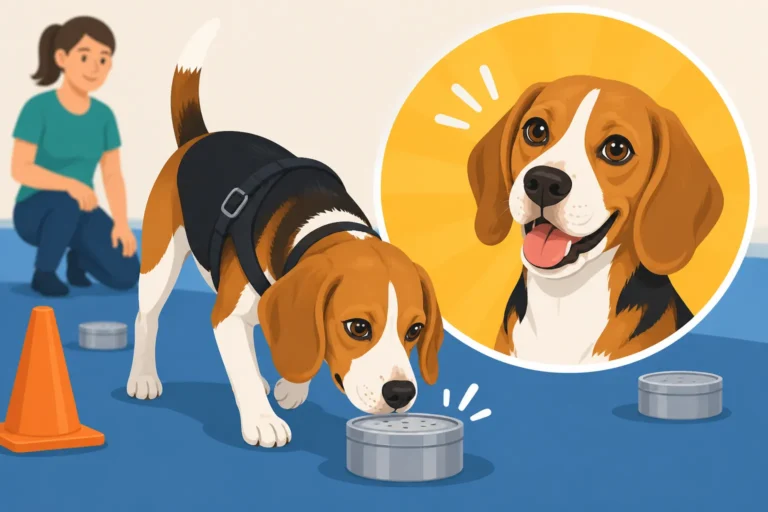
Consider introducing them to scent work games, either formally through classes or informally at home. This leverages their natural abilities and gives them a "job," which is incredibly calming for a hound. A Beagle that has spent an hour deeply engaged in sniffing and problem-solving is far less likely to become destructive or frantic when left alone. You can find many interactive toys on Amazon that can keep their minds busy. Regularly engaging in Scent Walks That Wear a Beagle Out can make a huge difference in their overall demeanor.
Creating a Safe, Comforting Space
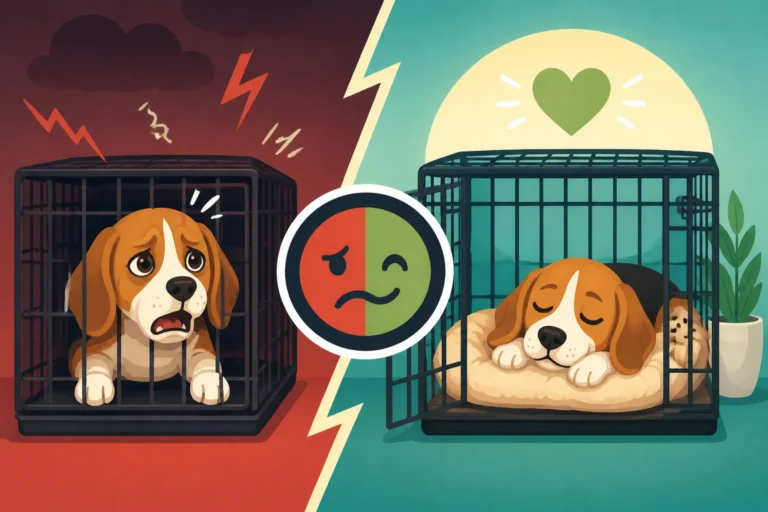
Your Beagle needs a designated safe space where they feel secure and can retreat when feeling overwhelmed. For many Beagles, a comfortable crate can be this sanctuary, as long as it's introduced positively and never used as punishment. Line it with soft bedding, offer a favorite chew toy, and cover it to create a den-like feel.
Beyond the crate, consider calming aids. Diffusers that release canine pheromones, calming vests, or even certain calming supplements can help some Beagles manage their stress levels. White noise machines or classical music can mask outdoor sounds that might trigger anxiety. When you leave, ensure their safe space is prepared with fresh water and appropriate chew toys (like durable KONG toys found on Amazon) to help distract them. This combination of a secure environment and calming techniques can go a long way in managing Beagle Crate Anxiety Against Crate Comfort and overall separation distress.
Disclaimer
This article is for general informational purposes only and does not constitute professional advice. Laws, prices and regulations vary by location and change over time. Consult a qualified professional for guidance on your specific situation.