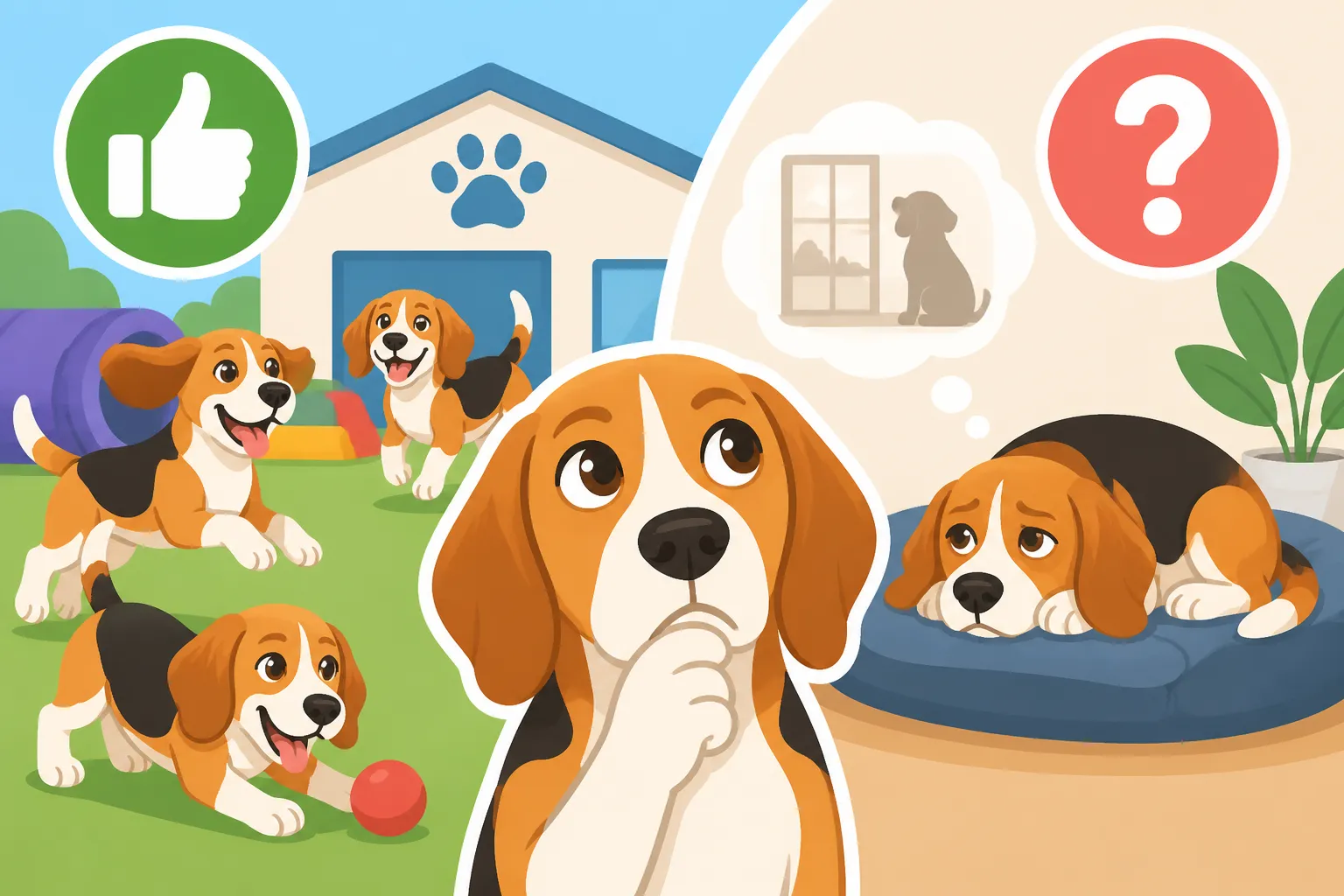
Beagle Daycare and Whether It Actually Helps
Leaving your Beagle home alone for hours can feel like a gamble. You might worry about the howling, the potential for mischief, or simply their profound loneliness when you're not around. Many Beagle owners wonder if doggy daycare is the magic solution to those separation woes, promising a tired, happy pup at the end of the day. This comprehensive guide will dive deep into whether Beagle daycare actually lives up to that promise, exploring its benefits, potential drawbacks, and how to tell if it's the right fit for your unique hound.
Understanding the Beagle's Needs: Why Daycare Seems Like a Good Idea
It’s completely natural to look for solutions when you have a Beagle. These aren't just any dogs; they come with a very specific set of needs and behaviors that can make being left alone a real challenge. Daycare often seems like an ideal fix because it speaks directly to some of their most fundamental instincts.
The Beagle's Pack Instinct and Separation Anxiety
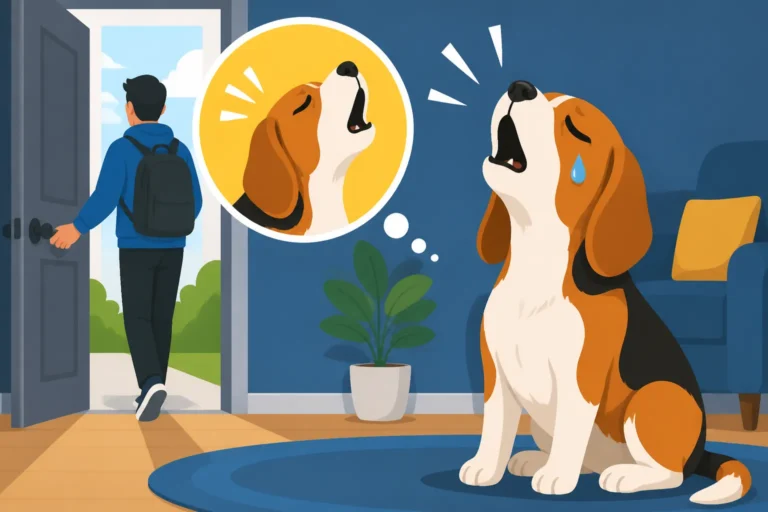
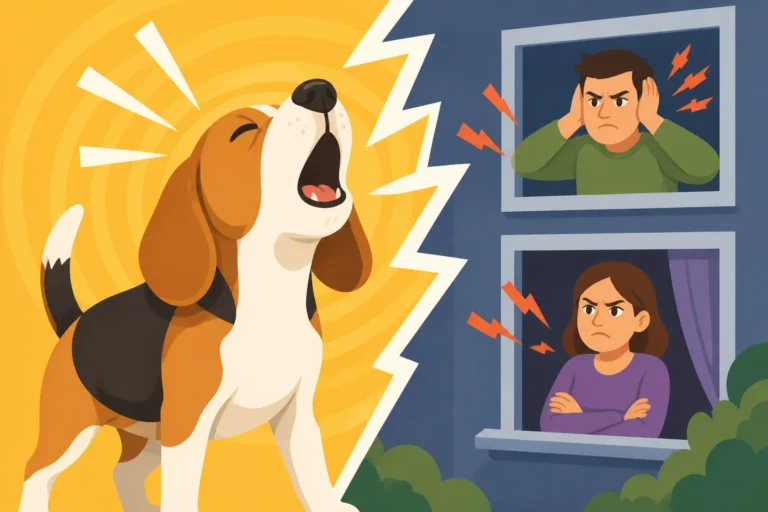
Beagles are, by nature, pack animals. They were bred for centuries to hunt in groups, relying on their companions for security, stimulation, and purpose. This deep-seated pack instinct means that being left alone for extended periods can trigger genuine distress. It's not just boredom; it's a feeling of isolation that goes against their very being. When a Beagle feels abandoned, they might express their anxiety through a symphony of howling and baying – a sound that, while melodious to a hunter, can be quite unsettling to neighbors!
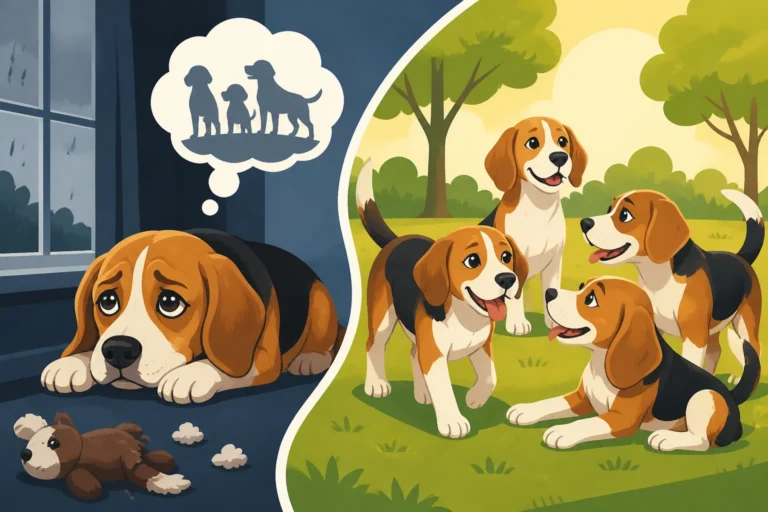
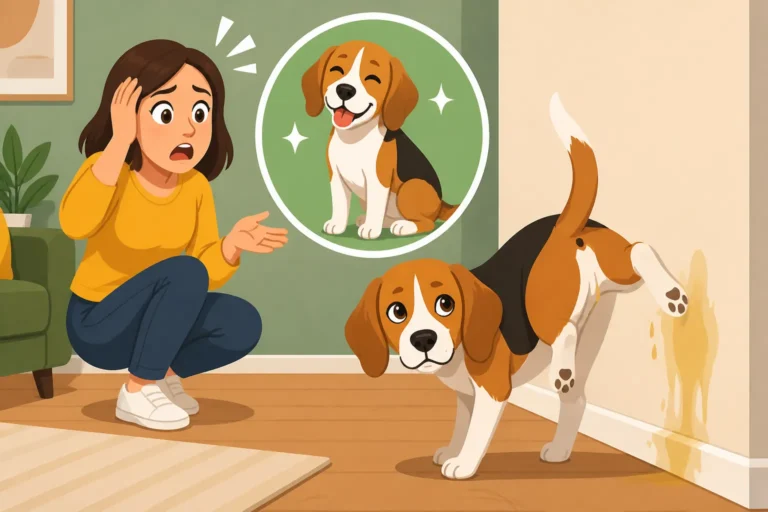
This inherent need for company is a big reason why owners consider daycare. The thought of their beloved hound spending the day surrounded by other dogs, feeling like part of a vibrant pack, is incredibly appealing. Daycare promises to fill that social void, potentially reducing destructive behaviors like chewing furniture or inappropriate urination, which often stem from stress and loneliness. You want them to feel safe and engaged, not anxious and desperate. If you're seeing signs like constant pacing, excessive drooling, or frantic greetings upon your return, your Beagle might be experiencing Beagle Separation Anxiety in a Pack Breed, and daycare could be an attempt to address that.
Unmatched Energy Levels and Scent Drive
Beyond their social needs, Beagles are little powerhouses of energy. They might be smaller dogs, but they have the stamina of a working hound. A quick twenty-minute walk around the block simply isn't going to cut it for a Beagle whose ancestors routinely tracked scents for miles. Their incredible nose, with its 220 million scent receptors, means they are constantly processing the world through smell, and this requires immense mental engagement.
Without adequate outlets for this energy and their powerful scent drive, Beagles can become bored, restless, and destructive. They'll find their own "jobs" to do, which often involves redecorating your couch with their teeth or digging up your prized rose bushes. Daycare, with its promise of supervised play, varied activities, and plenty of opportunities to explore, offers a compelling solution to this challenge. Imagine them running, wrestling, and sniffing to their heart's content all day, coming home genuinely tired rather than still buzzing with pent-up energy. This is particularly important because Beagle Exercise Needs at Every Age are significant, even into their senior years.
How Dog Daycare Environments Interact with Beagle Traits
So, you're convinced daycare sounds like a dream. But how does the reality of a typical dog daycare environment actually mesh with a Beagle's unique personality and instincts? It’s not always a perfect fit, and understanding both the upsides and the potential downsides is key to making an informed decision.
The Good: Socialization, Structure, and Exhaustion
When daycare works well for a Beagle, it can be truly transformative. For one, it offers unparalleled socialization opportunities. A well-run daycare introduces your Beagle to a variety of other dogs, teaching them appropriate play behaviors and improving their overall social skills. This can be especially beneficial for puppies or Beagles who haven't had much exposure to diverse canine personalities. They learn to read other dogs' cues, share space, and engage in healthy interactions, which is vital for a pack-oriented breed.
Daycare also provides a structured environment. Many facilities follow a routine of play sessions, rest times, and even some basic training exercises. This consistency can be very calming for a dog and helps burn mental as well as physical energy. Instead of anxiously waiting for you, your Beagle has a schedule to follow, reducing the chances of The Howling That Means Beagle Separation Anxiety.
And then there's the exhaustion factor. The holy grail for many Beagle owners is a dog that comes home utterly spent, ready to curl up and sleep through the night. A good daycare, with ample space and supervised play, can achieve this. Your Beagle might spend hours romping with friends, chasing balls, or simply exploring a new environment. This kind of sustained physical and mental activity can ensure they're pleasantly tired, not just bored, when you pick them up. It's a fantastic feeling to see your Beagle genuinely happy and relaxed after a day of appropriate stimulation.
The Bad: Overstimulation, Noise, and Scent Overload
However, daycare isn't a panacea, and for some Beagles, it can actually be detrimental. One of the biggest concerns is overstimulation. Imagine a busy daycare with dozens of dogs, constant barking, running, and new smells everywhere. For a highly sensitive Beagle, this can quickly become overwhelming rather than enjoyable. Their natural pack drive, combined with a keen sense of smell, can make them hyper-aware of every interaction and scent, leading to stress, not relaxation. Instead of a "good tired," they might come home "stress tired" – wired, agitated, and unable to settle.
The sheer noise level is another significant factor. Beagles are vocal dogs, known for their distinctive bay. While some might join in the chorus of barks, others might find the constant cacophony anxiety-inducing. Daycare environments rarely offer true quiet zones, which can be crucial for a dog to decompress.
Furthermore, a Beagle's powerful nose, which is usually a blessing, can turn into a curse in a high-traffic environment. Every new dog brings a unique scent, every corner holds a fascinating (or alarming) odor, and this constant "scent overload" can be exhausting. Instead of leisurely enjoying a Scent Walks That Wear a Beagle Out, they might be overwhelmed by the sheer volume of competing information, making it hard for them to truly relax or engage meaningfully. For a Beagle prone to Beagle Skin Allergies and Constant Itching, exposure to numerous unknown dogs and their dander could also trigger flare-ups.
Factors to Consider When Choosing Daycare for Your Beagle
If you're still considering daycare, finding the right daycare is paramount, especially for a breed as unique as the Beagle. It's not just about finding any place that takes dogs; it's about finding a facility that understands and caters to hound-specific needs.
Staff-to-Dog Ratio and Supervision Style
This is perhaps the most critical factor. A high staff-to-dog ratio means more eyes are on the pups, ensuring safe play and intervention before conflicts arise. For Beagles, who can sometimes be overly enthusiastic or single-minded when a scent captures their attention, attentive staff are essential. They should be able to recognize subtle signs of stress, overstimulation, or potential aggression in any dog, and know when to separate or provide a break.
Ask about their supervision style. Do they simply let dogs "free play" all day, or do they organize structured activities? Are there designated rest periods in quieter zones? A good daycare will have staff who understand hound behavior – their tendency to follow their nose, their vocal nature, and their need for both mental and physical exercise. They should also be well-versed in positive reinforcement methods. If you've been working on specific commands or manners using training programs like BAXTER & Bella, you'll want to ensure the daycare environment supports, rather than undermines, that training.
Environment: Indoor vs. Outdoor Space and Activities
The physical environment of the daycare is also crucial. Look for a facility that offers a good balance of indoor and outdoor space. While indoor play areas are fine for inclement weather, Beagles truly thrive when they can sniff and explore outdoors. A fenced, secure outdoor area is ideal, offering opportunities for running, rolling in the grass, and, yes, plenty of sniffing.
Enquire about the types of activities they offer. Is it just free-for-all play, or do they incorporate mental stimulation like puzzle toys or scent games? Even short bursts of Indoor Enrichment for a Rainy Beagle Week can make a big difference. Some Beagles, especially those easily overwhelmed, might benefit from smaller play groups or "chill-out" zones where they can decompress. A busy, concrete-only facility might provide exercise, but it won't satisfy a Beagle's deep-seated need to explore and engage their primary sense.
Trial Periods and Gradual Introductions
No matter how great a daycare sounds on paper, the true test is how your Beagle responds. A reputable facility will offer a trial period, often a half-day evaluation, to assess your dog's temperament and compatibility with their environment and other dogs. This isn't just for their benefit; it's for yours. Observe your Beagle's behavior before and after their trial day. Are they excited to go back, or do they seem reluctant? Do they come home happy and tired, or stressed and withdrawn?
A gradual introduction, starting with short visits and slowly increasing the duration, can help some Beagles adapt better. Don't push it if your Beagle shows consistent signs of distress. It's okay if daycare isn't for them. Some Beagles simply do better with more individualized attention, and forcing them into a high-energy group setting can do more harm than good. Listen to your Beagle; they'll tell you what they need, even if it's not what you initially hoped for.
Alternatives and Complementary Strategies to Daycare
Sometimes, despite your best efforts, traditional daycare just isn't the right fit for your Beagle. That's perfectly okay! There are plenty of other fantastic options and strategies to ensure your hound remains happy, healthy, and well-adjusted while you're away. In fact, many owners find a combination of these methods works best, even if their Beagle does enjoy daycare.
Hiring a Dedicated Dog Walker or Pet Sitter
For some Beagles, particularly those who are easily overstimulated or prefer one-on-one attention, a dedicated dog walker or pet sitter can be a far superior solution. A professional walker can come to your home, give your Beagle a customized walk focusing on their beloved sniffing, and even provide some individual play or cuddle time. This means your Beagle gets to stay in their familiar environment, reducing stress, while still getting crucial exercise and mental stimulation.
A good dog walker understands the unique needs of a Beagle. They know a "sniff walk" is often more tiring and fulfilling than a brisk trot. They can let your Beagle follow interesting trails, explore new scents, and even work on some basic obedience cues in a calm setting. Imagine your Beagle spending an hour following a rabbit trail in a safe, fenced park with a trusted human – that's often more satisfying than being one of twenty dogs in a loud play yard. Many dog walking services offer different visit lengths and frequencies, allowing you to tailor the care to your Beagle's specific routine and energy levels. This can be especially helpful if your Beagle is prone to Beagle Ear Infections Under Those Long Ears and needs extra care after walks in damp areas.
Enrichment at Home: Puzzle Toys and Scent Work
Don't underestimate the power of mental enrichment at home. Beagles are incredibly intelligent and driven by their noses, making puzzle toys and scent work natural fits for keeping them engaged. Instead of leaving them with nothing to do, provide them with "jobs" that tap into their innate abilities.
- Puzzle Feeders: These toys make your Beagle work for their food, slowing down their eating and engaging their brain. Brands readily available on Amazon offer a wide variety, from simple snuffle mats to more complex interactive puzzles. Using a Puzzle Feeders That Genuinely Slow a Beagle can turn mealtime into a stimulating activity rather than a quick gulp.
- Scent Games: Hide treats around the house and encourage your Beagle to sniff them out. Start easy, then gradually increase the difficulty. This is a fantastic way to tire them out mentally without needing a lot of space. You can even use specific commands you've learned through a training program, such as those offered by BAXTER & Bella, to make these games more structured.
- Chew Toys: Provide durable, safe chew toys that can withstand a Beagle's strong jaws. Chewing is a natural, calming behavior for dogs and can help alleviate boredom and stress.
Remember, a tired mind is just as important as a tired body for a Beagle. Incorporating these enrichment activities can prevent destructive behaviors and keep your Beagle happier while you're out.
Creating a "Safe Haven" at Home
Finally, focus on making your home a truly comfortable and secure space for your Beagle when they're alone. This often involves effective Beagle Crate Anxiety Against Crate Comfort. A crate, when introduced properly and made into a positive den, can be a safe haven where your Beagle feels secure and can relax without feeling the need to patrol the house. Ensure it's the right size, comfortable with soft bedding, and located in a quiet area of the house.
Consider using calming aids if your Beagle struggles with anxiety. These can range from pheromone diffusers and sprays to calming supplements or even background noise like classical music or a white noise machine. Some owners find that leaving a worn piece of their clothing, imbued with their scent, can provide comfort. The goal is to create an environment where your Beagle feels safe, not abandoned, and can truly rest rather than stressing until your return. A well-prepared home, combined with exercise and mental stimulation, can often be more effective than a potentially overstimulating daycare environment.
| Feature | Doggy Daycare | Dedicated Pet Sitter/Walker | Home Enrichment/Safe Haven |
|---|---|---|---|
| Social Interaction | High (many dogs) | Low to Moderate (human-focused, maybe one other dog) | Low (family pets only) |
| Physical Exercise | High (group play, supervised activities) | Moderate to High (customized walks, play) | Moderate (owner-initiated play, walks) |
| Mental Stimulation | Moderate (novelty, some structured games) | Moderate to High (sniff walks, individual attention) | High (puzzle toys, scent games, training) |
| Stress Level Potential | High (overstimulation, noise, scent overload) | Low (familiar environment, personalized care) | Low (familiar environment, controlled stimuli) |
| Cost | Daily/weekly fees | Per visit/hourly fees | One-time purchase for toys, no ongoing fees |
| Beagle Suitability | Good for social, resilient Beagles | Excellent for all Beagles, especially sensitive ones | Excellent as a primary or supplementary strategy |
Disclaimer
This article is for general informational purposes only and does not constitute professional advice. Laws, prices and regulations vary by location and change over time. Consult a qualified professional for guidance on your specific situation.