A Beagle Marking Indoors After Months of Being Clean
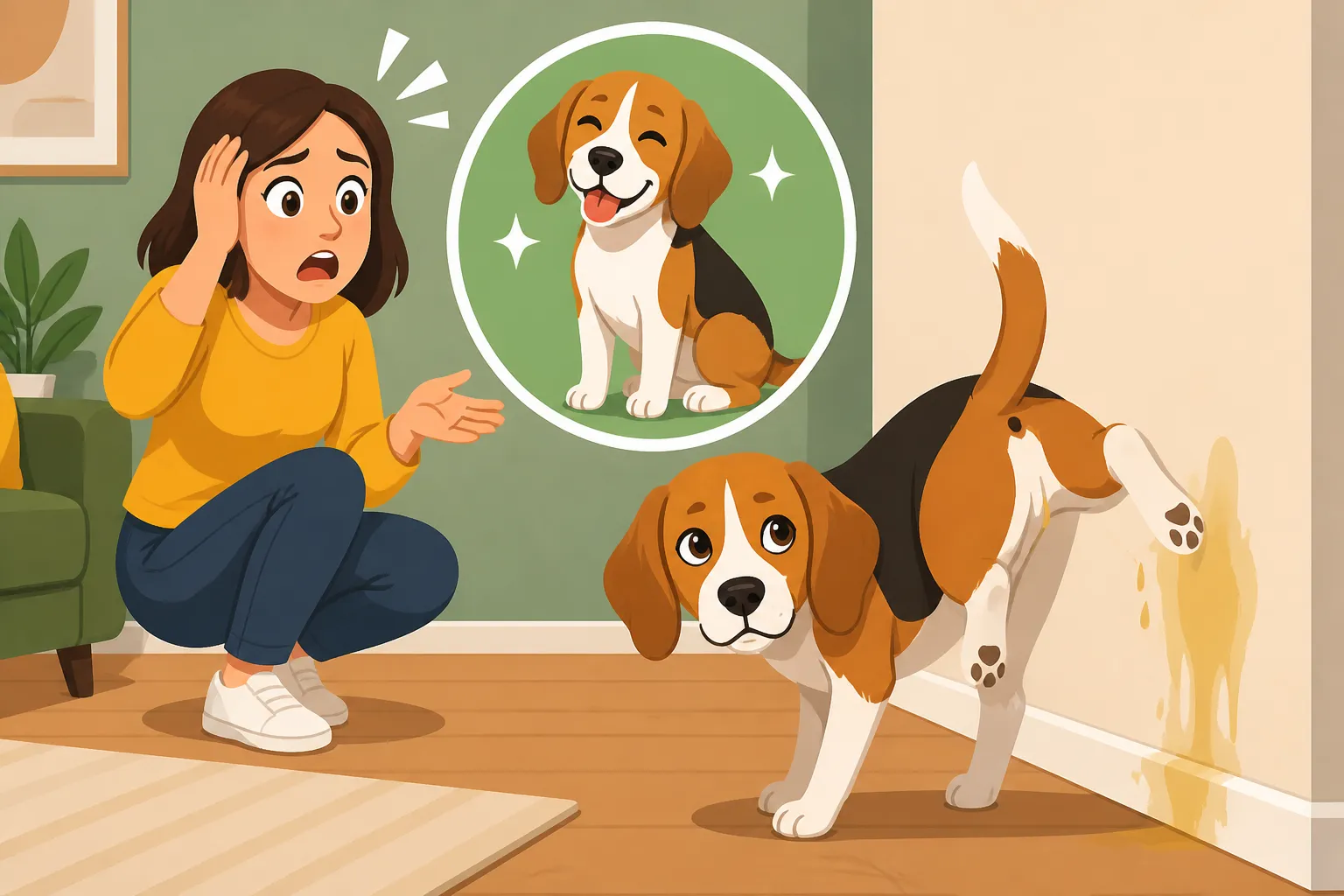
It’s truly baffling and frustrating when your Beagle, who’s been a perfect angel for months, suddenly decides your favorite rug or the leg of the dining room table is the perfect spot for a little pee. You thought those days were long behind you! This guide is here to help you understand why your once-clean Beagle might be marking indoors and, more importantly, what steps you can take to stop it and restore peace (and cleanliness) to your home.
Understanding Why Your Beagle Might Start Marking Indoors
When a previously house-trained Beagle suddenly starts marking indoors, it's rarely out of spite or because they've forgotten their training. It's usually a clear signal that something has changed for them, either physically, emotionally, or within their environment. Think of it as your Beagle's way of sending up a flare, trying to communicate discomfort or a need. The key is to become a detective and figure out what that message truly is.
Distinguishing Between Urination and Marking
First, let's clarify what "marking" truly means. Urination is typically when your dog empties their bladder fully. They might squat or lift a leg for a longer duration, and the volume of urine is usually significant. Marking, on the other hand, is generally a smaller amount of urine, often sprayed on vertical surfaces like furniture legs, walls, or curtains. It's done with purpose, frequently to communicate presence, territory, or stress, rather than simply relieving a full bladder. Intact male Beagles are notorious for this, but spayed females can also mark, especially if there's a new perceived threat to their territory or emotional upset. Recognizing the difference helps you narrow down the potential causes.
A Beagle might also pee in the house if they have a medical issue leading to incontinence, which isn't marking at all. They might not even realize they're doing it, or simply can't hold it. This is why the first step is always to consider health before jumping to behavioral conclusions.
Common Reasons for Indoor Marking
The reasons a Beagle might suddenly revert to marking indoors are varied, encompassing a wide range of possibilities from simple environmental changes to deeper medical or psychological issues. It's like a puzzle, and you'll need to look at all the pieces.
Medical Factors: Sometimes, what looks like marking is actually a sign of an underlying health problem. A urinary tract infection (UTI) can cause increased urgency and discomfort, leading to small, frequent urination. Bladder stones or even kidney issues can also manifest in similar ways. Pain, especially back pain, might make it difficult or uncomfortable for your Beagle to maintain their typical outdoor potty posture, so they might relieve themselves more quickly indoors. Even cognitive decline in older Beagles can lead to a loss of house-training. Beagle Bladder Stones in a Beagle and Diet Changes and Beagle Kidney Disease in an Old Beagle are good resources if you suspect these issues.
Behavioral & Emotional Factors: Beagles are highly social and sensitive creatures, and their behavior is often a reflection of their emotional state.
- Territoriality: This is a big one for Beagles, especially intact males. If a new dog has moved into the neighborhood, or even if a stray cat has been lurking outside your window, your Beagle might feel the need to reinforce their boundaries inside the home.
- Anxiety and Stress: Changes in routine, new people, new pets, moving to a new home, or even loud noises can cause significant stress. A Beagle might mark to self-soothe or to try and create a sense of control in an unsettling environment. Beagle Separation Anxiety in a Pack Breed covers a specific type of anxiety that can lead to marking.
- Seeking Attention: While less common for true marking, a Beagle might learn that urinating indoors gets an immediate (albeit negative) reaction from you. If they feel ignored, even a scolding is attention.
- Changes in the Household: A new baby, a different work schedule, a family member leaving, or even new furniture can upset a Beagle's sense of stability, prompting them to mark as a coping mechanism.
Environmental Factors: The physical space itself can play a role.
- New Smells: If you've had guests with other dogs, or brought in new furniture that carries unfamiliar scents, your Beagle might feel compelled to "re-mark" its territory.
- Incomplete Cleaning: If previous accidents weren't thoroughly cleaned with an enzymatic cleaner, the lingering scent (undetectable to us, but glaringly obvious to a Beagle's powerful nose) can act as a beacon, inviting them to mark in the same spot again.
The First Step: A Comprehensive Vet Check-Up
Before you even begin to think about behavioral modifications, it is absolutely paramount to rule out any underlying medical conditions. You simply cannot effectively address a behavioral problem if the root cause is physical pain or illness. Imagine trying to train someone not to cough when they have a cold – it just won’t work until the cold is treated.
Why a Medical Check is Non-Negotiable
A sudden change in house-training habits, especially marking, is a red flag that your Beagle's body might be sending you. Conditions like urinary tract infections (UTIs) are incredibly common and can cause frequent, uncontrolled urination or marking due to discomfort and urgency. Bladder stones, kidney disease, diabetes, or even more serious issues like neurological problems or spinal discomfort (which Beagles can be prone to, as discussed in Beagle Disc Disease and That Slightly Long Back) could be the culprit. A dog in pain might avoid going outside if the movement to get there or the posture required to urinate is uncomfortable.
Sometimes, the marking isn't even truly marking in the territorial sense, but rather a lack of bladder control due to age or illness. For older Beagles, conditions such as Beagle Cognitive Decline in a Senior Beagle can lead to confusion about appropriate potty spots. These are all things that only a veterinarian can properly diagnose.
What to Expect at the Vet Appointment
When you take your Beagle to the vet, be prepared to give a detailed history. Your vet will want to know:
- When did this start? Was it sudden, or a gradual decline?
- How often is it happening? Daily, weekly, only in specific situations?
- Where is your Beagle marking? On vertical surfaces, or just puddles on the floor?
- What is the volume of urine? Is it large amounts, or small squirts?
- Have there been any other changes? Changes in diet, thirst, activity level, appetite, behavior, or household routine?
- Is your Beagle spayed/neutered? This is crucial, as intact males are far more likely to mark for territorial reasons. Beagle Behavior Changes After Neutering can shed light on how this procedure can influence such behaviors.
Your vet will likely start with a thorough physical examination, paying close attention to your Beagle's abdomen, bladder, and spine. They will almost certainly recommend a urinalysis to check for infection, crystals, or other abnormalities in the urine. Blood tests might also be suggested to check kidney function, blood sugar levels, and other indicators of overall health. In some cases, imaging like X-rays or ultrasound might be necessary to look for bladder stones or other internal issues. It's a bit like getting to the bottom of Beagle Emergency Signs That Cannot Wait Until Morning—you need professional eyes on the situation.
Only once your vet gives your Beagle a clean bill of health, stating that there are no medical reasons for the indoor marking, should you proceed to tackle the problem from a purely behavioral standpoint. Ignoring this step could lead to prolonged suffering for your beloved Beagle.
Decoding Behavioral Marking in Beagles
Once your vet has given the all-clear, it’s time to don your behavioral detective hat. Beagles are driven by their instincts, and marking is often a deeply ingrained communication tool for them. Understanding the 'why' behind their behavior is the first step toward effective intervention.
Territorial Marking
Beagles, despite their friendly demeanor, can be quite territorial, especially unneutered males. Their keen sense of smell, far superior to ours (as explored in How Far a Beagle Can Actually Smell), means they detect every nuance of scent in their environment.
- Triggering Factors: New dogs in the neighborhood, unfamiliar people visiting, or even just the scent of another animal carried in on your shoes can trigger a Beagle to feel the need to reinforce its presence. It's their way of saying, "This is my home, my space, my pack." If you have multiple dogs, especially if there's a new dog, or one reaching social maturity, marking can be a way of establishing dominance or hierarchy within the pack. Even seeing another dog pass by the window can be enough for some Beagles to feel threatened and mark.
- Mitigation: If territoriality is the issue, management is key. Restricting access to windows where they can see other dogs might help. Thoroughly cleaning any marked areas with an enzymatic cleaner (like those easily found on Amazon) is essential to remove the scent, as simply scrubbing with regular soap won't eliminate the deep-set odors that attract a Beagle back to the same spot. Consider a belly band for male Beagles (also available on Amazon) during times you can't supervise them directly; while not a training solution, it prevents accidents and helps break the habit.
Anxiety and Stress-Related Marking
Beagles thrive on routine and stability. Any disruption can lead to anxiety, and for some dogs, marking is a direct manifestation of that stress.
- Common Stressors: Moving to a new house, a new baby or pet arriving, a change in your work schedule leading to more alone time, or even loud construction noise can be profoundly unsettling. Some Beagles develop Beagle Separation Anxiety in a Pack Breed which can lead to inappropriate urination or marking when left alone. The act of marking, for them, can be a way to self-soothe or exert some control in an otherwise unpredictable world. Imagine your Beagle is trying to "scent-mark" their comfort zone, or simply can't hold it due to stress.
- Addressing Anxiety: Identifying and, if possible, removing or mitigating the stressor is crucial. For separation anxiety, gradually increasing alone time, providing high-value enrichment toys, and creating a safe, comfortable space (like a Beagle Crate Size and Crying Through the Night that feels like a den) can help. Consider training games that build confidence, such as those that might be offered through programs like BAXTER & Bella, which focus on positive reinforcement and skill-building. Increasing exercise, particularly mental exercise like scent work (Scent Work as the Job a Beagle Was Built For), can also help reduce overall anxiety levels.
Incomplete House-Training or Regression
While you thought your Beagle was perfectly house-trained, sometimes a slight lapse in consistency or a strong new trigger can lead to regression.
- Reinforcing Good Habits: Even an adult Beagle can benefit from a refresher course in house-training. Take them out frequently, praise and reward lavishly for eliminating outdoors, and closely supervise them indoors. If you can't supervise, use a crate or a designated pet-proof area. Treat your Beagle like a puppy again for a short period.
- Cleaning is Crucial: As mentioned, if the scent of past accidents isn't completely removed, your Beagle's powerful nose will always draw them back to the "bathroom spot." Invest in a good enzymatic cleaner and use it liberally, following the product instructions.
Practical Strategies to Stop the Marking
Once medical causes are ruled out and you've identified potential behavioral triggers, it's time to implement a multi-faceted approach to stop the indoor marking. Consistency, patience, and positive reinforcement are your best tools.
Thorough Cleaning and Odor Elimination
This step cannot be overstressed. Beagles have an incredible sense of smell, far more potent than ours. If you can still faintly detect the odor of urine, your Beagle can smell it intensely. That lingering scent acts like a giant "pee here" sign for them.
- Enzymatic Cleaners are a Must: Regular household cleaners might mask the smell for humans, but they don't break down the uric acid crystals that make up the strong odor. You need an enzymatic cleaner. These cleaners contain special enzymes that actually digest the urine proteins, completely eliminating the scent. There are many effective brands available on Amazon.
- How to Use Them: Blot up as much urine as possible with paper towels. Then, saturate the soiled area with the enzymatic cleaner, letting it soak for the time recommended on the bottle (often 10-15 minutes or longer). This allows the enzymes to do their work. Blot it dry, rather than scrubbing, which can spread the odor. You might need to repeat this process several times for older or particularly stubborn stains. For areas like carpet or upholstery, consider renting a carpet cleaner after initial enzyme treatment to ensure deep penetration.
Management and Supervision
Prevention is always better than cure. If your Beagle can't mark, they can't practice the behavior.
- Constant Supervision: When your Beagle is indoors and not crated, they need to be within your sight at all times. Use a leash indoors, attach it to your belt, or keep them in the same room as you. This allows you to immediately interrupt any pre-marking behaviors (like sniffing intently or circling) and redirect them outside.
- Crate Training: If you have to leave your Beagle unsupervised, even for a short time, a properly sized crate can be invaluable. A dog is generally unlikely to soil their den. Ensure the crate is comfortable and not used as punishment. Beagle Crate Size and Crying Through the Night has more on choosing the right crate.
- Belly Bands (for males) / Diapers (for females): These are not training solutions but can be excellent management tools to prevent marking when you can't supervise. They act as a barrier, catching any urine and preventing it from soiling your home. This can help break the habit of marking in specific spots and reduce your frustration, giving you time to implement other training. Make sure they fit snugly but aren't too tight, and check them frequently.
Redirection and Retraining
This is where you actively teach your Beagle where they should go.
- Increased Potty Breaks: Take your Beagle outside much more frequently, even every hour or two, especially after waking up, eating, or playing. Praise and reward them lavishly with high-value treats and enthusiastic verbal praise every single time they eliminate outside. Make it the best thing ever!
- Scheduled Walks: Stick to a consistent schedule for walks and potty breaks. Beagles thrive on routine, and knowing when to expect their outdoor time can reduce anxiety and marking.
- Positive Reinforcement: When you catch your Beagle in the act indoors, do not scold or punish them. This can make them afraid to pee in front of you, which just teaches them to sneak off and mark when you're not looking. Instead, calmly interrupt them (e.g., clap your hands once) and immediately take them outside to their designated potty spot. If they finish outside, reward them.
- Addressing Underlying Anxiety: If anxiety is a major factor, consider calming aids, pheromone diffusers, or discussing anti-anxiety medication with your vet. Enrolling in a positive reinforcement training program, perhaps even online through resources like BAXTER & Bella, can help build your Beagle's confidence and give them a structured outlet for their energy. Remember that Beagle Exercise Needs at Every Age are significant, and a tired Beagle is often a less anxious Beagle.
Environmental Adjustments
Sometimes, small changes to the environment can make a big difference.
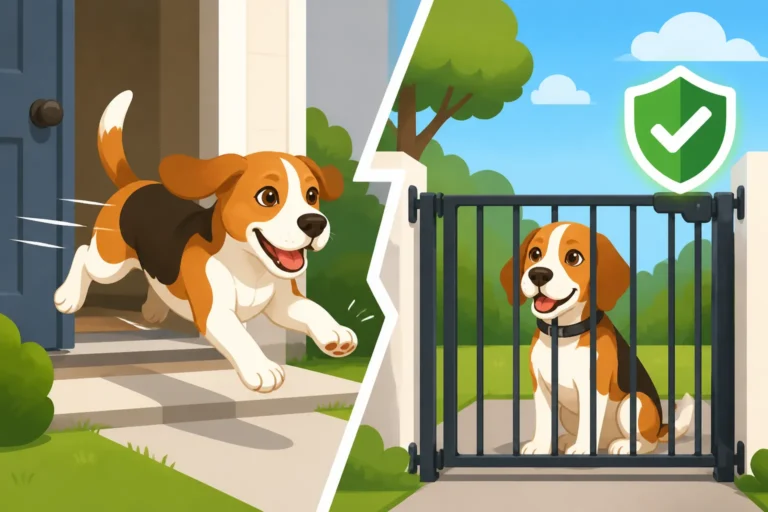
- Remove Triggers: If your Beagle marks a specific piece of furniture or an area by a window, block access to it. You can place an obstacle in front of the spot, or temporarily put up baby gates.
- Neutralize Scent: If you suspect another animal's scent is triggering the marking (e.g., a new dog moved in next door, or a cat has been spraying outside), try to neutralize those outdoor scents too, if possible, or make your indoor environment feel more secure for your Beagle.
- Enrichment: A bored or under-stimulated Beagle might resort to unwanted behaviors. Provide plenty of mental stimulation with puzzle toys (many available on Amazon), scent games, and regular training sessions. Sniffing Walks and Why They Tire a Beagle Out is a great article on enriching their lives through their strongest sense.
By combining thorough cleaning, vigilant management, positive retraining, and addressing any underlying emotional needs, you can help your Beagle stop marking indoors and restore peace and cleanliness to your home.
| Possible Cause of Indoor Marking | Common Signs/Indicators | Initial Steps to Take |
|---|---|---|
| Medical Issue | Frequent small urinations, straining, discomfort, excessive licking, changes in thirst/appetite, general lethargy. | Vet visit immediately for urinalysis, blood work, and physical exam. Don't skip this! |
| Territoriality | Often intact males, marking vertical surfaces, typically small amounts, triggered by new pets/people/outdoor dog scents. | Neuter (if not already), use enzymatic cleaners, block access to "hot spots", use belly band for supervision gaps. |
| Anxiety/Stress | Marking when left alone (separation anxiety), during thunderstorms/fireworks, after routine changes (moving, new baby), often accompanied by other anxiety signs (chewing, howling). | Identify and reduce stressor, increase exercise/mental stimulation, crate training, calming aids, consult a professional trainer. |
| Incomplete Training/Regression | Marking in familiar indoor spots, especially if outdoor access is inconsistent or rewards are lacking. | Supervise constantly, frequent outdoor potty breaks with high reward, re-establish strong routine. |
| Attention Seeking | Marking happens when you are home but busy, and immediately gets a reaction (even negative). | Ensure sufficient positive attention, ignore marking (clean later), interrupt calmly and redirect outside for reward. |
Disclaimer
This article is for general informational purposes only and does not constitute professional advice. Laws, prices and regulations vary by location and change over time. Consult a qualified professional for guidance on your specific situation.