Beagle Door Dashing and Gate Safety
That heart-stopping moment when the front door swings open, just a crack, and your Beagle — bless its adventurous, scent-driven soul — is suddenly a blur, disappearing down the street. It’s a fear every Beagle owner knows intimately, that dread of an open gate or an unlatched door leading to a frantic search. This guide will walk you through the undeniable instinct behind Beagle door dashing and, more importantly, equip you with the strategies, training, and physical safeguards to keep your beloved hound safe and sound.
Understanding the Beagle's Door Dashing Instinct
Let's be real: your Beagle isn't trying to be naughty when it bolts. It's simply being a Beagle, following an instinct that's been hardwired into the breed for centuries. Understanding this inherent drive is the first step in managing it, rather than constantly fighting against it.
The Scent-Driven Motivation
Imagine having a nose that's thousands of times more powerful than a human's, capable of detecting the faintest whispers of scent. That's your Beagle. To them, the world outside your door is a complex tapestry of smells, each thread telling a story: a squirrel that ran across the porch an hour ago, the neighbor's cat from three houses down, a patch of clover where a rabbit munched last night. When a door or gate opens, it's not just a physical exit; it's an invitation to an overwhelming sensory experience. The allure of these outdoor scents is practically irresistible, pulling them forward with an almost magnetic force. It's why they walk with their nose to the ground, constantly processing information. This isn't disobedience; it's instinct in action.
The Thrill of the Chase or New Scent
For a breed originally developed to hunt small game like rabbits, the instinct to pursue a trail is incredibly strong. Even if your Beagle has never seen a rabbit in its life, that ancestral drive remains. An open door presents an opportunity for adventure, for chasing that intriguing scent, for exploring the unknown. It's a sudden, thrilling freedom that overrides any training they might have had in the calm of the living room. They're not consciously defying you; they're simply responding to an ancient call. This deep-seated drive means that even a well-trained Beagle can be momentarily deaf to your calls once a truly captivating scent hits their formidable nose. It's why we always say, Why a Beagle Should Never Be Off Leash Unfenced.
Common Scenarios Where Dashing Occurs
Door dashing isn't limited to just the front door. Beagles are opportunistic escape artists, and once they've experienced the thrill of freedom, they'll look for any avenue to repeat the experience. Recognizing these common scenarios helps you anticipate and prevent them.
The Front Door Frenzy
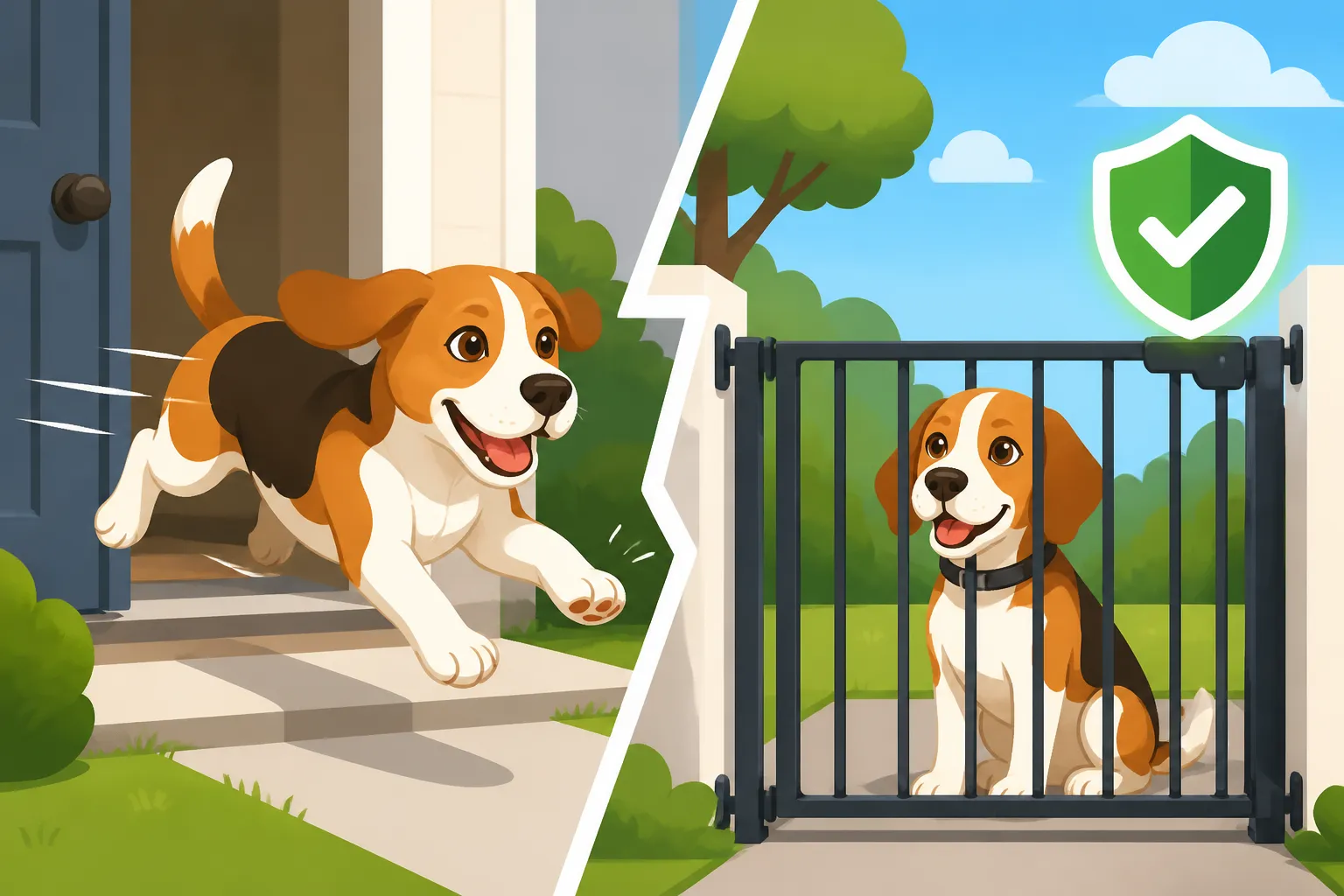
This is perhaps the most classic scenario. You're juggling groceries, a package delivery arrives, or a guest knocks, and poof – your Beagle is out the door. The excitement of a visitor, coupled with the momentary distraction of a human, creates the perfect storm. The threshold of your front door becomes a launchpad. Even if you think you're fast, a Beagle is often faster, especially if they've been waiting for that opportunity. They can slip through a narrow gap or dart past your legs before you've even fully processed what's happening. This isn't just an inconvenience; it's a genuine safety hazard, putting them at risk from traffic or getting lost.
The Backyard Gate Escape
Many Beagle owners assume their fenced backyard is a fortress, only to discover their hound's Houdini-like talents. A gate left ajar, a latch not fully secured, or even a gate that simply isn't sturdy enough can become an escape route. Beagles are incredibly adept at testing boundaries and exploiting weaknesses. They'll nudge, push, dig, or even try to climb if given the chance. Sometimes, it's as simple as a strong wind blowing a light gate open. This is particularly common if there's an interesting scent on the other side of the fence, like another dog walking by or wildlife passing through. It's important to understand How a Beagle Finds the One Gap in a Fence and to maintain vigilance.
Car Door Dashing and Travel Risks
It's not just house doors and gates you need to worry about. The car door can be just as inviting for a Beagle, especially if they associate car rides with exciting destinations like the dog park or a hiking trail. The moment that door opens, they might try to leap out, whether the car is parked or still in motion. This can be incredibly dangerous, both for your Beagle and for other vehicles or pedestrians. Even during routine vet visits or quick stops, if your Beagle isn't securely leashed or crated, they might seize the opportunity to dash. Always consider proper restraints like a crash-tested harness or a secure crate when traveling to prevent these kinds of incidents.
Essential Safety Measures and Containment Strategies
Preventing door dashing is a multi-faceted approach that combines physical barriers with diligent management and consistent training. You can't just rely on one method; a layered defense is truly the best strategy for a Beagle.
Layered Security for Your Home
The goal here is to create redundant systems so that if one fails, another is there to back it up. Think of it like a series of airlocks. For your front door, baby gates are your best friend. A sturdy, pressure-mounted gate positioned a few feet inside the main entrance can create a safe zone, preventing your Beagle from being directly at the door when it opens. For doors to the garage or other exits, consider a second gate. These gates don't have to be permanent fixtures; many models, available from retailers like Amazon, are easy to install and remove as needed.
Beyond physical barriers, cultivate household habits. Teach everyone in the home, including children and guests, to announce when they are opening an exterior door. A simple "Door!" can be a cue for your Beagle to lie down or for you to secure them. Always have a leash handy near the door and clip it on before opening the door, even if it's just to grab the mail. This instant physical connection gives you control. Furthermore, consider a double-door entry system if you have an enclosed porch, or even a simple gate at the top of a short set of stairs leading to a main door. These layers significantly reduce the risk of a spontaneous dash.
Reinforcing Backyard Perimeters
For your yard, it's not enough to have a fence; you need a Beagle-proof fence. This means checking for gaps, loose panels, and especially ensuring the gate latches are secure and robust. Beagles are notorious for their digging prowess, so consider burying a wire skirt or a line of concrete pavers along the base of your fence to prevent them from digging out. Standard gate latches often aren't enough; adding a secondary carabiner clip or a padbolt can provide extra security. Regularly inspect your fence line for any signs of wear, digging attempts, or weaknesses, especially after storms. Remember, if a gate can be nudged open by a determined Beagle, it's not secure. Some owners even use wireless alarms on gates that alert them when the gate opens. Having a Beagle GPS Collars and Tracking Tags on your dog is also a wise backup, should an escape occur despite your best efforts.
| Scenario | Primary Risk | Immediate Solution | Long-Term Strategy |
|---|---|---|---|
| Front Door Opening | Beagle slips out unnoticed | Baby gate barrier; Leash always ready | "Wait" training; Designated "safe" spot |
| Backyard Gate Ajar | Digging under; Pushing through | Double latch on gate; Digging barrier | Regular fence inspections; Stronger gates |
| Car Door Opening | Leaping out into traffic | Crate or secure harness; Leash on before exit | "Stay" in car; Controlled exits |
| Guests Arriving | Distraction leads to escape | Pre-leash Beagle; Confine to another room | "Place" training; Guest education |
| Delivery Person | Brief open door while accepting package | Door guard; Leash always ready | "Wait" training; Install a package box |
Training Protocols for Door Manners
While physical barriers are crucial, training provides another layer of defense. Teaching your Beagle good door manners means they learn that an open door isn't an automatic ticket to freedom, but rather a cue to wait patiently. Start with basic obedience commands like "sit" and "stay" away from the door, gradually moving closer. The ultimate goal is to teach a strong "wait" or "stay" command right at the threshold. This means they remain in place until you give a release cue.
Consistency is key. Every single time you approach a door or gate, practice this protocol. Never let them dash out, even if you're holding their leash. They need to understand that you control the opening and closing, and you dictate when they can proceed. This takes immense patience, especially with a Beagle's natural exuberance, but it pays off in safety. A structured online program, like those offered by BAXTER & Bella, can provide step-by-step guidance on teaching these vital commands and impulse control around doorways.
Training Your Beagle for Door and Gate Control
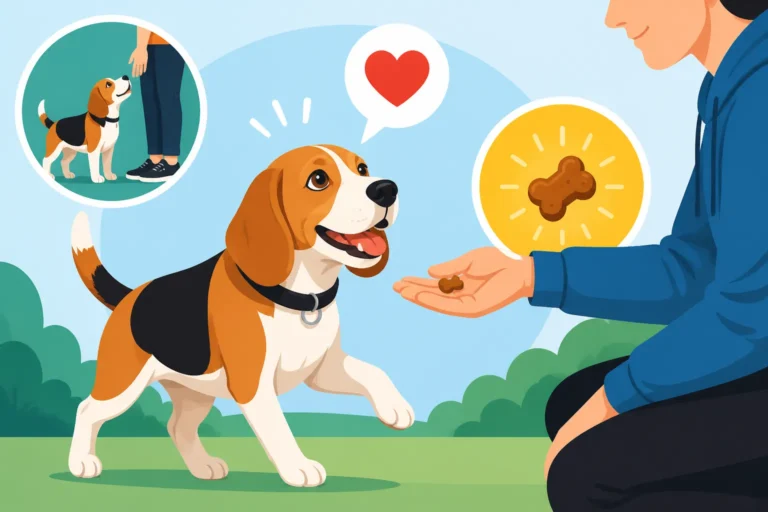
Effective training isn't about eradicating a Beagle's natural instincts, but rather about channeling them and teaching appropriate responses to common triggers like an open door. This takes consistency, patience, and a lot of high-value treats!
The "Wait" Command at Thresholds
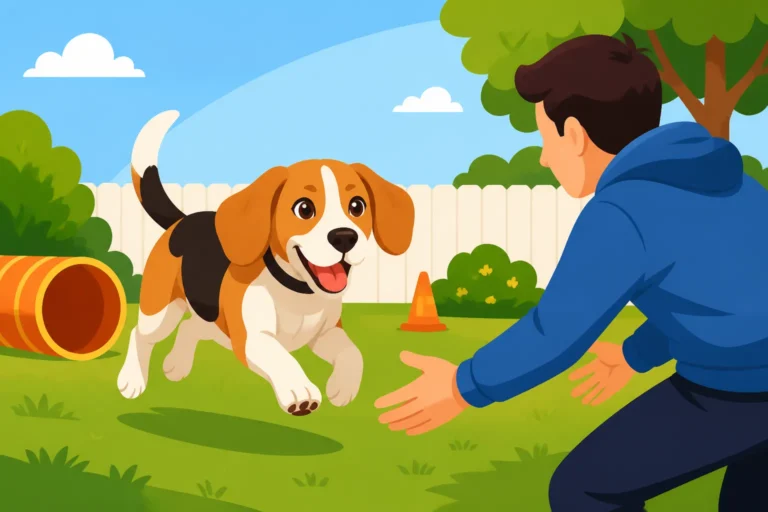
The "wait" command is your absolute best friend when it comes to doors and gates. It teaches your Beagle that even if the door is open, they are not to cross the threshold until given permission. Start practicing this in a low-distraction environment, like an interior doorway. Have your Beagle on a leash, ask them to "wait" as you reach for the doorknob, then open it slightly. If they stay, reward them lavishly. Gradually increase the door's opening and the duration of the "wait."
Once they're reliable, move to an exterior door. The key is to never let them rush out. If they break the "wait," immediately close the door and restart the exercise. They learn that rushing means the door closes, while waiting means praise and the opportunity to go out (on leash, of course). This requires every member of the household to be on board and consistent. Remember, a single lapse can undo weeks of training, reinforcing the dashing habit. Patience is paramount, and remember to use those super tasty treats that your Beagle will really work for! A strong Teaching a Beagle to Wait at Every Doorway is fundamental to safety.
Practicing Impulse Control
Door dashing is largely an impulse control issue for Beagles. They see an opportunity, and their powerful instincts take over. Therefore, incorporating general impulse control exercises into their daily routine can significantly help. Games like "It's Your Choice," where you hold a treat in your closed hand and only open it when they don't try to snatch it, teach them to defer gratification. "Leave It" and "Drop It" commands are also crucial, not just for objects they find on walks, but also for resisting the urge to bolt.
Practice these commands in various scenarios, gradually increasing distractions. For example, have them "leave it" when you drop a toy near the door, or "drop it" if they grab something tempting on the floor. The more they practice controlling their impulses in everyday situations, the better equipped they'll be to resist the lure of an open door. This also builds their focus on you, even in stimulating environments, which is vital for Building Beagle Focus in a Distracting Place.
Emergency Recall as a Last Resort
Even with the best training and safeguards, accidents happen. A strong, reliable emergency recall is your ultimate backup plan. This is a special command, usually a unique word or whistle, that means "come to me immediately, no matter what." It should be practiced frequently in various environments, always with incredibly high-value rewards (think cooked chicken or cheese, not just a dry kibble).
The key to an emergency recall is to only use it in actual emergencies or during dedicated training sessions where you know you can reward success. If you use it too casually, it loses its power. If your Beagle does manage to dash out, your emergency recall could be the difference between a quick retrieval and a dangerous chase. Keep them safe on a long line in open, unfenced areas to practice this command without risk. This builds confidence that you can get them back, even when distractions are high. Understanding Emergency Recall Cues That Reach a Beagle is critical for every Beagle owner.
Tools and Resources for Beagle Safety
Beyond training, there's a whole world of practical tools and resources designed to keep your adventurous Beagle contained and safe. Embracing these can significantly reduce your stress levels and your Beagle's risk.
Physical Barriers and Safety Gear
Investing in the right physical barriers is non-negotiable for a Beagle home. We've talked about sturdy baby gates; you might need several for various doorways. Look for models that are tall and robust, as a determined Beagle can jump or push through flimsy ones. For external doors, consider a door guard or a short, retractable gate that creates a buffer zone. These allow you to open the main door slightly without your Beagle having immediate access to the outside. Many options are readily available on Amazon, from simple pressure-mounted gates to more permanent fixtures.
When it comes to the yard, ensure your gate latches are strong, secure, and potentially dual-locking. Some owners even use combination locks on their gates for an extra layer of security, especially if they have children who might accidentally leave a gate ajar. Additionally, a well-fitting, comfortable harness is essential. It provides better control than a collar, reducing the chance of them slipping out if they lunge. A long line, available from pet suppliers on Amazon, is an invaluable tool for practicing recall and giving your Beagle a sense of freedom in open, unfenced areas while still maintaining control.
Professional Training Support
Sometimes, you need a little extra help. If you're struggling with door dashing, or if your Beagle's instincts are particularly strong, don't hesitate to seek professional guidance. A certified professional dog trainer, especially one experienced with scent hounds, can offer tailored strategies and hands-on assistance. They can assess your specific situation, identify triggers, and help you implement a training plan that works for you and your Beagle.
Many trainers offer private sessions, group classes, or even online consultations. Programs that focus on impulse control, boundary training, and advanced recall can be incredibly beneficial. For instance, online platforms like BAXTER & Bella provide comprehensive training programs that cover everything from puppy basics to advanced manners, often with live support and step-by-step video tutorials that you can follow at your own pace. Sometimes, having an external perspective and expert advice can make all the difference in achieving reliable door and gate control.
Leveraging Online Resources
The internet is a treasure trove of information and support for Beagle owners. Beyond professional training programs, you can find a wealth of articles, videos, and community forums dedicated to managing common Beagle behaviors. Many breed-specific rescue groups also offer advice and resources. You might discover innovative DIY solutions for gate security, tips for specific training challenges, or simply find solidarity with other owners who share your door-dashing struggles.
Online retailers like Amazon offer an endless array of products, from specialized dog gates and heavy-duty latches to GPS trackers and extra-long training leashes, making it easy to find and purchase the tools you need. Just be sure to read reviews and ensure products are suitable for a strong, determined Beagle. Connecting with other Beagle enthusiasts online can also provide a sense of community and shared wisdom. What to Do the Moment a Beagle Gets Loose can provide valuable information, often shared by experienced owners.
Disclaimer
This article is for general informational purposes only and does not constitute professional advice. Laws, prices and regulations vary by location and change over time. Consult a qualified professional for guidance on your specific situation.