Teaching a Beagle to Wait at Every Doorway
It's one of the most heart-stopping moments a Beagle owner can experience: that quick flash of brown and white as your beloved hound, nose to the ground and ears flopping, rockets past your legs the moment the front door cracks open. The sheer panic of a loose Beagle, driven by an insatiable scent, is a nightmare no one wants to live. This guide will walk you through the practical, patient steps to teach your Beagle reliable doorway manners, ensuring they wait calmly and respectfully, rather than making a mad dash for freedom and adventure.
Understanding the Beagle's Door Dashing Instinct
Before we dive into training techniques, it's crucial to understand why your Beagle transforms into a furry rocket at the sight of an open door. It's not out of spite or a desire to make your life difficult; it's deeply ingrained in their genetic makeup and powerful sensory world.
The Irresistible Call of the Wild Scent
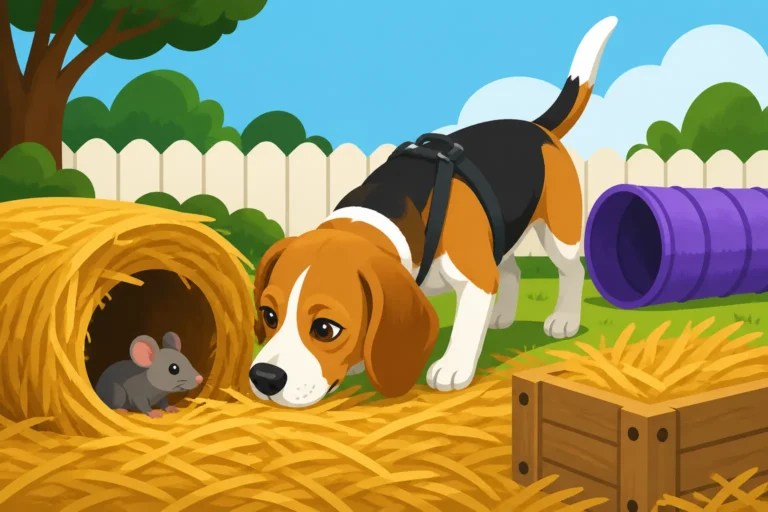
Beagles were bred for centuries to follow a scent trail. Their entire being is designed for it – from their incredible 220 million scent receptors to their large, moist noses, and those long, droopy ears that actually help funnel scents towards their nostrils. When a door opens, even for a split second, it's like a grand buffet of smells suddenly wafting in. There are hints of squirrels that ran across the lawn, the neighbor's cat that stalked past, maybe even the faint traces of another dog that walked by an hour ago. To a Beagle, this isn't just "the outside"; it's a vibrant, constantly changing tapestry of information that their brain is hardwired to explore.
Imagine living in a world where every breeze carries a novel, compelling story directly to your nose. When that story appears beyond an open doorway, the instinct to investigate, to follow that trail, overrides almost everything else. Your voice, your commands, the delicious treat in your hand – they often pale in comparison to the intoxicating promise of a fresh scent. This strong drive is Why a Beagle Will Follow a Scent for Miles and Why a Beagle Walks With Its Nose to the Ground are such fundamental parts of their behavior. It's not naughtiness; it's their heritage screaming for attention.
The Thrill of the Chase and Freedom
Beyond the scent, there's the sheer thrill of movement and freedom. Beagles are active, curious dogs. Being contained indoors, no matter how comfortable, means missing out on the action. An open door represents an instant gateway to excitement, exercise, and the potential for a glorious chase – whether it's a rabbit, a blowing leaf, or just the feeling of the wind in their ears.
Many Beagles also have a natural prey drive. Small, fast-moving objects trigger this instinct. A car driving by, a child on a bicycle, even a blowing piece of trash can ignite that chase response. The open door provides the opportunity to engage that drive. For a breed that thrives on exploration and activity, the allure of the unknown outside can be incredibly powerful, making door dashing a highly self-rewarding behavior. This also means that even if you manage to grab them after they've dashed, the momentary exhilaration of the escape can still reinforce the behavior, making it harder to break.
Laying the Foundation: "Wait" and Impulse Control
Before you can tackle the doorway itself, you need to establish strong foundational behaviors that teach your Beagle impulse control and a clear understanding of what "wait" really means. This isn't just about the door; it's about building general respect for boundaries.
Mastering the "Wait" Cue Away From the Door
Start teaching "wait" in a low-distraction environment, far away from any doors. The kitchen or living room works perfectly. The goal is to teach your Beagle that "wait" means to pause, remain in position, and hold that position until you release them, even if something tempting is happening.
Use a high-value treat – something truly irresistible like tiny pieces of cooked chicken, cheese, or even liverwurst. Hold the treat in your hand, say "Wait" clearly, and take one step back. If your Beagle stays, even for a second, step forward, say "Yes!" or "Good!" and immediately give the treat. Gradually increase the distance you move away and the duration they need to wait. Practice this before their meal bowl, before they get a toy, or before you toss a treat. The consistency is key. Make sure you always return to them to reward, never call them to you for the reward during initial "wait" training, as this teaches them to break the wait. Brands like Amazon offer a wide variety of puzzle feeders and slow feeders that can be used to extend the "wait" command before meal times, making it even more enriching.
Once they're solid with "wait" for a few seconds from a short distance, introduce movement. Can they wait while you circle them? Can they wait while you open a cupboard? The more varied the practice, the stronger the cue becomes. This early work on Impulse Control Exercises That Suit a Beagle will pay huge dividends when you move to the more exciting environment of the doorway.
Using a Leash for Controlled Practice
Even in your home, a leash can be your best friend when teaching doorway manners. It provides a physical tether that allows you to manage the situation without having to physically grab your dog or worry about them actually escaping. Attach a lightweight leash to your Beagle's harness (a harness is always preferable to a collar for Beagles, especially when working on impulse control, as it protects their neck and throat).
With your Beagle on leash, approach a door. Give the "wait" command before you even touch the doorknob. If they surge forward, the leash prevents them from reaching the door, allowing you to calmly reset. Do not yank the leash; simply hold it steady to prevent movement. Wait for them to relax and stand or sit calmly. The moment they show calm behavior, even for a split second, reward them generously. Repeat this process, gradually adding more steps: reaching for the doorknob, turning the doorknob, pulling the door open a crack, then wider. The leash is there as a safety net, allowing them to make mistakes without consequence, and allowing you to reward good choices consistently. This is also excellent practice for Leash Training a Beagle From Eight Weeks.
The Doorway Protocol: Step-by-Step Training
Now that your Beagle understands "wait" and can work on a leash, it's time to apply these skills directly to the doorway. This process requires patience, consistency, and a very structured approach.
Step 1: "Wait" at a Closed Door
Begin with a closed door. With your Beagle on a short leash, walk towards the door. Stop a few feet away. Give the "Wait" cue. If they stay, reward them. Repeat this until they can reliably "Wait" as you approach the door, stop, and stand there for a few seconds.
Next, try putting your hand on the doorknob. If they hold their "Wait," reward. If they lunge, simply remove your hand from the knob, calmly reposition them, and try again. They only get the reward if they hold their position. The key is to break down the action of opening the door into tiny, manageable steps, rewarding for success at each stage. Think about it like a mental checklist:
- Approach door.
- Hand on doorknob.
- Turn doorknob.
- Open door a crack.
- Open door wider.
Each step needs to be mastered before moving to the next.
Step 2: "Wait" as the Door Opens
This is where many Beagles struggle, as the visual and olfactory stimulation ramps up. With your Beagle on a leash, give the "Wait" command a few feet from the door. Reach for the doorknob. If they hold, reward. Turn the doorknob. If they hold, reward. Now, open the door just a crack – maybe an inch.
The moment the door moves, watch your Beagle. If they lunge or break the "Wait," immediately close the door. No scolding, no fuss. Simply close the door, preventing their "escape." Wait for them to calm down, then try again. They learn that opening the door only happens when they are calm and waiting. The door is the reward, but it only opens if they maintain their position.
Practice opening the door wider and wider, always rewarding a calm "Wait." If they break, close the door immediately. The door opening is their goal, but you control the access. Once they can wait calmly while the door is fully open, you are making great progress.
Step 3: Adding the Release Cue and Controlled Exits
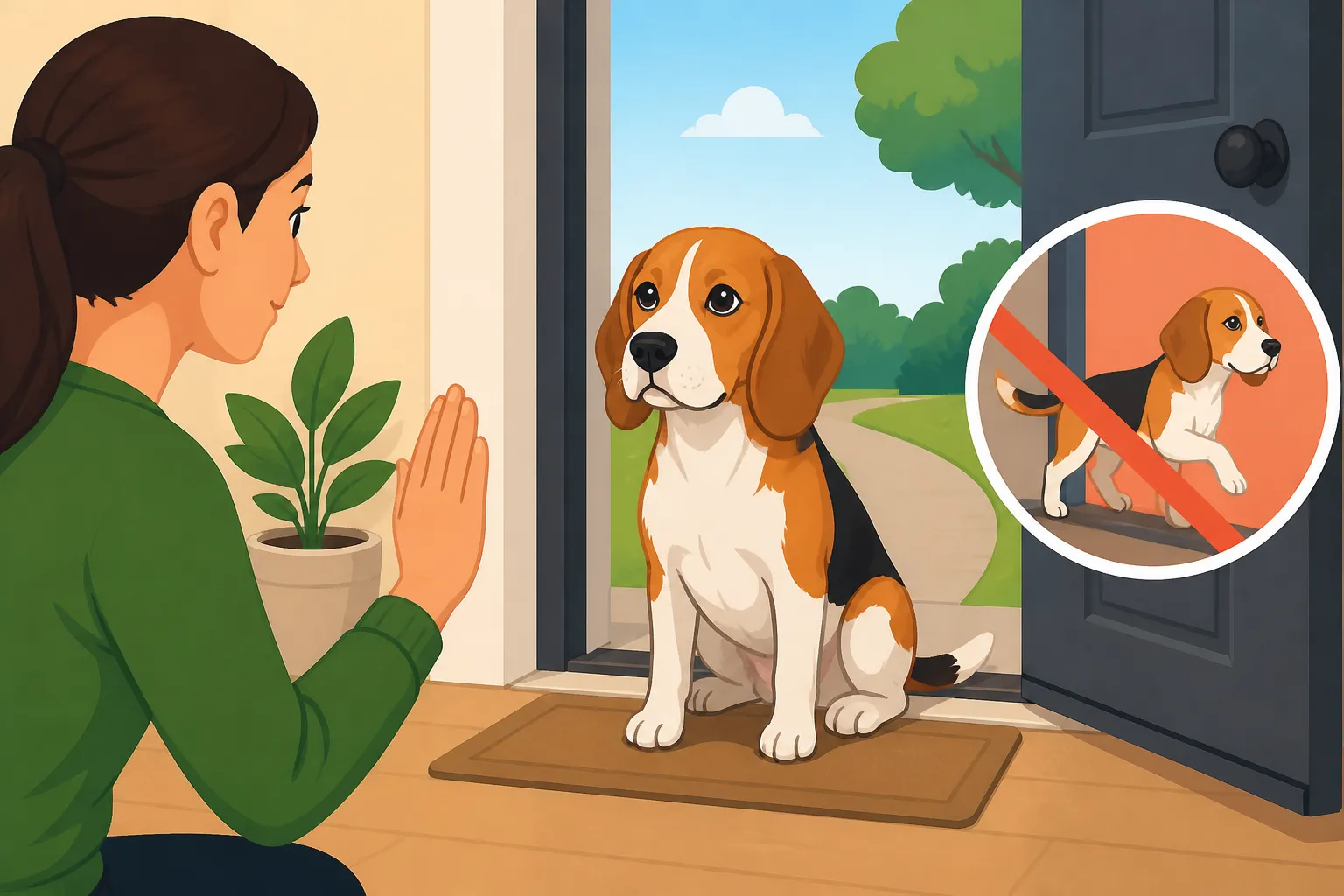
Once your Beagle can consistently "Wait" while the door is open, introduce a release cue. This could be "Okay!" "Go!" or "Free!" The release cue tells them it's now permissible to cross the threshold.
Practice this: Beagle on leash, at the open door, holding a "Wait." You give the release cue, and step forward, walking through the door together. Reward them enthusiastically on the other side for walking out calmly. This teaches them that you initiate the exit, not them.
Gradually, you can practice this with the leash dragging, giving you the option to step on it if they try to bolt before the release cue. Eventually, you can work towards doing this off-leash. However, remember the Beagle's powerful nose. Even with perfect indoor manners, an unfenced, off-leash Beagle is always a risk outdoors. Why a Beagle Should Never Be Off Leash Unfenced is a mantra every Beagle owner should live by.
Example Doorway Training Progression
| Action | Beagle Behavior | Your Action | Outcome/Reward |
|---|---|---|---|
| Approach door, hand on knob | Lunges, attempts to move | Remove hand, wait for calm | No reward, reset |
| Approach door, hand on knob | Stays in position | "Yes!" Treat, remove hand | Success, positive reinforcement |
| Turn knob, open crack | Lunges, attempts to move | Close door immediately | No reward, reset |
| Turn knob, open crack | Stays in position | "Yes!" Treat, close door | Success, positive reinforcement |
| Open door wider | Lunges | Close door immediately | No reward, reset |
| Open door wider | Stays in position | "Yes!" Treat, close door | Success, positive reinforcement |
| Door fully open, "Wait" | Holds position | "Yes!" Treat, "Okay!" step out | Calm exit, high-value reward |
This table illustrates the gradual progression and the critical importance of immediate feedback.
Troubleshooting Common Doorway Challenges
Even with the best intentions, Beagles can present some unique challenges. Don't get discouraged! These issues are common, and there are ways to work through them.
The Beagle That Just Won't Stop Lunging
If your Beagle is consistently lunging, even on a leash, you might be progressing too quickly or the distractions are too high. Go back to basics. Can they do a solid "wait" with zero distractions? If not, spend more time there. Re-evaluate your reward system: are your treats truly high-value enough to compete with the outside world? Remember High-Value Food and How Fast a Beagle Learns – sometimes you need to pull out the big guns.
Consider a head halter or a front-clip harness for extra control during these training sessions. These tools can help redirect their focus more effectively without causing discomfort. The goal isn't to punish the lunge, but to prevent it and immediately reward the absence of the lunge. You might need to make the initial step almost ridiculously small – perhaps just moving your hand an inch towards the doorknob is a full step at first. The smaller the steps, the more opportunities for success.
For Beagles that are extremely excitable, practice getting them into a "settle" or "down" position away from the door before you even approach it. Build a calm routine around the door, rather than one filled with anticipation.
Dealing with Multiple People and Different Exits
It's common for a Beagle to behave perfectly for one person but disregard another. Or, they might be great at the front door but terrible at the back door. This means your Beagle hasn't generalized the "wait" command; they think it applies only to certain people or specific doors.
Everyone in the household needs to be on the same page. Consistency is paramount. Every person who opens a door must enforce the "wait" rule, every single time. Have family members practice the step-by-step protocol themselves. If a guest is visiting, politely explain your training rules or keep your Beagle on a leash for the duration of the visit or until they leave.
Practice at all doors – front, back, garage, even car doors. The more contexts you train in, the more your Beagle understands that "wait" is a universal rule. If you're looking for structured guidance that the whole family can follow, online training programs, such as those offered by BAXTER & Bella, can provide consistent lesson plans and support, ensuring everyone uses the same cues and methods. This kind of uniformity is key for a Beagle.
The Dreaded "Bolt and Run" Scenario
Despite all your best efforts, a Beagle will occasionally make a break for it. It happens to the best of us. This is why preventative measures are so important. Always ensure your Beagle has proper identification, like a microchip and visible tags. Beagle Microchips and Getting a Lost Dog Back is a non-negotiable part of responsible Beagle ownership.
If they do bolt:
- Do NOT chase them. Chasing often turns it into a fun game for a Beagle and encourages them to run faster.
- Call them in an excited, happy voice. Try to entice them with treats or a favorite toy. Sometimes running away from them can pique their curiosity and make them follow you.
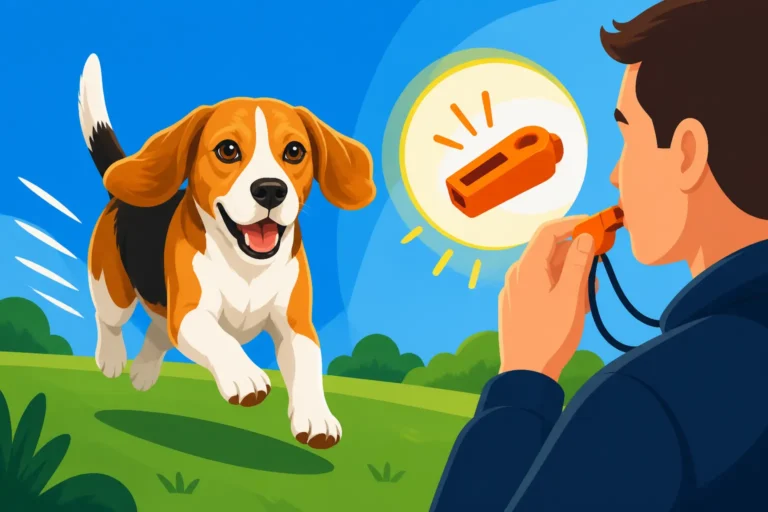
- Use an emergency recall cue. This is a distinct, high-pitched noise or word you only use for emergencies, always paired with the highest value treats. Emergency Recall Cues That Reach a Beagle should be practiced regularly in controlled environments.
- Have a long line ready. If you suspect your Beagle is prone to door dashing, keep a long training line (20-30 feet) attached to their harness inside the house, so you can step on it if they make a break. These can be easily found on Amazon.
Remember, every time your Beagle successfully dashes, it reinforces the behavior. The goal is to make successful escapes impossible while making calm waits highly rewarding. It's a journey, not a destination, but with patience and consistency, your Beagle can learn to be a polite doorway citizen.
Disclaimer
This article is for general informational purposes only and does not constitute professional advice. Laws, prices and regulations vary by location and change over time. Consult a qualified professional for guidance on your specific situation.