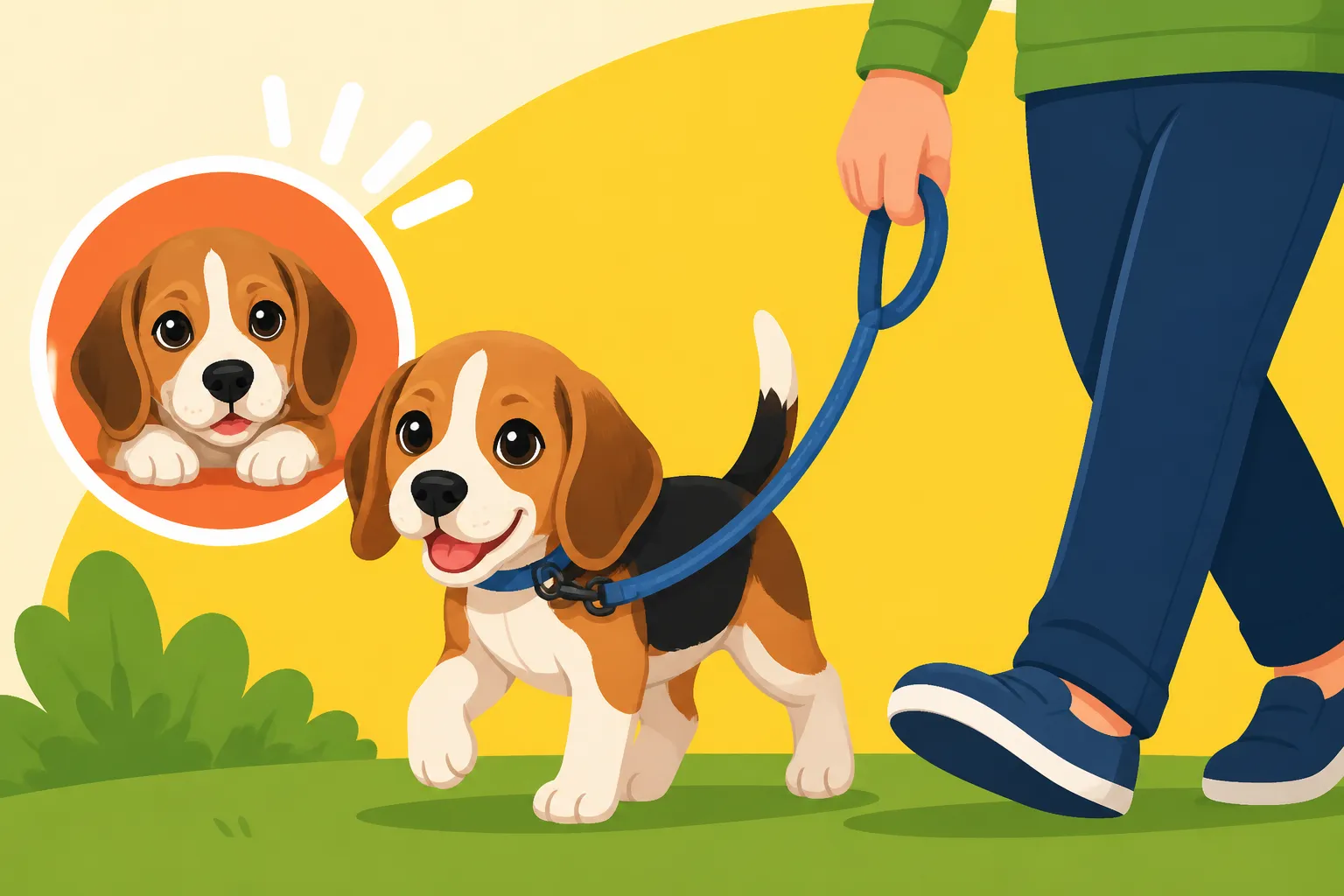
Leash Training a Beagle From Eight Weeks
Bringing home an eight-week-old Beagle puppy is an absolute joy, but it also comes with a whole new set of responsibilities, not least of which is starting them on the path to being a well-behaved companion on a leash. Many new Beagle owners quickly realize that "walking on a leash" isn't an innate skill, especially when that powerful little nose hits the ground! This guide will walk you through the gentle, positive steps to leash train your young Beagle, setting them up for a lifetime of enjoyable walks.
The Crucial First Steps: Introducing Leash and Harness to Your Eight-Week-Old Beagle
When your Beagle puppy is just eight weeks old, the world is a big, exciting, and sometimes scary place. The key to successful leash training at this tender age is making every step a positive, low-stress experience. We're not aiming for perfect heel work right away; we're building comfort and good associations. Think of it as laying the groundwork for all future adventures.
Making the Collar or Harness a Happy Experience
Before you even think about stepping outside, your puppy needs to be completely comfortable wearing their walking gear. For a Beagle, a harness is often preferable to a collar for leash training, as it distributes pressure more evenly across their chest and away from their delicate neck, which is especially important for a breed prone to Beagle Disc Disease and That Slightly Long Back. You want something lightweight and well-fitting for a tiny puppy. Many pet supply retailers, including a wide selection available on Amazon, offer puppy-specific harnesses that are soft and adjustable.
Start by simply showing your puppy the harness or collar. Let them sniff it, perhaps even put a tiny, high-value treat on it. Then, for very short periods, put the collar or harness on them while you're engaging in something fun, like playtime or feeding. The moment it's on, give praise and treats. Take it off after a minute or two, well before they show any signs of discomfort or distress. Repeat this a few times a day, gradually increasing the duration. You want them to associate the gear with good things, not with being trapped or annoyed. If your puppy scratches at it or acts unhappy, you've gone too long; shorten the duration next time.
Your Living Room as the First Training Ground
Once your puppy is happy wearing their harness or collar for several minutes, it's time to introduce the leash – still indoors! Attach a lightweight leash to their harness. Don't immediately try to "walk" them. Instead, let them drag the leash around the living room under your supervision for a few minutes. This helps them get used to the feel and the gentle tug of the leash without the added pressure of you holding it. Again, keep it positive with praise and treats.
After a few sessions of leash-dragging, pick up the leash. Walk a few steps, call your puppy's name, and when they take a step towards you, immediately reward them with a treat and soft praise. The goal here isn't a tight leash or a perfect heel, but rather for them to understand that when there's a slight pressure on the leash, moving with you, or towards you, leads to good things. Keep these sessions very short – literally 2-3 minutes at a time, several times a day. Little and often is the mantra for puppy training. This also helps you build up their focus before their powerful nose really starts to take over on outdoor adventures, a key step described in What to Teach a Beagle Puppy Before It Finds Its Nose.
Building Positive Associations with Rewards
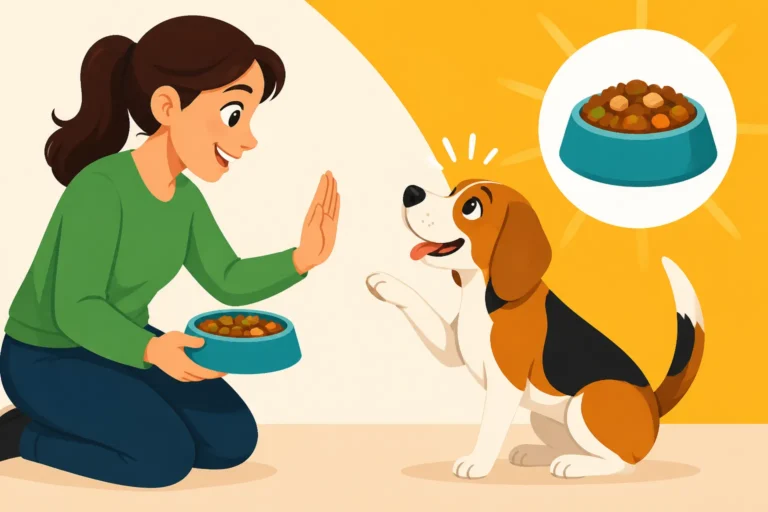
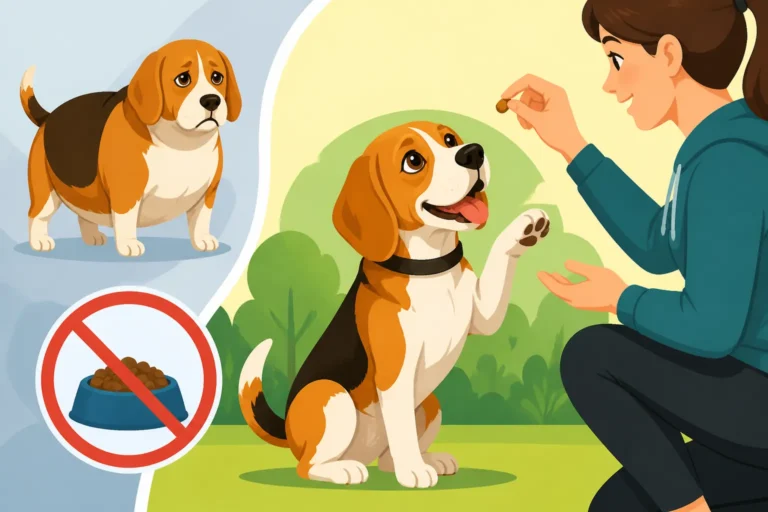
Beagles are incredibly food-motivated, which is a huge advantage in training. Use tiny, high-value treats that your puppy absolutely loves. Think soft, pea-sized pieces of cooked chicken, cheese, or specialized puppy training treats. You want something they can gobble down quickly without getting distracted. The BAXTER & Bella online puppy school emphasizes positive reinforcement methods, and that's exactly what we're doing here – making every interaction with the leash and harness a cause for celebration.
Whenever your puppy walks nicely beside you for a step or two, or even just acknowledges the leash without fuss, mark that moment with a "yes!" or a clicker, followed by a treat. Don't wait for them to do something perfectly. Reward the effort and the intent. If they pull, simply stop moving. The moment the leash slackens, even for a second, start moving again and reward them for that split second of loose leash. This teaches them that pulling gets them nowhere, but a relaxed leash gets them to their destination (and a yummy treat!). Remember, the goal is to make leash walking feel like a fun game you play together, not a chore.
Navigating the World: Managing the Beagle's Nose and Focus on Walks
Once your Beagle puppy is comfortable with their gear and has had some positive indoor leash experiences, it's time to venture outside. This is where the real fun – and challenges – begin. Beagles are scent hounds through and through, and their world is dominated by their nose. That's Why a Beagle Walks With Its Nose to the Ground so often, and why training for focus is crucial.
Dealing with the Irresistible Pull of Scent
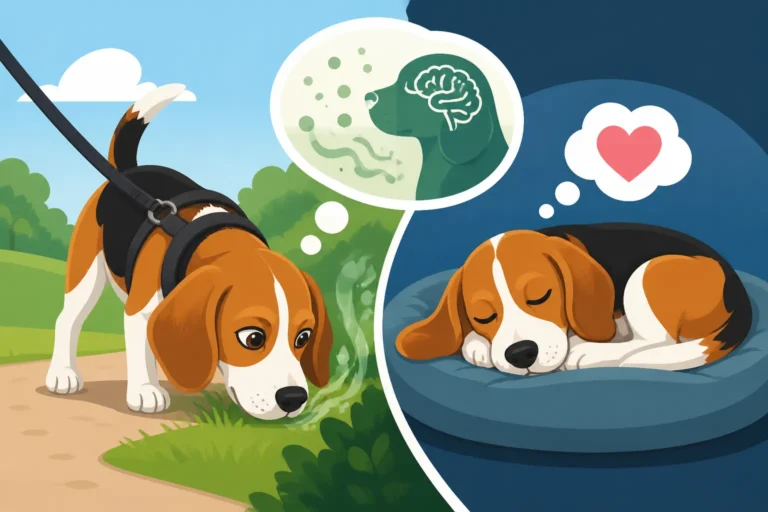
An eight-week-old Beagle on an outdoor walk is like a super-sniffer in a candy store. Every blade of grass, every patch of sidewalk, every distant whiff tells a story only they can read. This intense focus on scent is why many Beagle owners find leash training particularly challenging. Your puppy will be distracted, they will try to follow every interesting smell, and they will often seem to completely forget you exist. This is not defiance; it's instinct.
Start your outdoor adventures in a low-distraction environment, like your quiet backyard or a very calm street during off-peak hours. Keep initial walks extremely short, just 5-10 minutes. The objective is exposure and positive experience, not distance. Let them sniff! Sniffing is incredibly enriching for Beagles and mentally tiring. Allow them a few moments to investigate a scent, then gently encourage them to move with you by giving a soft tug and calling their name, rewarding them if they comply. If they become overly fixated, try changing direction completely to break their concentration. This constant redirection, coupled with rewarding attention on you, is how you gradually teach them that while sniffing is good, walking with you is even better.
Teaching the "Check In" and Loose-Leash Walking
One of the most valuable things you can teach your Beagle puppy is to "check in" with you regularly. This means briefly looking at you or coming alongside you even when there are distractions. Start by simply holding a treat by your leg. When your puppy looks up at you for the treat, say "yes!" and reward. Gradually add a verbal cue like "look" or "check in." Practice this frequently indoors and then in progressively more distracting outdoor environments. The BAXTER & Bella program has excellent modules on developing attention and focus, which are critical for a young Beagle.
For loose-leash walking, use the "stop-start" method. The moment your puppy’s leash tightens, stop dead in your tracks. Don’t pull back, just become a tree. Wait. The instant the leash goes slack – even if they turn to look at you, or just shift their weight – say "yes!" and immediately start walking again. If they look at you, reward them for that momentary eye contact. Consistency is key here. Every time the leash is tight, you stop. Every time it's loose, you move forward. Your puppy will quickly learn that a tight leash means no progress, but a loose leash keeps the adventure going. This systematic approach, repeated hundreds of times, is far more effective than constantly yanking or scolding.
Essential Equipment for Early Beagle Walks
Having the right gear makes a huge difference in safety and comfort for both you and your puppy.
- Harness: As mentioned, a well-fitting, comfortable harness is ideal. Look for one that clips in the front (on the chest) if your puppy starts to pull strongly, as this redirects their momentum back towards you. Many great options are available on Amazon.
- Leash: A standard 6-foot leash made of nylon or leather is perfect. Avoid retractable leashes for training, as they teach a dog that pulling extends their range, which is the opposite of what you want.
- High-Value Treats: Keep a pouch of irresistible treats readily accessible. The faster you can reward, the clearer the connection for your puppy.
- Poop Bags: Always, always have these on hand.
- ID Tags: Make sure your puppy wears ID tags with your current contact information, just in case. You never want to assume your eight-week-old will never get away from you, even in a "safe" environment.
Here's a simple breakdown of the progression for leash training:
| Training Stage | Location | Primary Goal | Key Techniques |
|---|---|---|---|
| Stage 1: Introduction | Indoors (Home) | Comfort with gear | Wear collar/harness briefly, treat, remove. |
| Stage 2: Leash Awareness | Indoors (Home) | Understanding leash pressure | Drag leash, hold leash, reward for moving with you. |
| Stage 3: First Walks | Low-Distraction | Positive outdoor experience, basic focus | Short walks, let sniff, change direction, reward attention. |
| Stage 4: Loose-Leash Foundations | Controlled Outdoor | Teach slack leash, "check in" | Stop-start method, treat for eye contact/proximity. |
Overcoming Common Roadblocks in Puppy Leash Training
Even with the best intentions and consistent effort, leash training a Beagle puppy can present unique challenges. Their powerful instincts and strong will mean you'll encounter a few specific behaviors that require patience and a strategic approach.
When Your Beagle Puts on the Brakes (or Becomes a Statue)
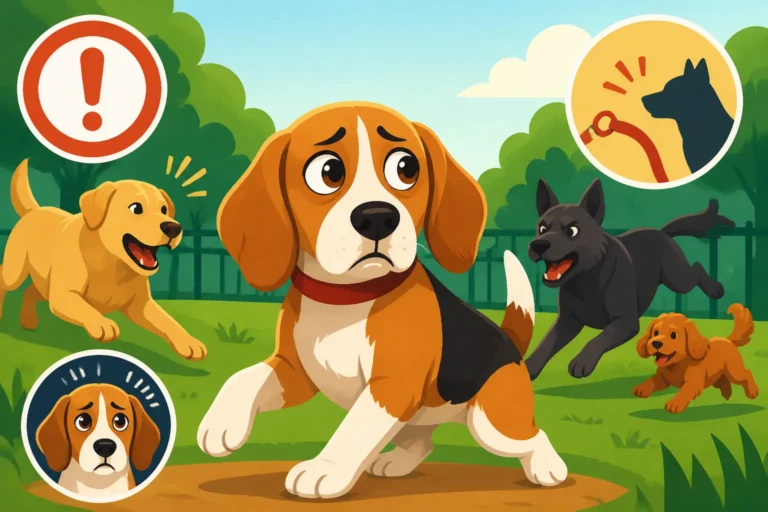
It's a common sight: you're walking along, and suddenly your adorable Beagle puppy drops anchor, refusing to move. They might sit, lie down, or simply become an immovable, sniffing statue. This isn't defiance; it's often a sign of being overwhelmed, tired, or simply fixated on a scent. For an eight-week-old, the world is a lot to take in. They might be scared, or they might just be intensely processing a smell.
Your first response should be empathy. Don't drag them. That will only make them more resistant and associate leash walking with negative experiences. Instead, try to lure them forward with a high-value treat held at their nose. If that doesn't work, squat down and call their name encouragingly, perhaps offering a piece of cooked chicken. If they're truly stuck and showing signs of fear or overstimulation, pick them up and carry them a short distance, then try again. Sometimes a change of scenery, even just a few feet, can break their trance. Keep initial walks short enough that they don't get overtired or overstimulated. You might find some useful strategies for managing outdoor stimuli in a course like the BAXTER & Bella program, which often covers desensitization to new environments.
Handling Excessive Pulling and Lunging
While an eight-week-old Beagle might not have the sheer strength to pull you over, they can certainly start practicing habits that will become problematic as they grow. Beagles pull because they want to get to that interesting smell now. This often manifests as an urgent tug on the leash or even a full lunge towards something captivating.
The "stop-start" method is your absolute best friend here. Every single time the leash tightens, stop. Become a statue. Wait for the leash to slacken, even if it's just for a millisecond, then praise and move forward. If they lunge, stop. If they jump, stop. Teach them that forward motion only happens on a loose leash. It requires immense patience and can feel incredibly slow, especially on a walk that used to be enjoyable. However, the alternative is a lifetime of being pulled by a strong, scent-driven hound. A front-clip harness, easily found on Amazon, can also be a valuable tool, as it redirects their pulling power back towards you rather than allowing them to lean into it. Consistency, again, is paramount. Everyone who walks the puppy must use the same rules.
Consistency, Patience, and Realistic Expectations
Leash training a Beagle, especially from eight weeks, is a marathon, not a sprint. There will be days when your puppy seems to have forgotten everything you taught them the day before. There will be frustrating moments where you feel like you're getting nowhere. This is normal. Beagles are intelligent but also driven by ancient instincts that prioritize scent over human instruction.
The most important "tool" you have is your patience. Every interaction is a training opportunity. Keep sessions short, fun, and positive. End on a good note whenever possible. Celebrate small victories – a few steps on a loose leash, a quick "check in," ignoring a squirrel for a moment. Understand that your Beagle will likely always be interested in smells, and that's okay! Incorporate sniff breaks into your walks; let them be a Beagle. But also consistently reinforce that there's a time for focused walking and a time for sniffing. Letting a Beagle Sniff on Every Single Walk can actually help tire them out mentally, making them calmer companions. Remember that the goal is a partnership, not absolute robotic obedience. With consistent, kind training, your eight-week-old Beagle will grow into a wonderful, well-behaved walking companion.
Disclaimer
This article is for general informational purposes only and does not constitute professional advice. Laws, prices and regulations vary by location and change over time. Consult a qualified professional for guidance on your specific situation.