Bringing a Beagle Puppy Home From a Kennel Litter
Bringing a new Beagle puppy home from a kennel litter is such an exciting time, but let's be real – it's also a whirlwind of nerves, endless questions, and a sudden realization of all the tiny, curious behaviors you're about to experience. This guide is here to walk you through those crucial first days and weeks, helping you prepare your home and your heart for the arrival of your new family member, ensuring a smooth transition for everyone involved.
The Pre-Arrival Prep: Creating a Beagle-Friendly Sanctuary
Before your little bundle of hound joy even sets a paw in your home, there's a good bit of groundwork to lay. Thinking ahead can drastically reduce stress for both you and your puppy, making those first few days much more enjoyable. Remember, this isn't just about getting things done; it's about consciously creating a safe, welcoming environment where your Beagle can thrive from day one.
Setting Up Your Puppy's Safe Zone
One of the most important things you can do is designate a specific "puppy zone" – a safe, cozy space where your Beagle can retreat, eat, and sleep without interruption. For many Beagle owners, this means a crate. A crate isn't a punishment; it's a den, a secure haven that mimics the feeling of a den in the wild. Choose a crate that's appropriately sized, allowing your puppy to stand up, turn around, and lie down comfortably, but not so large that they can potty in one corner and sleep in another. You might even consider one with a divider that can be adjusted as your puppy grows.
Within this crate, place a soft bed or blanket, ideally something washable for those inevitable accidents. Position the crate in a central, yet quiet, part of your home where your puppy can still feel like part of the family without being overwhelmed. This could be in your living room, or initially, in your bedroom at night to help them feel less alone. The goal is to make this space as inviting and secure as possible, a place they associate with comfort and safety right from the start.
Essential Supplies for the First Few Weeks
Before your puppy walks through the door, having all the necessities on hand will prevent last-minute scrambles and help you focus on your new companion. Think of it as setting up a nursery for a human baby – everything needs to be ready. You'll need high-quality puppy food, ideally the same brand the breeder was using to avoid stomach upset during this stressful transition. Have ceramic or stainless steel food and water bowls ready; plastic can harbor bacteria and isn't as durable. You might find a raised feeder helpful to keep those long Beagle ears out of their dinner.
Beyond food, you'll need a leash and a comfortable, lightweight collar with an ID tag prominently displayed, even if your puppy will be microchipped. Accidents happen, and a lost puppy is every owner's worst nightmare. Don't forget plenty of appropriate chew toys to redirect that natural puppy mouthing, and some puzzle toys can be fantastic for a food-motivated Beagle. Waste bags, puppy pee pads (though these should be phased out quickly as you focus on outdoor potty training), and an enzymatic cleaner for accidents are also critical. For a comprehensive overview, think about What Should Come Home With a Beagle Puppy as you prepare your shopping list. Many owners find it convenient to order these essentials online through retailers like Amazon, ensuring everything arrives before their puppy does.
Puppy-Proofing: Thinking Like a Beagle
Beagles are scent hounds, and that magnificent nose isn't just for sniffing out rabbits; it's also excellent at finding dropped crumbs, forgotten socks, and anything else potentially edible or interesting. Puppy-proofing your home isn't optional; it's survival. Get down on your hands and knees and look at your home from a puppy's perspective. What's within reach? Electrical cords need to be secured or hidden. Toxic houseplants must be moved to inaccessible spots or removed entirely. Small objects like coins, hair ties, or children's toys can be easily swallowed and cause serious problems.
Secure trash cans with tight lids or keep them in cabinets. Child locks on lower cabinets can protect both your puppy from household chemicals and your pantry from a determined Beagle snack raid. Remember, Beagles are surprisingly agile and can jump or climb onto counters if motivated by a delicious smell. It's not just about what's on the floor; it's also about what's within their vertical reach. Removing temptation is far easier than trying to constantly correct a puppy's natural curiosity.
Navigating the First Day and Night: A Gentle Transition
The moment your Beagle puppy comes home is often a mix of pure joy and a bit of chaos. Your job is to make this transition as smooth and stress-free as possible, focusing on calm introductions and immediately establishing routines.
The Journey Home: Minimizing Stress
The car ride home can be quite a new experience for a puppy. They're leaving behind their littermates and everything familiar. To make it easier, bring a towel or blanket that smells of the kennel or their mother, if possible. Have a secure crate or a designated passenger (not the driver!) hold the puppy gently in a towel. Avoid letting them roam freely in the car; it's unsafe and can be very distracting.
Puppies often get carsick, so keep the ride calm and quiet. Don't offer food right before or during the journey. Have some paper towels and a cleaner ready, just in case. When you arrive home, resist the urge to immediately introduce them to a house full of excited people. The first hour should be about quiet exploration and comfort.
First Moments: Potty, Exploration, and Calm
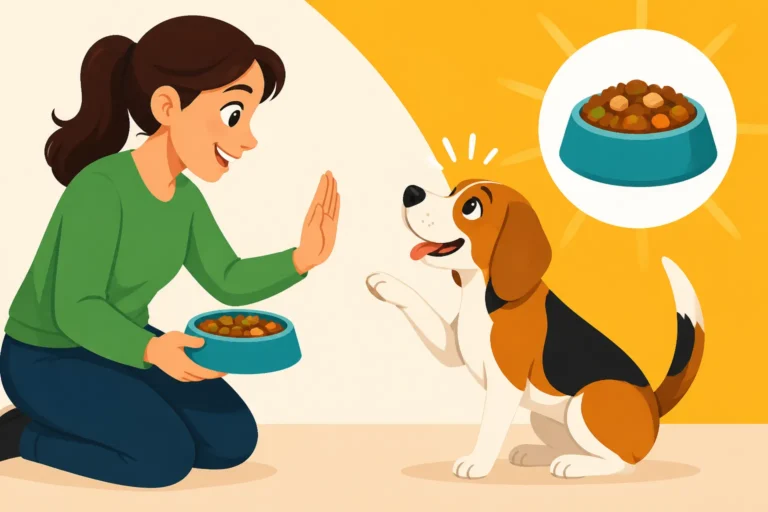
The very first thing you do when you get your Beagle puppy home should be to take them directly to their designated potty spot outside. Don't bring them inside first, don't let them play – straight to the grass. When they relieve themselves, praise them calmly and offer a small, high-value treat. This immediate positive reinforcement helps them understand where they're supposed to go.
After the potty break, bring your puppy inside and allow them to explore their designated safe zone quietly. Keep initial introductions to other family members calm and brief. Avoid overwhelming them with too much noise or too many new faces all at once. Let them sniff around their crate, get a drink of water, and just generally acclimate to the new sights and smells. For the first few hours, it’s best to keep visitors to a minimum and maintain a peaceful atmosphere. This quiet start will set a positive tone for their adjustment.
Establishing a Routine from the Get-Go
Beagles, like all dogs, thrive on routine. Establishing a consistent schedule for feeding, potty breaks, play, and sleep from day one will be your best friend in puppy raising. Puppies have small bladders and will need to go out frequently – every hour or two, after waking up, after eating, and before bed. Create a log to track their potty successes and accidents; it will help you learn their individual rhythm.
When it comes to meals, Beagle Puppy Meal Frequency Month by Month will guide you, but generally, puppies need several small meals a day. Stick to fixed mealtimes. This predictability helps with potty training and also prevents overeating or under-eating. Consistent sleep schedules are also vital. Puppies need a lot of sleep, and enforced naps in their crate can prevent an overtired, nippy puppy. This early establishment of routine builds security and confidence in your new Beagle.
Laying the Groundwork: Early Training and Socialization
Bringing a puppy home is the perfect time to start building good habits and introducing them to the wider world. Beagles are smart and food-motivated, which makes training a fun, albeit sometimes challenging, endeavor!
Mastering Potty Training, Beagle Style
Potty training a Beagle can sometimes feel like a marathon, not a sprint, especially since their incredible noses can distract them easily outdoors. The key is consistency, positive reinforcement, and a whole lot of patience. Take your puppy out frequently, as mentioned, and always go to the same designated spot. When they potty successfully, celebrate with enthusiastic verbal praise ("Good potty!") and a small, tasty treat. Make it the best thing that's ever happened to them.
Avoid scolding or punishing accidents indoors. Your puppy won't understand, and it can actually make them afraid to potty in front of you, leading to them hiding accidents. If you catch them in the act, calmly interrupt them, pick them up, and rush them outside. Clean up accidents thoroughly with an enzymatic cleaner to eliminate the scent, which can otherwise draw them back to the same spot. Beagles can be easily distracted by outdoor smells, so House Training a Beagle That Gets Distracted Outside is a common hurdle, but with dedication, you'll get there.
Beagle Crate Size and Crying Through the Night: Making the Crate a Haven
Many new Beagle owners experience the heartbreak of a puppy crying in their crate at night. It's completely normal; they've just left their warm, cozy litter and suddenly find themselves alone. The crate should never be used as punishment, but rather as a safe, comfortable den. Introduce the crate positively with treats and toys. Feed meals inside the crate with the door open, gradually closing it for short periods.
At night, placing the crate in your bedroom for the first few weeks can provide comfort, allowing your puppy to hear and smell you. If they cry, first ensure they don't need to potty by taking them out quietly for a quick break. If they just seem lonely, a warm hot water bottle wrapped in a towel, or a ticking clock near the crate can mimic a littermate or heartbeat. Ignore whining if you know all their needs are met, as responding can inadvertently teach them that crying gets your attention. Slowly, they'll learn to love their private space and sleep through the night.
The Importance of Early, Positive Socialization
Socialization is arguably one of the most critical aspects of raising a well-adjusted Beagle. It means exposing your puppy to a wide variety of sights, sounds, people, and other friendly, vaccinated dogs in a positive and controlled way during their critical development period (roughly up to 16 weeks). Think about a puppy class, which can be a fantastic way to introduce them to new experiences safely.
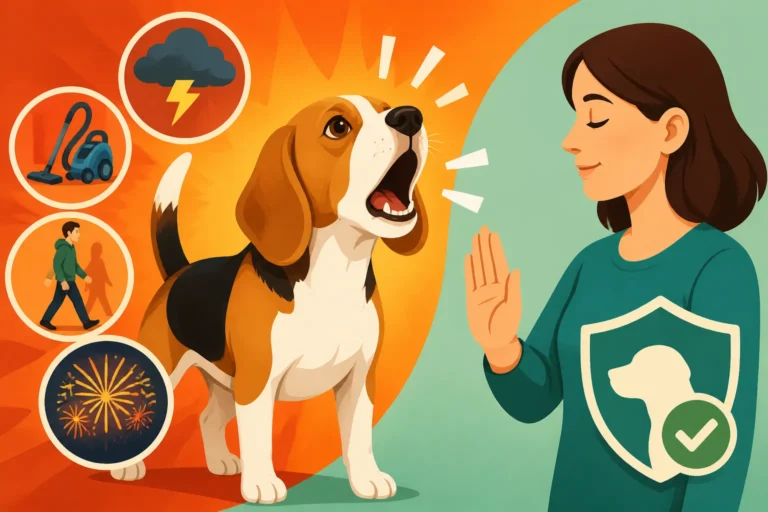
Take your puppy on short, positive outings to places where they can observe the world without being overwhelmed. Let them hear different noises – traffic, children playing, vacuum cleaners – associating these with pleasant experiences like treats. Introduce them to various types of surfaces to walk on, from grass to pavement to carpet. Gentle, supervised interactions with calm, vaccinated adult dogs can teach them appropriate canine manners. Don't forget Beagle Puppy Sound Exposure Before Sixteen Weeks to help them become resilient to everyday noises. These early experiences shape their confidence and temperament for life.
Anticipating Beagle Puppy Quirks and Challenges
Beagles are unique, lovable characters, and understanding their breed-specific traits will help you navigate the inevitable puppy challenges with more patience and humor.
Dealing with Puppy Nipping and Chewing
Puppy nipping and chewing are completely normal behaviors, especially for a young Beagle. They explore the world with their mouths, and their sharp puppy teeth are constantly being replaced by adult teeth, which can be uncomfortable. This is where those chew toys become indispensable. Always have a variety of appropriate chew items readily available.
When your puppy nips your hands or clothes, immediately redirect them to an acceptable chew toy. If they continue to nip your skin, let out a high-pitched yelp (like a puppy would) and withdraw attention for a moment. If the nipping is particularly persistent, consider a short "time out" by walking away or placing them in their playpen for 30 seconds. This teaches them that nipping stops the fun. For more specific guidance, look into Beagle Puppy Teething and Hard Mouthing as you work through this phase. Consistency is key here; everyone in the household needs to use the same methods.
The Beagle's Nose: A Blessing and a Challenge
Ah, the Beagle nose! It's their most defining feature, responsible for their incredible scenting abilities, but it's also the source of much Beagle "stubbornness" and independent thought. Your Beagle puppy will be constantly sniffing, exploring every interesting scent on walks, in the yard, and even in your home. This intense focus on scent can make recall a significant challenge, as their nose can literally turn off their ears to your commands.
From a young age, work on Beagle Puppy Recall Before Adolescence Hits using high-value treats and making it the most fun game ever. Always keep your Beagle on a leash or long line in unfenced areas, because once that nose locks onto a trail, they're gone. Understand that they aren't ignoring you out of defiance, but out of pure, instinctual absorption in a scent. Embrace their nose with supervised scent games or puzzle toys, letting them use this natural gift in a constructive way.
Beagle Puppy Sleep and Waking at Three: Normalizing the Night
One of the biggest adjustments for new puppy owners is the change in sleep patterns, especially in the first few weeks. It's incredibly common for a new Beagle puppy to wake up multiple times during the night, sometimes with crying, sometimes needing a potty break. Remember, they are leaving the warmth and security of their littermates. Their internal clocks are still adjusting, and their bladders are tiny.
Be patient. Stick to your established routine, ensuring a final potty break right before bed. Keep nighttime potty trips strictly business – no play, no extensive cuddles, just out, potty, and back to the crate. As they grow, their bladder control will improve, and they will gradually start sleeping for longer stretches. It's a temporary phase, and with consistent reinforcement of good habits, your Beagle will soon be sleeping soundly through the night, dreaming of all the exciting smells to discover tomorrow.
| Age of Puppy | General Potty Break Frequency (Day) | General Nighttime Wake-ups | Training Focus |
|---|---|---|---|
| 8-12 Weeks | Every 1-2 hours | 2-3 times | Potty Training, Crate Intro, Bite Inhibition |
| 3-4 Months | Every 2-3 hours | 1-2 times (decreasing) | Leash Training, Socialization, Basic Cues |
| 5-6 Months | Every 3-4 hours | 0-1 times | Recall, Impulse Control, Continued Socialization |
Disclaimer: This article is for general informational purposes only and does not constitute professional advice. Laws, prices and regulations vary by location and change over time. Consult a qualified professional for guidance on your specific situation.