Managing the Triggers That Set a Beagle Off
It's incredibly frustrating when your otherwise charming Beagle suddenly erupts into a symphony of barks, bays, or howls, seemingly for no reason at all. One minute they're snoozing on the couch, the next they're alerting the entire neighborhood to a leaf blowing by, or worse, making a commotion that feels impossible to calm. This guide is here to help you understand the core triggers behind your Beagle's vocal outbursts and reactive behaviors, and equip you with practical strategies to manage them effectively.
Decoding the Beagle's Vocal Repertoire
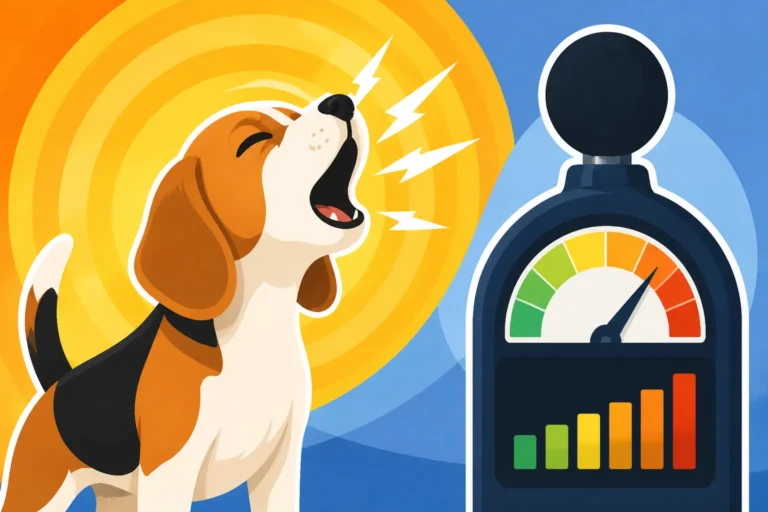
Beagles are hounds, and hounds vocalize. It's as fundamental to their being as sniffing. What often catches new Beagle owners off guard isn't just that they make noise, but the sheer variety and volume of that noise, and how quickly it can escalate when a trigger is present. They're not being "bad" dogs; they're simply being Beagles, responding to the world as their ancient instincts tell them to.
Understanding the Difference: Bark, Bay, Howl
Before we can even begin to manage the noise, it helps to understand what kind of noise your Beagle is actually making. It's not all just "barking." Beagles have a distinctive range of vocalizations, each serving a slightly different purpose and often signaling a different level of arousal or intention.
A bark from a Beagle is generally sharper, more abrupt. It's often used for immediate alerts: someone's at the door, a squirrel just ran across the yard, or the mailman dared to step onto their sidewalk. It's a quick, sharp announcement. A bay, on the other hand, is the quintessential Beagle sound – that long, drawn-out, mournful, yet often exciting "Arroooo!" It's a deep, resonant cry that carries far and wide, primarily used to signal discovery, especially during a hunt. When a Beagle bays, they're typically "singing" because they've found a scent trail they deem highly important, or they're calling out to their pack. Imagine them tracking a rabbit, hitting a hot trail, and letting out that triumphant bay to alert their human hunting partners. This primal instinct is still very much alive in our household pets. Telling a Beagle Bark From a Bay From a Howl can help you distinguish these important sounds. Finally, a howl is often even more drawn out and melodic than a bay, sometimes accompanied by a raised head pointing to the sky. This is often a call for connection, a response to a siren, or a sign of loneliness, and it can be especially heartbreaking when heard in cases of separation anxiety.
The Instinctual Roots of Beagle Vocalizations
These varied vocalizations aren't random; they're deeply ingrained in the Beagle's genetic makeup, honed over centuries as scent hounds. Their ancestors were bred to hunt in packs, following scent trails for hours, and then communicating with their human hunters and fellow pack members through their voices. That bay wasn't just for fun; it was a critical signal to tell the hunter, "I'm on the scent! Over here!"
This means your Beagle's reactions aren't personal affronts; they're instinctual responses. When your Beagle barks furiously at a passerby, they're fulfilling their genetic role as an alert system for their "pack" (you). When they bay at a distant siren or the faintest whiff of a rabbit that hopped through your yard hours ago, they're channeling that deep-seated hunting drive. Understanding this helps to shift your perspective from "my dog is misbehaving" to "my dog is doing what Beagles do," which is the first step in empathetic and effective management. You can't truly train the bay out of a Beagle, as explained in Why You Cannot Train the Bay Out of a Beagle, but you can manage the situations that trigger it.
Identifying Common Triggers in the Beagle World
Beagles live in a world rich with sensory input, especially scent. What might seem like nothing to us can be a full-blown information overload for a Beagle, leading to a vocal or reactive response. Pinpointing these specific triggers is crucial for effective management.
Scent-Based Triggers: The Nose Knows All
If you own a Beagle, you already know their nose is their most powerful tool. With around 220 million scent receptors, their world is primarily defined by what they smell. This incredible olfactory prowess means that many of their triggers are invisible to us. A squirrel that ran through your yard last night, a neighbor walking a different dog down the street, or even residual food odors lingering on the sidewalk can all set off a Beagle.
Imagine your Beagle sniffing along on a walk. To you, it's just a sidewalk. To them, it's a vibrant tapestry of smells: the faint scent of a cat that rubbed against a bush, the lingering odor of pizza crust from yesterday, the fresh urine mark of another dog, or the undeniable trace of a rabbit's path. Each of these can be a "hot trail" that triggers their hunting instinct, leading to intense pulling on the leash, focused sniffing, and, yes, that characteristic bay. Even in your own home, cooking smells, new visitors' shoes, or objects brought in from outside can activate their scent drive. This is why How Far a Beagle Can Actually Smell is such an important topic for owners to understand; their perception of distance and presence is vastly different from ours.
Auditory and Visual Stimuli: More Than Just Noise
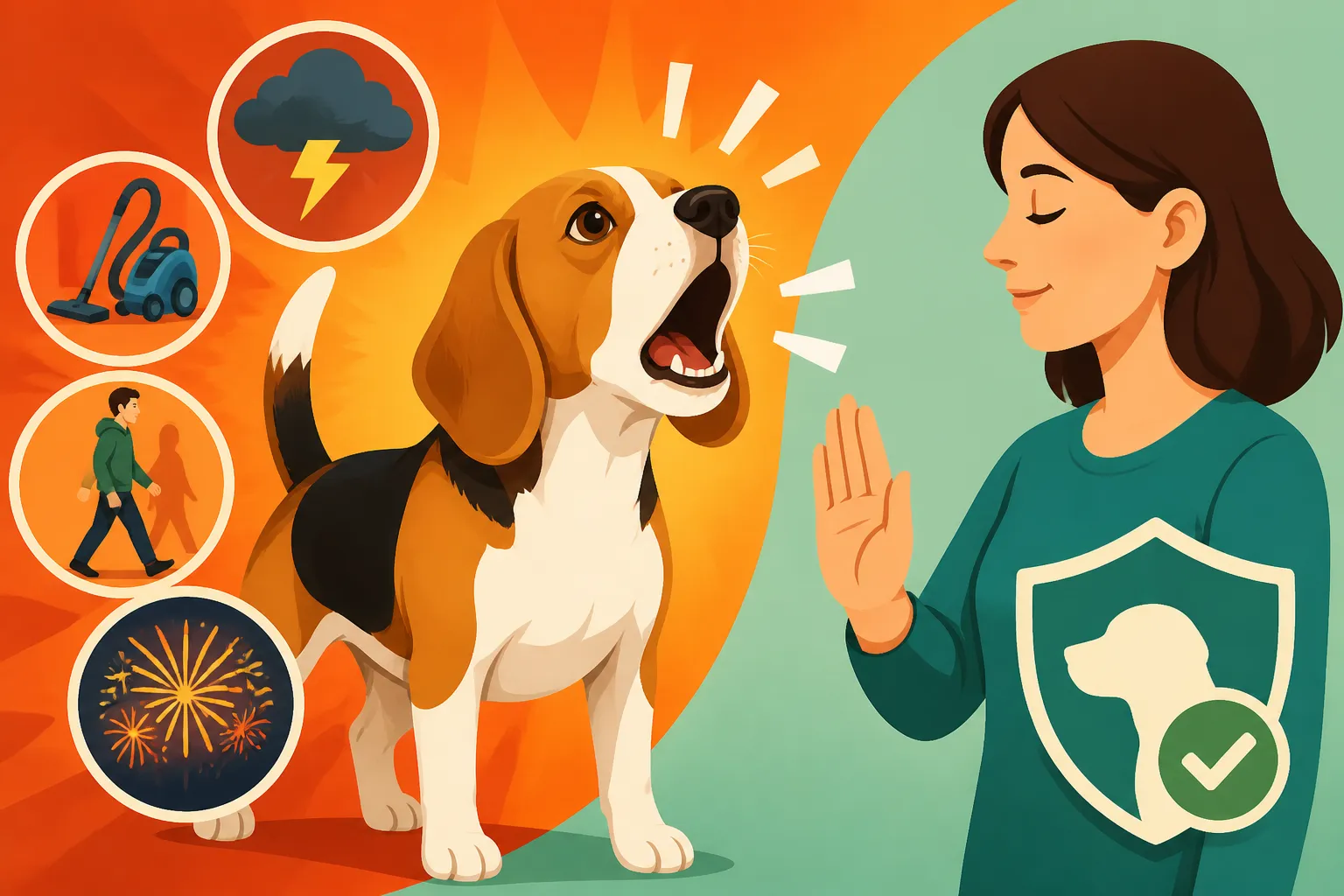
While scent is paramount, Beagles are also highly reactive to what they hear and see. Their excellent hearing, combined with their alert nature, means they're often the first to know about something happening outside. Common auditory triggers include other dogs barking, sirens, car doors slamming, mail trucks, or even just distant conversations. Visually, anything from a person walking past the window, another dog, a cat, or wildlife like squirrels and birds can instantly grab their attention and provoke a reaction.
The delivery truck, for instance, is a classic Beagle trigger. The sound of its engine approaching, the sight of the driver, and often the associated smells (cardboard, human scent) combine to create a perfect storm for a vocal outburst. Similarly, visitors approaching the front door—the doorbell ringing, footsteps on the porch, the sight of a new person—can cause an immediate flurry of barks and bays. These reactions stem from a combination of territorial instinct and their desire to alert their pack to perceived intruders. The sound of a siren can also be a strong trigger, often prompting a full-throated howl as if in response to a distant packmate.
Environmental and Social Triggers: Home and Away
Beyond specific smells, sights, and sounds, broader environmental and social factors can also act as triggers. A busy, noisy park might be overwhelming for a Beagle compared to a quiet trail. Being left alone, especially for extended periods, can trigger separation anxiety, manifesting as howling, destructive chewing, or inappropriate urination. Beagles are pack animals, after all, and thrive on companionship.
For instance, if your Beagle howls the moment you leave the house, it's likely a classic sign of separation anxiety, a common issue in this pack-oriented breed. Beagle Howling the Moment You Leave delves deeper into this particular trigger. Similarly, a lack of consistent exercise or mental stimulation can lead to pent-up energy, making them more reactive to otherwise minor triggers. An under-exercised Beagle might be more prone to barking at every leaf or shadow because they're simply bored and looking for an outlet. On the flip side, overstimulation in a new or busy environment can also lead to reactivity as they become overwhelmed.
Proactive Strategies for Trigger Management
Once you've identified your Beagle's specific triggers, the next step is to implement proactive management strategies. This isn't about "fixing" your Beagle, but about managing their environment and your interactions to reduce the frequency and intensity of their reactive responses.
Modifying the Environment to Reduce Exposure
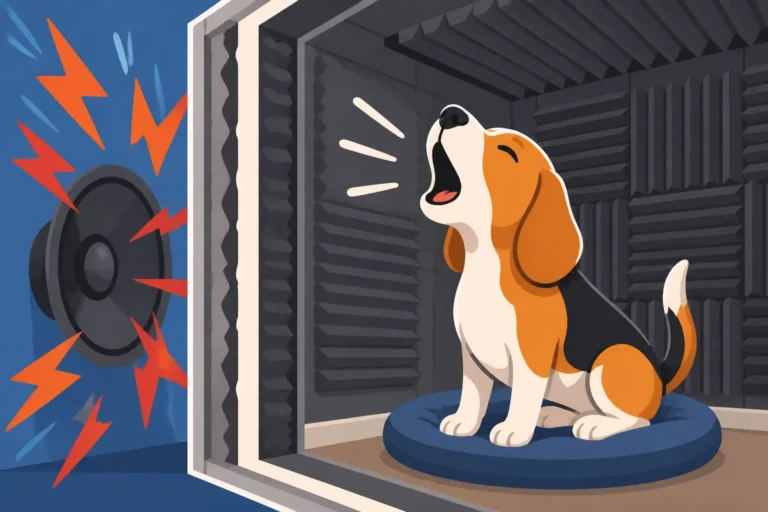
The easiest way to prevent a triggered reaction is to prevent exposure to the trigger in the first place. This is especially true for Beagles, who are so sensitive to their surroundings. If your Beagle barks at everything passing by the front window, consider using privacy film, frosted glass, or even simply keeping blinds and curtains closed during peak triggering times. For outdoor sounds, white noise machines or quiet music can help mask external noises that set them off. You can find many options on Amazon for these types of tools.
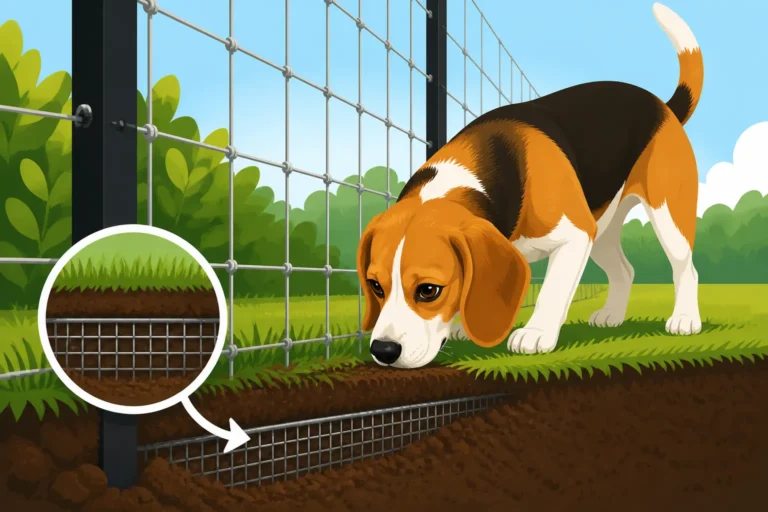
If your Beagle reacts to sounds from neighbors or common areas in an apartment building, strategically placing furniture, using sound-absorbing panels, or even moving their sleeping area to a quieter part of the house can make a significant difference. For Beagles prone to digging under fences or finding gaps, reinforcing your yard is paramount. Fencing Costs That Actually Contain a Beagle provides valuable insights into securing your outdoor space. The goal is to create a home environment where your Beagle feels secure and less bombarded by sensory input that triggers an alert response.
Establishing Predictable Routines and Safe Spaces
Beagles, like many dogs, thrive on routine and predictability. A consistent daily schedule for feeding, walks, potty breaks, and playtime can help reduce anxiety and make them feel more secure. When they know what to expect, they are less likely to be on high alert for unexpected triggers. This sense of security can significantly lessen reactivity.
Creating a designated "safe space" within your home is also incredibly beneficial. This could be a comfortable crate covered with a blanket, a cozy dog bed in a quiet corner, or even a dedicated room where they can retreat when feeling overwhelmed. This space should be positive and associated with calm, comfort, and good things. Never use it for punishment. When a known trigger is approaching (e.g., a delivery driver), you can guide your Beagle to their safe space with a high-value chew or puzzle toy, providing a positive distraction and reducing their exposure. Puzzle toys, readily available from retailers like Amazon, are excellent for this, keeping their minds engaged and distracted from external stimuli.
Using Management Tools to Create Distance
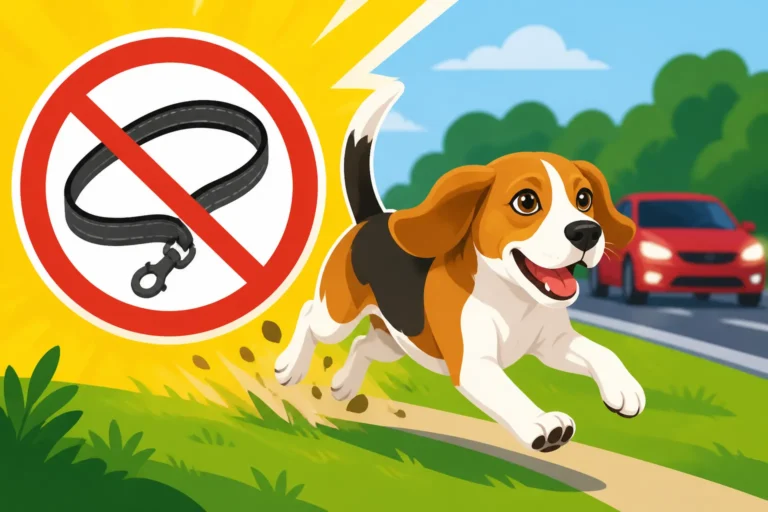
Sometimes, completely avoiding a trigger isn't possible, especially on walks. In these situations, management tools can help you maintain control and create necessary distance from the trigger. A good-fitting harness, like a front-clip harness, can give you more control over your Beagle's pulling, especially when they catch a strong scent. Using a long line in a secure, open area allows them to explore scents more freely without the risk of them bolting after a perceived trail, as discussed in The Long Line Length a Beagle Actually Needs.
When encountering a trigger on a walk (another dog, a person, a strong scent source), calmly turn and walk in the opposite direction, or cross the street to increase distance. The goal is to be far enough away that your Beagle notices the trigger but doesn't feel compelled to react intensely. This isn't avoiding the problem; it's managing the situation to prevent rehearsal of the reactive behavior, buying you time to work on training. GPS collars and tracking tags, mentioned in Beagle GPS Collars and Tracking Tags, can also provide peace of mind in case an escape artist Beagle does get loose, especially if they follow a scent trail far from home.
| Trigger Type | Common Examples | Management Strategy | Training Strategy |
|---|---|---|---|
| Scent-Based | Wildlife trails, other dog's urine, food scraps | Leashed walks, secure yard, puzzle feeders | "Leave It," Nose Work, focus on handler |
| Auditory | Doorbell, sirens, mail truck, neighbor noise | White noise, closed windows, safe space, classical music | Desensitization to sounds, "Quiet" cue, positive association |
| Visual | People walking by, other dogs, squirrels | Window film, closed curtains, high fence, redirect attention | Counter-conditioning, "Watch Me," engagement games |
| Separation-Related | Owners leaving, being alone for long periods | Gradual absence training, secure crate, enrichment toys | Building independence, crate comfort, professional help |
Training Techniques to Change Trigger Responses
While management is about preventing reactions, training focuses on changing your Beagle's emotional response to triggers and teaching them alternative, more desirable behaviors. This requires patience, consistency, and a deep understanding of positive reinforcement.
Desensitization and Counter-Conditioning Basics
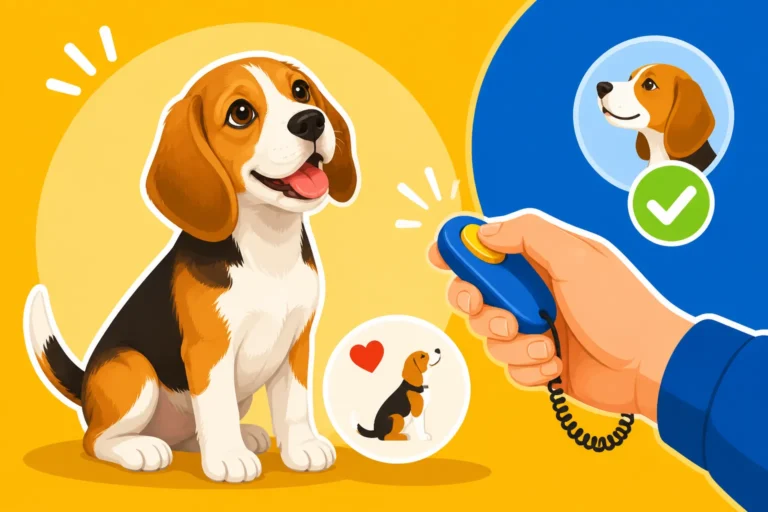
These are powerful tools for changing a Beagle's emotional response to a trigger. Desensitization means gradually exposing your Beagle to a trigger at such a low intensity that they don't react. Imagine your Beagle barks at the mail truck. You might start by playing recordings of mail truck sounds at a very low volume, slowly increasing it over days or weeks, always staying below the threshold where your Beagle reacts. Counter-conditioning involves changing your Beagle's emotional association with the trigger from negative (fear, excitement, alert) to positive (calm, happy). This is usually done by pairing the trigger with something highly rewarding, like delicious treats.
For example, if the sight of another dog triggers your Beagle on walks, start by observing other dogs from a distance where your Beagle notices them but doesn't react. The moment they see the other dog, immediately give them a high-value treat. Repeat this, gradually decreasing the distance over many sessions. The idea is for your Beagle to start associating other dogs with yummy treats, rather than alarm or excitement. This technique helps them learn that the trigger predicts good things, not bad things, and can be very effective when done correctly and consistently.
Teaching an Alternative, Calm Behavior
Instead of allowing your Beagle to bark or bay at a trigger, you can teach them an incompatible, calm behavior to perform instead. This could be a "watch me" cue (looking at you), a "sit" or "down" stay, or simply settling calmly on a mat. The key is to practice these behaviors extensively in a quiet, non-triggering environment first, then gradually introduce them in the presence of low-level triggers.
For instance, if your Beagle barks at visitors, teach them to go to their mat when the doorbell rings. Start by practicing this with no one at the door, rewarding heavily for success. Then, have a family member ring the doorbell while you guide your Beagle to their mat and reward them. Over time, your Beagle learns that the doorbell isn't a cue to go ballistic, but a cue to go to their mat and get a treat. High-value treats, as discussed in High-Value Food and How Fast a Beagle Learns, are crucial here to motivate your Beagle to perform the desired behavior even when their instincts tell them to do otherwise.
Building Focus and Engagement in Distracting Environments
Beagles are easily distracted by the rich sensory world around them, especially when outdoors. Building strong focus and engagement with you, even in distracting environments, is essential for trigger management. This means becoming more interesting than the environment itself. Use engaging games, quick praise, and, again, those irresistible treats.
Practice short, fun training sessions during walks, asking for simple cues like "sit," "stay," or "come" (if they're on a long line in a secure area). Reward them generously for checking in with you or for maintaining eye contact even when a bird flies by. This helps your Beagle learn to prioritize your presence and cues over environmental distractions. Attention Games to Play Before a Beagle Walk offers some great ideas to get started. Consistency in these engagement exercises will strengthen your bond and make your Beagle more responsive when triggers appear. Online training platforms, like those offered by BAXTER & Bella, can provide structured courses and support for building this foundational obedience and focus.
Addressing Specific Trigger Scenarios
Now let's apply these strategies to some common Beagle trigger scenarios you might encounter in everyday life.
Nuisance Baying at Delivery Drivers and Strangers
This is a classic Beagle conundrum. The delivery driver is just doing their job, but your Beagle sees them as an intruder to be vocally announced. The sound of the truck, the sight of the person, the knock on the door – it all combines into a highly effective trigger.
To manage this, start by reducing the visual stimulus (close blinds). When you anticipate a delivery, have your Beagle in a designated "safe spot" with a long-lasting chew or a stuffed Kong. As the truck approaches, start giving them treats. If they start to vocalize, redirect their attention with a "Quiet" command (if trained) or simply by tossing treats away from the window, rewarding heavily for any moment of silence. You want to change their association from "truck means bark" to "truck means yummy treats in my quiet zone." You might also talk to your delivery drivers if possible, asking them to leave packages without knocking, or sending them a note with instructions if the service allows. Beagle Noise and the Neighbors Next Door can provide further context on managing neighbor complaints.
Howling When Left Alone: Separation-Related Triggers
Beagles are pack animals, and being left alone can be a significant trigger for anxiety, leading to howling, barking, and sometimes destructive behavior. This isn't naughtiness; it's distress.
If your Beagle is howling the moment you leave, as explored in Beagle Howling the Moment You Leave, this points to separation anxiety. Management involves ensuring they have a secure, comfortable space (like a well-crate trained area), plenty of exercise before you leave, and engaging enrichment toys. Training involves very gradual desensitization to your departure cues. Start with short absences – literally stepping out the door for five seconds and returning before they can vocalize, then gradually increasing the time. Never make a big fuss when you leave or return; keep it low-key. Consider installing a camera to monitor their behavior. In more severe cases, a professional dog trainer specializing in separation anxiety or a veterinary behaviorist may be necessary. For milder cases, using puzzle feeders or scent work before you leave, as suggested in Puzzle Feeders That Genuinely Slow a Beagle, can keep their minds busy.
Reactivity on Walks: The Scent Trail Dilemma
Walking a Beagle can be a battle between their nose and your arm. Every enticing scent, every squirrel, every other dog can become a trigger for pulling, lunging, or vocalizing.
The key here is a combination of management and training. First, ensure you have appropriate equipment, like a comfortable front-clip harness and a sturdy leash. On walks, be vigilant. Scan ahead for potential triggers (other dogs, people, high-traffic scent areas). If you spot one, either change direction immediately or create more distance. As soon as your Beagle notices the trigger without reacting, mark that moment with a "yes!" and reward with a high-value treat. If they do react, calmly increase distance until they are below their threshold, then continue with positive reinforcement. Short, frequent walks focused on sniffing in safe, controlled environments, as detailed in Sniffing Walks and Why They Tire a Beagle Out, can help fulfill their need to use their nose without overstimulating them with reactivity triggers.
Living Harmoniously with a Trigger-Sensitive Beagle
Managing a Beagle's triggers is an ongoing journey. It takes dedication, understanding, and a willingness to adapt. But the rewards – a calmer, happier Beagle and a more peaceful home – are well worth the effort.
Consistency and Patience: The Keys to Success
There's no quick fix for deeply ingrained behaviors or strong instincts. Consistency is paramount. Every family member needs to be on the same page with management strategies and training cues. If one person allows the Beagle to bark at the window while another corrects it, the Beagle receives mixed signals and progress will be slow, if not impossible.
Patience is equally vital. There will be good days and bad days. Your Beagle won't suddenly stop reacting overnight. Celebrate small victories, like a walk where they only barked twice instead of ten times, or a delivery that caused a quieter, shorter vocalization. Remember that Beagles learn best through positive reinforcement and clear communication, not punishment. Getting frustrated or angry will only heighten their anxiety and make them less likely to learn.
Seeking Professional Guidance When Needed
If you're feeling overwhelmed, or if your Beagle's reactivity is severe (e.g., aggression towards other dogs or people, severe separation anxiety leading to self-harm), it's always best to seek professional help. A certified professional dog trainer (CPDT) or a veterinary behaviorist can provide personalized assessments, help you identify specific triggers you might be missing, and develop a tailored training plan. They can also rule out any underlying medical conditions that might be contributing to the reactivity.
Sometimes, what appears to be a behavioral issue could have a medical component, or require a multi-faceted approach that includes medication alongside behavior modification. Don't feel ashamed to ask for help; it's a sign of a responsible and caring pet owner. Online platforms like BAXTER & Bella can be a good starting point for foundational training and provide resources that might help you identify when professional one-on-one help is truly needed.
Embracing Your Beagle's Unique Traits
Ultimately, owning a Beagle means embracing their unique characteristics, including their incredible noses, their vocal nature, and their merry, sometimes stubborn, personalities. While you can certainly manage triggers and train alternative behaviors, you'll never completely eradicate the "Beagle-ness" from your hound, nor should you want to.
Instead of fighting against their instincts, learn to work with them. Engage their nose with scent work games, provide appropriate outlets for their vocalizations (e.g., teaching them to "speak" on cue, then "quiet"), and understand that their world is simply richer and more scent-filled than yours. By understanding, managing, and training with patience and positive reinforcement, you can create a harmonious life with your trigger-sensitive Beagle, celebrating their unique spirit while minimizing the less desirable behaviors.
Disclaimer
This article is for general informational purposes only and does not constitute professional advice. Laws, prices and regulations vary by location and change over time. Consult a qualified professional for guidance on your specific situation.