Attention Games to Play Before a Beagle Walk
The moment you grab the leash, does your Beagle transform into a pulling, sniffing, deaf-to-your-calls torpedo? It's a common frustration for Beagle owners, whose beloved hounds become utterly absorbed by the symphony of scents outdoors. This guide is here to help you turn that pre-walk chaos into calm, focused anticipation by teaching you effective attention games that will help your Beagle engage with you before the outside world takes over.
Why Pre-Walk Focus is a Game-Changer for Beagles
It's easy to feel like your Beagle deliberately ignores you the second a leash appears. But it's not personal; it's instinct. Before you can even think about a pleasant walk, you need to understand the powerful forces at play inside your Beagle's head and how building focus before you step out can totally transform your daily excursions.
The Beagle's World of Scent vs. Your Voice
Imagine living in a world where every single leaf, every blade of grass, every discarded coffee cup tells a vibrant, irresistible story. That's your Beagle's reality, thanks to their truly incredible nose. With an estimated 220 million scent receptors, compared to our mere 5-6 million, their olfactory bulb is massive, literally a large part of their brain dedicated to processing smells. When they're outside, especially in a stimulating environment, their brain is awash with information. This makes your voice, even when you're excitedly calling their name, often just another background noise in their much richer sensory experience.
This isn't stubbornness, though it can certainly feel like it when your arm is being yanked down the sidewalk. It's a complete absorption in their primary sense. They were, after all, bred over centuries to follow a scent trail relentlessly, tuning out everything else. This deep-seated drive means that if you haven't captured their attention before that scent world opens up to them, you're already fighting an uphill battle. We need to create a mental on-ramp to the walk that prioritizes connection with you.
Preventing Pulling and Reactivity Before It Starts
A lack of focus at the doorway or the moment you step outside often translates directly into undesirable behaviors like leash pulling and reactive lunging. If your Beagle is already mentally "gone" on a scent trail before their paws hit the pavement, they're not going to be listening to your cues about loose-leash walking or ignoring that other dog. They're already operating in their own scent-driven bubble. This can make walks incredibly frustrating, uncomfortable, and even unsafe for both of you.
Proactive training, where you build attention and impulse control before the walk, is far more effective than trying to correct pulling or reactivity once it's in full swing. Think of it like a warm-up routine for an athlete. You wouldn't expect a runner to sprint without stretching first; similarly, you shouldn't expect your Beagle to walk calmly without first engaging their brain and connecting with you. By establishing a routine of pre-walk attention games, you're essentially setting the stage for a successful and enjoyable walk, helping them transition from indoor calm to outdoor exploration in a more controlled, mindful way. This foundational work can even lay the groundwork for more advanced skills like Beagle Recall That Works Before the Nose Wins.
Simple Attention Games to Master Indoors
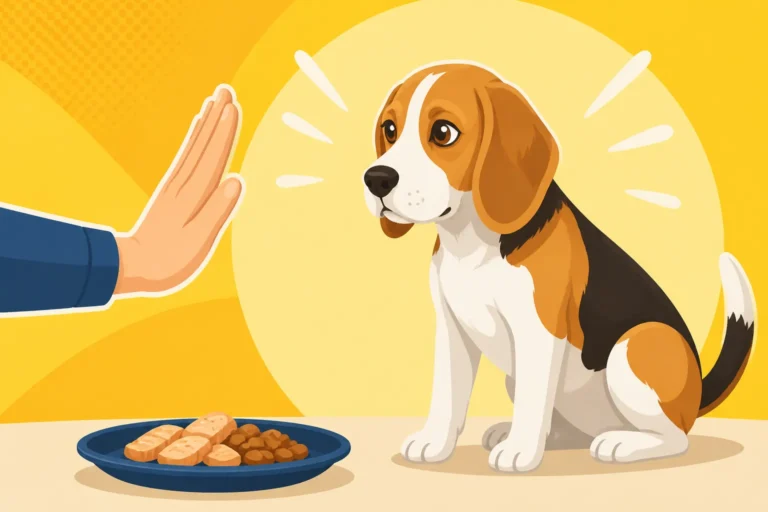
The beauty of attention games is that they don't require much space or fancy equipment. You can start right in your living room, building those crucial connections and setting your Beagle up for success. Remember, for a Beagle, high-value treats are your secret weapon – they are powerfully food-driven, which you can use to your advantage.
The "Watch Me" Game for Eye Contact
Teaching your Beagle to make eye contact on command is perhaps the most fundamental attention game you can play. It's the mental equivalent of pressing a "reset" button when their nose threatens to take over. Start this in a quiet room with no distractions. Hold a delicious, high-value treat (something truly irresistible, like small bits of cheese or cooked chicken) right at your Beagle's nose. As they sniff it, slowly move the treat up towards your eyes. The moment their eyes flick up to yours, even for a split second, say "Yes!" or click a clicker, and immediately give them the treat. Repeat, repeat, repeat.
Once they consistently offer eye contact when the treat moves, you can add a verbal cue like "Watch Me." Say "Watch Me," wait for eye contact, mark, and reward. Gradually increase the duration of eye contact before rewarding, starting with just a second and building up. Practice this in different rooms, then with minor distractions like a family member walking by, and eventually outside in progressively more stimulating environments. This skill is invaluable for redirecting their attention when a particularly interesting scent or sight threatens to derail your walk.
Name Recognition and Quick Engagements
Is your Beagle's name just background noise to them, or does it signal something good? For attention games, we want their name to be a beacon that immediately draws their focus back to you. This is about making their name synonymous with positive things and quick, engaging interactions. In a low-distraction environment, simply say your Beagle's name in a cheerful tone. The instant they look at you, say "Yes!" and toss a treat. Don't wait for them to come to you; the reward is for the attention they give you when their name is called.
Keep these sessions short, energetic, and fun. You want your Beagle to associate their name with a happy, rewarding interaction. Once they are reliably looking at you when their name is called in a quiet setting, start adding very mild distractions. Try it when they are sniffing a corner of the room, or when another family member is quietly present. The goal is to build a strong reflex where their name acts as an immediate interrupter to whatever else they're doing, pulling their focus directly to you. This kind of quick engagement is especially useful for interrupting unwanted behaviors or checking in during walks.
"Find It" for a Mental Warm-Up
The "Find It" game is perfect for Beagles because it harnesses their natural scenting abilities in a controlled and rewarding way. Instead of fighting their nose, you're directing it. To play, show your Beagle a tasty treat, then tell them "Find It!" and toss it a short distance away on the floor. As they find and eat it, praise them. Gradually, you can increase the difficulty. Start by having them sit and wait (or have a helper hold them gently) while you "hide" the treat in plain sight under a towel or behind a chair in the same room.
As they get better, you can hide treats in more challenging spots, still in the same room. This game not only engages their powerful nose in a way that’s mentally stimulating, but it also teaches them to look to you for direction and rewards. It burns mental energy, which can be just as tiring as physical exercise, making them calmer and more receptive before a walk. Puzzle Feeders That Genuinely Slow a Beagle are also fantastic tools for similar mental engagement, offering a structured way for them to use their nose and brain for a reward.
Leveling Up Attention Games Near the Door
Once your Beagle understands and enjoys the basic attention games in a low-distraction environment, it's time to bring them closer to the ultimate distraction: the front door. This is where the rubber meets the road, so to speak, in preparing for a calm and focused walk.
The "Doorway Wait" for Calm Exits
The doorway can be a huge trigger for excitement and pulling. The "Doorway Wait" teaches your Beagle to remain calm and wait for permission to exit. Start by simply approaching the door with your Beagle on leash. If they jump, pull, or whine, simply stop and stand still. Wait for all four paws to be on the floor and a moment of calm. The second they offer that calm, say "Yes!" and take one step toward the door. If they get excited again, stop. This teaches them that calm behavior makes the door accessible, while excitement makes it inaccessible.
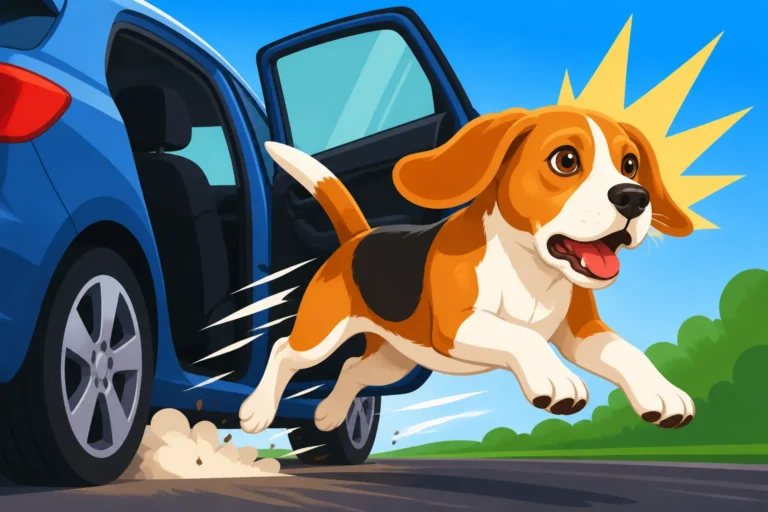
Once you can reach the door calmly, put your hand on the doorknob. Again, wait for calm. If they stay calm, open the door a crack. If they surge forward, immediately close it. Repeat this process, gradually opening the door wider and eventually stepping through. Only allow them to exit once they are calm and you give them a release cue like "Okay!" This creates a strong association between calm behavior and the reward of going outside. This practice is vital to prevent door dashing, and building this habit is explored further in Teaching a Beagle to Wait at Every Doorway.
Short Leash Greetings and Impulse Control
Before you even open the door for a walk, practice clipping the leash on and off in different areas near the exit, without actually going anywhere. The sight of the leash itself can be a massive trigger, so we want to desensitize them to it a bit. Clip the leash on, ask for a "Watch Me" or their name, reward, and then take it off. Repeat this several times. This breaks the direct link between "leash on" and "instant walk."
Next, try putting the leash on, taking a few steps inside, asking for a "Watch Me" or a "Sit," rewarding, and then taking the leash off. The goal is to build their impulse control around the leash. You can also incorporate a "Touch" cue (where they touch their nose to your hand). This is a great way to redirect their focus quickly when they start to get overstimulated by the anticipation of the walk. Ask for a "Touch" near the door, reward, then try another, moving around slightly. It keeps their brain engaged with you, rather than solely on the impending adventure.
Integrating Puzzle Toys for Sustained Focus
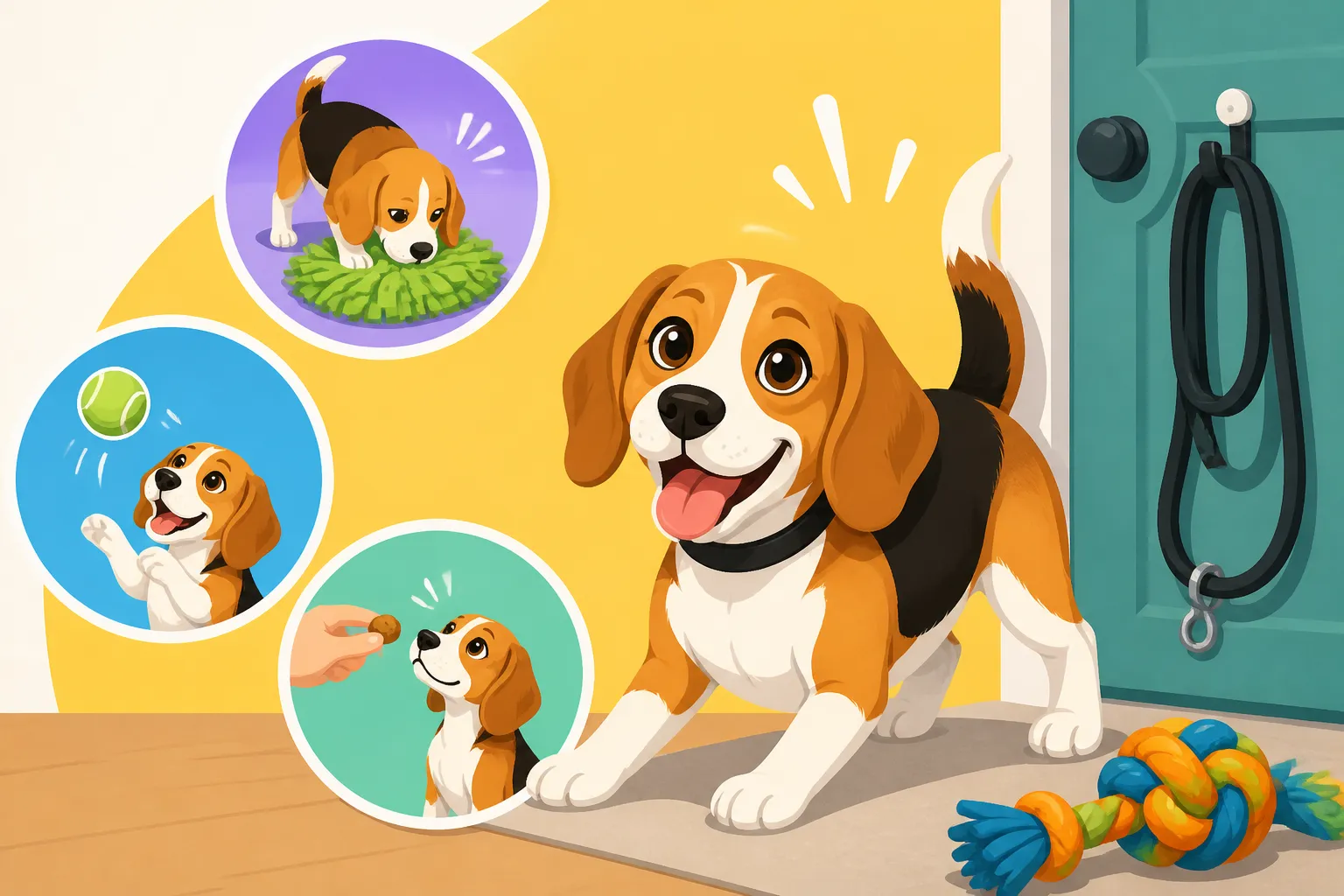
Sometimes, your Beagle's excitement is so high that they need a bit more than just a quick game to settle them down before a walk. This is where puzzle toys can come in handy. Just before you're ready to leave, fill a small, easy-to-solve puzzle toy or a KONG with a portion of their meal or a few high-value treats. Offer it to them. The act of working to get the food out engages their brain and redirects their energy into a productive, calming activity.
The key is that this isn't a long-term distraction; it's a short, focused activity that helps them transition their mental state. While they're working on the puzzle for a few minutes, their arousal levels can come down, making them more receptive to your commands when you eventually do head out. You can find a wide variety of these engagement toys on platforms like Amazon, offering different levels of difficulty to keep your Beagle challenged and interested. This helps to fulfill their natural drive to "work" for food, which for a Beagle, can be a powerful calming mechanism.
Consistency is Key for a Focused Walk
Learning to walk calmly on a leash and pay attention to you isn't a one-and-done lesson for a Beagle. It's an ongoing process that requires patience, consistency, and a deep understanding of their unique drives. Think of these attention games not as chores, but as opportunities to strengthen your bond and make every walk a more enjoyable experience.
Making it a Habit, Not a Chore
The biggest mistake owners make is treating these attention games as occasional remedies instead of integral parts of their daily routine. For your Beagle to truly learn and internalize these behaviors, consistency is paramount. Make it a habit to do a few "Watch Me" reps, some name recognition practice, or a quick "Find It" game before every single walk, even if it's just a quick potty break. Just five minutes of focused attention before you even get near the leash can make a world of difference.
It also helps to keep these sessions fun and engaging. Beagles thrive on positive reinforcement, especially when high-value rewards are involved. Vary the games you play, keep the treats exciting, and always end on a positive note. The more you incorporate these small, intentional moments of connection into your routine, the more your Beagle will start to automatically offer you their attention, even when the pull of the outside world is strong.
Handling Setbacks and Maintaining Patience
Let's be realistic: Beagles are Beagles! Their powerful nose is always going to be a formidable opponent to your training efforts. There will be days when all your pre-walk attention games seem to vanish the moment you step outside. Your Beagle might suddenly "forget" everything you've taught them because a particularly enticing scent, perhaps a rabbit that passed by hours ago, has completely hijacked their brain. This is normal, and it's not a failure on your part or your Beagle's.
When these setbacks happen, don't get frustrated. Simply go back to basics. If your Beagle is pulling relentlessly, stop walking. Wait for a moment of slack in the leash, even if it's just for a second, then immediately reward and continue. If they're completely ignoring your "Watch Me" cue, move to a less distracting environment or increase the value of your treat. Remind yourself that you're working with a breed whose instincts are incredibly strong. Every walk is an opportunity to practice, and every small win builds towards a more focused future. Online training resources, such as programs offered by BAXTER & Bella, can also provide structured guidance and support for navigating these challenges, often offering creative solutions tailored to specific breed traits.
Expanding the "Focus Zone" Beyond the Home
While these attention games are designed to be played before your walk, the ultimate goal is for that focus to extend throughout your entire outing. Once your Beagle is consistently offering you attention indoors and calmly exiting the door, start practicing these games in low-distraction outdoor environments. A quiet backyard, a deserted park early in the morning, or a calm cul-de-sac can be great starting points.
Practice "Watch Me" when a bird flies by, or call their name for a quick treat when another dog is in the distance. The more you reinforce paying attention to you in various settings, the more that focus becomes a generalized behavior rather than something that only happens inside. Remember that walks aren't just for exercise; they're prime training opportunities. Every time your Beagle checks in, even briefly, it's a chance to build that connection. And for added safety and control, consider Why a Harness Protects a Beagle's Neck during these training walks, especially for a dog prone to pulling.
| Attention Game | Primary Benefit | Quick Tip | Ideal Starting Environment |
|---|---|---|---|
| "Watch Me" | Builds crucial eye contact and focus on handler | Move treat from nose to eyes, mark and reward instant eye contact. | Quiet indoor room |
| Name Recognition | Makes their name a positive attention magnet | Say name, reward immediately when they look at you. Keep it quick and fun. | Quiet indoor room |
| "Find It" | Channels scent drive productively, mental workout | Show treat, say "Find It!", toss short distance away. Praise finding. | Quiet indoor room |
| "Doorway Wait" | Teaches impulse control at exits | Stop at door if excited; only proceed with calm behavior. | Near exit door |
| Short Leash Greetings | Desensitizes to leash as a trigger | Clip leash on/off, ask for focus, reward, then remove leash. | Near exit door |
| Puzzle Toys | Lowers pre-walk arousal, provides mental outlet | Offer a small, easy puzzle toy with treats before heading out. | Near exit door |
Disclaimer
This article is for general informational purposes only and does not constitute professional advice. Laws, prices and regulations vary by location and change over time. Consult a qualified professional for guidance on your specific situation.