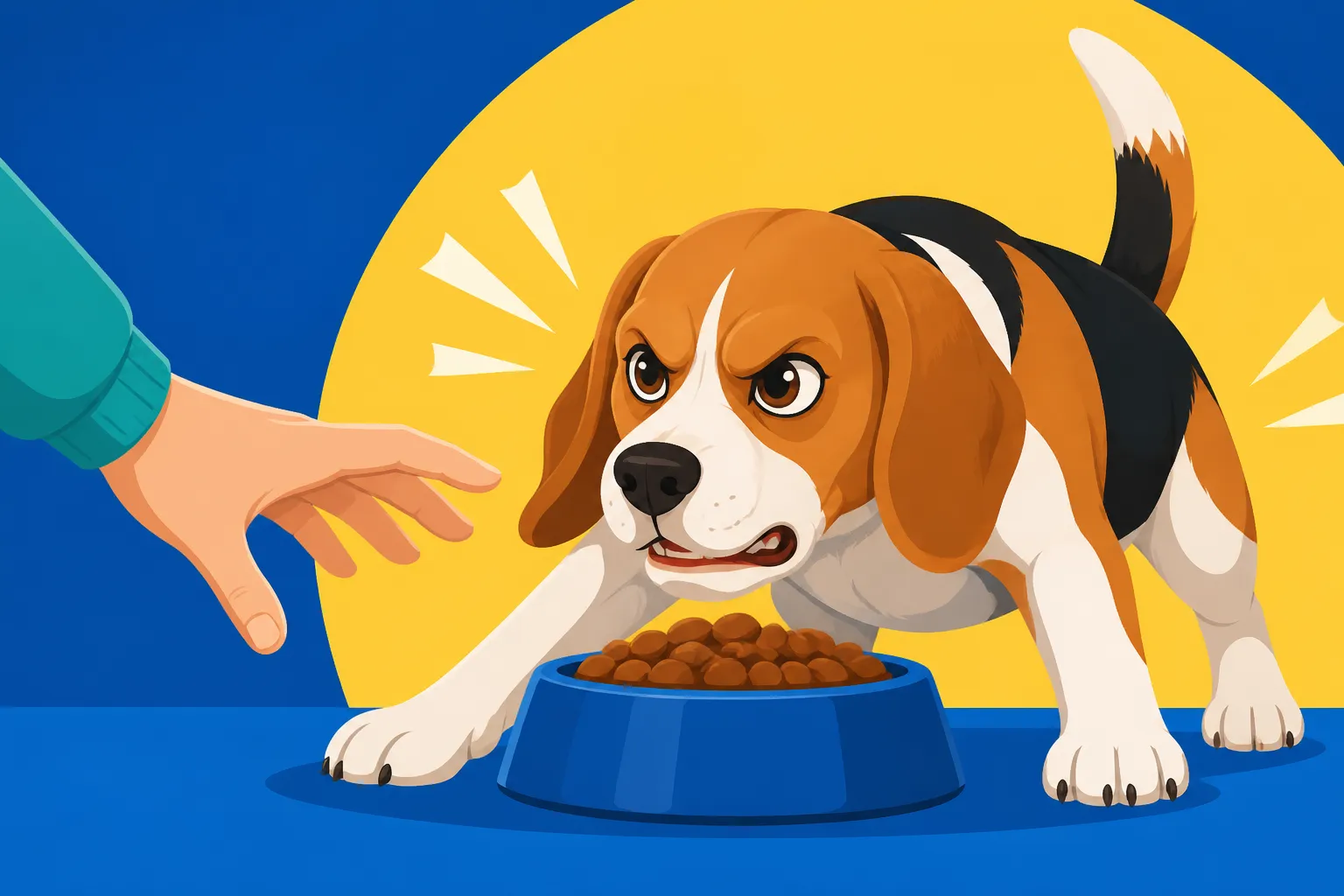
Beagle Resource Guarding at the Food Bowl
One of the most disheartening things a Beagle owner can experience is when their sweet, goofy companion suddenly turns tense and protective over something as basic as their dinner. You just want to set down their bowl, maybe adjust it, or even walk by, and suddenly you're met with a growl, a stiff body, or even a snap. This isn't just frustrating; it can feel like a betrayal of trust and frankly, it can be scary. This comprehensive guide will walk you through understanding why your Beagle might be guarding its food, how to spot the early warning signs, and most importantly, practical, empathetic strategies to manage and prevent resource guarding at the food bowl, helping you rebuild that trust and ensure meal times are peaceful for everyone.
Understanding Why Beagles Resource Guard Their Food
It can be baffling when your beloved Beagle, who usually showers you with affection, acts aggressively over a bowl of kibble. Many owners feel confused or even offended, wondering what they did wrong. But the truth is, resource guarding, especially around food, is a deeply ingrained instinct, particularly for a breed like the Beagle. It's not personal; it's primal.
The Instinctual Drive Behind Food Guarding
Beagles, with their rich history as scent hounds, were originally bred to hunt in packs. In a pack environment, competition for resources – particularly food – was a matter of survival. The fastest, most assertive dogs often got the best portions, and protecting what they had found was essential. This isn't something that gets bred out easily, even after generations of being companion animals. Your Beagle still carries echoes of that ancient pack mentality within its DNA. Their incredible The 220 Million Receptors Behind a Beagle's Nose means they are acutely aware of food, its presence, and its value, making it a highly prized resource.
Furthermore, Beagles are renowned for their incredible food drive. They live to eat, and anyone who has ever owned one knows that a Beagle's stomach is often a bottomless pit. This intense focus on food, which serves them so well in scent work and training, can also contribute to resource guarding. When food is such a high-value commodity in their world, the instinct to protect it from perceived threats, even from their loving owners, can be overwhelming. It’s not about being "mean"; it’s about their deep-seated drive to secure a vital resource.
This powerful instinct is often exacerbated if a Beagle has experienced scarcity in its past, such as being part of a large litter where competition for milk and later, solid food, was fierce, or if they were adopted from a situation where food was inconsistent. Even a subtle feeling of insecurity can trigger this guarding behavior. Understanding that this isn't a deliberate act of defiance but rather a hardwired behavioral response helps us approach the problem with patience and empathy, rather than frustration.
Identifying the Early Signs of Food Bowl Guarding
Catching resource guarding early is key to addressing it effectively. Many owners might miss the subtle cues before the more overt aggression begins, often only reacting when their Beagle snaps or bites. But Beagles, like most dogs, will give clear, albeit quiet, signals that they are feeling anxious and protective long before they escalate to a bite. Learning to read these signals can prevent confrontations and help you intervene proactively.
The earliest signs often include body stiffening or freezing when someone approaches the food bowl. Your Beagle might stop eating mid-chew and become completely still, its head lowered over the bowl, its tail tucked or held rigid. You might notice a quick glance in your direction, almost a warning, without even a growl. Their ears might be pulled back slightly, or their eyes might show the whites, giving them a "whale eye" look. These are all attempts to communicate discomfort and a desire for space without resorting to direct aggression.
As the behavior progresses, you might start hearing low growls or rumbling from deep in their chest, especially if you get closer. They might try to physically block you from the bowl with their body, pushing their head over it, or even placing a paw over the food. A raised hackle (the hair along their spine) is another clear signal of alarm and aggression. It's crucial not to punish these early warnings, as doing so can teach your Beagle to skip the warnings and go straight to biting, making the situation far more dangerous. Instead, recognize them as communication that your Beagle needs space and help.
Practical Steps to Manage and Prevent Food Guarding
Managing resource guarding requires a thoughtful, consistent approach rooted in positive reinforcement and trust-building. The goal isn't to dominate your Beagle, but to teach them that human presence around their food bowl is a positive, not a threat, and that you are not going to take their food away. This process takes time, patience, and a clear understanding of your Beagle's communication.
Creating a Safe Feeding Environment
The very first step in addressing food guarding is to ensure your Beagle feels completely safe and unthreatened during meal times. This means eliminating potential triggers and establishing a predictable, calm routine. Think about where your Beagle currently eats. Is it in a high-traffic area, or somewhere they feel exposed? Beagles thrive on routine, and a consistent, quiet feeding spot can significantly reduce anxiety.
Choose a quiet, secluded spot for your Beagle to eat, far away from foot traffic, other pets, or children. This might be a specific room, a designated corner, or even inside their crate if they are comfortable with it. If you have multiple pets, feed them in separate rooms or crates to prevent any competition or perceived threats from each other. Ensure that during meal times, children are taught to leave the Beagle completely alone. This isn't just about managing the guarding; it's about teaching respect for your dog's space and needs, fostering a sense of security that is paramount to resolving this issue.
Another critical aspect of creating a safe environment is to establish a consistent feeding schedule. Beagles appreciate predictability, and knowing when their food will arrive can reduce anxiety around scarcity. Avoid free-feeding if resource guarding is an issue, as this can make the food an always-present, always-guardable resource. Instead, offer meals at specific times, allowing them to eat for a set period (e.g., 10-15 minutes), and then remove the bowl. This teaches them to eat when food is available without feeling the need to guard it indefinitely.
The "Trade Up" Game and Positive Reinforcement
One of the most effective strategies for overcoming food guarding is to teach your Beagle that a human approaching their bowl means something better is coming. This is often called the "trade up" game and relies heavily on positive reinforcement. The idea is to associate your presence with an upgrade, not a threat. This takes consistent, calm repetition. You might find a good selection of high-value treats on platforms like Amazon that your Beagle absolutely adores, as these will be crucial for successful trades.
Start by standing a comfortable distance away from your Beagle while they are eating – far enough that they don't show any signs of guarding. Toss a truly high-value treat (something they love, like cooked chicken, cheese, or hot dogs, not just their regular kibble) past their bowl, just a few feet away. When they look up to eat the treat you tossed, take one step closer, drop another high-value treat, and then step back. Repeat this several times, gradually decreasing the distance you toss the treat, always ensuring your Beagle looks up and moves away from their bowl to get the "better" reward. The goal is to make them think, "Human near my food means amazing things appear!" This helps prevent a Beagle Resource Guarding at the Food Bowl situation from escalating.
Eventually, you want to be able to approach the bowl, drop a high-value treat into the bowl, and then immediately back away. Never reach into the bowl to take food out during this process. The key is to demonstrate that your approach brings good things, never takes them away. The BAXTER & Bella online training program, for instance, often emphasizes this kind of positive, trust-building approach, providing guidance on how to gradually desensitize dogs to human interaction during feeding times, ensuring the dog perceives humans as providers of value. Consistency is vital; every interaction should reinforce the idea that your presence is a boon, not a burden.
Hand-Feeding and Desensitization Techniques
Another powerful tool in your arsenal against food guarding is hand-feeding. This technique is all about building trust and creating a strong positive association between your hand and their food. By directly feeding your Beagle from your hand, you're teaching them that your hand is a source of nourishment and good things, not something to be feared or guarded against. This can be particularly impactful for Beagles who have strong The Beagle Food Drive That Empties Your Counters.
Begin by hand-feeding your Beagle their entire meal, piece by piece. Sit on the floor, calm and relaxed, and offer individual pieces of kibble or wet food from your open palm. As they eat, praise them gently. This direct interaction reinforces that you are the provider, and there is no need to guard. Once they are comfortable with this, you can gradually introduce the bowl. Place a small portion of their meal in the bowl, let them eat it, then pick up the bowl, add a few more pieces, and put it back down. Repeat this process, gradually increasing the amount of food in the bowl each time, until they are comfortable with you adding and removing the bowl multiple times during a meal.
The essence of desensitization is gradual exposure. You want to slowly introduce your presence around the food bowl in a way that doesn't trigger a guarding response. Start by just walking by the eating area at a distance, tossing a high-value treat, and continuing on your way. Do this repeatedly until your Beagle barely registers your passing. Then, gradually get closer, always tossing treats, until you can stand next to them as they eat. Remember, this is a slow process; pushing too fast will set you back. Consider using puzzle feeders or Snuffle Mats and Scatter Feeding for a Beagle initially, as these can distract them slightly and make them less focused on defending a stationary bowl. The goal is to change their emotional response from anxiety and protectiveness to anticipation and comfort whenever you approach their food.
When to Seek Professional Help for Resource Guarding
While the techniques above are effective for many cases of resource guarding, there are times when the behavior is too severe or ingrained for owners to manage on their own. Knowing when to call in a professional isn't a sign of failure; it's a responsible choice for both your safety and your Beagle's well-being. Ignoring escalating aggression can lead to dangerous situations and further entrench the problematic behavior.
Recognizing Escalating Behavior
If your Beagle's resource guarding behavior progresses beyond stiffening, growling, or minor body blocking, it's a clear signal that you need professional intervention. Escalating behaviors include snapping the air, lunging, or actually biting when you approach the food bowl. If your Beagle has broken skin or shown a consistent intent to bite, the risk factor has significantly increased, and addressing it alone could be dangerous. This is especially true if the behavior is unpredictable or if it extends beyond just the food bowl to other valuable items like toys or even prime sleeping spots.
Another red flag is if the positive reinforcement techniques outlined above, when applied consistently and correctly, are not yielding any improvement, or if they seem to make your Beagle more anxious. If your Beagle starts to anticipate your approach to the bowl with heightened tension rather than positive expectation, it’s a sign that your current methods might not be working or that the underlying anxiety is too deep-seated for you to manage. Any instance where you or a family member feels genuinely afraid to approach your Beagle during meal times means it's time to get expert guidance. Ensuring peace at meal times and avoiding situations like a Beagle Stealing Food From Small Children requires proactive and often professional guidance when guarding is present.
Finding a Qualified Trainer or Behaviorist
When seeking professional help, it's absolutely crucial to find a qualified, force-free trainer or a certified veterinary behaviorist. Avoid anyone who suggests using punishment, dominance theory, or adverse methods to "cure" resource guarding. These outdated techniques can severely damage your relationship with your Beagle, suppress the warning signals (making bites more likely and less predictable), and increase overall anxiety and aggression. Resource guarding stems from fear and insecurity, and punishment only exacerbates these underlying emotions.
Look for trainers who are certified by reputable organizations and specialize in behavior modification. They should emphasize positive reinforcement, counter-conditioning, and desensitization. A good trainer will observe your Beagle's behavior, ask detailed questions about its history and your household routine, and create a personalized plan tailored to your specific situation. They will often work with you hands-on, guiding you through the techniques safely and effectively. Resources like the Certification Council for Professional Dog Trainers (CCPDT) or the Karen Pryor Academy can help you find qualified professionals in your area. Online platforms, like BAXTER & Bella, while not replacing in-person behaviorists for severe cases, can offer structured training programs and support that align with positive reinforcement principles, which might be a good starting point or supplemental resource for managing milder forms of guarding.
Ultimately, addressing resource guarding is about changing your Beagle's emotional response to your presence around their food. It’s a process of building trust, establishing clear communication, and ensuring your Beagle feels secure. With patience, consistency, and potentially professional guidance, you can transform meal times from a source of tension into a calm, positive experience for everyone in your household.
Here's a quick overview of different approaches to managing resource guarding:
| Strategy | Description | Best For | Key Takeaway |
|---|---|---|---|
| Safe Feeding Environment | Designating a quiet, low-traffic area for meals; separate pets/children. | All Beagles, especially those with mild guarding or multiple pets. | Reduces perceived threat and competition. |
| "Trade Up" Game | Tossing high-value treats near the bowl when approaching, then backing away. | Mild to moderate guarding; helps associate human presence with rewards. | Builds positive associations; teaches human approach means "better things." |
| Hand-Feeding/Desensitization | Feeding portions from hand, gradually adding to bowl, increasing presence. | All Beagles; builds strong trust and reduces fear of hands. | Establishes owner as provider; makes hands a source of good. |
| Professional Intervention | Consulting a certified force-free trainer or veterinary behaviorist. | Moderate to severe guarding, biting history, or no improvement with home methods. | Essential for safety and effective resolution when home methods fall short. |
Disclaimer
This article is for general informational purposes only and does not constitute professional advice. Laws, prices and regulations vary by location and change over time. Consult a qualified professional for guidance on your specific situation.