Beagle Counter Surfing and Trash Raiding
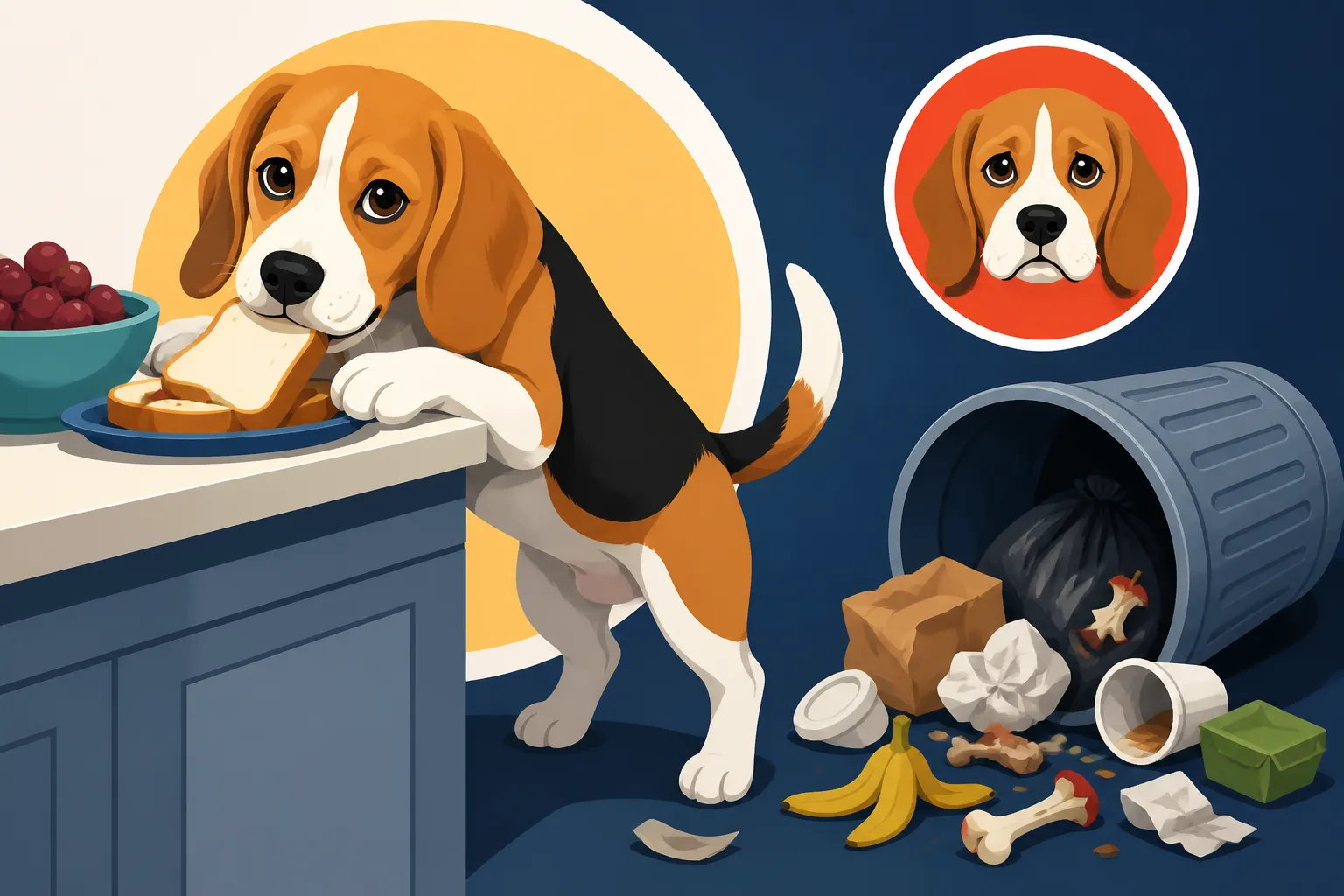
If you share your home with a Beagle, chances are you've experienced that heart-stopping moment when you turn your back for a second, only to find their nose already halfway into your dinner preparation or, worse, completely submerged in the trash can. This isn't just a quirky habit; it's a deeply ingrained instinct, amplified by their incredible sense of smell and their insatiable appetite, and it can lead to frustrating, expensive, and even dangerous situations for your beloved hound. This guide is here to walk you through understanding why your Beagle acts this way, how to manage the risks, and what you can do to train them to keep all four paws on the floor and their nose out of your forbidden zones.
Understanding the Beagle's Obsession with Food
Let's be real, a Beagle's relationship with food is legendary. It's not just a passing fancy; it's a core part of their being, something that drives many of their behaviors, both charming and maddening. When you see your Beagle launching themselves onto the counter or diligently excavating the kitchen bin, it's not simply an act of defiance; it's them being, well, a Beagle. Understanding this fundamental aspect of their nature is the first step in addressing counter surfing and trash raiding.
The Unbeatable Beagle Nose
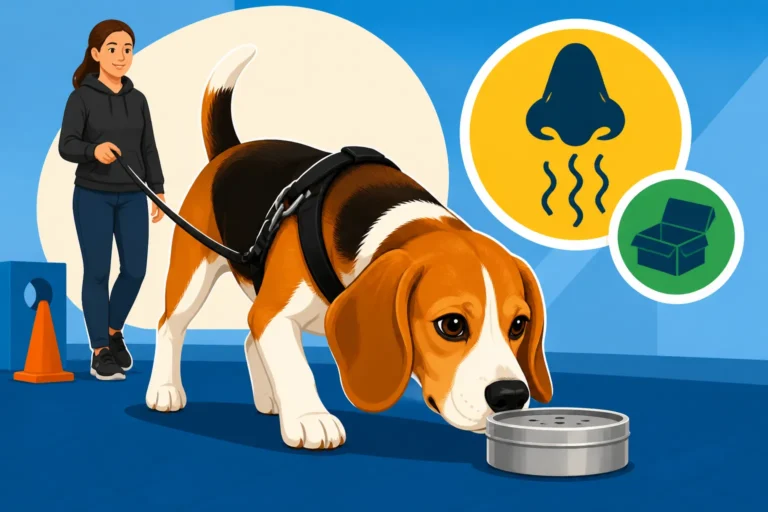
The primary culprit behind a Beagle's food obsession, and by extension, their counter surfing and trash raiding, is their truly extraordinary sense of smell. These hounds were quite literally bred for their noses, designed to track subtle scents for miles, focusing with an intensity that can make them seem deaf to the world around them. That delicious aroma of leftover pizza crusts, the faint scent of yesterday's chicken bones, or even the discarded wrapper from a candy bar in the trash – it all registers loud and clear in their sophisticated olfactory system. You might think the kitchen is clean, but your Beagle knows otherwise. Their nose tells them a story of every crumb, every grease splatter, and every delicious possibility that ever graced your countertops.
This is a breed that boasts around The 220 Million Receptors Behind a Beagle's Nose, making our human sense of smell look absolutely pathetic by comparison. Imagine being able to discern individual ingredients in a casserole from across the room, or picking up the faint trail of a dropped piece of toast from hours ago. That's your Beagle's reality. When they engage in counter surfing or trash raiding, they're not just hoping to get lucky; they're following a clear, compelling scent map that leads them directly to the "treasure." It's an instinct that overrides almost everything else, including any training you might have tried to instill.
Hardwired for Scavenging
Beyond their incredible noses, Beagles also carry a strong genetic predisposition for scavenging. For centuries, their ancestors were working dogs, often part of packs that hunted small game like rabbits. While their primary job was to track, a dog that could also find sustenance, even scraps, was a valuable asset. This means they've been hardwired over generations to be opportunistic eaters. If there's a potential food source, a Beagle will investigate it thoroughly. This isn't just about hunger; it's about an ingrained behavioral pattern that tells them to seize any available caloric opportunity.
This scavenging instinct is deeply embedded, much like their baying howl or their desire to follow a scent trail. It's a survival trait that, in a modern home, translates into a constant quest for edible delights. They don't differentiate between what's "theirs" and what's "yours" when it comes to food; they see opportunity. This is why even a well-fed Beagle might still raid the trash or clear your counters – it's not necessarily because they're starving, but because their primal urge to find and consume available food kicks in. It's a testament to their heritage, but a headache for us living with them indoors!
The "Bottomless Pit" Reputation
Ask any Beagle owner, and they'll likely confirm that their dog possesses what seems to be a perpetually empty stomach. Beagles are famous for their strong appetites and their uncanny ability to act as if they haven't eaten in days, even moments after finishing a meal. This "bottomless pit" reputation isn't entirely unfounded; while some of it is pure Beagle theatrics, their high metabolism and active nature can contribute to a genuine drive to consume more calories. This insatiable hunger can make them incredibly persistent in their pursuit of food, pushing them to explore every possible avenue, including your kitchen counters and waste bins.
This constant craving means that even a small oversight on your part can be seen as an open invitation by your Beagle. Leaving a plate unattended for mere seconds, or forgetting to latch the kitchen bin, provides the perfect window for them to indulge their powerful food drive. It's a relentless internal motivator that makes them incredibly adept at finding weaknesses in your household's food security. Understanding that this isn't just naughty behavior, but a powerful instinct, helps you approach the problem with more empathy and strategic planning, rather than just frustration.
The Dangers Lurking in Counter Surfing and Trash Raiding
While a Beagle making off with a sandwich can be annoying and a little gross, the real concern with counter surfing and trash raiding goes far beyond lost snacks. Our homes are full of things that are perfectly safe for humans but can be incredibly dangerous, even life-threatening, for a curious dog with a powerful nose and an even more powerful chewing habit. Recognizing these risks is crucial for any Beagle owner.
Toxic Foods and Foreign Objects
The number one danger of counter surfing and trash raiding is undoubtedly your Beagle ingesting toxic foods or harmful foreign objects. Our everyday kitchen waste often contains items that are highly poisonous to dogs. Chocolate, onions, garlic, grapes, raisins, avocado pits, macadamia nuts, xylitol (found in many sugar-free products), and even certain fruit pits can all cause severe illness, organ damage, or worse. A Beagle doesn't discriminate; if it smells good, they'll eat it. One moment of inattention could lead to an emergency vet visit, potentially costing a significant sum. You might want to refer to What a Beagle Should Never Be Allowed to Eat to keep a clear list of no-go items.
Beyond toxic foods, trash bins often contain things like chicken bones (which can splinter and cause internal damage), corn cobs (a common obstruction risk), plastic wrappers, aluminum foil, coffee grounds, and even cleaning product residue. These aren't just unpleasant; they can cause choking, internal lacerations, or blockages that require expensive and invasive surgery. Imagine your Beagle getting hold of a used dental floss pick or a discarded battery – the consequences can be dire. It's a constant vigilance game when you live with a hound whose nose leads them into trouble.
Choking Hazards and Obstructions
Even if what your Beagle gets hold of isn't inherently toxic, it can still pose a serious physical threat. Small objects, pliable plastic, or cooked bones can become choking hazards. Beagles, in their haste to consume whatever treasure they've found, often swallow things quickly without proper chewing. This speed, combined with their strong jaws, means they can gulp down items that are far too large or oddly shaped, leading to them getting stuck in the throat. This is a terrifying situation for any owner, often requiring immediate veterinary intervention.
If an ingested item doesn't cause choking, it can still lead to an internal obstruction. Bones, corn cobs, fruit pits, small toys, or even wadded-up plastic bags can get lodged in the esophagus, stomach, or intestines. Symptoms of an obstruction can include vomiting, lethargy, abdominal pain, loss of appetite, and straining to defecate. An obstruction is a medical emergency that almost always requires surgery to resolve. This procedure can be incredibly costly and carries its own risks. Preventing these incidents through careful home management is always the best approach, especially since What to Do When a Beagle Eats Something Toxic or problematic is often a race against time.
Kitchen Accidents and Injuries
The act of counter surfing itself, regardless of what's consumed, carries a risk of injury. A Beagle launching themselves onto a counter or stretching precariously to reach something can slip, fall, or knock over heavy items. Imagine a hot pan or a sharp knife being pulled down with them. Cuts, burns, sprains, or even broken bones can result from these accidental kitchen maneuvers. The desire for food can override their usual caution, turning your kitchen into a potential hazard zone.
Similarly, an enthusiastic trash raid can result in cuts from broken glass, cans, or sharp edges within the bin. They might also get tangled in plastic bags or other refuse, causing panic and injury. Even a minor cut on a paw pad can require vet attention, bandages, and restricted activity. It's not just about stopping them from getting the food; it's about protecting them from the environment they're so eagerly trying to exploit. A safer home is a happier home, for both you and your Beagle.
Preventative Measures: Beagle-Proofing Your Home
Given the powerful instincts driving your Beagle's counter surfing and trash raiding, prevention is truly the best medicine. You can't train away their nose or their food drive, but you can certainly make it much, much harder for them to indulge these behaviors. Beagle-proofing your home isn't about creating a sterile environment; it's about setting up boundaries and removing opportunities so that success is the only option, for both you and your dog.
Securing Your Food and Surfaces
The most immediate and effective step you can take is to become absolutely meticulous about food storage and counter cleanliness. This means developing new habits for yourself and everyone else in the household. Never leave food unattended on counters, tables, or low surfaces, even for a second. If you're cooking, consider moving your Beagle to a different room or their crate before you plate up or step away. Hot food, cooling baked goods, or even a full plate ready for dinner are simply irresistible targets.
Invest in airtight containers for food storage that can't be easily sniffed out or knocked over. Store bread, fruit, and snacks in high cupboards or a pantry that your Beagle cannot access. Wipe down counters immediately after use, ensuring no crumbs, grease, or sticky residue remain. Even the faintest scent can be an invitation for a Beagle. Think like a Beagle: where would they look for a hidden treat? Then secure that spot. This level of vigilance becomes second nature over time, but it's critical, especially if you have a known counter surfer on your hands. Remember, even a small success for your Beagle reinforces the behavior, making it harder to break.
Trash Can Tactics
Your trash can is basically a gourmet buffet line for a Beagle. To combat this, you need a trash can that is, quite frankly, Beagle-proof. Forget the open-top bins or those with simple foot pedals that are easily nudged open by a determined nose. You need something with a secure, locking lid that your Beagle cannot manipulate, no matter how clever they are. Many companies offer pet-proof trash cans that feature sturdy latches or even motion-sensor lids that stay shut until actively opened by a human hand.
Consider placing your trash can inside a locked pantry, a cabinet with childproof latches, or even securing it with a bungee cord if it's exceptionally appealing to your hound. For those who frequently have particularly smelly trash (like meat packaging), consider taking it out to an outdoor bin immediately after dinner. Remember that Beagles can sometimes overturn lighter bins, so a heavy-duty, stable model is a good investment. Don't underestimate their ingenuity; if there's a will (and a smell), there's a way. This is one area where spending a little more for a truly secure product from a retailer like Amazon can save you a lot of headache and vet bills down the line.
Controlling Access to Temptation Zones
Sometimes, the simplest solution is to physically block access to the areas where counter surfing and trash raiding occur most often. This is where baby gates, also readily available on Amazon, become your best friend. Install a sturdy gate at the entrance to your kitchen, especially if it's a separate room. This allows you to safely contain your Beagle in a dog-proof area when you're busy cooking, eating, or simply can't supervise them directly. This isn't about punishment; it's about responsible management and setting your dog up for success by removing the opportunity to fail.
If you have an open-concept living space, you might need to get creative with furniture arrangement or even consider a temporary playpen or a secure crate for periods of high risk, such as meal prep or dinner time. Ensure all windows and doors leading outside are secure, especially if they have access to an outdoor trash can or tempting garden areas. Removing the opportunity to engage in the undesirable behavior altogether is often the fastest way to break the habit. Every time they try and fail because of your preventative measures, they learn that those areas are no longer rewarding for their efforts.
Training Strategies to Curb Undesirable Behavior
While prevention is paramount, combining it with consistent training will give you the best long-term results. Teaching your Beagle what you do want them to do, and equipping them with clear commands, empowers both of you. It's about building a language of understanding that can help manage their powerful instincts, rather than just constantly reacting to their attempts.
"Leave It" and "Drop It" Commands
These two commands are absolute lifesavers for Beagle owners, especially when dealing with a dog prone to investigating forbidden items. "Leave It" teaches your Beagle to ignore an item, even a highly tempting one, on command. Start by practicing with low-value treats on the floor. Hold a treat in your hand, close your fist when your Beagle tries to get it, and as soon as they disengage (even for a split second), mark the behavior with a "Yes!" or a clicker, and then reward them with a different, higher-value treat from your other hand. Gradually increase the difficulty by placing the treat on the floor, using higher-value distractions, and eventually applying it to real-life scenarios like a dropped crumb or a tempting item on the counter. Consistency is key here. For more details on this vital command, look into Beagle Leave It Training With Real Food Down.
"Drop It" is for those moments when your Beagle has already picked something up that they shouldn't have. This command teaches them to release the item from their mouth. Start by offering a less interesting toy, then offer a high-value treat as you say "Drop It!" As they open their mouth to take the treat, praise them enthusiastically, and then immediately remove the now-dropped toy. The goal is to make dropping an item more rewarding than keeping it. Gradually work your way up to more tempting items. These commands are invaluable tools for safety and control, making those frantic moments of a trash raid or counter grab much less stressful for everyone. Teaching Drop It Before a Beagle Swallows is a skill every Beagle owner needs.
Management Over Punishment
It's tempting to yell, scold, or even physically remove your Beagle from a counter or trash bin, but punishment often backfires. Beagles are smart and can quickly learn to associate your presence with the punishment, rather than the act itself. This means they might simply wait until you're out of the room to engage in their forbidden activities, making them sneakier rather than compliant. Instead of punishment, focus on consistent management and positive reinforcement for desired behaviors.
When your Beagle isn't counter surfing or trash raiding, actively reward them. When they keep all four paws on the floor while you're cooking, toss them a small, approved treat or offer praise. When they walk past the kitchen bin without a second glance, acknowledge that good behavior. Make "being good" more rewarding than the fleeting thrill of forbidden food. Management involves setting up the environment for success (as discussed in the prevention section) so that they simply don't have the opportunity to make a "bad" choice. If they can't reach the counter or the trash, they can't practice the undesirable behavior, and gradually, the habit will weaken.
Using Their Food Drive for Good
Instead of fighting your Beagle's powerful food drive, learn to harness it for positive training and enrichment. This is where puzzle feeders, snuffle mats, and engaging scent games become incredibly useful tools. A Beagle's mind and body thrive on work, especially work that involves their nose. When they're provided with appropriate outlets for their natural foraging instincts, they're often less inclined to seek forbidden thrills.
Consider investing in several high-quality puzzle feeders (many excellent options are available from various brands on Amazon) that make your Beagle work for their kibble. Instead of simply eating their dinner in two seconds flat from a bowl, they can spend 15-20 minutes rolling, pawing, and problem-solving to get their meal. This mental stimulation is incredibly tiring for them. Similarly, a snuffle mat, which allows you to hide kibble or treats within fabric strips, engages their powerful nose in a constructive way. Puzzle Feeders That Genuinely Slow a Beagle and Snuffle Mats and Scatter Feeding for a Beagle are fantastic ways to make mealtime an enriching experience. Brands like BAXTER & Bella also offer training resources that can help you integrate these tools into a broader training plan, turning that intense food drive into a motivator for good behavior. This shift in perspective, from fighting the drive to channeling it, is a game-changer for many Beagle owners.
Addressing Underlying Issues and Habits
Counter surfing and trash raiding aren't always just about a love for food; sometimes, they can be symptoms of deeper issues. Addressing these underlying factors can significantly reduce the drive for forbidden snacks and lead to a happier, better-adjusted Beagle. It's about looking at the whole picture of your dog's well-being and making sure all their needs are being met.
Ensuring Adequate Nutrition and Meal Satisfaction
It might seem counterintuitive, but sometimes a Beagle's relentless pursuit of extra food can stem from not feeling completely satisfied by their regular meals. This doesn't necessarily mean they're starving, but perhaps their current diet isn't providing the right balance of nutrients, or their meal size isn't quite enough for their activity level. Work with your veterinarian to ensure your Beagle is on a high-quality, nutritionally complete diet that meets their individual needs. Sometimes, simply adjusting the portion size slightly, or adding a small amount of low-calorie, high-fiber vegetables (like green beans or carrots) to their meals can help them feel more full and content.
Also, consider the way your Beagle eats. If they inhale their food in mere seconds, their brain might not even register satiety. Using slow-feeder bowls or puzzle feeders (as discussed earlier) can stretch mealtime out significantly, allowing their digestive system and brain to catch up, potentially leading to a greater sense of fullness. A Beagle who feels genuinely satiated from their meals might have less intense urges to seek out extra rations from unauthorized sources. It's worth considering if their persistent hunger isn't just behavioral, but rooted in their actual dietary experience.
Managing Boredom and Anxiety
A bored Beagle is a destructive Beagle, and a bored Beagle with a strong nose and food drive will inevitably find trouble. If your Beagle isn't getting enough physical exercise or mental stimulation, they will create their own "jobs," and often those jobs involve exploring the most interesting scents in the house – like the garbage. Ensure your Beagle is getting sufficient daily exercise, including sniff-intensive walks where they can use their nose constructively. Sniffing Walks and Why They Tire a Beagle Out can be incredibly effective for wearing them out both physically and mentally.
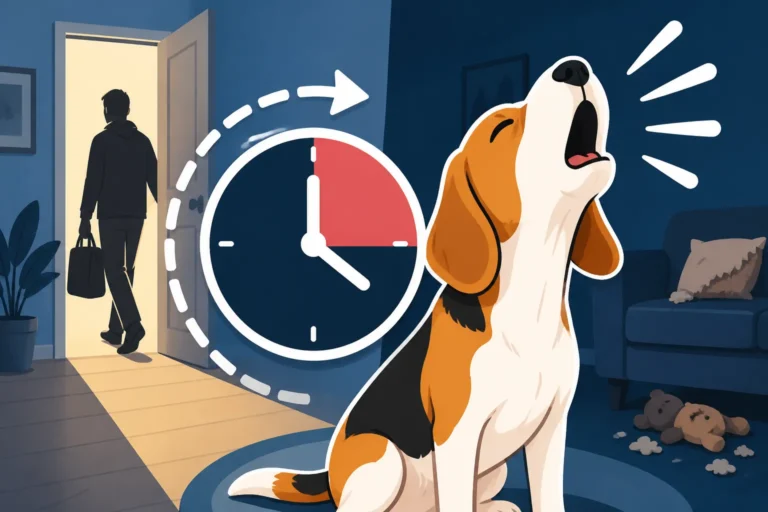
Beyond physical activity, Beagles need mental engagement. Puzzle toys, chew toys, and short, consistent training sessions can help keep their minds active. If your Beagle exhibits signs of separation anxiety, such as excessive howling, destructive chewing, or accidents when left alone, their counter surfing or trash raiding might be a coping mechanism. Beagle Separation Anxiety in a Pack Breed is a real concern and may require a multi-faceted approach, potentially involving a professional trainer or veterinary behaviorist. A dog that is mentally stimulated and feels secure is less likely to engage in these problem behaviors out of boredom or stress.
Consistency is Key: The Whole Family's Role
Perhaps the biggest hurdle in managing a Beagle's food-driven behaviors is inconsistency. Every single person who interacts with your Beagle needs to be on the same page. If one family member is diligent about putting food away and securing the trash, but another frequently leaves snacks on the coffee table or the bin unlatched, your Beagle will quickly learn who the "easy mark" is. This inconsistency sends mixed signals, making it incredibly difficult for your dog to understand the rules. For a Beagle who excels at pattern recognition, they'll just figure out when it's safe to break the rules.
Hold a family meeting and establish clear household rules for food management and trash disposal. Discuss the "Leave It" and "Drop It" commands and ensure everyone uses them consistently. Make sure everyone understands the dangers involved, not just the annoyance. It's a team effort, and when everyone is working together, your Beagle will learn much faster that those tempting areas are consistently off-limits. If you're struggling to get everyone on board, a platform like BAXTER & Bella, which offers online training and support, might provide resources that can help align your family's efforts and provide consistent messaging to your Beagle.
Preventing Future Incidents with Ongoing Vigilance
Even after you've implemented all the tips and tricks, trained diligently, and Beagle-proofed your home, it's crucial to remember that a Beagle's food drive is a lifelong characteristic. This isn't a behavior you "cure" and then forget about; it requires ongoing vigilance and consistent reinforcement. Think of it as a constant, friendly negotiation with a highly motivated and intelligent sniff-hound.
Maintaining a Secure Environment
Once you've established your Beagle-proof routine, make it a non-negotiable part of your daily life. It's easy to get complacent when things have been quiet for a while, but that's often when a determined Beagle sees their window of opportunity. Continuously check that your trash cans are locked or secured, that counters are clear, and that pantry doors are shut. This isn't just about preventing them from getting food; it's about preventing them from practicing the behavior. Every successful counter surf or trash raid acts as a massive reward, reinforcing the habit and making it harder to break.
Consider that vigilance isn't just for inside the house. If your Beagle has access to a yard, ensure that outdoor trash cans are secure and that no tempting items (like fallen fruit from trees or discarded litter from neighbors) are accessible. A Beagle's nose doesn't stop working at the back door! Routinely patrol areas they can access, especially after gatherings or events where more food waste might be present. The more consistently you block access, the more your Beagle will learn that these areas simply aren't fruitful hunting grounds.
Reinforcing Good Habits Proactively
Just as you diligently prevent bad behaviors, make sure you're equally diligent in reinforcing good ones. Don't wait for your Beagle to almost counter surf to correct them. Instead, actively reward them for staying on the floor when you're in the kitchen, or for choosing their own toys and chew items over forbidden objects. When they calmly lie on their bed while you're preparing dinner, toss them a high-value treat on their bed as a reward. This positive reinforcement tells them exactly what you do want them to do in those tempting situations.
Keep up with short, fun training sessions, regularly practicing "Leave It" and "Drop It" with various distractions. The stronger these foundation commands are, the better equipped your Beagle will be to resist temptation in unexpected moments. Remember that a tired Beagle, both physically and mentally, is a good Beagle. Continue to offer plenty of appropriate exercise and mental enrichment through puzzle toys and scent work to channel their energy and intelligence constructively.
Seeking Professional Guidance When Needed
If you've implemented all these strategies and are still struggling with persistent counter surfing or trash raiding, don't hesitate to seek professional help. A certified professional dog trainer or a veterinary behaviorist can provide invaluable insight and create a tailored plan for your specific situation. They can observe your Beagle's behavior, identify any subtle triggers or underlying issues you might have missed, and guide you through advanced training techniques.
Sometimes, seemingly stubborn behaviors can be linked to anxiety, an undiagnosed medical issue, or a deep-seated behavioral pattern that requires more specialized intervention. Organizations like BAXTER & Bella offer online training programs and personalized coaching that can be a great resource for navigating these challenges from home. Don't feel discouraged if you need to call in the experts; it shows you're committed to providing the best possible life for your Beagle, and a professional can offer the tools and support to get you both on the right track.
| Problem Behavior | Beagle Instinct/Drive | Risk Level (for Beagle) | Key Prevention Strategy | Key Training Strategy |
|---|---|---|---|---|
| Counter Surfing | Intense scent drive, opportunistic eating | Moderate to High | Meticulous counter clearing, physical barriers | "Leave It," reward "4 on the floor" |
| Trash Raiding | Strong scavenging instinct, scent pursuit | High to Very High | Secure, locking trash cans, pantry storage | "Leave It," "Drop It" with high-value swap |
| Ingesting Toxins | Lack of discrimination, rapid consumption | Very High | Remove all toxic items from accessibility | Emergency "Drop It," muzzle training for walks |
| Choking/Obstruction | Fast eating, large swallows | Very High | Avoid small, hard items; chew-safe toys only | "Drop It," slow feeder bowls |
| Kitchen Accidents | Jumping, stretching, instability | Moderate | Restrict kitchen access, supervision | Calm behavior in kitchen rewarded |
Disclaimer
This article is for general informational purposes only and does not constitute professional advice. Laws, prices and regulations vary by location and change over time. Consult a qualified professional for guidance on your specific situation.