Whether a Beagle Needs Another Hound for Company
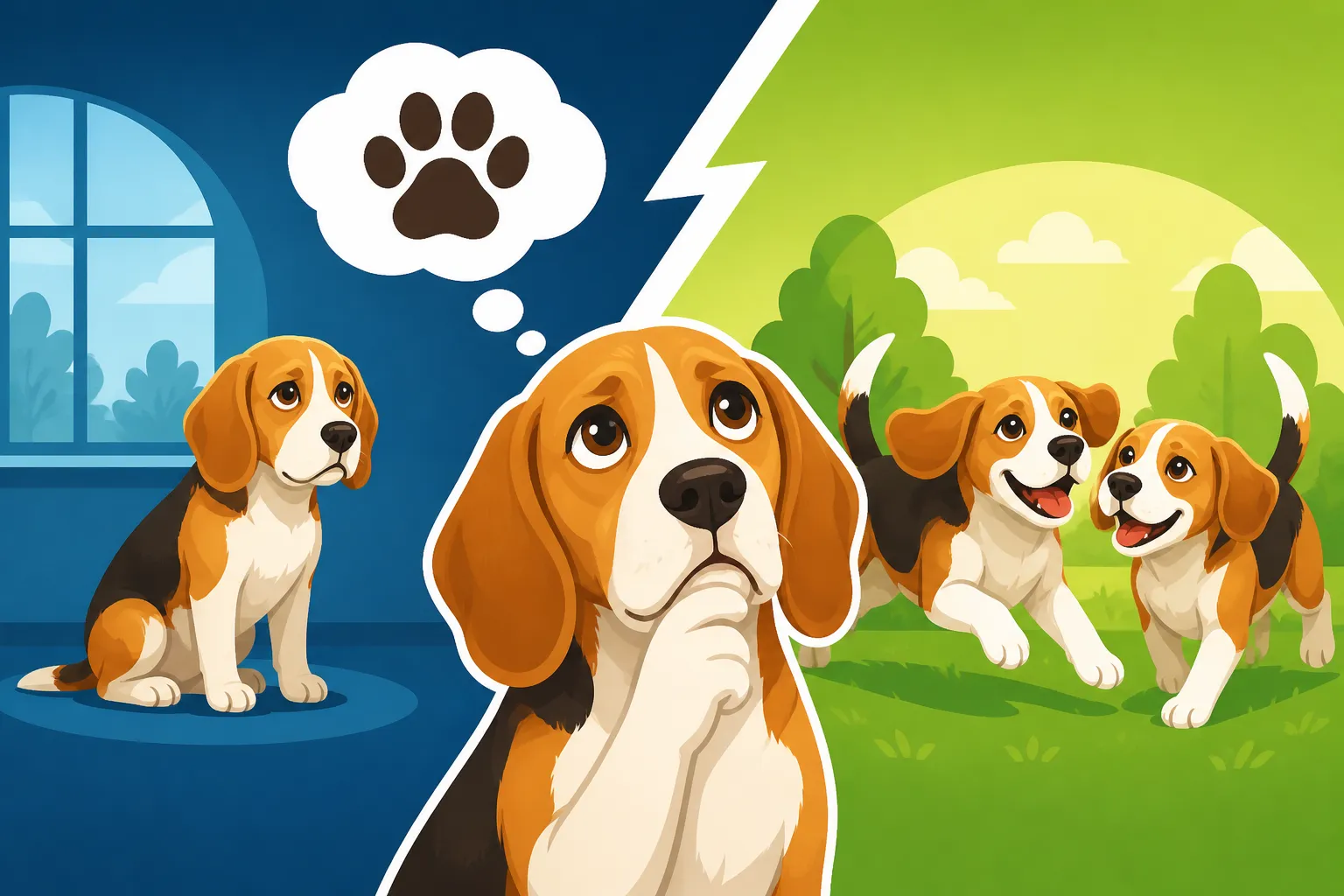
It’s a common scenario: you look over at your beloved Beagle, perhaps curled up alone on the couch, or maybe letting out a mournful howl while you're busy. Suddenly, the thought strikes you – is my Beagle lonely? They're known for being pack animals, after all, and that deep-seated instinct can make us wonder if they truly thrive as an only dog. This guide is here to help you navigate that very question, exploring the nuances of Beagle companionship needs and what it truly means for your household.
Understanding the Beagle's Innate Need for Company
Beagles are, by their very nature, incredibly social creatures. For centuries, they weren't kept as individual pets; they lived and worked in large packs, relying on each other for hunting, warmth, and security. This isn't just a quaint historical fact; it's a fundamental part of their genetic makeup and temperament that still influences them today. When you bring a Beagle into your home, you become their new pack, and that comes with a certain set of expectations on their part for interaction and belonging.
The Deep-Rooted Pack Instinct of Beagles
Imagine a field trial from decades ago, or even today. Beagles aren't chasing rabbits solo. They're moving as a unit, noses to the ground, communicating through scent, body language, and that distinctive bay. This ingrained behavior means they typically thrive on consistent interaction. They often prefer to be near their "pack" members – whether human or canine – and can struggle with long periods of isolation. This isn't just about feeling good; it's about feeling secure and fulfilling a deeply programmed drive. Their desire for proximity and participation in group activities is strong. This pack drive also makes Socializing a Beagle Puppy for Pack Life so crucial from a young age. Without proper exposure, a Beagle might struggle with appropriate social cues later in life, making the introduction of another dog more challenging.
How Isolation Manifests in Beagle Behavior
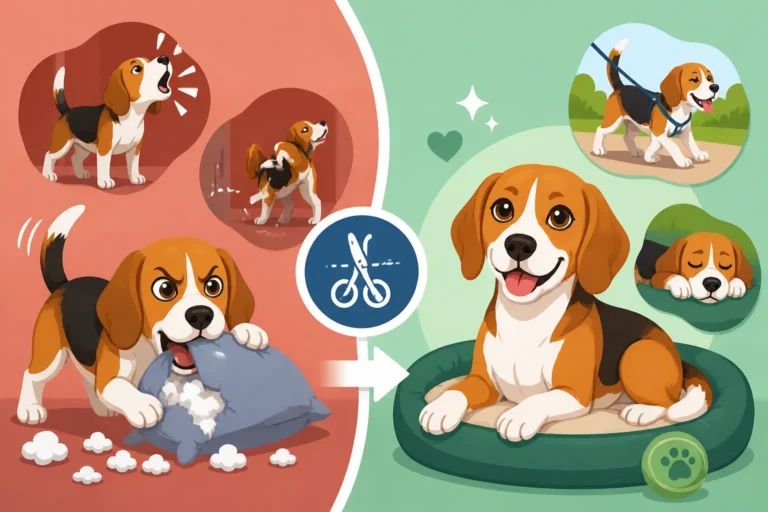
When a Beagle's pack needs aren't met, either through insufficient human interaction or a lack of canine company, their behavior can start to shift. They might develop what we commonly call separation anxiety, but it’s often more complex than just anxiety; it's a fundamental discomfort with being alone. You might see destructive chewing, targeting door frames or furniture, or excessive vocalization like howling and barking. This isn't them being "naughty"; it's a cry for connection, a manifestation of stress and boredom. Think about it: a Beagle left alone might just be trying to find its pack. Sometimes this even leads to escape attempts, using their incredible nose and determination to follow a scent trail to potential company. For more on this, you might find Beagle Separation Anxiety in a Pack Breed quite insightful.
Recognising the Signs of Loneliness in Your Beagle
It’s easy to project our own feelings onto our dogs, but recognizing true loneliness in a Beagle involves observing specific behavioral patterns rather than just assuming. Is your Beagle truly longing for a canine companion, or are they simply bored and under-stimulated? Understanding the difference is key before making a big decision like adding another dog to the household.
Behavioral Indicators of Under-Socialization
A lonely Beagle often expresses its distress through clear, albeit frustrating, behaviors. One of the most common is excessive vocalization. If your Beagle is prone to Beagle Howling the Moment You Leave or barks incessantly when you're not actively engaging with them, it could be a sign. This isn't just random noise; it's often an attempt to call to their missing pack. You might also notice destructive behaviors that go beyond typical puppy chewing. They might target items that smell strongly of you, like your shoes or blankets, or chew on entry points like doors or window sills. This can be an outlet for their anxiety and a misguided attempt to "get out" and find company. Furthermore, house-soiling in an otherwise reliably house-trained Beagle can signal distress. They might also follow you from room to room when you are home, unable to settle independently, demonstrating an overt need for constant proximity.
Physical and Emotional Manifestations of Stress
Beyond the obvious behaviors, loneliness and stress can manifest in more subtle ways in your Beagle. You might notice changes in their appetite – either refusing to eat when alone or, conversely, stress-eating. They might become more lethargic, sleeping more than usual, or they could seem hyperactive and unable to calm down, even after exercise. Excessive licking or chewing at their paws or other body parts can be a self-soothing behavior to cope with anxiety. Some Beagles might even lose interest in toys or activities they once enjoyed. Their overall demeanor might seem withdrawn or anxious, rather than the "merry" disposition Beagles are famous for. It's crucial to distinguish these signs from actual physical illness, so if you're concerned, a vet visit is always a good idea to rule out underlying medical conditions first.
The Realities of Adding a Second Dog to Your Home
The idea of a second dog sounds wonderful – a constant companion for your Beagle, double the love, double the fun! And often, it absolutely is. However, it's also double the responsibility, double the cost, and can come with its own set of challenges. It's important to go into this decision with eyes wide open, weighing the potential benefits against the real-world commitments.
Weighing the Benefits for Your Beagle and Your Family
For many Beagles, especially those with clear signs of loneliness or separation anxiety, a compatible canine companion can be a true godsend.
A second dog provides:
- Constant companionship: Someone to nap with, wrestle with, and generally just be with when you're busy or away. This can significantly reduce instances of The Howling That Means Beagle Separation Anxiety.
- Mental and physical stimulation: Another dog provides built-in entertainment, encouraging play, chase, and problem-solving, which can tire out a high-energy Beagle more effectively than human-only interaction.
- Social learning: Beagles learn a lot from other dogs, from appropriate play manners to how to settle. A well-adjusted companion can be a fantastic role model.
- Reduced stress for owners: Knowing your Beagle isn't alone and is happy can alleviate guilt and stress for you, allowing you to go about your day with more peace of mind.
Families often find that a second dog enriches their lives in unexpected ways, creating a dynamic duo that brings even more joy and laughter into the home. Having Beagles With Children and With Other Dogs can create a truly harmonious household when managed correctly.
Understanding the Potential Challenges and Commitments
While the benefits are clear, adding a second dog isn't a magic bullet for all behavioral issues, and it introduces new responsibilities.
Consider these factors:
- Increased costs: Everything from food and vet bills to grooming and pet insurance will increase. Think about The Lifetime Bill for a Beagle That Reaches Fifteen – now double it!
- Time commitment: Even with two dogs, you still need to provide individual attention, training, and exercise. You might need to walk them separately at times, or engage in one-on-one training sessions.
- Training challenges: You'll be house-training a new dog, potentially dealing with puppy nipping, and establishing new routines. A strong foundational training program, like one from BAXTER & Bella, could be invaluable here to ensure both dogs learn proper manners.
- Potential for new issues: Resource guarding (over food, toys, or even you), squabbles, or sibling rivalry can emerge. You might need to learn how to manage multiple dogs eating, sleeping, and playing in the same space.
- Logistics: Traveling, boarding, or finding pet-sitters becomes more complex and often more expensive.
Here's a quick overview of some key considerations:
| Feature | Single Beagle Household | Multi-Beagle Household |
|---|---|---|
| Companionship | Primarily human-dependent, can experience loneliness | Built-in canine companionship, reduced loneliness |
| Vocalizations | May howl/bark more due to separation anxiety | Can sometimes trigger 'pack howling' or reduce anxiety |
| Exercise & Play | Requires owner initiation for most activities | Often self-entertaining with reciprocal play |
| Training Needs | Focus on individual dog, easier to manage | Requires consistent training for both, managing dynamics |
| Financial Cost | Moderate, one dog's food, vet, supplies | Higher, double the expenses for food, vet, insurance |
| Travel/Boarding | Easier to find sitters, lower cost | More complex, higher cost, fewer options |
| Potential Issues | Separation anxiety, boredom-related destruction | Resource guarding, sibling rivalry, increased noise |
| Home Environment | Quieter, less activity, simpler management | More active, potentially noisier, dynamic interaction |
Choosing the Right Canine Companion for Your Beagle
So, you've decided a second dog might be the answer. Great! But hold on – it's not simply a matter of picking the cutest puppy. The success of adding another dog to your family hinges significantly on choosing a companion that is compatible with your Beagle's temperament and energy level. A mismatch can create more stress, not less.
Breed Temperament and Energy Level Compatibility
When looking for a companion for your Beagle, you'll want to consider breeds that are generally known for being good-natured, adaptable, and of a similar energy level. A dog that is too dominant or too timid might not be the best fit. Beagles are merry, active, and love to play, but they also enjoy a good cuddle puddle.
- Similar Play Style: Look for a dog that enjoys rough-and-tumble play if your Beagle does, or one that prefers more gentle interaction if that's your Beagle's style. A dog that's too intense could overwhelm your Beagle, or one that's too mellow might bore them.
- Energy Match: If your Beagle is a couch potato (unlikely, but possible!), pairing them with a high-octane Border Collie might be a recipe for disaster. Conversely, an active Beagle might drive a very low-energy dog crazy. Often, another scent hound, or a similarly sized mixed breed with a history of getting along with other dogs, can be a great choice.
- Prey Drive Awareness: Beagles have a strong prey drive. While they can often live peacefully with cats or other small pets if introduced carefully from a young age, bringing in another dog with an equally high or conflicting prey drive might require careful management, especially if you have other small pets.
Many find that another Beagle or a Beagle mix is an ideal companion, as they share similar instincts and play styles. However, other breeds like a gentle Labrador, a friendly Basset Hound, or even a well-socialized terrier mix can work wonderfully. The key is knowing your individual Beagle's personality.
Age, Sex, and Size Considerations
These practical considerations can significantly impact the dynamic between your existing Beagle and a new companion.
-
Age:
- Puppy: A puppy can be a lot of fun, and your older Beagle might enjoy "teaching" it the ropes. However, a puppy requires a lot of intensive training and might be too energetic for a senior Beagle. Also, your current Beagle might not appreciate a relentless puppy bothering them.
- Adult Dog: Often the safest bet. An adult dog's personality is already established, making it easier to assess compatibility. Many rescue organizations are excellent at matching dogs based on temperament. Adopting a Beagle that is already diagnosed with epilepsy might seem like a bigger challenge, but often these dogs thrive on companionship just as much as any other, and their calm disposition can be a good match.
- Senior Dog: If your Beagle is older, a calm senior companion might be perfect, offering quiet company without overwhelming them. Senior Beagle Care After the Age of Ten becomes easier when both dogs are at a similar life stage.
-
Sex: Many dog behaviorists suggest that pairing opposite sexes (e.g., a male and a female) often leads to the smoothest integration, assuming both are spayed/neutered. Two males or two females can certainly get along, but sometimes there can be more competition or power struggles, especially if both are unneutered or strong-willed. This is not a hard-and-fast rule, though, and individual personalities always trump gender.
-
Size: A significant size difference isn't necessarily a deal-breaker, but it's something to consider. A very large, boisterous dog could accidentally injure a smaller Beagle during play. Conversely, a tiny dog might feel intimidated by a larger, more rambunctious Beagle. Generally, a dog of a similar size or slightly larger/smaller is often a good match for play dynamics.
Always meet potential companions with your current Beagle on neutral territory before making any commitments. Observing their initial interactions is invaluable.
A Smooth Introduction: Bringing a New Dog into Your Beagle's Life
Bringing a new dog home isn't about throwing them together and hoping for the best. A careful, managed introduction is paramount to setting both dogs up for success and fostering a positive relationship from day one. Skipping these steps can lead to stress, fear, and even aggression, which is the last thing anyone wants.
The Importance of Neutral Territory and Controlled Meetings
The first impression is crucial. Your existing Beagle considers your home their territory, and a new dog entering it can feel like an invasion.
- First Meeting on Neutral Ground: Arrange the initial meeting outside your home, in a park, or a friend's yard where neither dog has established ownership. Both dogs should be on leashes, handled by separate people. Start by walking parallel to each other at a distance, gradually decreasing the space as they seem comfortable. Avoid direct, head-on greetings initially, as this can be confrontational.
- Calm and Controlled Sniffing: Once they're relaxed with parallel walking, allow short, supervised sniff sessions. Keep the leashes loose; tension on the leash can transfer to the dog and make them anxious. Praise calm behavior and separate them before any tension escalates. Keep these initial meetings brief and positive.
- Gradual Home Introduction: After a successful neutral meeting, bring the new dog into your home on leash for a brief tour while your Beagle is also leashed or securely put away. This allows the new dog to explore and get scents without direct pressure. Then, gradually allow them to be in the same room, always supervised, with leashes initially dragging so you can intervene if needed.
Remember, the goal is for both dogs to associate the other's presence with positive, low-stress experiences. Never force interaction. If you need supplies for these first meetings, Amazon offers a wide range of long lines and leashes that can help you manage distance and control during introductions.
Managing Space, Resources, and Routines
Once both dogs are comfortable in the same space, managing their daily lives strategically will prevent potential conflicts.
- Separate Resources: This is absolutely vital, especially in the beginning. Feed dogs in separate bowls, in separate areas, or even in separate rooms. Provide multiple water bowls. Have enough beds, toys, and chew items for each dog, plus a few extra to reduce competition. Resource guarding is a common issue that can arise when dogs feel they need to compete for valued items.
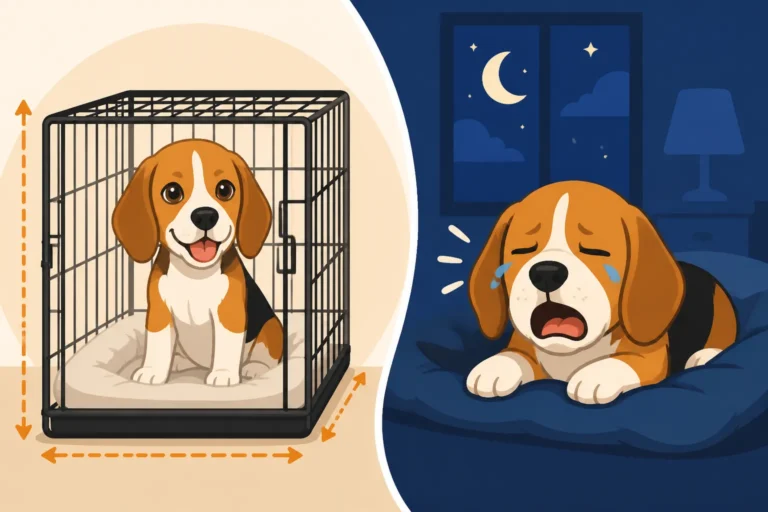
- Individual Space: Every dog, even a pack animal like a Beagle, needs its own "safe space" where it can retreat and not be bothered. This might be a crate, a designated bed, or a room. Teach children and guests to respect these spaces. Beagle Crate Anxiety Against Crate Comfort explores how crates can be a den of security.
- Establish a Routine: Dogs thrive on predictability. Consistent feeding times, walk schedules, and play sessions help them feel secure. Introduce the new dog into your existing routine as smoothly as possible. This helps both dogs understand expectations and reduces uncertainty.
- Supervision and Intervention: For the first few weeks or even months, never leave the dogs unsupervised, especially with high-value items present. Learn to read their body language – a stiff posture, a hard stare, or a growl are all warnings. Be ready to calmly interrupt any escalating tension before it turns into a fight.
- Continue Individual Attention: Even with two dogs, your original Beagle still needs one-on-one time with you. This reinforces your bond and reassures them that they haven't been replaced. Similarly, the new dog needs time to bond with you independently.
Beyond a Second Dog: Alternative Avenues for Companionship
Sometimes, adding a second dog isn't feasible due to living arrangements, finances, time constraints, or your current Beagle's temperament. But that doesn't mean your Beagle has to be lonely! There are many other effective ways to ensure your pack animal gets the social interaction and mental stimulation they crave.
Exploring Dog Daycare and Socialization Opportunities
If your Beagle is well-socialized and enjoys other dogs, a reputable dog daycare can be an absolute lifesaver. This provides consistent canine interaction and play in a supervised environment, effectively filling that "pack time" void during your work week.
- Choosing a Good Daycare: Look for facilities with separate play areas for different sizes and temperaments, experienced staff who understand dog body language, and a clean, safe environment. Ask about their staff-to-dog ratio and their approach to managing play. A trial day or two can help you gauge if it's a good fit for your Beagle. For more on this, check out Beagle Daycare and Whether It Actually Helps.
- Structured Playgroups: Some dog trainers offer supervised playgroups or "social hours" that are more structured than traditional daycare. These can be excellent for Beagles who enjoy company but might be overwhelmed by a free-for-all environment.
- Dog Parks (with caution): Dog parks can be a source of exercise and socialization, but they come with risks. Not all dogs are well-behaved, and a Beagle, with its strong nose, might wander off or get into conflicts. If you choose to visit, pick off-peak hours, supervise closely, and be ready to leave if the dynamics become uncomfortable. Remember, Why Off-Leash Parks Are Risky for a Beagle is a real concern.
Even if you can't commit to full-time daycare, regular playdates with a trusted friend's dog can offer valuable social interaction without the permanent commitment of a second pet.
Human-Led Enrichment and Interaction
Ultimately, you are your Beagle's primary pack. Your interaction and attention are irreplaceable.
- Increased Quality Time: Dedicate specific, uninterrupted time each day for focused interaction. This could be a vigorous game of fetch, a training session, or simply cuddling on the couch. This quality time is often more impactful than hours of passive companionship.
- Mental Stimulation: Beagles are smart and their noses need a job. Engage their minds with puzzle toys, snuffle mats, and scent games. Hide treats around the house for them to find. Consider enrolling in nose work classes – these engage their natural abilities and provide fantastic mental exercise. Scent Work as the Job a Beagle Was Built For can transform a bored Beagle into a satisfied one.
- Longer, More Varied Walks: Instead of just a quick potty break, take your Beagle on longer "sniff walks" where they can explore scents at their own pace. Vary your routes to keep things interesting. Even better, explore hiking trails on a long line. Letting a Beagle Sniff on Every Single Walk is not just exercise; it's mental enrichment.
- Training and New Tricks: Keep your Beagle engaged by teaching them new commands or tricks. Even adult Beagles love to learn, especially when high-value treats are involved! Training builds confidence and strengthens your bond. Platforms like BAXTER & Bella offer online puppy and dog training programs that can guide you through teaching new skills and strengthening your bond, regardless of your Beagle's age or whether they have a canine companion.
- Rotation of Toys: Keep toys interesting by rotating them. Put some away for a week or two, then reintroduce them. This keeps the "newness" factor alive. Indoor Enrichment for a Rainy Beagle Week can offer more ideas for keeping your Beagle happy without constant outdoor access.
The decision of whether a Beagle "needs" another hound for company is a personal one, with no single right answer for every family. By understanding their inherent pack drive, recognizing the signs of loneliness, thoughtfully considering the implications of a multi-dog household, and exploring all available companionship options, you can make the best choice to ensure your beloved Beagle leads a happy, fulfilled life.
Disclaimer
This article is for general informational purposes only and does not constitute professional advice. Laws, prices and regulations vary by location and change over time. Consult a qualified professional for guidance on your specific situation.