Socializing a Beagle Puppy for Pack Life
Bringing a new Beagle puppy home is an absolute joy, filled with wagging tails and endless curiosity. But let's be honest, that initial excitement can quickly give way to a little anxiety when you start thinking about how to shape that bouncy bundle of fur into a well-adjusted, confident adult dog. Many new Beagle owners feel overwhelmed by the sheer number of things their puppy needs to experience in a short amount of time, especially with a breed so driven by instinct. This guide is here to walk you through the crucial process of socializing your Beagle puppy, helping them navigate the big, wide world and thrive in "pack life" alongside both humans and other canine companions.
Understanding Your Beagle's Innate Pack Drive
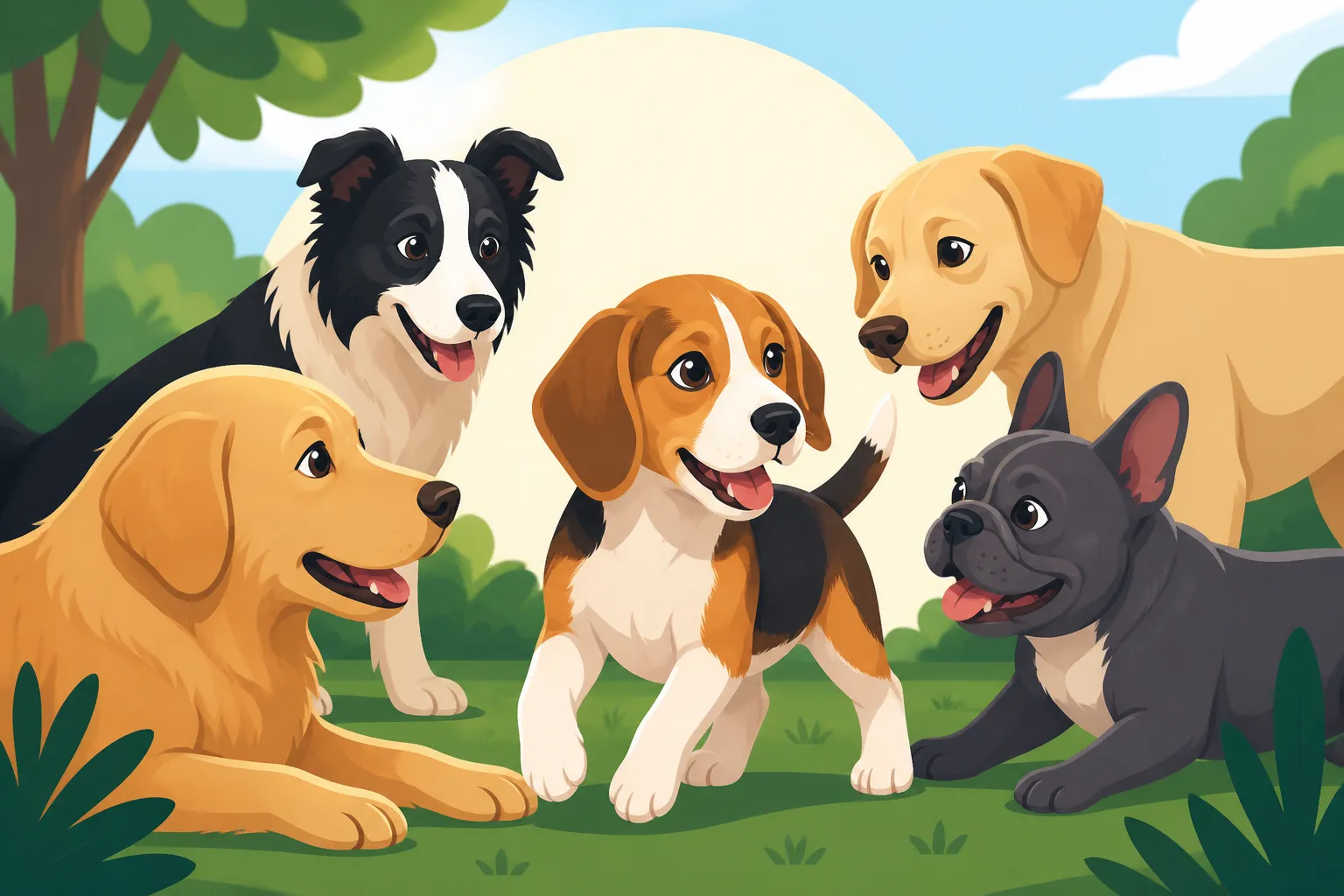
Beagles are hounds through and through, originally bred to hunt in packs. This deep-seated instinct means that "pack life" isn't just a quaint idea for them; it's fundamental to their happiness and well-being. They thrive on companionship, whether that's with their human family or other dogs. Ignoring this core aspect of their nature during puppyhood can lead to a host of issues, from anxiety to fear-based behaviors, because they haven up the foundational understanding of how to interact socially.
Why Pack Life is So Important for Beagles
Think about it: a Beagle in its natural, historical role would have been constantly interacting with other dogs, learning social cues, establishing hierarchies, and communicating through scent and body language. This genetic blueprint means they crave that social connection and understanding. When a Beagle puppy misses out on critical early socialization, they might struggle to interpret canine body language later on, leading to fearful reactions, defensive barking, or even inappropriate play. They simply haven't learned the "rules" of dog-dog interactions. It's like trying to navigate a foreign country without knowing the language or customs; it can be incredibly stressful and isolating.
For your Beagle, a well-socialized pup understands that other dogs aren't always a threat or a competition, but potential playmates or companions. This foundation is key to avoiding common issues like reactivity on leash or excessive shyness in new situations. A confident, socially adept Beagle is a joy to take on walks, to the dog park (if appropriate), or to family gatherings where other pets might be present. They'll also be less prone to Beagle Separation Anxiety in a Breed Bred for Packs if they feel secure in their human "pack" and have had positive experiences learning to cope with new scenarios.
The Early Socialization Window: When it Matters Most
The prime socialization window for puppies is generally considered to be between 3 and 16 weeks of age. This is a critical, sensitive period where their brains are like sponges, soaking up new experiences and forming lasting impressions about the world around them. Positive, gentle exposure during this time is paramount. Anything they encounter and associate with good feelings during this window is likely to be accepted more readily throughout their lives. This includes everything from novel sounds, sights, and smells to different types of people and other friendly, vaccinated dogs.
Missing this window isn't the end of the world, but it does mean that later socialization efforts will likely take more time, patience, and careful planning. During this period, a puppy learns bite inhibition from their littermates and mother, develops confidence, and begins to understand social boundaries. Think of it as their foundational education. While you must prioritize safety by only exposing your puppy to vaccinated dogs and safe environments, the benefits of broad exposure within this timeframe are immeasurable. This early work sets the stage for everything from What to Teach a Beagle Puppy Before It Finds Its Nose to how they interact with the mail carrier.
Essential Exposure: People, Places, and Sounds
Socialization isn't just about playing with other dogs; it's about introducing your Beagle puppy to the entire tapestry of human life in a positive, controlled way. This means exposing them to a wide variety of people, different environments, and a spectrum of everyday sounds. The goal isn't to overwhelm them, but to create positive associations with newness, making them resilient and adaptable rather than fearful.
Introducing Your Beagle to a Diverse World of Humans
Your Beagle puppy needs to meet all sorts of people: men with deep voices, women with high-pitched laughs, children of various ages, people wearing hats, sunglasses, or uniforms, people walking with canes or using wheelchairs. Each new person should be a positive experience. Have friends and family offer a high-value treat (if appropriate and safe) and gentle praise, rather than overwhelming physical contact. Teach your puppy that hands coming towards them mean good things, not just restraint. This can be as simple as having a steady stream of visitors or carefully taking your puppy to a friend's house where they can meet new faces one or two at a time.
Imagine a scenario where your Beagle puppy only ever meets people who look just like you. Then, suddenly, a tall man with a beard and a deep voice approaches. If this is a completely novel experience, your puppy might cower or bark out of fear. By contrast, a puppy who has met a diverse group of friendly strangers will likely greet this new person with curiosity and confidence. Always supervise these interactions, ensuring they remain positive and short. The goal is quality exposure over quantity. Even simple activities like waiting outside a coffee shop (where people can approach gently and you can manage the interaction) can be valuable.
Navigating New Environments and Stimuli
Taking your Beagle puppy to various safe locations helps them generalize that new places are fun and safe. This means trips to the pet store, car rides to different parks (even if just for sniffing on leash from a distance), short visits to quiet outdoor cafes, or walks around different neighborhoods. The key is to keep these experiences positive, short, and not overwhelming. Avoid crowded, chaotic places initially. You want them to explore with curiosity, not be paralyzed by fear. A comfortable carrier or a sling can be a lifesaver for these early outings, allowing them to observe the world from a safe vantage point without being trodden on.
For instance, your Beagle will be accustomed to the sounds and smells of your home. Taking them to a hardware store (if allowed and quiet) or a bustling park (from a distance) introduces them to different floor textures, unusual smells, and varied sounds. They learn to ignore the clatter of a shopping cart or the distant shouts of children playing. This broadens their understanding of what's "normal" and reduces the likelihood of them becoming fearfully reactive to novel situations later on. Remember, even a short, positive excursion is far more valuable than a long, stressful one. Consider a sturdy car harness or carrier, easily found on Amazon, for safe transport during these adventures. Beagle Puppy Car Rides and Motion Sickness is a common challenge, so making these trips positive from the start is essential.
Desensitizing to Everyday Sounds
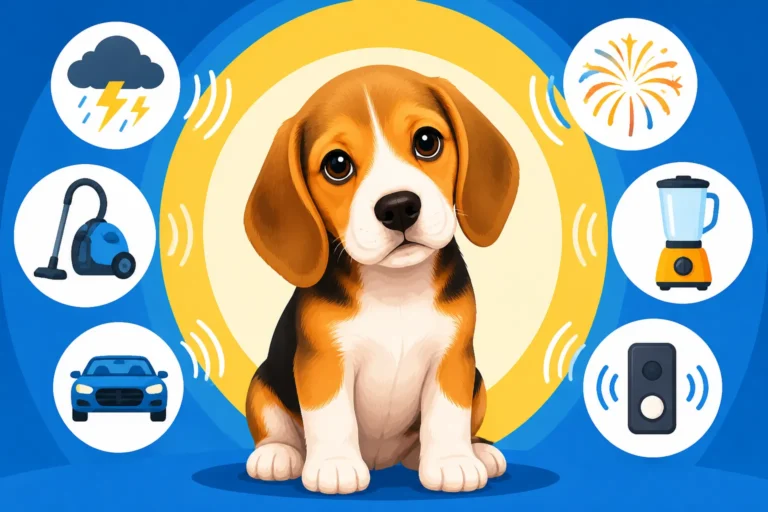
Beagles, with their incredible hearing and scenting abilities, can be quite sensitive to new sounds. Sudden loud noises, household appliances, or even the general hubbub of a busy street can be startling. Early, controlled exposure to a range of sounds helps prevent sound sensitivities or phobias. You can start by playing sound desensitization tracks softly in the background at home, gradually increasing the volume over days or weeks. Think about sounds like thunderstorms, vacuums, doorbells, crying babies, or even fireworks.
A practical example might be introducing your puppy to the vacuum cleaner. Instead of just turning it on full blast, bring it out, let them sniff it while it's off, give treats. Then, turn it on in another room at a low setting, rewarding calm behavior. Slowly, over time, bring it closer. The goal is for them to associate these sounds with positive outcomes (treats, praise, your calm demeanor), rather than fear. Beagle Puppy Sound Exposure Before Sixteen Weeks is a particularly important aspect of this, as unexpected sounds can cause lasting anxiety if not handled correctly. Online training platforms like BAXTER & Bella often provide excellent resources and structured plans for this kind of desensitization, guiding you step-by-step.
Positive Interactions with Other Dogs
This is often what people immediately think of when they hear "socialization," and for good reason! Learning to communicate and play appropriately with other canines is absolutely vital for a Beagle puppy, reinforcing their pack instincts in a healthy way.
Safe and Supervised Puppy Playdates
The absolute best way for your Beagle puppy to learn appropriate dog-dog social skills is through positive interactions with other vaccinated, friendly, and well-adjusted puppies and adult dogs. Arrange playdates with dogs you know are healthy, gentle, and have good temperaments. An older, calm, confident adult dog can be an excellent mentor, teaching your puppy boundaries and appropriate play etiquette. Always supervise these interactions closely. Look for balanced play where both dogs are taking breaks, switching roles, and showing relaxed body language.
A common pitfall is letting a boisterous puppy constantly bully a shy one, or conversely, letting a shy puppy get overwhelmed. You're there to advocate for your puppy and ensure the experience is fun and educational, not frightening. If play gets too rough, gently interrupt it and redirect. These early experiences shape how your Beagle views other dogs for life. A few positive, short play sessions are far better than one long, stressful one. This is also where they refine Beagle Puppy Nipping and Where It Comes From by learning from other dogs' reactions.
Group Classes and Structured Socialization
Puppy classes are invaluable for structured socialization. Reputable classes not only offer a safe, supervised environment for puppies to play together, but they also provide guidance from experienced trainers on how to interpret canine body language and manage interactions. Beyond puppy play, these classes often expose your Beagle to new people, different handling techniques, and basic obedience cues in a distracting environment. This structured setting helps your puppy learn to focus on you even when other dogs are present, a critical skill for a scent-driven breed.
Consider enrolling in a local puppy kindergarten class. These typically start with puppies as young as 8-10 weeks old (once they have their initial vaccinations). They provide a controlled environment where puppies can learn to interact safely, and you can learn how to read their cues. The trainers can also offer advice specific to Beagle behaviors, like channeling their scent drive constructively. Many of these classes also incorporate different obstacles and surfaces, further broadening your puppy's exposure.
Reading Your Beagle's Body Language in Social Settings
Understanding your Beagle's body language is paramount to successful socialization. Are their ears back and relaxed, or pinned flat against their head? Is their tail wagging loosely, or tucked tightly? Are they offering "play bows" and inviting interaction, or are they hiding behind your legs? Learning these signals helps you ensure interactions remain positive. A stiff body, whale eye (showing the whites of their eyes), lip licking, or excessive yawning can all be signs of stress or discomfort.
Observe how your Beagle interacts with other dogs. A happy, confident Beagle will often engage in bouncy, reciprocal play. If they're constantly trying to hide, growling, or snapping, it's time to intervene and remove them from the situation. Equally important is recognizing when other dogs are making your Beagle uncomfortable. Not every dog is a good playmate. Your role is to protect your puppy from negative experiences, even if it means politely excusing yourselves from a situation. This understanding will serve you well as they enter Beagle Adolescence and Sudden Selective Hearing, when some social dynamics can shift.
Avoiding Common Socialization Pitfalls
Even with the best intentions, it's easy to make mistakes during socialization that can inadvertently create fear or anxiety in your Beagle puppy. Being aware of these common pitfalls can help you navigate this crucial period more effectively.
The Dangers of Overwhelm and Negative Experiences
One of the biggest mistakes owners make is thinking "more is always better" when it comes to socialization. Bombarding a puppy with too many new things at once, or forcing them into uncomfortable situations, can actually backfire, creating a negative association with novelty. A single frightening encounter can have a lasting impact, turning a potentially friendly experience into a source of fear. For example, letting a small puppy be mobbed by a group of large, boisterous dogs at a dog park can be terrifying and lead to lifelong fear of other canines.
Instead of a chaotic "free-for-all," aim for controlled, positive exposures. If your puppy seems overwhelmed – cowering, shaking, constantly trying to escape, or even shutting down – it's a clear sign that you need to reduce the intensity or remove them from the situation entirely. End the interaction on a positive note, even if it's just stepping away and giving them a special treat in a quiet spot. This teaches them that you are their safe haven and that you'll protect them, building trust rather than eroding it.
Balancing Exposure with Rest and Calm
Socialization is mentally and physically exhausting for a puppy. Their brains are processing a huge amount of new information, and their bodies are constantly on the go. It's crucial to balance periods of exposure with plenty of quiet downtime and rest. A puppy that is constantly over-stimulated can become irritable, prone to napping in inappropriate places, or even more reactive. Think of it like a child learning a new language – short, consistent lessons are more effective than one marathon, exhausting session.
After an exciting outing or playdate, ensure your Beagle puppy has a comfortable, quiet space to decompress. Their crate, especially if it's a cozy den, can be perfect for this. This helps them process their experiences and avoid becoming overtired and grumpy. This balance also aids in successful Beagle Crate Size and Crying Through the Night training, as they learn their crate is a place for calm and rest. A good rule of thumb is that if your puppy is showing signs of being overtired, like excessive nipping or zooming around frantically, they probably need a nap.
Addressing Fear Periods and Setbacks
Puppies typically go through a couple of predictable "fear periods" – usually around 8-11 weeks and again between 6-14 months. During these times, a previously confident puppy might suddenly become fearful of something new, or even something they were previously fine with. A sudden sound, a new person, or even a novel object can trigger an unexpectedly strong fear response. It's important not to punish fear during these times, but to be calm, reassuring, and continue gentle, positive re-exposure if appropriate.
If your Beagle puppy suddenly becomes wary of the mail carrier, for instance, don't force an interaction. Instead, create a positive association from a distance. Perhaps the mail carrier can toss a treat from afar, or you can give your puppy high-value treats while the mail carrier is simply present (even if it's just walking by the window). The goal is to build positive associations without pushing them over their comfort threshold. Patience and consistency are your best tools during these periods, ensuring that minor setbacks don't become lasting phobias.
Maintaining Social Skills Through Adolescence and Adulthood
Socialization isn't a "one and done" checklist you complete by 16 weeks. It's an ongoing process throughout your Beagle's life, especially as they navigate the often-challenging period of adolescence and mature into adulthood. Think of it like keeping a skill sharp – if you don't use it, you might lose it.
Continuing Exposure Beyond Puppyhood
Even after the critical socialization window closes, it's important to continue exposing your Beagle to a variety of situations, people, and friendly dogs. Adolescence, typically between 6 months and 2 years for Beagles, can bring a regression in manners and confidence. What was once easy might suddenly become a challenge. Regular, positive exposure to novel stimuli helps reinforce good behavior and keeps them adaptable.
Take your maturing Beagle on walks in different areas, visit dog-friendly stores, or simply vary your routine. The goal is to prevent them from becoming complacent or fearful of new experiences. If they only ever walk the same block and meet the same two dogs, they might be overwhelmed when a truly novel situation arises. Continue to introduce them to new sights, sounds, and people, always ensuring the experiences are positive and not forced. This consistent effort is vital for a well-rounded adult Beagle.
Enrolling in Advanced Training or Dog Sports
Beyond basic puppy classes, enrolling your Beagle in more advanced training classes or dog sports is an excellent way to maintain and enhance their social skills. Classes like obedience, agility, or especially scent work (which Beagles absolutely excel at!) provide structured environments for continued learning and interaction. They teach your Beagle to focus on you even with distractions, further solidifying their confidence and your bond.
Imagine your Beagle, now a rambunctious adolescent, learning to navigate an agility course alongside other dogs. They're focusing on commands, engaging their body and mind, and being rewarded for their efforts. This kind of activity is not only great exercise but also a fantastic mental workout that channels their energy constructively. It's also a controlled social outlet, where they learn to be around other dogs without necessarily having direct, chaotic play. Finding structured activities they enjoy, especially those that engage their powerful nose, can be a game-changer for a Beagle's lifelong happiness.
Managing Social Interactions as Your Beagle Matures
As your Beagle grows into an adult, their social preferences might shift. Some dogs become more selective about their playmates, while others remain gregarious. It's important to respect these changes and continue to manage their social interactions thoughtfully. Not every dog needs to be every other dog's best friend. Focus on polite greetings and coexistence rather than mandatory rough-and-tumble play.
For example, a senior Beagle might prefer a calm walk alongside a polite canine companion rather than an energetic romp at the dog park. Always observe their body language and advocate for their comfort. If they're showing signs of stress or disinterest, it's okay to guide them away from an interaction. Continuing to provide opportunities for positive, varied interactions, while respecting their individual needs, will ensure your Beagle remains a happy, well-adjusted member of your family pack throughout their entire life.
Here's a quick overview of key socialization milestones and tips:
| Age Range | Key Socialization Focus | Activities & Tips | Watch For |
|---|---|---|---|
| 3-8 Weeks | Littermate & Mother Influence; Human Handling | Gentle handling by family, exposure to household sounds. (Often with breeder) | Overly shy or aggressive behavior; ensure positive early human contact. |
| 8-16 Weeks | Critical Socialization Window: People, Places, Dogs, Sounds | Puppy classes, supervised playdates, car rides, meeting diverse people, sound desensitization. | Signs of overwhelm, fear, or stress; one bad experience can be lasting. |
| 4-6 Months | Continued Exposure; Reinforcing Good Manners | Continue classes, structured play, polite greetings; focus on attention. | First fear period (around 8-11 weeks); increased energy/distractibility. |
| 6 Months – 2 Years | Adolescence: Consistency & Continued Training | Advanced obedience, dog sports, varied environments, consistent routine. | Second fear period (6-14 months); selective hearing; testing boundaries. |
| 2 Years + | Maintenance & Enrichment | Regular walks in new places, polite dog greetings, mental enrichment, social check-ins. | Changes in social preferences, reactivity if skills aren't maintained. |
Socializing your Beagle puppy is an incredibly rewarding journey that builds a foundation for a happy, confident, and well-behaved companion. By understanding their needs, providing positive experiences, and being mindful of their comfort, you'll raise a Beagle who is truly a joy to have as part of your family pack.
Disclaimer
This article is for general informational purposes only and does not constitute professional advice. Laws, prices and regulations vary by location and change over time. Consult a qualified professional for guidance on your specific situation.