Beagle Clicker Training From the First Day
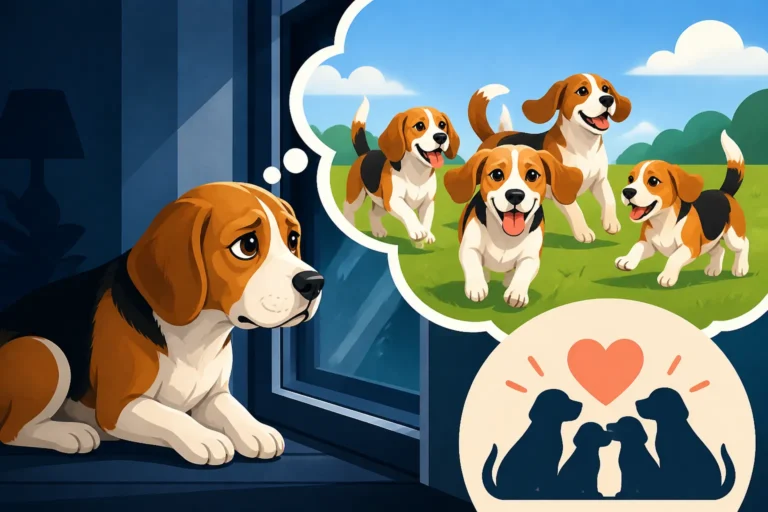
Bringing a new Beagle home, especially a puppy, is a whirlwind of excitement, but let's be honest, it often comes with a dose of frustration as you try to teach them the ropes. Their incredible noses and independent spirits can make traditional training feel like you're talking to a brick wall. This guide will walk you through the world of clicker training, showing you how to introduce it effectively from your Beagle's very first day, setting a foundation for clear communication and a happy, well-behaved companion.
Understanding Why Clicker Training Clicks with Beagles
Many Beagle owners find themselves scratching their heads, wondering why their smart, eager-to-please pup seems to suddenly go deaf the moment a captivating scent wafts by. It's a common, valid frustration. Traditional training, relying heavily on verbal commands and sometimes correction, often clashes with a Beagle's natural instincts. But clicker training? It’s a game-changer, perfectly aligned with how our scent-driven friends learn best.
The Beagle Brain and Positive Reinforcement
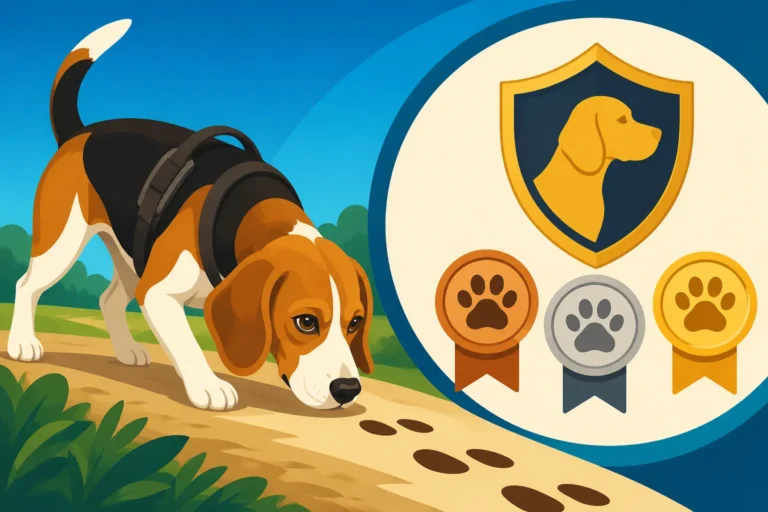
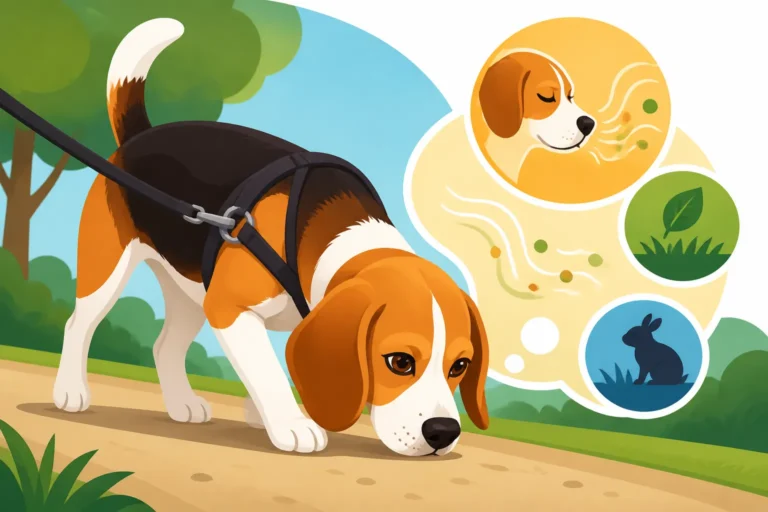
Beagles are hounds, bred for centuries to follow a scent trail independently, often for hours on end. This means their brains are wired for curiosity, exploration, and a strong sense of self-motivation, especially when food or an interesting smell is involved. They aren't typically motivated by a desire to constantly please a human in the same way some other breeds might be. This isn't stubbornness, though it often feels like it; it's just pure, unadulterated Beagle-ness. Forcing them or using harsh corrections rarely works and can even damage your bond, making them less likely to engage with you.
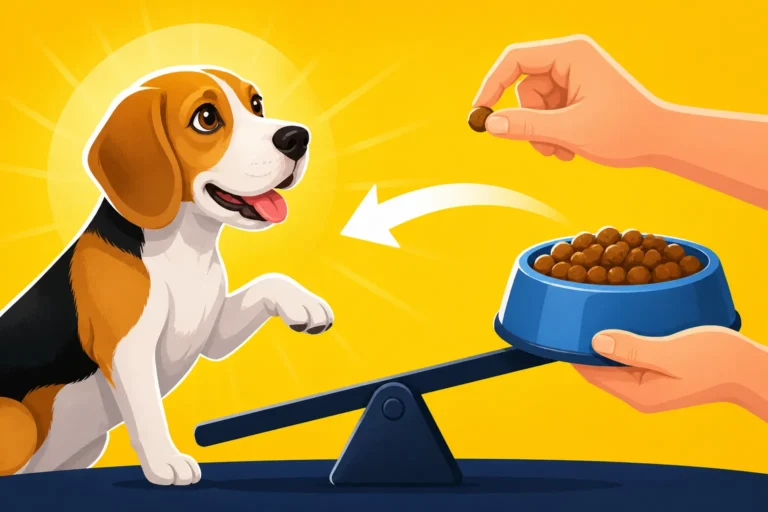
This is where positive reinforcement, with clicker training at its heart, truly shines. Instead of punishing unwanted behavior, we're actively rewarding the behaviors we do want. Think of it like a conversation where your Beagle feels understood and valued for their efforts. They learn to associate performing a certain action with a pleasant outcome – a click and a treat! This builds confidence and makes learning a fun, engaging puzzle for them, rather than a chore. It taps into their natural drive for rewards, making them active participants in their own education, rather than just passive recipients of commands. This approach helps them connect actions to consequences in a way that respects their independent spirit and powerful The 220 Million Receptors Behind a Beagle's Nose.
Why the Clicker is More Than Just a Noise
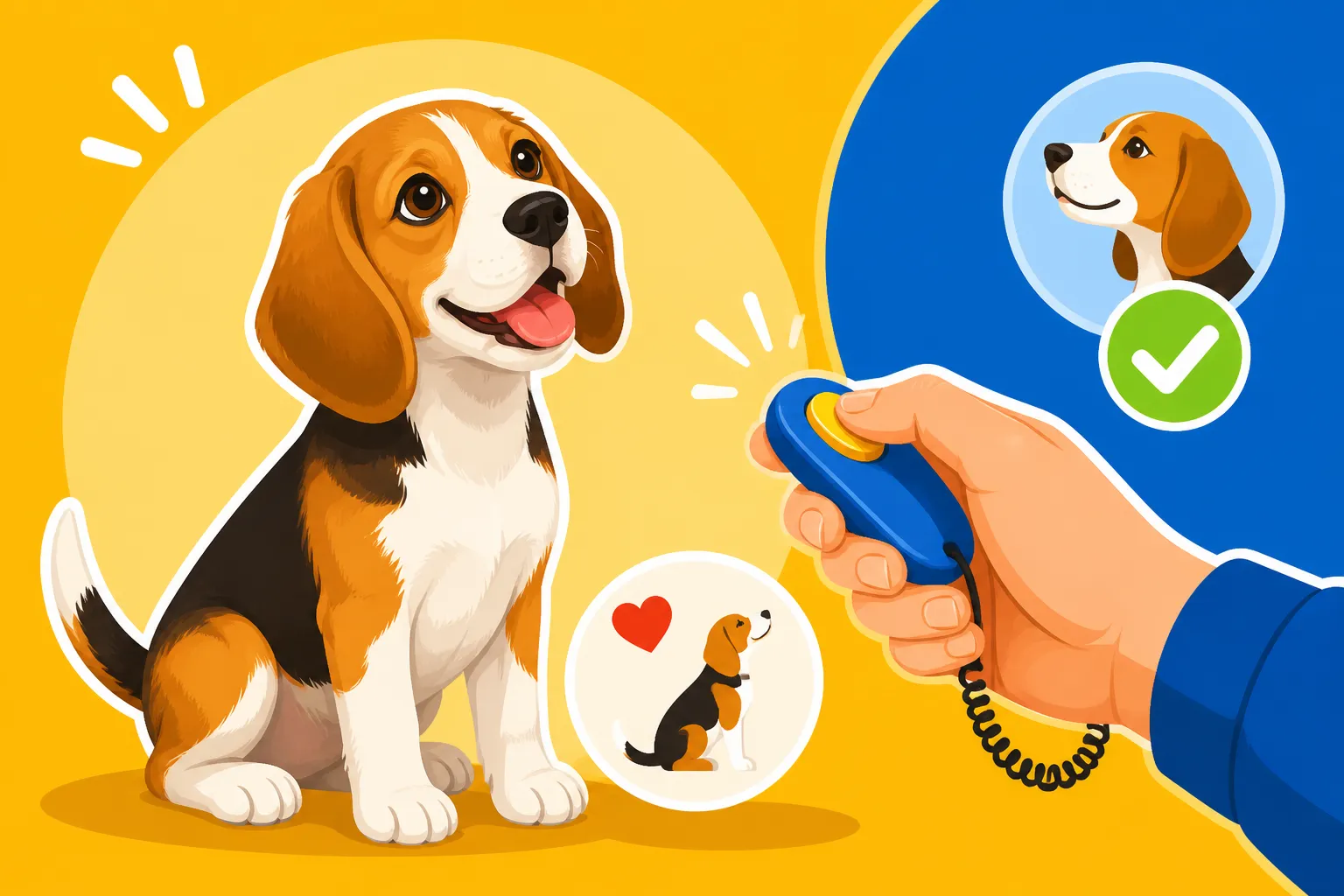
You might wonder, why a clicker? Why not just say "Good dog!" or offer a treat? The magic of the clicker lies in its precision and consistency. A verbal "good dog" can vary in tone, pitch, and timing. It's often delivered after the desired behavior has already finished, making it harder for your Beagle to truly understand what they did right. The clicker, on the other hand, is a distinct, neutral sound that is always the same, every single time. It's like a perfectly timed snapshot of the exact moment your Beagle performed the correct action.
Imagine your Beagle puppy finally sitting for the first time. If you say "Good dog" as you reach for the treat, they might have already started to stand up, or be looking at a fly buzzing by. With a clicker, you mark that exact millisecond their rear touches the ground. This clear, unambiguous signal tells them, "YES! That was it!" instantaneously. It helps them draw a direct line between their action and the reward, accelerating their learning curve dramatically. Over time, the click itself becomes a secondary reinforcer – it predicts the coming treat, making it a powerful motivator on its own.
Getting Started: The Mechanics of Clicker Training
Diving into clicker training might seem a little daunting at first, but trust me, it’s much simpler than it sounds. The key is to start small, be consistent, and always remember that you’re building a language with your dog.
Charging the Clicker: Making the Connection
Before you ask your Beagle to do anything, you need to teach them what the clicker means. This is called "charging the clicker," and it’s arguably the most important first step. Without this foundation, the clicker is just a random noise.
Here’s how you do it:
- Gather your supplies: You'll need a clicker (easy to find on Amazon or at any pet store) and some high-value, pea-sized treats. Think cooked chicken, cheese, or specialized training treats that your Beagle absolutely adores.
- Find a quiet space: A place with minimal distractions is ideal, especially for a Beagle puppy who is constantly finding new and exciting things to investigate with their nose.
- Click and Treat: Simply click the clicker, and immediately (within one to two seconds) give your Beagle a treat. Don't ask them to do anything, don't say anything, just click then treat.
- Repeat: Do this about 10-20 times in a short session. Then take a break.
- Test the connection: After a few short sessions over a day or two, try clicking when your Beagle isn't actively looking at you or expecting a treat. If their ears perk up, or they look at you expectantly, you know they've made the connection: "Click means treat is coming!"
This simple exercise is crucial. It creates a positive emotional response to the clicker, transforming it into a signal of reward. This initial phase sets the stage for all future learning, making your Beagle eager to hear that click. Remember, The Treats a Beagle Will Work Hardest For are key here!
Timing is Everything: Perfecting Your Click
Once your Beagle understands that a click equals a treat, the next step is mastering your timing. This is where the precision of the clicker truly comes into play. The goal is to mark the exact moment your Beagle performs the desired behavior.
Think of it like this:
- Good Timing Example: You want your Beagle to sit. As their rear end touches the floor, you click. Then, you deliver the treat. They associate the feeling of sitting with the click and the reward.
- Poor Timing Example: Your Beagle starts to sit, but then gets distracted by a crumb on the floor. You click as they're nosing the crumb. Now, they might associate sniffing the crumb with the reward, not sitting. Or, they sit, but you fumble for the treat, and by the time you click and deliver, they're already standing up. This teaches them very little about what they did right.
Practicing your timing is essential. You can even practice by yourself: watch a TV show, and click every time a certain character speaks, or a specific object appears on screen. This helps build your muscle memory for quick, precise clicks. When working with your Beagle, focus intently on their actions. It takes a bit of practice, but soon, clicking at just the right moment will become second nature, making your training sessions far more effective and less confusing for your pup.
First Day Exercises for Your Beagle Puppy
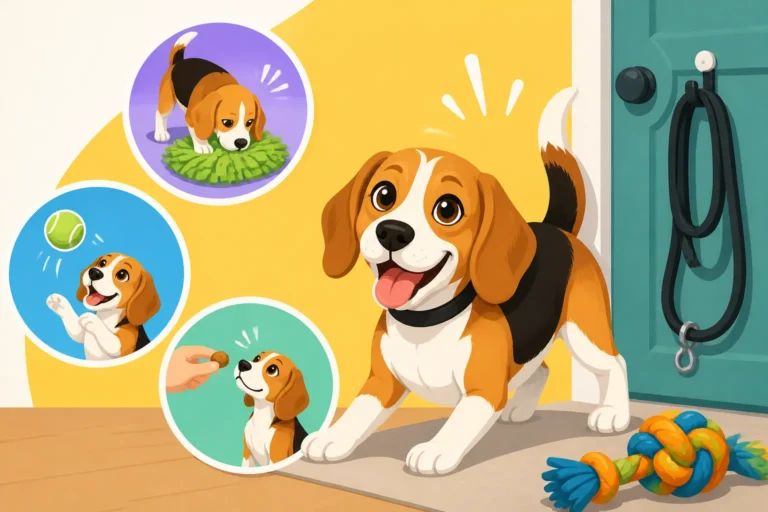
Now that your Beagle understands the clicker, you can start using it to teach them some basic behaviors. Starting these from day one, even with a tiny puppy, lays a fantastic foundation for future training. Keep these sessions short – Five-Minute Beagle Sessions Between Sniff Breaks are perfect – and always end on a high note.
"Look at Me" for Focus in a Distracting World
For a breed so easily captivated by scents, teaching your Beagle to focus on you is paramount. The "Look at Me" command is a foundational exercise that will be invaluable in managing distractions later on, especially when you're out and about.
Here's how to teach it:
- Hold a treat: Hold a small, high-value treat near your nose, or just above your eyes.
- Wait for eye contact: Don't say anything. Just wait patiently. The moment your Beagle looks up and makes eye contact with you, click!
- Deliver the treat: Immediately follow the click with the treat.
- Repeat: Practice this many times in short bursts. As they get the hang of it, you can start to add a verbal cue like "Watch me" or "Look" just before they make eye contact.
- Gradually increase duration: Once they reliably offer eye contact, start waiting for slightly longer periods of eye contact (half a second, then a full second) before you click and treat.
This exercise teaches your Beagle that you are the most interesting thing in the room, even when tempting smells or sounds are around. It builds a crucial channel of communication and helps with Building Beagle Focus in a Distracting Place.
Luring Basics: Sit and Down
Luring is a fantastic way to guide your Beagle into positions like sit or down without physically manipulating them. The clicker perfectly complements luring by marking the exact moment they achieve the desired position.
For "Sit":
- Hold a treat: Hold a high-value treat close to your Beagle’s nose.
- Lure back: Slowly move the treat in an arc over their head, towards their tail. As their nose follows the treat, their rear end will naturally drop into a sit.
- Click and Treat: The instant their bum touches the floor, click! Then, deliver the treat.
- Add the cue: Once they’re consistently sitting with the lure, start saying "Sit" as you lure them, just before they sit. Gradually, you’ll fade the lure (making the hand motion smaller and smaller) until the verbal cue alone prompts the sit.
For "Down":
- Start from a Sit: Have your Beagle in a sitting position.
- Lure to the floor: Hold a treat at their nose and slowly move it straight down to the floor, then drag it slightly away from them, along the ground. They should follow the treat by lying down.
- Click and Treat: The moment their elbows and belly touch the floor, click! Then, deliver the treat.
- Add the cue: Similar to "sit," introduce the verbal cue "Down" as you lure, then gradually fade the lure.
These basic commands are not just about obedience; they're about teaching your Beagle to respond to your cues and to learn how to learn. Reputable online training programs, like those offered by BAXTER & Bella, often break down these luring techniques step-by-step, making it easier for first-time owners to follow along.
Building a Strong Recall from the Start
"Come" or "Here" is arguably the most critical command for a Beagle. Given their powerful prey drive and scent-following instincts, a reliable recall can literally save their life. Clicker training is incredibly effective for building a rock-solid recall, especially from a young age.
Here's a simple, low-distraction way to start:
- Start close: In a quiet, enclosed space (like your living room), take a few steps away from your Beagle puppy.
- Call their name and cue: Enthusiastically say your Beagle’s name, followed by your recall cue (e.g., "Daisy, Come!").
- Click as they move towards you: The moment they take a step or turn their head towards you, click!
- Reward: As they reach you, give them a jackpot of treats and lots of praise. Make it the best party ever!
- Increase distance and distraction slowly: Over time, gradually increase the distance and introduce very mild distractions. Always set your Beagle up for success.
The key here is to make coming to you the most rewarding thing they could possibly do. Every time they choose you over a distraction, you mark that brilliant choice with a click and a fantastic reward. This positive association is what builds genuine enthusiasm for recall, a must-have for any Beagle owner. For more help, check out Building Beagle Recall Before the Nose Takes Over and Beagle Puppy Recall Before Adolescence Hits.
Common Pitfalls and Troubleshooting with Beagle Clicker Training
Even with the best intentions, you might run into a few bumps in the road. That’s totally normal! Understanding common challenges and how to address them will make your clicker training journey smoother and more rewarding for both you and your Beagle.
The Clicker is Not a Remote Control
One of the biggest misconceptions people have about clicker training is that the clicker itself is a command or a magic button that makes the dog perform. It’s not. The clicker is a marker. It marks a behavior that your Beagle offers. You're essentially telling them, "Yes! That thing you just did, do it again for another treat!" You don't click to make them sit; you click when they sit.
If you find yourself clicking without your Beagle actually doing anything, or clicking repeatedly to try and get a response, take a step back. Re-evaluate what you're asking. Are you making it too difficult? Is your treat value high enough? Are there too many distractions? The clicker works best when your Beagle is actively participating and offering behaviors, rather than passively waiting for you to press a button. It encourages them to think and problem-solve.
Managing Distractions: When the Nose Takes Over
Ah, the Beagle nose. It's both their superpower and our biggest training challenge! You might have your Beagle performing perfectly in the living room, only for them to become completely deaf the moment you step into the yard where a squirrel might have been five hours ago. This is a real and relatable struggle for Beagle owners.
Here's how to tackle it:
- Start in a distraction-free zone: Always introduce new behaviors in a quiet environment.
- Gradually increase distractions: Once your Beagle is consistent, slowly introduce very minor distractions. This could be moving to a different room, then the backyard, then a quiet street. Never jump straight to a busy park.
- High-value rewards: When distractions are present, your rewards need to be even higher value. That plain kibble might work in the kitchen, but outside? You'll need something irresistible.
- Short sessions: Keep training sessions brief and engaging, especially in distracting environments. Five-Minute Beagle Sessions Between Sniff Breaks are truly your best friend here.
- Practice Beagle Impulse Control Exercises That Suit a Beagle: These exercises teach your Beagle to resist immediate urges, which can be a huge help when a tempting smell arises.
Remember, your Beagle isn't trying to be difficult; they are simply following their instincts. Your job is to make focusing on you more rewarding than following that incredible scent.
Keeping it Fun: Avoiding Burnout for Both of You
Training should be a joyful experience, a bonding opportunity, not a chore. If you or your Beagle start to feel frustrated or bored, it's time to take a break.
- Keep sessions short: Beagles have surprisingly short attention spans for formal training, especially when they're young. Three to five minutes, several times a day, is far more effective than one long, grueling session.
- End on a success: Always try to end a training session after your Beagle has successfully performed a known command. This leaves them feeling confident and eager for the next session.
- Vary your training: Don't just do "sit" over and over. Mix it up! Incorporate games, short walks where you practice loose-leash walking, or even some simple Beagle scent work classes in the house.
- Celebrate small wins: Did your Beagle make eye contact for one second longer? Click and throw a party! Did they take one step towards you on recall? Click and shower them with treats and praise. Enthusiasm is contagious.
Clicker training, when done right, transforms the way you communicate with your Beagle. It empowers them to learn, builds their confidence, and strengthens the incredible bond you share. By understanding their unique temperament and applying these techniques, you'll be well on your way to a happy, well-trained Beagle companion from day one.
Here’s a quick overview of how clicker training compares to some traditional methods:
| Feature | Clicker Training (Positive Reinforcement) | Traditional Training (Correction-Based) |
|---|---|---|
| Methodology | Marks and rewards desired behaviors; dog "offers" behaviors | Commands dog; corrects unwanted behaviors (verbal, leash jerks, physical) |
| Beagle's Role | Active participant, problem-solver, learns to think | Passive recipient, learns to avoid punishment |
| Communication | Clear, precise, builds understanding of what to do | Often unclear, focuses on what not to do, can be confusing |
| Bond Building | Strengthens bond through positive association, trust, and shared fun | Can damage bond, create fear, or lead to resentment |
| Motivation | Internal (desire for reward), confidence-building | External (fear of correction), can suppress natural behaviors |
| Effectiveness | Highly effective for Beagles due to food drive and independent nature | Less effective for Beagles, often leads to "stubbornness" or avoidance |
| Long-Term | Behaviors are willingly offered, durable, adaptable | Behaviors may only occur under threat of correction, less reliable |
Disclaimer
This article is for general informational purposes only and does not constitute professional advice. Laws, prices and regulations vary by location and change over time. Consult a qualified professional for guidance on your specific situation.