Five-Minute Beagle Sessions Between Sniff Breaks
It’s a common scenario for Beagle owners: you’ve got your treats ready, your clicker poised, and you’re absolutely determined to teach your clever hound something new. Five minutes in, their nose hits the floor, a phantom scent takes hold, and suddenly your diligent student is a furry, focused vacuum cleaner completely oblivious to your existence. It’s frustrating, right? This guide is all about embracing that beautiful, scent-driven Beagle nature and harnessing it with ultra-short, effective training sessions interspersed with exactly what they crave most: sniff breaks.
Understanding the Beagle Brain: Why Short Bursts Work
Living with a Beagle means understanding that their world is primarily experienced through their nose. It’s not just a cute quirk; it's a fundamental aspect of their being, hardwired into their genetics. Trying to fight against this natural inclination during training is like trying to teach a fish to climb a tree – it’s just not how they’re built! Instead, we learn to work with that incredible sense of smell, not against it.
The Scent-Driven World of a Beagle
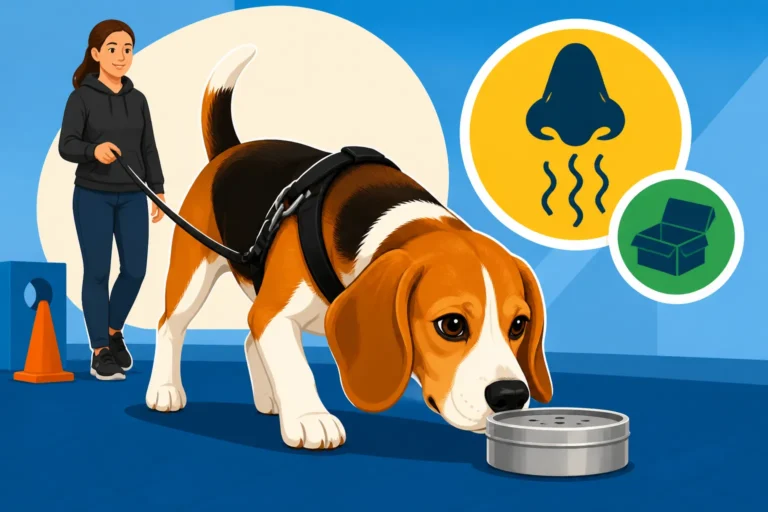
Imagine having 220 million scent receptors, compared to our paltry 5 million. That’s what a Beagle experiences every moment of every day. Every walk is a symphony of smells, every breeze carries a thousand stories. For a Beagle, sniffing isn't just a pastime; it's a profound mental exercise, a way of gathering information about their environment. When your Beagle’s nose hits the ground, they’re not being disobedient; they are quite literally absorbed in their primary purpose. How Far a Beagle Can Actually Smell is truly astounding, and Why a Beagle Nose Beats Ours Ten Thousand Times Over is precisely why short training sessions become a necessity rather than an option. Their brain is simply overwhelmed by the richness of the olfactory world, making sustained focus on human-centric tasks incredibly difficult.
The Beagle's Attention Span: Reality vs. Expectation
Let's be real: Beagles aren't known for their endless attention spans when it comes to formal, repetitive drills. They are intelligent, yes, but their intelligence is often geared towards problem-solving related to scent, not sitting politely for extended periods. Expecting a half-hour training session from a young Beagle is setting both of you up for failure and frustration. Their minds are constantly seeking novel stimuli, especially those delightful smells. This isn't stubbornness, though it can certainly feel like it when they decide that patch of grass is more interesting than your perfectly delivered 'sit' cue. It’s simply their brain prioritizing what it's genetically programmed to do.
Benefits of Frequent, Brief Sessions
The beauty of five-minute training sessions is that they capitalize on your Beagle's natural curiosity and intelligence without pushing them past their attention limits. Think of it like this: short, intense bursts of focused learning, followed by a rewarding "brain break" (a sniff break!). This approach prevents boredom and burnout, keeps your Beagle engaged, and actually makes them want to train with you. It builds a positive association with learning and strengthens your bond because they view training as a fun, quick game rather than a tedious chore. You're constantly ending on a high note, leaving them wanting more. Plus, frequent short sessions allow for greater retention over time because you're revisiting concepts regularly in a positive way.
Structuring Your Five-Minute Training Sessions
The key to successful short sessions is planning. You want to maximize every second of those five minutes, ensuring you’re working on something specific, keeping it upbeat, and knowing exactly when to call it quits. This isn't about rigid perfection; it's about consistency and positive reinforcement.
Setting the Stage for Success
Before you even begin, set yourself up for success. Choose a quiet spot with minimal distractions if you’re introducing a new skill. Once they’re confident, you can gradually add more stimulating environments to proof their training, but always start simple. Have your high-value treats ready – these are non-negotiable for a Beagle! Something super tasty, small, and easy to chew. A clicker, if you use one, should also be at hand. Think about the time of day: a Beagle that's just woken up from a nap or had a good potty break might be more receptive than one who’s been cooped up all morning or is already overstimulated. Consider a pre-training stretch or quick game of tug to get their wiggles out, but don't exhaust them.
Choosing Your Training Focus
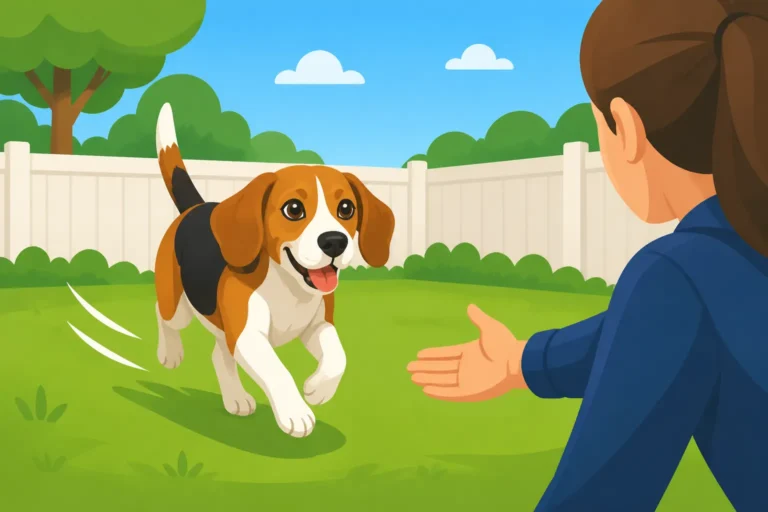
Given the short timeframe, pick one skill or concept per five-minute session. Are you working on a reliable "sit"? Or maybe a solid "stay" for a few seconds? Perhaps it’s loose-leash walking for a short stretch, or perfecting their recall in a low-distraction environment. Don't try to cram too much in. If you're tackling something new, focus on achieving just a couple of successful repetitions, then reinforce heavily. If it’s a skill they already know, use the session to refine it or practice it under slightly different conditions. For example, if you're trying to improve Beagle Recall That Works Before the Nose Wins, start in your living room before moving to the backyard. BAXTER & Bella, an online puppy training program, often emphasizes breaking down complex behaviors into small, manageable steps, which fits perfectly with this short-session philosophy.
Ending on a High Note
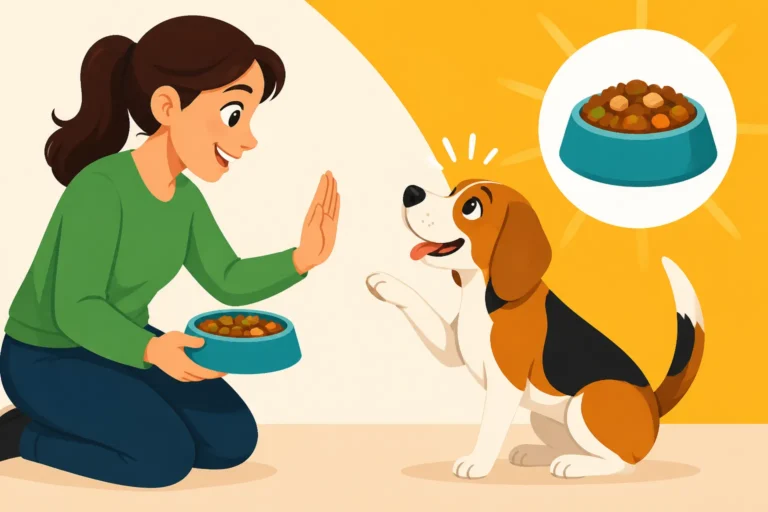
This is perhaps the most crucial part of the five-minute session. The moment your Beagle performs the desired behavior well, even just once, and before they get bored or distracted, end the session. Give them a jackpot of treats, lots of enthusiastic praise, and then release them for their much-anticipated sniff break or play time. You want them to walk away feeling successful and happy, associating training with positive outcomes. This leaves them eager for the next session. Never push past the five-minute mark if you notice their attention waning, even if you feel like you haven't achieved "enough." A shorter, positive session is always more valuable than a longer, frustrating one.
Incorporating Sniff Breaks for Optimal Learning
Sniff breaks aren't just a reward; they're an integral part of the learning process for a Beagle. They allow your dog to decompress, mentally process information, and engage in a natural, fulfilling behavior that actually aids in their overall well-being and willingness to learn more.
What Counts as a Sniff Break?
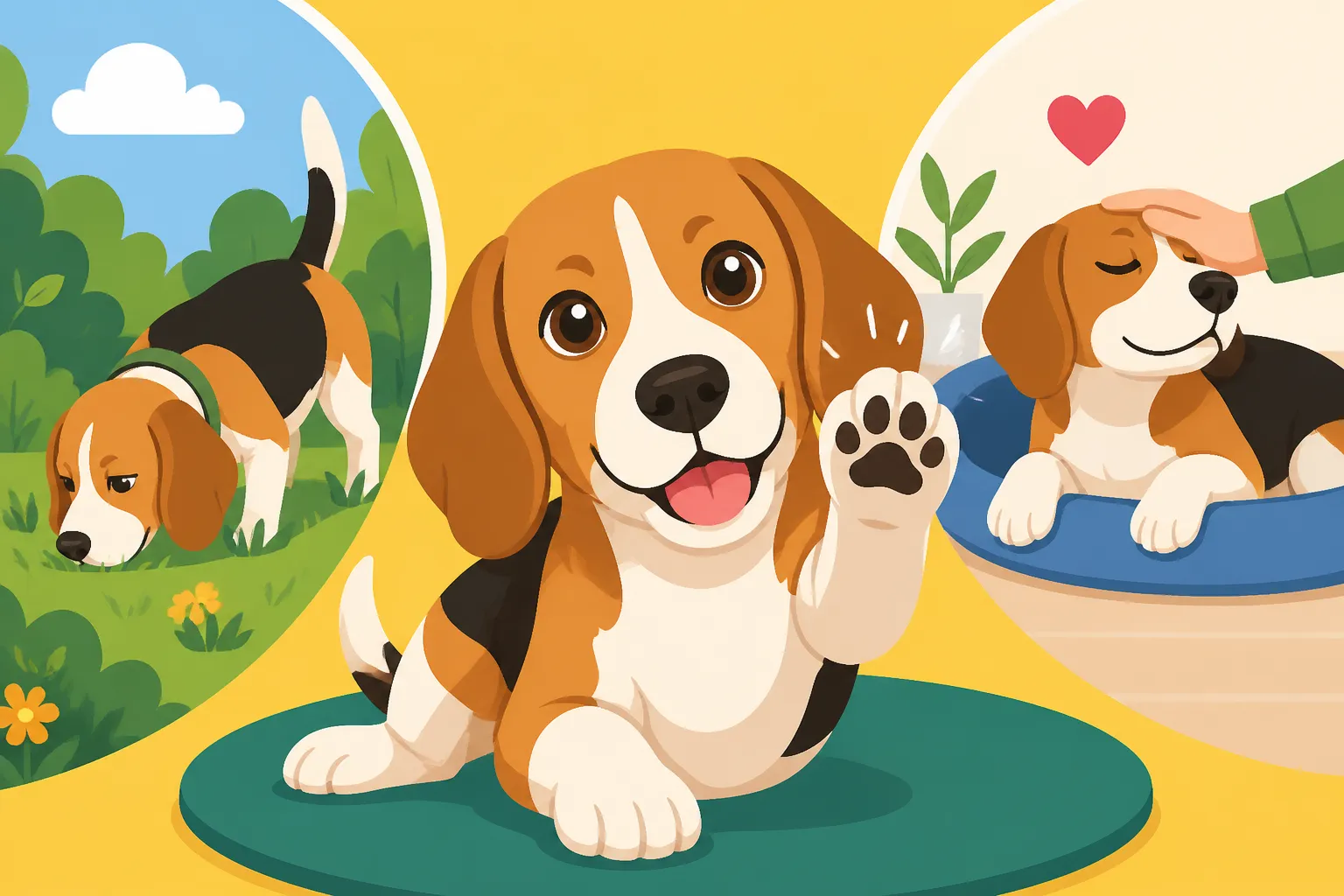
A sniff break is precisely what it sounds like: dedicated time for your Beagle to follow their nose, uninterrupted. This isn't a structured walk where you dictate the pace; it's their time. Let them bury their face in that interesting patch of grass, investigate the lamppost with meticulous detail, or track that fascinating scent across the yard. Letting a Beagle Sniff on Every Single Walk is incredibly important, but specifically scheduling these sniff breaks around training sessions maximizes their benefit. You might have a short leash walk where they get to sniff freely, or you could scatter some treats in the grass and let them forage for a few minutes. Snuffle mats, easily found on Amazon, are also fantastic for indoor sniff breaks, providing mental enrichment and a calming activity after a short burst of training.
Reading Your Beagle's Cues
Learning to read your Beagle’s body language is key to knowing when they need a sniff break, or when they’re simply done with training for the moment. Are they looking away from you, yawning, scratching, or refusing treats they normally gobble down? These are all signs of disengagement or stress. If their nose is hovering lower and lower to the ground, or they're starting to wander, that's your cue. Don't wait until they completely "check out" or start resorting to nuisance behaviors to get your attention. Proactively offer the sniff break. It demonstrates to your Beagle that you understand their needs and are willing to meet them, which builds trust and strengthens your relationship.
Balancing Formal Training with Instinctual Drives
The brilliance of this method lies in its balance. You’re giving your Beagle the mental stimulation of formal training while also allowing them to fully express their most powerful instinct. Think of the sniff break as a reset button. It helps them burn off mental energy related to processing scents, making them more receptive when you return to your short training burst. This balance is crucial for a breed like the Beagle, who, if not given appropriate outlets for their scenting abilities, can become destructive, anxious, or develop behavioral issues. Sniffing Walks and Why They Tire a Beagle Out truly illustrates the importance of this activity. By integrating sniff breaks, you acknowledge and respect their inherent nature, leading to a happier, more well-adjusted dog who sees you as a partner in their explorations, not just a drill sergeant.
Making Training Fun and Rewarding
Training should always feel like a game to your Beagle, not a chore. Given their intelligence and food drive, there are plenty of ways to make these short sessions incredibly impactful and something your Beagle looks forward to with boundless enthusiasm.
High-Value Rewards for Maximum Motivation
Let’s be honest, Beagles are motivated by food like few other breeds. This is your secret weapon! For training, "high-value" means something really good. Think small pieces of cooked chicken, cheese, hot dogs, or store-bought soft training treats. Kibble might work for a quick "sit" in a quiet living room, but if you want focus in a distracting environment, you need the good stuff. The Treats a Beagle Will Work Hardest For are often those that are intensely aromatic and delicious. Keep them small so you don't overfeed your Beagle, and deliver them quickly after the desired behavior. The immediate reward makes the connection clear for your dog. For more complex behaviors, a "jackpot" reward – several treats given in quick succession – can really reinforce their efforts. If your Beagle is particularly driven, BAXTER & Bella’s curriculum often suggests using a variety of treats to keep interest high, which is a fantastic idea.
| Reward Type | Description | Use Case |
|---|---|---|
| High-Value | Small pieces of cooked meat (chicken, hot dog), cheese, premium soft training treats. | New skills, distracting environments, maintaining high motivation. |
| Medium-Value | Harder biscuits, dried liver bits, regular kibble if highly food motivated. | Practicing known skills in low-distraction areas, maintenance. |
| Low-Value | Plain kibble, some dental chews. | Meal-time enrichment (puzzle feeders), general obedience when focus is already high. |
| Praise/Touch | Enthusiastic verbal praise, gentle petting (if your Beagle enjoys it). | Always pair with food rewards, especially for sensitive or easily distracted Beagles. |
Varying Locations and Distractions
Once your Beagle has mastered a skill in a quiet, familiar place, it's time to "proof" that behavior by practicing in different locations with increasing levels of distraction. Your five-minute session might be held in the living room one day, the backyard the next, and then a quiet park or even a pet supply store. Building Beagle Focus in a Distracting Place is essential for a reliable dog. Start small; perhaps just practicing "sit" when a family member walks by. Gradually increase the challenge. Remember, each new location or distraction is like teaching the skill almost from scratch for your Beagle, so be patient, lower your expectations initially, and use those high-value rewards liberally. Again, ending on a positive note is paramount.
Avoiding Frustration for Both of You
The biggest killer of successful training is frustration. For Beagles, this often manifests as zoning out, sniffing excessively, or offering incorrect behaviors out of confusion or boredom. For you, it might mean feeling exasperated and losing your cool. If either of you is getting frustrated, it’s time for a break. Immediately. Put the treats away, say "all done!" with a cheerful voice, and let your Beagle go enjoy a good sniff. There’s no shame in ending a session early. In fact, it's a sign of a good trainer who understands their dog. By keeping sessions short, positive, and varied, you prevent frustration from building up, ensuring that both you and your Beagle genuinely enjoy your training journey together. This positive reinforcement approach is far more effective and kind than trying to force compliance.
Disclaimer
This article is for general informational purposes only and does not constitute professional advice. Laws, prices and regulations vary by location and change over time. Consult a qualified professional for guidance on your specific situation.