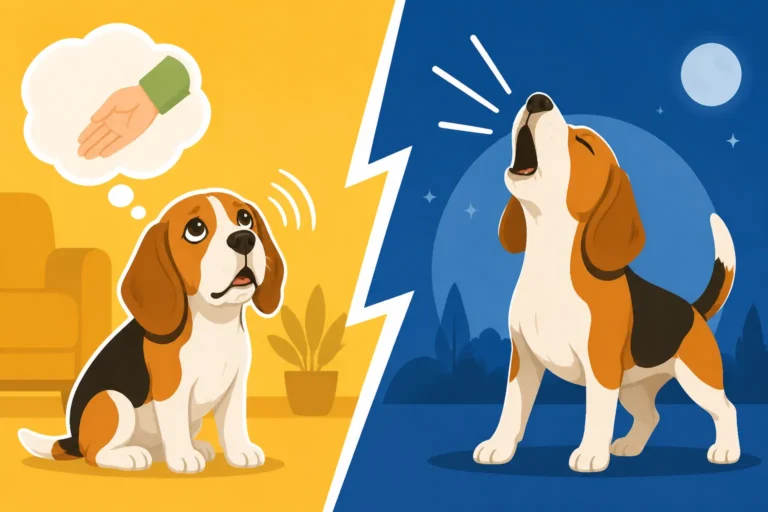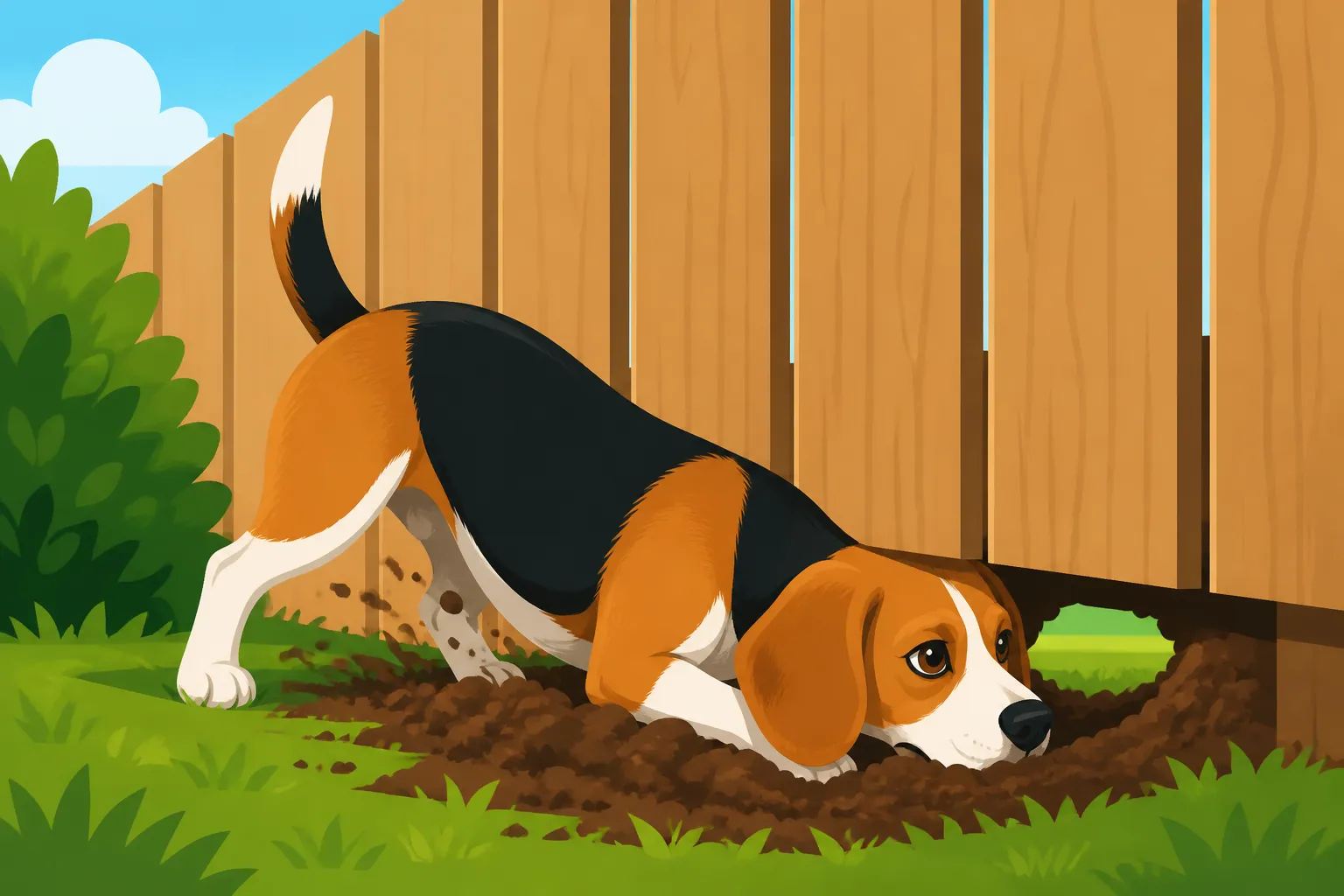
Beagle Digging Under the Fence Line
Few things are more disheartening for a Beagle owner than stepping into the backyard only to find a fresh trench dug along the fence line, or worse, an empty yard where your beloved hound once happily roamed. That deep-seated instinct to follow a scent, coupled with boundless energy and a curious nature, makes many Beagles expert excavators. This guide is here to walk you through understanding why your Beagle feels compelled to dig under the fence and, more importantly, equip you with the practical strategies to reinforce your boundaries and keep your furry escape artist safely within your yard.
The Deep-Rooted Instinct Behind Beagle Digging
It's easy to get frustrated when you see your perfectly manicured lawn transformed into a lunar landscape, but it helps to remember that your Beagle isn't digging to spite you. They're simply being Beagles! This breed carries a long and rich history of working alongside humans, and many of their most endearing (and sometimes challenging) traits are direct links to their past. Digging is often one of them, a behavior that was once highly valued.
Beagles as Scent-Driven Earth Dogs
Beagles are scent hounds, pure and simple. Their entire being is wired to detect, follow, and investigate smells. With around 220 million scent receptors, their noses are an incredible tool, and when that tool leads them to a particularly enticing odor that happens to go underground, well, their instincts kick in. Whether it's the lingering scent of a squirrel that burrowed under the fence last week, a mole tunnel system, or even just damp earth holding a fascinating aroma, a Beagle’s nose demands answers. What a Beagle Experiences on a Scent Trail
This powerful drive means that what seems like a random hole to us is a crucial investigative mission for them. They're not just digging for the sake of it; they're following a thread in a rich tapestry of scents, trying to uncover the source. They were originally bred to hunt small game, primarily rabbits and hare, and sometimes those critters don't just run across a field, they disappear into the ground. A Beagle with a hot scent trail is going to pursue it, no matter the obstacle.
Genetic Predisposition to Digging
The Beagle's history as a working hound for rabbit hunting plays a huge role in why they are prone to digging. These dogs were developed to flush out game, and if that game sought refuge underground, a good hound needed to be able to get at it, or at least corner it. While modern pet Beagles might not be actively hunting rabbits, the genetic blueprint remains. They retain that strong prey drive and the accompanying behaviors that made them successful in their original purpose.
It's not just Beagles, either; many other breeds in the terrier and hound groups share this genetic predisposition. Think of a Jack Russell Terrier or a Dachshund – breeds known for their digging prowess, also linked to hunting underground prey. For Beagles, digging is less about creating a den and more about discovery and pursuit. It's a natural, hardwired behavior, and understanding this helps us approach the problem with patience and empathy rather than just frustration. Recognizing this instinct is the first step toward finding effective solutions that work with your Beagle's nature, not against it.
Common Reasons Your Beagle is Digging Under the Fence
Understanding the "why" behind your Beagle's fence-line excavation habits is crucial for finding an effective solution. It's rarely malicious, but rather a manifestation of unmet needs, deep-seated instincts, or a response to environmental factors. Let's explore the primary culprits.
Escapism and the Call of the Wild
The most common and often most concerning reason a Beagle digs under a fence is a desire to escape. Their powerful noses, combined with an inherent curiosity and a strong prey drive, make the world beyond the fence incredibly enticing. If a rabbit, squirrel, or even another dog has passed by, leaving behind an irresistible scent trail, your Beagle will feel an almost magnetic pull to follow it. This isn't just a casual sniff; for a Beagle, it’s a mission. Why a Beagle Will Follow a Scent for Miles
Once they catch a compelling scent, all other considerations fade away. Your calls, the boundary of the fence, even hunger can take a backseat to the thrill of the chase or the promise of discovery. They aren't trying to leave you; they're simply being a Beagle, pursuing the call of their ancestral hunting instincts. This intense focus makes them oblivious to potential dangers outside the yard, highlighting why a secure fence is absolutely non-negotiable for this breed. This inherent drive for exploration and pursuit is a major reason why Beagle Escape Artistry and How to Contain It is such a critical topic for owners.
Boredom, Loneliness, and Lack of Mental Stimulation
A bored Beagle is a destructive Beagle, and digging is often high on their list of self-employment activities. Beagles are intelligent, active dogs that require significant physical exercise and, crucially, mental engagement. If they're left alone in a yard for extended periods with nothing stimulating to do, they will invent their own entertainment. This often involves transforming your yard into an archaeological dig site.
The sheer joy a Beagle gets from exploring scents is part of their charm, but it also means they need outlets for that energy. Without puzzle toys, regular interactive play, training sessions, or stimulating walks, a fence line that smells faintly of badger suddenly becomes the most exciting thing in their world. This drive can be exacerbated by loneliness, as Beagles are pack animals and thrive on companionship. A Beagle feeling isolated might dig out of sheer anxiety or to find company. Providing a rich, engaging environment is paramount to deterring unwanted digging behaviors.
Seeking Comfort from Weather Extremes
Sometimes, the motivation behind the digging is surprisingly simple: comfort. Beagles, like many dogs, will instinctively dig a shallow "den" to regulate their body temperature. On a sweltering summer day, the cool, damp earth just a few inches below the surface can feel like a luxurious air-conditioned refuge. They're not trying to escape; they're trying to create a cooler spot to lie down and escape the heat of the sun-baked grass.
Conversely, in colder climates, a Beagle might dig to find a sheltered spot, protected from wind or even light rain. Their dense double coat offers some protection, but a snug depression in the earth can offer additional insulation and a sense of security. If your yard lacks adequate shade, shelter, or a comfortable, designated resting area, your Beagle is more likely to revert to this primal instinct. Observing when and where your Beagle digs can often give clues as to whether temperature regulation is a factor.
Proactive Solutions to Prevent Fence-Line Escapes
Once you understand why your Beagle is digging, you can implement strategies that address those underlying motivations. It’s a combination of physical barriers, behavioral redirection, and ensuring their needs are met. This isn't just about stopping a bad habit; it's about providing a safer, more fulfilling life for your clever hound.
Fortifying Your Fence Line Against Diggers
The most direct approach to prevent digging under the fence is to make it physically impossible (or at least very difficult). Beagles are tenacious, so a simple visual barrier won't cut it. You need something substantial that they can't chew through or easily push aside. This often involves creating a physical barrier underground. Digging Barriers Along a Beagle Fence Line
One common and effective method is to bury a section of wire mesh, such as galvanized hardware cloth or sturdy chicken wire, along the entire perimeter of your fence. The mesh should be at least 18-24 inches wide and buried 6-12 inches deep, then bent at a 90-degree angle horizontally inward toward your yard. This creates an "L-footer" that discourages digging, as the Beagle will hit the wire no matter how deep they go. Another option is to lay concrete footings or large, flat landscape rocks directly at the base of the fence line. While these can be more labor-intensive and expensive, they offer a highly robust solution. Remember to regularly inspect your fence for new weak spots, especially after heavy rains that might loosen soil. Fencing Costs That Actually Contain a Beagle will give you an idea of the investment involved in truly securing your yard.
Providing Engaging Alternatives for Digging Instincts
Since digging is a natural, instinctual behavior for Beagles, completely suppressing it can be frustrating for both you and your dog. A more humane and effective approach is to redirect that energy to an appropriate outlet. This is where a designated "digging pit" can be a lifesaver. Choose a spot in your yard, perhaps a corner, and build a simple sandbox or designate an area of loose soil. Bury high-value toys, long-lasting chews, or scent-rich treats in the pit.
Introduce your Beagle to this area, encourage them to dig, and lavish them with praise and rewards when they find a treasure. Consistency is key here. Every time you see them start to dig at the fence, gently redirect them to their digging pit. Over time, they'll learn that the pit is the acceptable place to satisfy their urge. Rotate the buried items to keep it exciting and ensure it remains a more enticing option than the forbidden fence line. This fulfills their natural drive in a controlled, non-destructive way, making them a much happier hound.
Increasing Mental and Physical Exercise
A tired Beagle is a good Beagle, and a mentally stimulated Beagle is even better. Many digging issues stem from boredom and pent-up energy. Beagles need more than just a quick trot around the block; they thrive on activities that engage both their bodies and their incredible noses. Long, meandering "sniff walks" where they are allowed to follow interesting scents at their own pace are incredibly enriching. Sniffing Walks and Why They Tire a Beagle Out will show you how these walks can be more exhausting (in a good way!) than a brisk jog.
In addition to physical outings, incorporate mental enrichment into their daily routine. This could include puzzle toys filled with their meals, regular training sessions where they learn new commands or refresh old ones, or even formal scent work classes. Scent Work as the Job a Beagle Was Built For outlines how these activities tap directly into their innate abilities and provide a 'job' that satisfies them deeply. Consider enrolling in an online training program, perhaps through a platform like BAXTER & Bella, which offers structured courses that can help you introduce new enrichment activities and training techniques from the comfort of your home. A Beagle with a full brain and a tired body is far less likely to turn to digging as a pastime.
Addressing the Underlying Behavioral Issues
Beyond physical barriers and alternative digging spots, tackling the behavioral roots of your Beagle's digging is key to long-term success. This means understanding their unique needs and adjusting your routine to better meet them.
Managing Scent Temptations Beyond the Yard
For a Beagle, the world outside the fence isn't just a visual landscape; it's an olfactory wonderland. Critters, neighborhood dogs, and even passing people leave behind a myriad of scents that can act like an irresistible siren song to your hound. It's often these lingering odors along the perimeter that instigate the digging. To mitigate this, consider regularly "sweeping" your fence line. This might involve walking the fence with your Beagle on a leash, reinforcing their recall, and distracting them from particularly interesting spots.
You can also physically remove potential attractants. If you know a rabbit frequently nests near your fence, take steps to deter it from your property. If your neighbor's dog marks the common fence line, politely discuss whether they can prevent it. While you can't eliminate every single scent, reducing the most potent temptations can significantly lower the motivation to dig an escape tunnel. Using natural deterrents like unpleasant (but safe) smells or textures along the fence line inside your yard might also help discourage them from approaching it with a shovel-like nose.
Enriching Your Beagle's Environment
A stimulating environment is a powerful deterrent to destructive behaviors like digging. Beagles are curious and highly food-motivated, so incorporating these traits into their daily life can make a huge difference. Don't just put their food bowl down; make them work for it. Use puzzle feeders, snuffle mats, or scatter their kibble across the yard for them to "hunt." This mimics their natural foraging behavior and provides mental engagement.
Introduce a variety of appropriate chew toys. Items like durable rubber chew toys or dental chews can keep their jaws and minds busy for extended periods. Rotating toys regularly prevents boredom. Look for interactive toys on platforms like Amazon that dispense treats or require problem-solving. Consistent training, even just 10-15 minutes a day, not only strengthens your bond but also gives them a mental workout. Focus on commands like "leave it" and "stay" to build Impulse Control Exercises That Suit a Beagle, which can be invaluable when they're tempted by a scent or a digging opportunity.
Professional Help for Persistent Diggers
Sometimes, despite your best efforts, a Beagle's digging habits can be deeply ingrained or stem from more complex behavioral issues like severe separation anxiety or an exceptionally high prey drive. If you've tried various methods and are still struggling, it might be time to enlist professional help. A certified professional dog trainer or a veterinary behaviorist can assess your Beagle's specific situation, identify underlying causes, and develop a tailored training plan.
They can offer personalized strategies, teach you advanced training techniques, and even help you understand specific behavioral nuances of your dog. Many professionals now offer virtual consultations, making expert guidance more accessible. Services like those provided by BAXTER & Bella, for example, often include access to trainers who can guide you through these challenges with positive reinforcement methods. Don't view seeking professional help as a failure; view it as an investment in your Beagle's well-being and your peace of mind. They can help you address issues that might be beyond standard fixes, ensuring your Beagle remains safely and happily in your care.
Here's a quick overview of common digging deterrents and their characteristics:
| Method | Description | Pros | Cons |
|---|---|---|---|
| Burying Wire Mesh | Galvanized hardware cloth or chicken wire buried horizontally at fence base | Highly effective physical barrier, long-lasting | Labor-intensive installation, can be costly |
| Concrete Footings | Pouring a concrete slab or installing concrete blocks along fence | Permanent, extremely robust | Very high cost, most labor-intensive, difficult to reverse |
| Landscape Rocks | Placing large, flat rocks or paving stones directly along the fence line | Relatively easy to install, aesthetically pleasing | Beagle might move them if not heavy enough, can be dislodged |
| Digging Pit | Designated area with loose soil, buried treats/toys | Redirects natural instinct, positive reinforcement | Requires consistent upkeep, doesn't prevent fence digging entirely if not managed |
| Scent Deterrents | Spreading unpleasant (but safe) scents like cayenne pepper near fence | Easy to apply, inexpensive | Temporary, needs frequent reapplication, can be irritating for dog |
| Planting Dense Shrubs | Planting thorny or dense bushes directly against the fence line | Natural barrier, can be aesthetically pleasing | Takes time to grow, not foolproof, some plants can be toxic |
Disclaimer
This article is for general informational purposes only and does not constitute professional advice. Laws, prices and regulations vary by location and change over time. Consult a qualified professional for guidance on your specific situation.